
CUE CARE · PRACTICAL CHECKLIST
How to Store and Care for a Snooker Cue A practical maintenance checklist
A short routine after every session is easier than waiting for a cue to feel rough, collect chalk or suffer avoidable knocks during storage and travel.
Short answer: wipe the cue with a clean, soft, dry cloth after play, protect it in a correctly sized case or rack, keep it away from rapid temperature and humidity changes, and inspect the shaft, joint, butt and tip regularly. Use specialist products only when they match the cue maker’s care guidance.
Store the cue fully supported
A snooker cue is long and relatively slender, so storage should support it instead of leaving it balanced at an angle. A fitted case can lie flat where it will not be stepped on, crushed or knocked from a shelf. A purpose-built cue rack can also hold a cue upright with stable support.
Avoid leaving the cue leaning against a wall or table for long periods. Do not force a cue into a case that is too short or allow it to rattle in an oversized compartment. If the cue has separate sections, place each part in its intended channel and protect the joint faces from contact with loose accessories.
Keep the case away from radiators, direct sun, damp storage areas and other places with fast environmental changes. Wood and cue finishes vary, so this is preventive care rather than a promise that a cue can never change. Browse the site’s cue cases and bags category when comparing storage formats.
A two-minute after-play routine
- Remove loose chalkUse a clean, soft, dry cloth on the shaft and around the ferrule. Work gently instead of pressing chalk dust into the surface.
- Wipe the butt and grip areaRemove normal hand residue without soaking the finish. If a maker specifies a different method, follow that guidance.
- Check the jointFor a sectional cue, make sure the joint is free of visible debris before separating and storing the pieces. Do not use a tool to force a tight joint.
- Look at the tipCheck that the edge is attached and the playing surface is not obviously damaged. A visual check is safer than reshaping it automatically after every session.
- Return every part to its placeStore the cue, extension and small accessories in their own spaces so metal or hard items cannot strike the shaft or butt.
Do not assume that oil, liquid cleaner, abrasive pads or sandpaper are suitable for every shaft or finish. Begin dry, follow the maker’s instructions and ask an experienced cue technician before removing material.
Inspect the cue from tip to butt
Tip and ferrule
Look for an edge lifting away, visible damage or a tip surface that no longer takes chalk evenly. Check the ferrule for obvious cracks or movement. If either part appears loose, stop using the cue until it can be assessed; the tip replacement decision guide explains which facts to record before service.
Shaft surface
Run a clean hand lightly along the shaft and look at it in good light. Chalk buildup, a raised fibre or a rough patch is a reason to clean or seek advice, not a reason to sand the whole shaft automatically. Removing material changes the cue and cannot be undone. Use the focused snooker cue shaft cleaning guide for a conservative dry-cloth sequence and clear stop rules.
Joint and butt
On a jointed cue, inspect the joint faces and threads for visible debris or damage. On every cue, check the butt and finish for fresh knocks or lifting areas. Record a change when you first notice it instead of trying several unverified products at once.
A practical cue-maintenance schedule
There is no honest universal interval for replacing a tip or refinishing a shaft. Frequency of play, tip construction, surface finish and handling all vary. Condition is a better trigger than an invented calendar date.
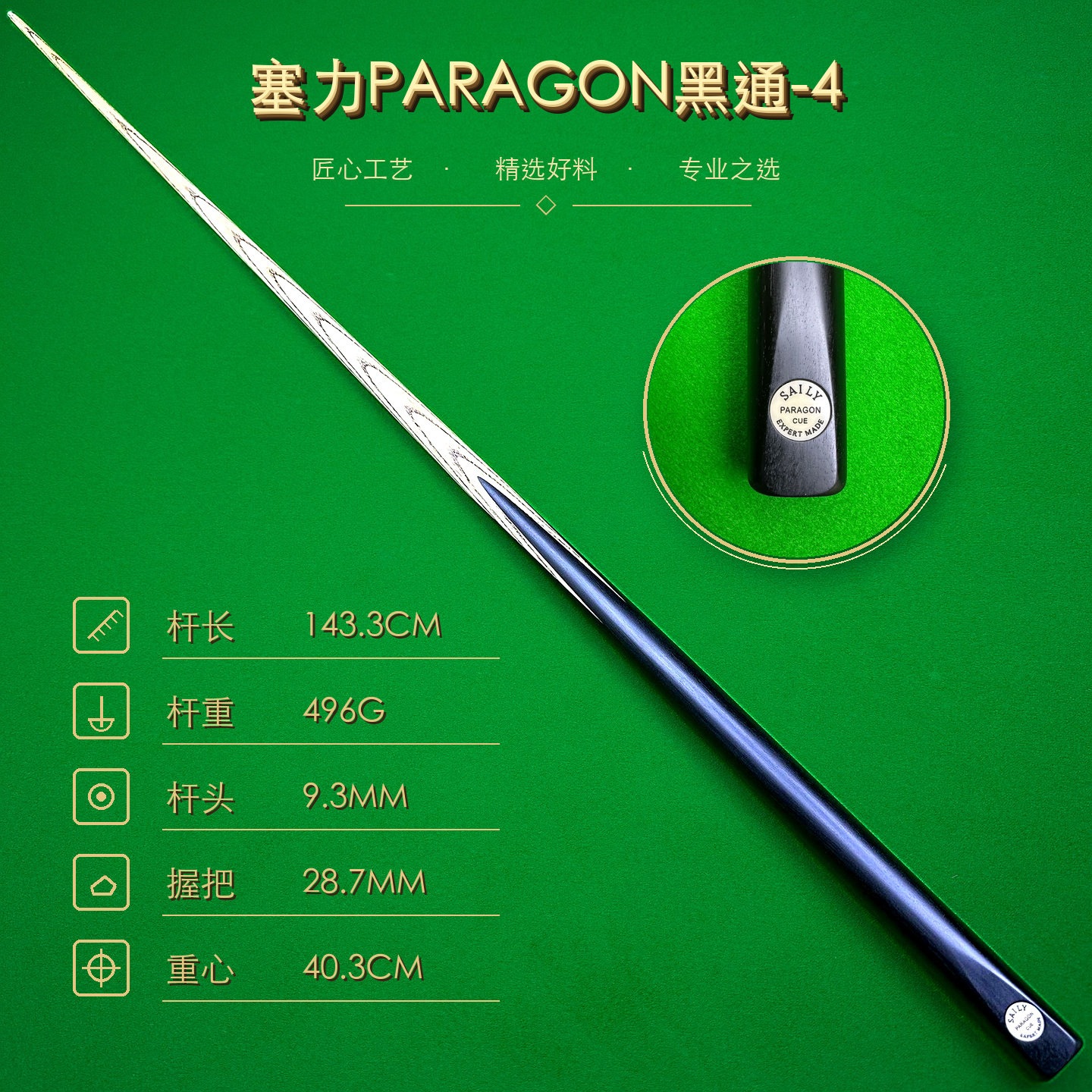
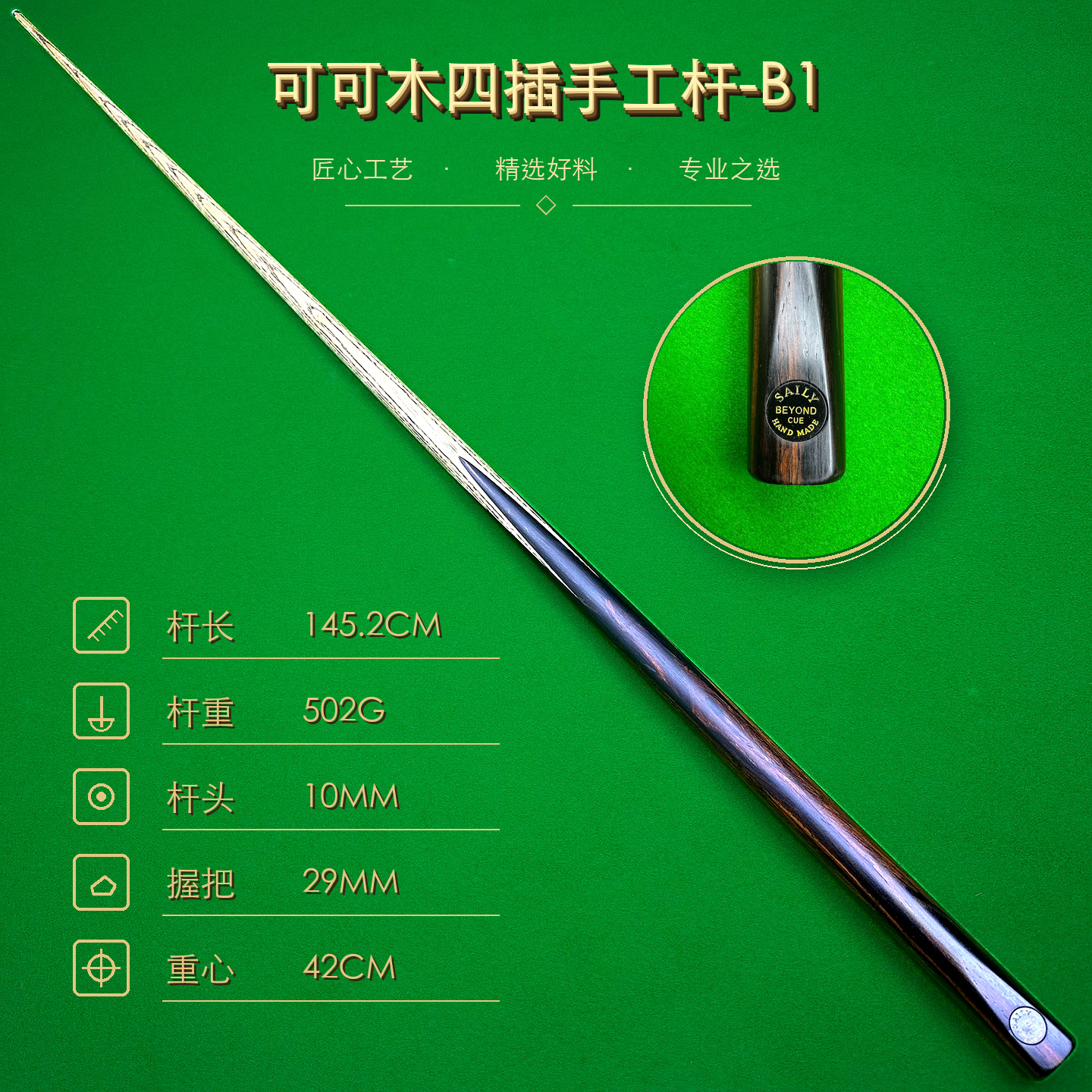
If you are still comparing cue size and feel, use the separate snooker cue selection guide. For an existing cue, keep the original product measurements and photographs with your records. The SAILY CUE catalogue publishes actual length, weight, tip diameter, butt diameter and balance point for individual cues rather than relying on a generic “standard” label.
Protect the cue between the club, home and events
Close every latch or zip before lifting the case, and do not carry hard loose items in the same channel as the cue. In a vehicle, place the case where it cannot roll, bend under luggage or sit in direct sun. Bring it indoors rather than using the car as long-term storage; the snooker cue car-storage guide explains what a case can and cannot protect and what to inspect after unusual conditions.
After a large temperature change, allow the closed case and cue to return gradually to the playing-room conditions. Inspect the joint and shaft before assembly. For international travel or shipping, follow a documented snooker cue packing checklist, use a rigid outer package appropriate to the carrier and confirm current rules directly with the airline or delivery company.
Common cue-care mistakes
Using more product because the shaft feels rough
More liquid or abrasive action is not automatically better. Identify whether the issue is surface residue, a raised fibre, finish damage or something else before changing the material.
Reshaping the tip after every session
Unnecessary filing removes tip material. Inspect first, chalk normally and service the tip only when its condition requires it.
Leaving the cue assembled and leaning nearby
Convenience increases the chance of a fall or side load. Return the cue to supported storage when the session ends.
Ignoring the maker’s finish instructions
A method that suits one cue may not suit another surface. Confirm the finish and recommended care before applying oil, wax, cleaner or abrasive material. The site’s care and maintenance tools category is a product category, not a substitute for cue-specific instructions.
Snooker cue storage and care FAQ
Is it better to store a snooker cue horizontally or vertically?
Either can work when the cue is fully supported. A fitted case can lie flat in a safe place, while a purpose-built rack can hold a cue upright. Avoid leaving the cue leaning at an angle against a wall or furniture for long periods.
Can I leave my cue in a car?
It is better not to. A parked car can expose the cue to rapid temperature changes, direct sun and accidental impacts. Bring the case indoors and let the cue return gradually to the room conditions before play.
What should I use to clean a snooker cue shaft?
Start with a clean, soft, dry cloth after play. Cue finishes and maker instructions vary, so check the recommended method before using liquid cleaners, oils, abrasives or sandpaper. Ask a cue technician when deeper work is needed.
How often should I check the cue tip?
Give it a quick visual check before or after each session. Look for a loose edge, obvious damage or a shape that no longer holds chalk evenly. There is no universal replacement interval because use, tip construction and maintenance vary.
SAILY CUE COLLECTION
Review real cue photographs and measurements
Browse the English catalogue or open the Saily Paragon Ebony Cue No. 4 to see a documented example.