
SNOOKER CUE · SHIPPING CHECKLIST
How to Pack a Snooker Cue for Shipping: A Damage-Prevention Checklist
Create a traceable packing process that supports every cue section, protects delicate surfaces and leaves clear evidence of what was dispatched.
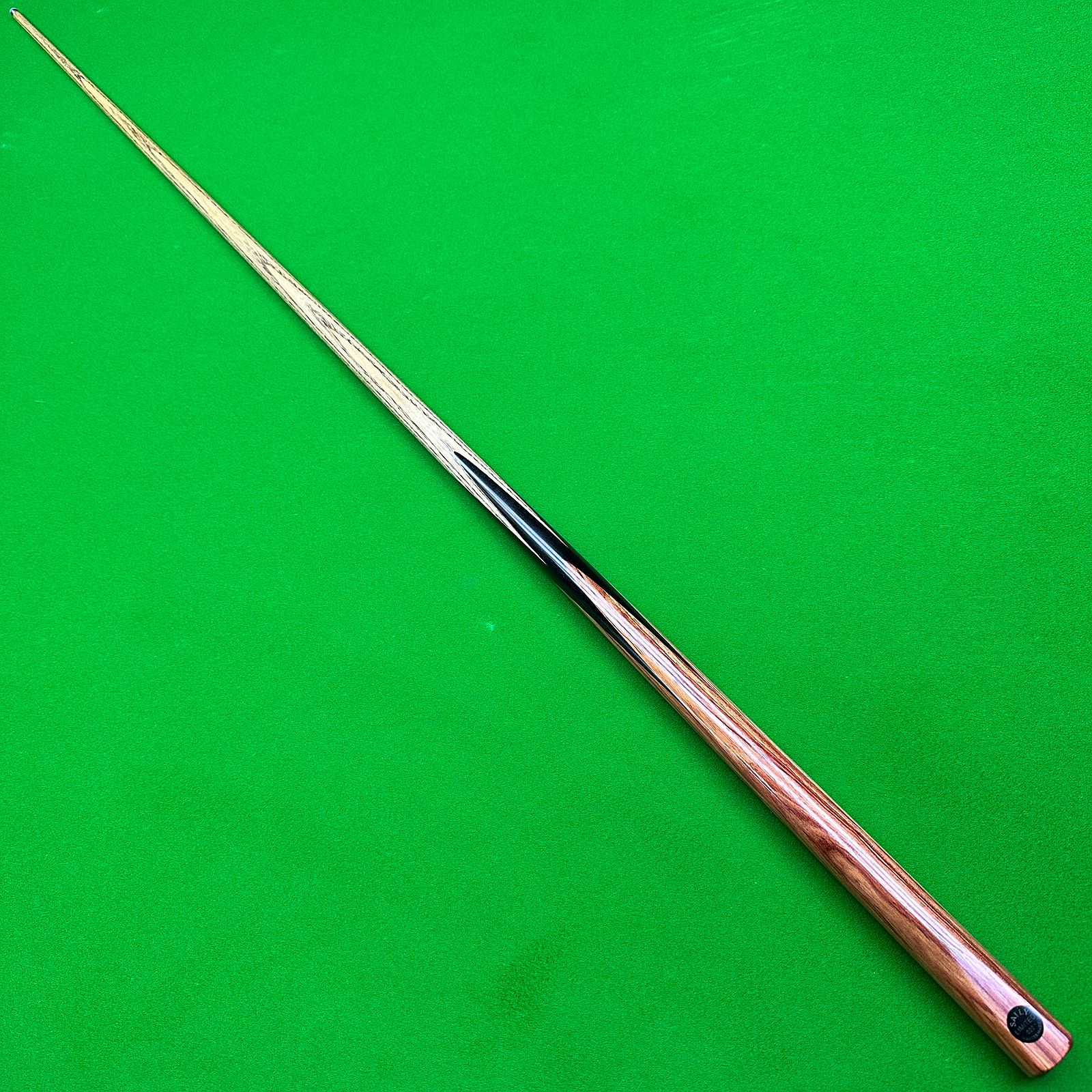
Short answer: photograph and identify the exact cue before packing, record every included item, separate and support its sections, cover the tip, ferrule, joint faces and finish from contact, then immobilise the protected cue inside a suitable rigid case or inner container. Put that unit in a strong outer carton with cushioning on every side, seal it without compressing the cue and save dated dispatch evidence. This reduces avoidable movement and contact; it cannot guarantee that a parcel will arrive undamaged.
1. Document the exact cue before packing
Start with an order or inventory reference that belongs to one physical cue. Photograph the full cue, each section, the tip and ferrule, joint faces, butt, finish, identifying marks and every accessory that will travel with it. Record the configuration, measurements and condition in plain language. The snooker cue photography guide explains how to keep the picture set tied to the pictured item.
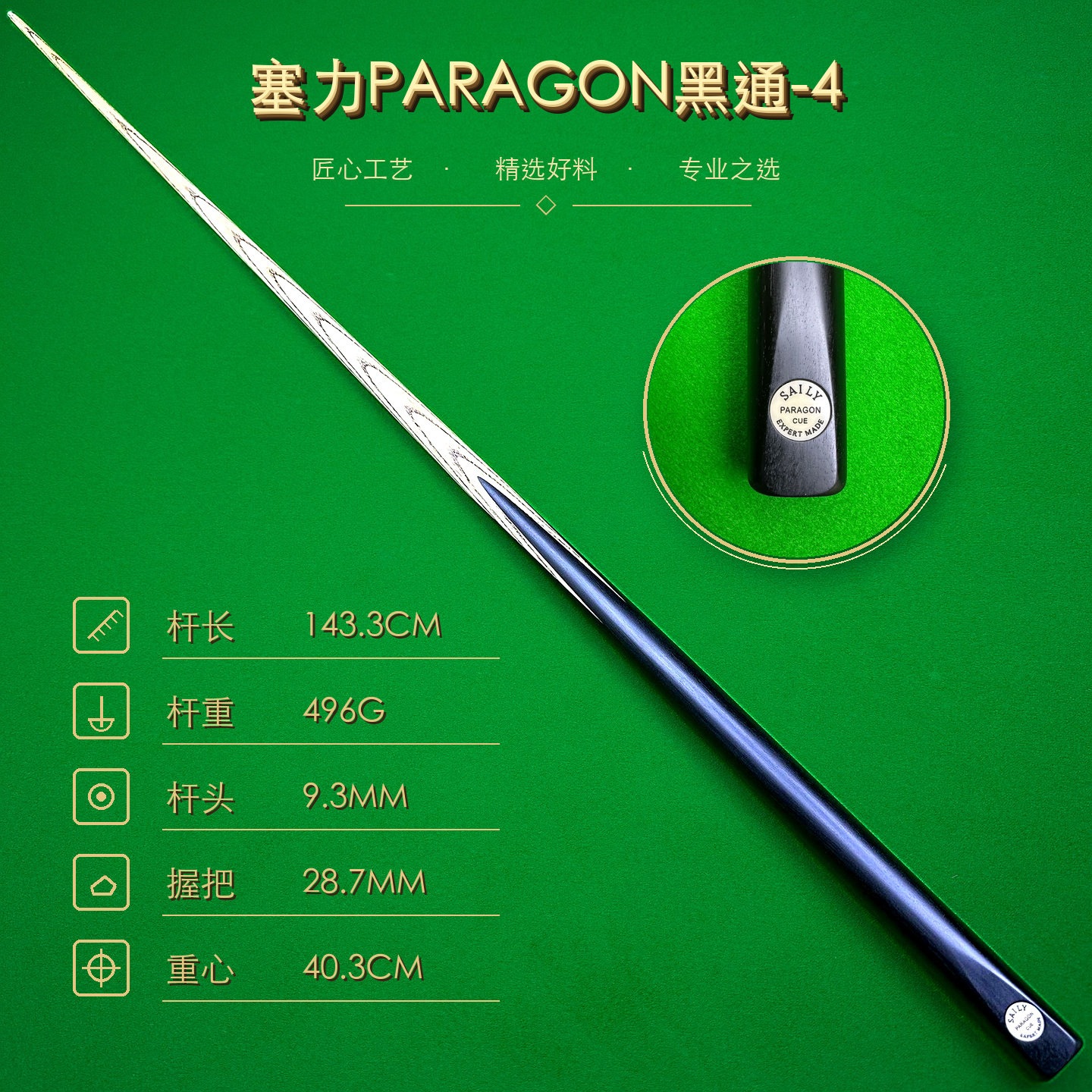
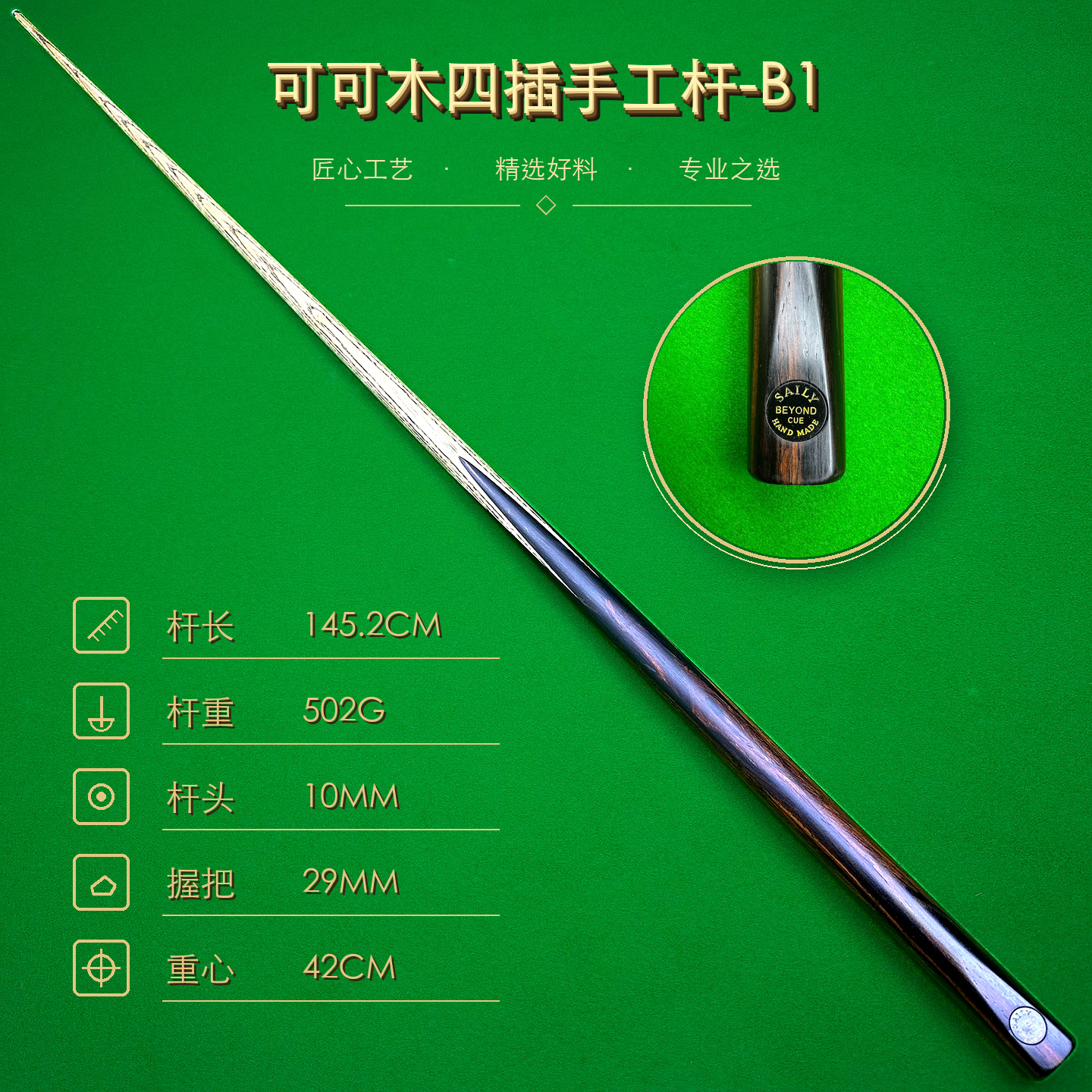
Lay out the proposed contents: playing shaft, butt, mini-butt, extension, joint protectors, case and any other included piece. Count them before wrapping. If the cue is being sold, copy the same item list into the order record and tell the recipient what is included. A complete inventory makes a missing part easier to identify than a vague claim that “the set” was shipped.
2. Prepare and protect every cue section
Wash and dry your hands. Remove only loose dust with a clean, dry, non-abrasive cloth; do not sand, oil, polish or reshape the cue to make it look ready for dispatch. Place clean joint protectors on exposed joint threads or faces when they fit normally. Never force a protector, over-tighten a joint or use adhesive on a component.
Protect the tip and ferrule from pressure and rubbing. A soft sleeve or clean wrap can keep surfaces apart, but it should not be pulled tightly over the tip or leave tape touching finish, leather or wood. Separate each section so metal fittings, an extension or another butt cannot strike the shaft. The snooker cue case guide can help match the cue format to a case with appropriate length and section space.
For a jointed cue, do not assume that assembled is safer. The correct arrangement depends on the cue, the rigid inner container and how the sections can be supported. Whichever arrangement you use, the shaft, butt and fittings must not bend against a wall or knock together when the container is moved.
3. Build a supported rigid inner container
Use a rigid cue case or a purpose-suitable inner tube that is long enough for the longest section. A fabric sleeve alone is not a shipping container. The cue should sit in channels, sleeves or padded supports that keep delicate ends away from hard walls. Cushion the tip end, butt end and any gap around a joint without pressing directly on the tip or ferrule.
Fill voids with clean, non-abrasive material so each section stays in place. Test the closed inner container with a gentle lift and turn: listen for rattling, then open it and correct any sliding or contact you find. Do not pack so tightly that the shaft is bowed, the finish is compressed or the case cannot close normally. Put small accessories in a separate labelled pouch rather than allowing them to travel loose beside the cue.
Before closing, photograph the supported arrangement and check the inventory again. This image records how the cue was protected and helps the recipient understand how to unpack it without cutting into a section.
4. Add and close the outer shipping carton
Choose an outer carton that leaves room for cushioning on all sides, including both ends. Place the rigid inner container centrally and stop it touching the carton walls. Add cushioning around it in layers, keeping the pressure even and avoiding a hard point at the tip, ferrule or joint. The carton should close with its normal flaps; forcing an undersized box can transfer impact directly to the cue.
Close the carton with suitable packing tape across every opening and reinforce seams as appropriate for the carton. Do not claim that a particular tape, carrier, carton grade or label guarantees safe transport. Carrier instructions, size limits and insurance terms vary by destination and service; check the current instructions for the selected service and describe the contents accurately.
Write or attach an internal contents note with the cue reference and included items, while keeping private customer information out of public photographs. Weigh and measure the sealed parcel if the order or carrier requires those details. The online cue buying checklist covers the order information worth confirming before handover.
5. Preserve dispatch evidence
Before the parcel leaves, photograph the sealed carton from every side, the label, the tracking reference and the final weight or measurement record when available. Keep original files with the cue reference and date. Protect addresses and phone numbers before sending photographs to a public listing or third party.
Save the packing inventory, order messages, handover receipt and tracking update together. Tell the recipient to photograph the parcel before opening and to retain the carton and inner supports until the cue is inspected. The post-delivery inspection guide gives a step-by-step arrival record. Clear evidence supports a conversation about what was sent and what arrived, but it does not prove the cause of every mark or guarantee a carrier outcome.
Snooker cue shipping FAQ
Should I ship a snooker cue assembled or in sections?
Use the cue format and the receiving arrangement that are appropriate for that exact cue, but do not leave a jointed cue loose inside a carton. Separate sections can be wrapped and supported individually, while a joined cue must still be immobilised without pressure on the tip or joint.
Is a soft cue sleeve enough for shipping?
A soft sleeve can protect surfaces from rubbing, but it does not provide a rigid container or stop bending and impact. Put the sleeved cue in a suitable rigid case or inner container, fill empty space, then place that protected unit in an outer carton.
How much packing material should be used?
Use enough clean, non-abrasive material to stop movement without crushing the cue, tip, ferrule or finish. There is no universal amount: check by gently moving the closed inner container and add support wherever a section can slide, rattle or touch a wall.
What evidence should I keep after handing over the parcel?
Keep dated photographs of the exact cue, included parts, packaging layers, sealed carton, label and any handover receipt or tracking record. Save the original files and the final listing or order reference, while protecting private address details before sharing images.
SAILY CUE COLLECTION
Choose the right cue and case before dispatch
Compare real cue photographs, measurements and available formats before preparing an international shipment.