
SNOOKER CUE CARE · VEHICLE STORAGE
Can You Leave a Snooker Cue in a Car? A Practical Storage Guide
Treat a vehicle as transport, not as the cue's regular storage room.
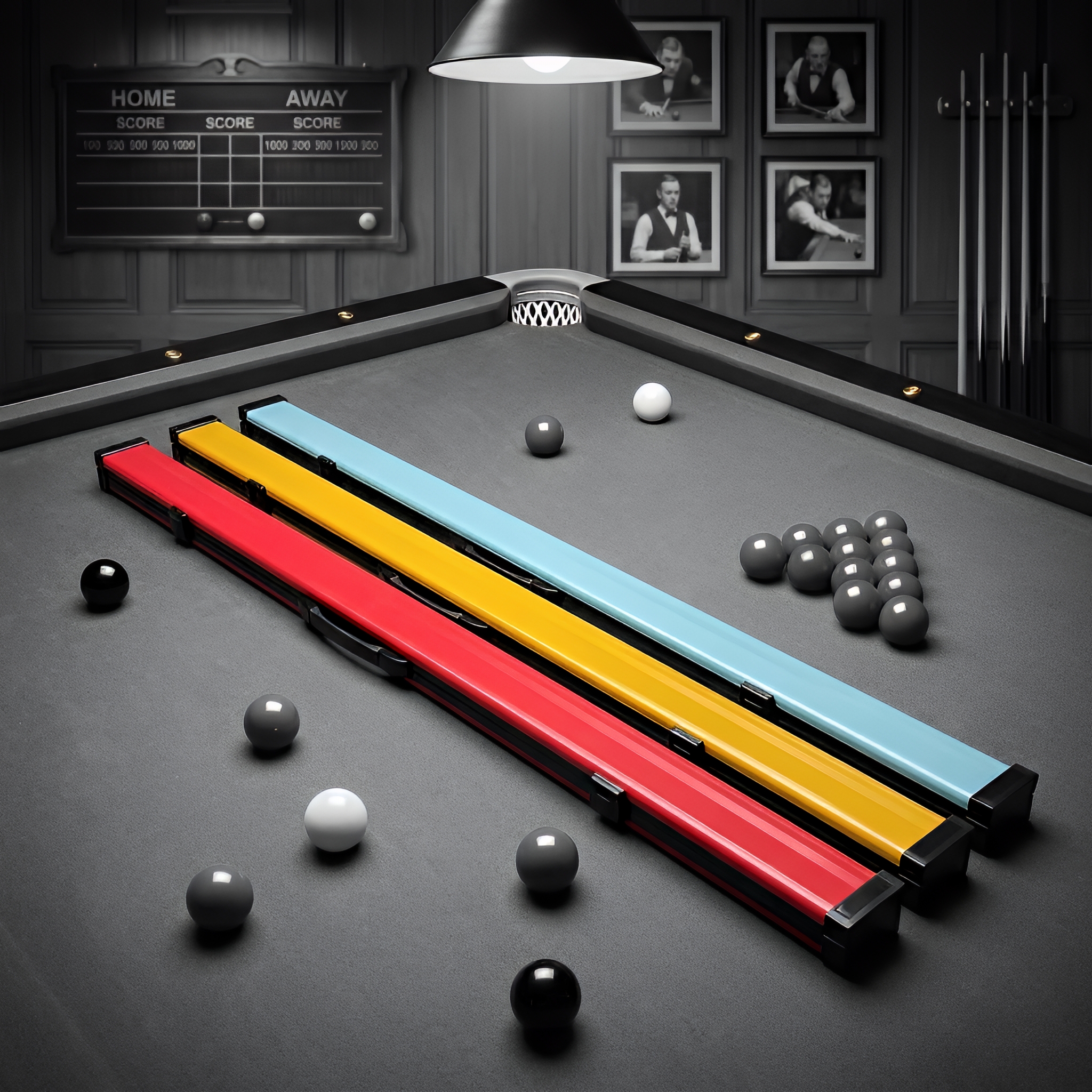
Short answer: do not use a car or boot as routine snooker cue storage. Vehicles can experience changing heat, cold and moisture conditions, while a cue case mainly protects against impact, dirt and movement. Carry the cue for the journey, remove it when practical, store it supported in a dry indoor place and inspect it before play if it has been left in unusual conditions.
A car is useful for transport, not regular storage
A cue sometimes has to travel by car. That is different from leaving it there through a workday, overnight or between practice sessions. The longer the cue remains in a parked vehicle, the less control you have over sunlight, temperature changes, damp equipment, leaks and the way other luggage presses against the case.
No single number of minutes or degrees can guarantee damage or safety. Vehicle, weather, parking position, case design, cue materials and the cue's existing condition all vary. A practical care rule is simpler: keep unnecessary vehicle exposure short, then return the cue to the stable indoor location used for normal storage.
The broader snooker cue storage and care checklist covers support, dryness, gentle cleaning and routine inspection without inventing a universal climate setting.
Why the inside of a vehicle is a poor cue cupboard
A parked car is not maintained like an occupied room. Direct sun, cold nights, wet coats, a damp boot or rapid changes between outdoor and indoor conditions can affect the environment around the cue. Even when the cue looks normal, the case lining may hold moisture or grit that should not remain sealed beside the shaft, joint, ferrule or finish.
Storage position matters too. A case under shopping, tools or other luggage may be bent or struck. An assembled cue left leaning in a vehicle has little protection from movement. Separate a jointed cue by its normal method, support each section in the intended channel and keep the case away from loose hard objects or liquids.
A cue case helps, but it is not climate control
A suitable case can keep cue sections separated, reduce knocks and limit contact with dust. A rigid shell may provide more crush resistance than an unstructured sleeve. Neither design can promise that the cue will remain unaffected by prolonged heat, cold, moisture or repeated environmental changes.
Check the internal fit before relying on any case. The longest section should rest in its intended support without pressure at the tip, joint or butt end, and the case should close normally. Read the snooker cue-case selection guide before comparing the current Cue Cases & Bags category.
Do not add wet towels, uncovered chalk, drinks, oils or unknown cleaners to the cue compartment. A closed case can hide a spill or damp lining until the next session.
Use a simple routine when car travel is necessary
- Inspect before packing.Note the cue's straightness, joint fit, tip, ferrule and visible finish so you have a genuine baseline.
- Pack every section in its support.Keep chalk, tools and hard personal items in separate closed compartments.
- Secure the case.Place it where it cannot slide, bend, be crushed by luggage or receive direct contact from loose objects.
- Remove it after the journey.Take the case into a stable, dry indoor setting when practical instead of making the vehicle its storage place.
- Confirm destination rules.For flights or other carriers, use the separate snooker cue travel checklist and check the current operator's terms.
If circumstances force a delay, reduce it rather than assuming that a case makes every condition safe. Do not hide the cue in a dangerous or unauthorised location merely to follow a care routine.
What to check after unusual heat, cold or moisture
Bring the case to a stable indoor place and avoid forcing any component. Look for a damp lining, condensation, odour, softened adhesive, a raised finish, new gaps, joint resistance, ferrule movement or an obvious change from the saved photographs. Let any damp case dry fully away from the cue before long-term storage.
When the cue and case are dry and comfortable to handle, assemble only by the normal hand method. Stop if a joint resists, crosses, remains loose or no longer closes to its usual position. Do not use heat, weights, clamps or improvised bending to straighten a cue.
Use the cue straightness inspection guide for a non-destructive check. Visible change, a damaged joint or uncertainty about safe play belongs with an experienced cue technician, not a home correction experiment.
Build a repeatable indoor storage habit
Choose one clean, dry indoor location away from direct sunlight, heaters, damp walls, leaks and places where the case can be knocked or buried. Support the case according to its design and do not balance an assembled cue against a wall. After play, remove damp cloths and loose chalk before closing it for storage.
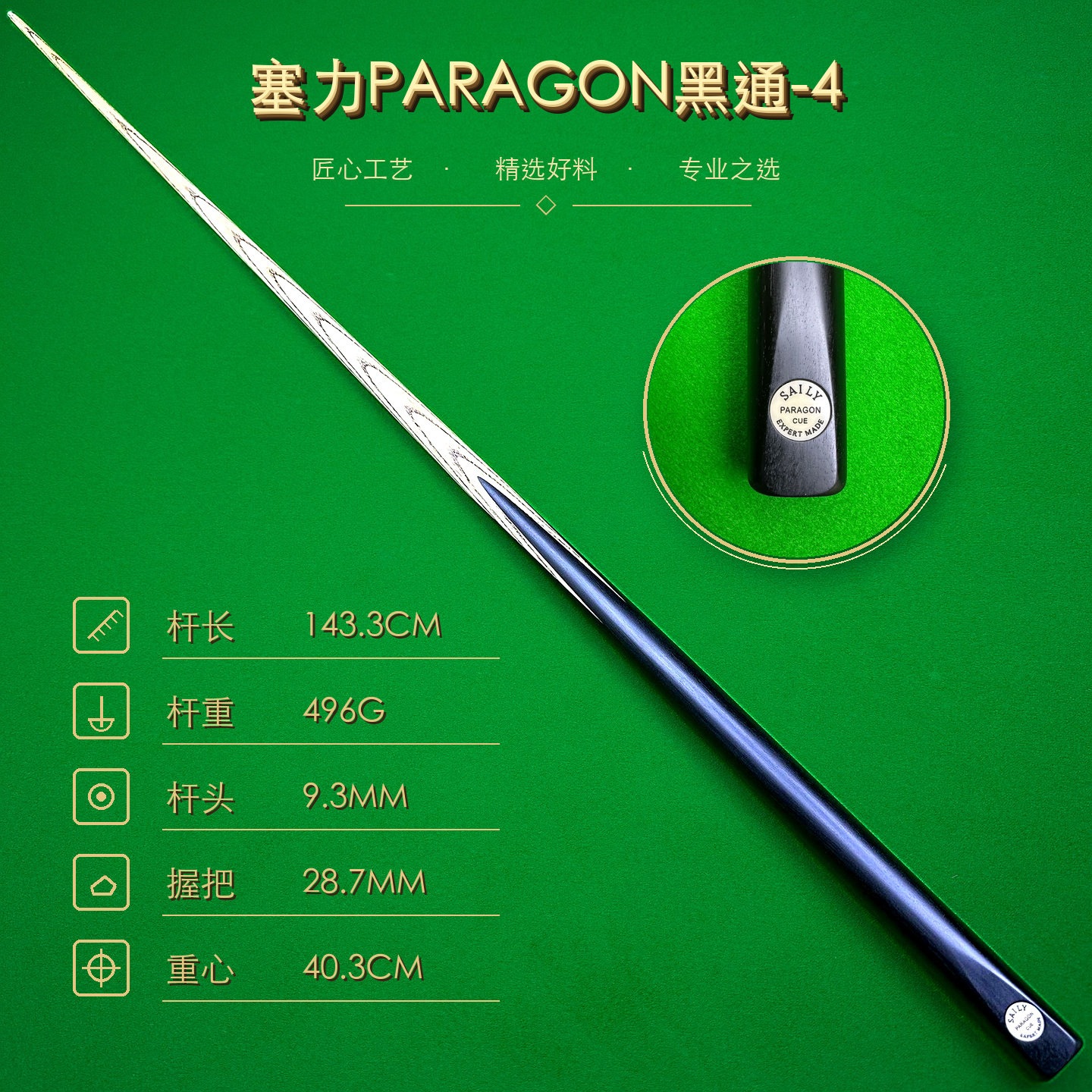
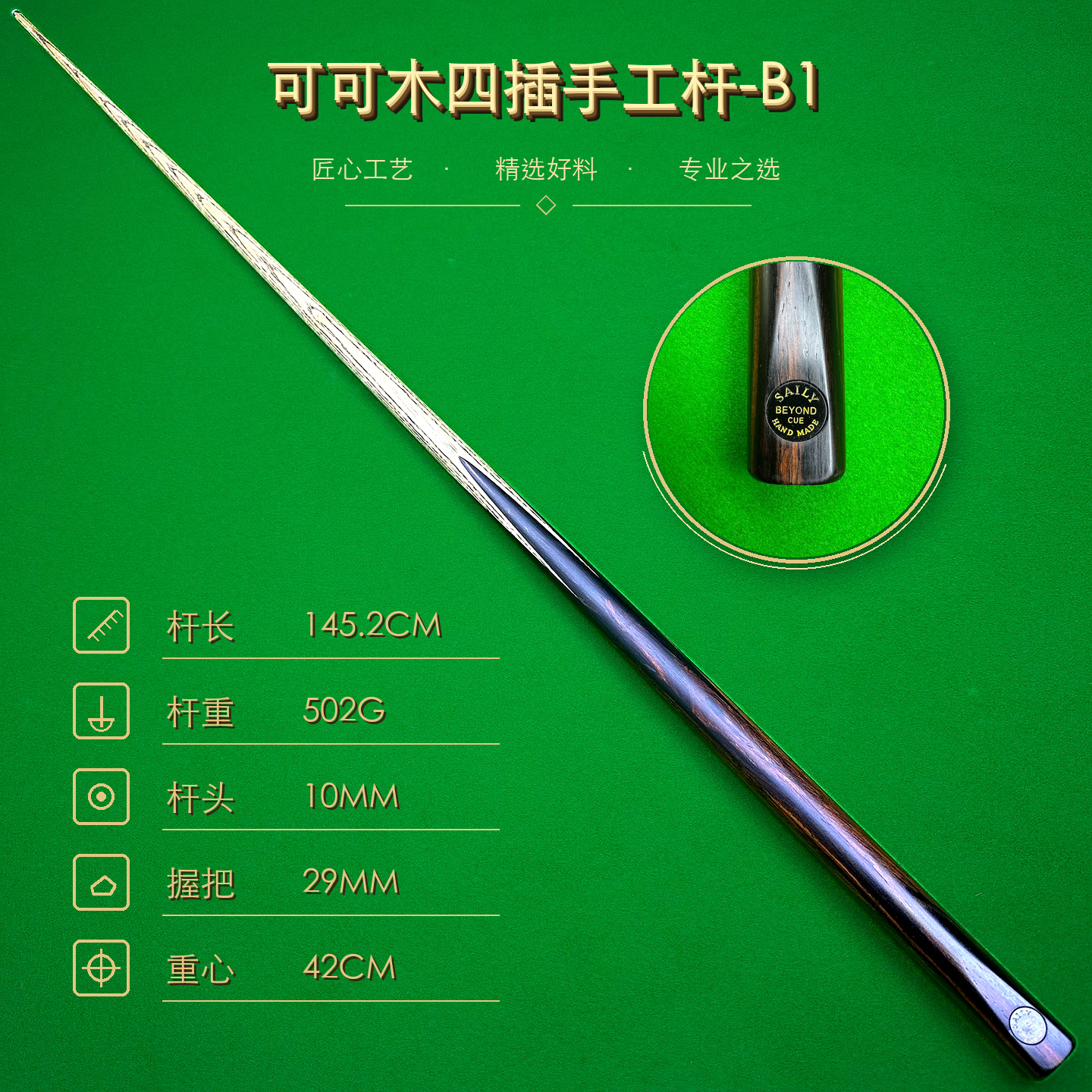
Keep the product measurements and real photographs with your records. The SAILY CUE English cue catalogue shows individual cues with actual specifications and images, which is more useful for future comparison than a generic memory of how the cue looked.
The goal is not to create fear about one car journey. It is to avoid turning an uncontrolled transport space into a permanent cupboard, and to notice a genuine change before playing or attempting maintenance.
Snooker cue car-storage FAQ
Can I leave a snooker cue in a car overnight?
It is better to bring the cue into a stable, dry indoor space. A vehicle can change temperature and moisture conditions quickly, and a closed case is not a climate-controlled cabinet.
Does a hard cue case make car storage safe?
A suitable hard case can reduce knocks and movement, but it does not guarantee protection from heat, cold, moisture or repeated environmental changes.
What should I do if my cue was left in a hot or cold car?
Move the closed case to a stable indoor place, avoid immediate play or forced adjustment, and inspect the cue, joint, tip, ferrule and case for moisture, movement or visible change before use.
Can one trip in a car warp a cue?
No article can predict the result of one exposure. Duration, conditions, cue construction, case and prior condition all matter, so the practical approach is to minimise unnecessary exposure and inspect the exact cue afterward.
CUE STORAGE
Choose the case around the exact cue
Compare real cue records and case formats, then confirm the internal fit and storage routine for the item you own.