
SNOOKER CUE CARE · MOISTURE RESPONSE
What to Do If Your Snooker Cue Gets Wet
Stop play, separate the cue from the moisture, preserve the evidence and avoid heat or products until the exact cue can be assessed.
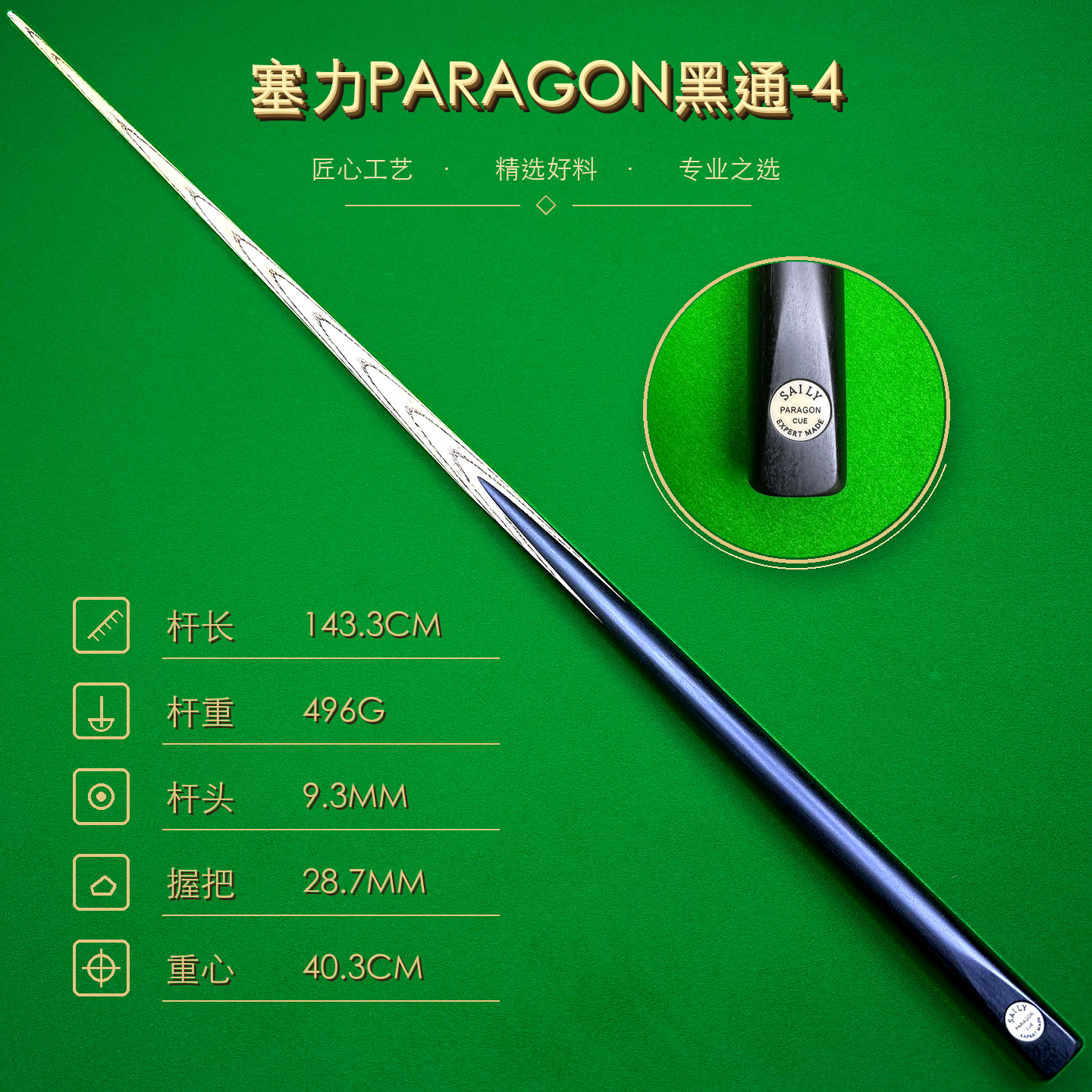
Short answer: stop playing and move the cue away from the spill, damp cloth or wet case. Separate the sections and lay them on a clean, dry, supported surface. Blot free surface moisture gently with a clean soft cloth, then photograph the exact cue, its tip, ferrule, shaft, joint, butt, finish and wrap before changing anything. Do not use a hair dryer, radiator, direct sun, solvent, oil, wax, polish, abrasive or forced disassembly. If water may have entered a joint, finish, wrap or damaged area—or if the cue was soaked—keep it out of play and ask the maker or an experienced cue technician to inspect it.
Stop the event and support the cue
Remove the cue from the spill or rain without shaking it. If it is assembled, separate it only in the normal way and only if the joint is moving freely; do not force a tight or gritty connection. Place each section on a clean, dry, padded surface where it cannot roll, bend, be stepped on or touch the wet case or cloth.
Use a clean soft dry cloth to blot visible droplets. Lift the cloth away rather than rubbing across the surface. Do not scrape, spin, flex, press or polish the cue to make the moisture disappear. If grit, chalk or a drink was involved, keep the residue visible in the photographs instead of spreading it along the shaft or finish.
Write down what happened while the details are fresh: rain, a drink, a puddle, a damp table, a leaking case or another source; which section was exposed; and whether the cue was wet for a moment or longer. Do not turn that description into a claim about the cue’s construction or the depth of moisture.
Separate the cue from the case, cloth and accessories
A wet cue and a wet cue case are different problems. Check the lining, pockets and supports before placing the cue back inside. The wet cue-case response guide covers the empty case; it does not prove that the cue is dry or safe to play.
Remove damp chalk, towels, extensions and joint protectors from the cue’s immediate area. Keep joint faces away from loose grit. If the spill came from a cloth or table, move the cue to a clean surface rather than trying to dry it where the original contamination remains.
Inspect every section without changing the evidence
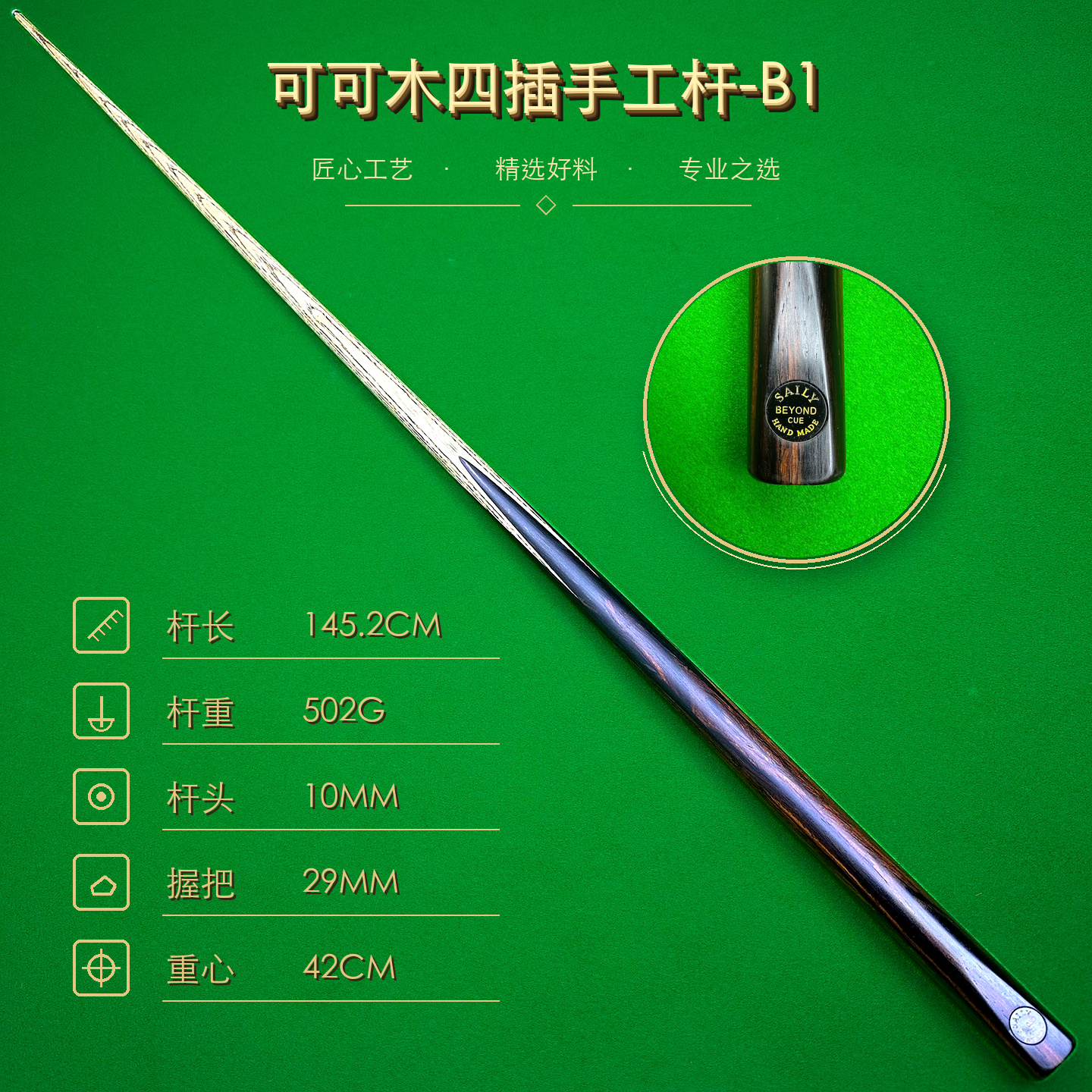
Use diffuse light and the same calm process for the tip, ferrule, shaft, joint, butt, wrap and decorative boundaries. Look for droplets, darkened patches, swelling, lifted finish, raised fibres, staining, a changed smell, movement, a new gap or an unusual sound. Record only what you can see or hear; do not diagnose a hidden cause from appearance alone.
- Identify the exact cue.Keep the listing, product code or individual reference, current photographs and configuration together.
- Record the affected parts.Note which section was wet and whether the tip, ferrule, joint, wrap or finish was involved.
- Compare before and after.Use earlier photos or service notes if available, without assuming that a changed reflection proves structural damage.
- Stop when a change appears.Keep the cue out of play for movement, swelling, cracking, a loose joint, altered tip condition or trapped moisture.
The post-delivery inspection checklist shows how to keep a non-destructive record from tip to butt. For a visible finish question, use the snooker cue finish guide as an evidence checklist, not permission to refinish.
Classify a splash, a soak and an unknown ingress
A small surface splash
A few visible drops on an intact, known surface still deserve a note and a gentle blot. Keep the cue supported and follow the maker’s care instructions. Do not add a treatment simply because the surface looks dull or different while wet.
Soaking or trapped moisture
Longer exposure, water inside a joint or ferrule area, a damp wrap, swelling, staining, persistent odour or moisture under a finish changes the risk. Do not guess a drying time or seal the cue in a case. Ask for an in-person assessment.
Moisture after an impact
If the cue was dropped, struck or crushed at the same time, treat the impact as a separate event. A new rattle, gap, movement or hard joint is not a normal drying question. The joint inspection guide can help you describe visible symptoms, but a technician must decide what the physical cue needs.
Do not improvise heat, chemicals or repairs
Keep the cue away from hair dryers, radiators, heated floors, ovens, direct sun and concentrated heat. Different surfaces and parts can respond differently, and a quick outside change does not prove that an inner area is dry.
Do not use alcohol, solvent, household cleaner, furniture polish, oil, wax, abrasive paper, steam or a sealed bag as an experiment. Do not sand, strip, re-glue, remove a ferrule, tighten a joint with tools or force a stuck connection. These actions can hide the original evidence, change dimensions or create a second problem.
Send the photographs and incident notes to the maker, seller or an experienced cue technician. Ask what must be inspected in person, whether the cue should remain out of play and what care instructions apply to this exact surface and configuration. A professional may advise monitoring, a limited service or no action; a generic internet recipe cannot choose that answer.
Return to ordinary storage only after the check
Do not put the cue back in a case because the outside feels dry. Confirm that the case is dry and still supports the exact sections, and keep the cue separate if the lining, padding or hardware remains damp. The snooker cue storage and care guide provides a conservative baseline for clean, dry, supported storage.
When the maker or technician clears the cue for use, keep the incident record with the cue’s photographs and service note. Recheck the tip, ferrule, shaft, joint and butt during normal condition checks. The shaft-care guide explains why a clean, dry cloth is a safer starting point than an unknown liquid.
If you are comparing a replacement or another exact cue, use the SAILY CUE English collection for real photographs, individual references and measured listing details. Do not use a clean-looking surface after a moisture event as proof of value, originality, straightness or playing performance.
Wet snooker cue FAQ
What should I do first if my snooker cue gets wet?
Stop play, move the cue away from the spill and wet case, and place each section on a clean, dry, fully supported surface. Blot visible moisture gently with a clean soft cloth, photograph the condition and keep the cue out of play until its condition is understood.
Can I dry a wet snooker cue with a hair dryer or radiator?
Do not use a hair dryer, radiator, heated floor, direct sun or another concentrated heat source. Heat can affect an unknown finish, wrap, adhesive, joint, ferrule or other part unevenly. Follow the maker’s instructions and ask a maker or experienced cue technician for cue-specific advice.
Is a small splash different from a soaked snooker cue?
Yes, but a photograph cannot prove how far moisture travelled. A few visible surface drops with no changed condition still deserve documentation and a gentle blot. Soaking, trapped moisture, swelling, staining, movement, a changed joint or any uncertainty should be treated as a reason to stop play and seek an in-person assessment.
Can I oil, wax or polish a cue after it gets wet?
Do not add oil, wax, polish, solvent, household cleaner or abrasive as an experiment. These products may hide evidence or react with an unknown surface. Keep the cue clean, dry and supported while you follow the maker’s care guidance or obtain professional advice.
EXACT CUE RECORDS
Protect the cue before you protect the finish
Keep the wet-cue incident documented, supported and separate from quick cosmetic fixes.