
SNOOKER CUE BUYING · FINISH CONDITION
How to Inspect a Snooker Cue Finish Before You Buy
Use current, consistent photographs to separate ordinary surface evidence from damage, repair or an unanswered question before you order a particular cue.
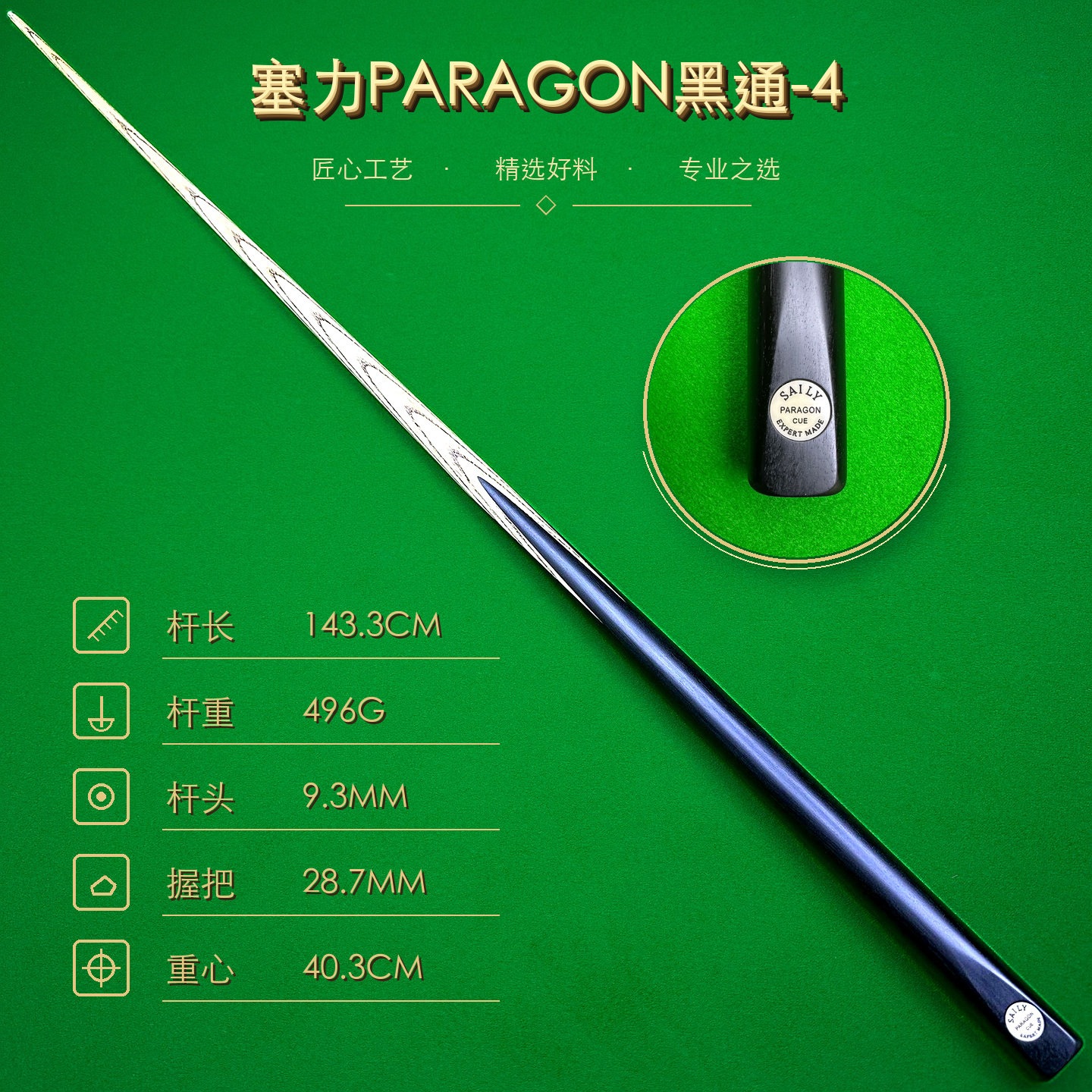
Short answer: confirm that every photograph shows the exact cue and ask for overlapping full-length and close views in diffuse light. Compare colour, sheen, scratches, cloudy patches, cracks, lifted edges, gaps and previous repairs across more than one angle. Keep finish condition separate from straightness, measurements, wood identity and playing quality, and get any important uncertainty described in writing before you buy.
Confirm the exact cue before judging its finish
A polished catalogue image can show the general design of a series, but it cannot establish the condition of the individual cue you will receive. Match the current photographs to the listing reference, visible markings, splice or inlay pattern, joint type and any seller-applied identification. If the seller has several similar cues, ask them to include the exact reference beside the cue in one new photograph.
Save the listing and original image files before ordering. Screenshots are useful for context, but the original files may preserve more detail. A simple evidence folder containing the listing date, seller description and images gives both parties a common record if the delivered cue looks different.
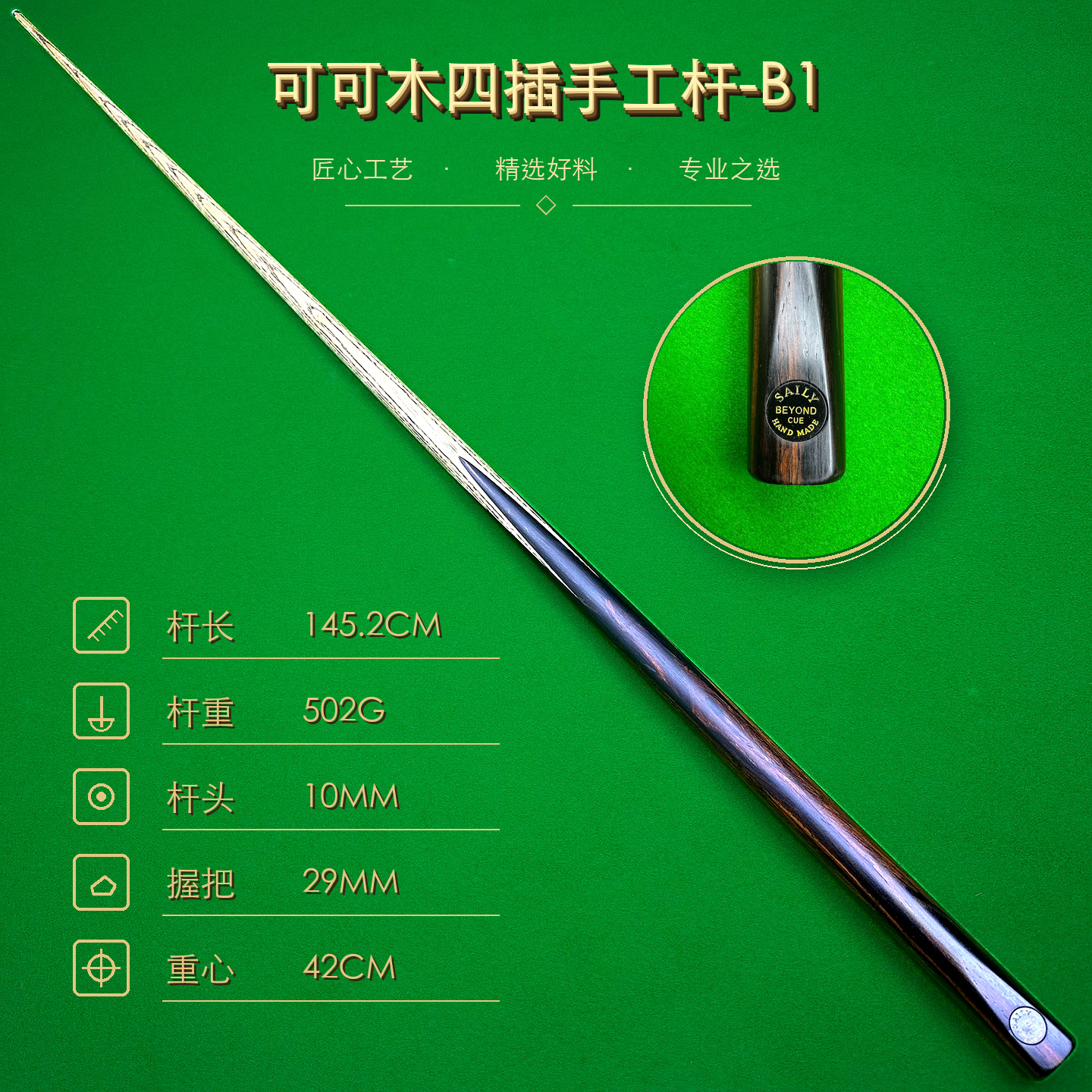
SAILY CUE publishes real product photographs and individual references in the English cue catalogue. The same principle applies anywhere: identify one physical cue before drawing conclusions from its appearance.
Ask for photographs that reveal rather than flatter
Request one complete-cue view and a sequence of overlapping close photographs from joint to butt end. Diffuse daylight or a large soft light usually makes colour and broad surface changes easier to compare. Add one or two angled-light views so reflections travel across the finish and reveal local scratches, ripples or cloudy areas.
A single hard flash can make a cue look brilliantly glossy while hiding detail elsewhere. Heavy shadows, filters, sharpening and compressed messaging-app previews can also change the evidence. Ask for a second angle when one reflection covers the exact area you need to inspect; do not treat the reflection itself as damage.
The snooker cue listing photography guide gives sellers a practical evidence sequence. Buyers can use the same sequence as a request list instead of asking only for “more photos.”
Inspect the finish area by area
Butt and decorative boundaries
Follow the butt slowly rather than judging the whole surface at once. Look around splice points, inlay edges, rings, wrap boundaries and changes in material. Ask whether a visible line is part of the documented construction, a reflection, a surface scratch, a gap or a previous repair. Photographs alone may not settle that question, so precise seller wording matters.
Joint collar and end area
Check the finish beside the joint and any butt-end or extension fitting. Look for chips, lifted edges, unexplained gaps or marks that continue across two materials. Do not infer joint fit from a glossy collar; assembly, resistance and visible gaps require their own check.
Colour, sheen and local marks
Compare neighbouring photographs for sudden colour shifts, dull or cloudy patches, scratches, dents, bubbles, peeling or exposed material. A difference can come from light direction or camera processing, so ask for a neutral repeat rather than diagnosing the cause from one image. If the seller calls a mark “only residue,” ask for a current photograph after a safe dry wipe, not after aggressive polishing.
Keep finish condition separate from other buying questions
A clean, even-looking surface does not prove that a cue is straight, correctly measured or free from internal problems. A visible scratch also does not prove that the cue plays badly. Finish photographs answer a narrow question about observable external condition.
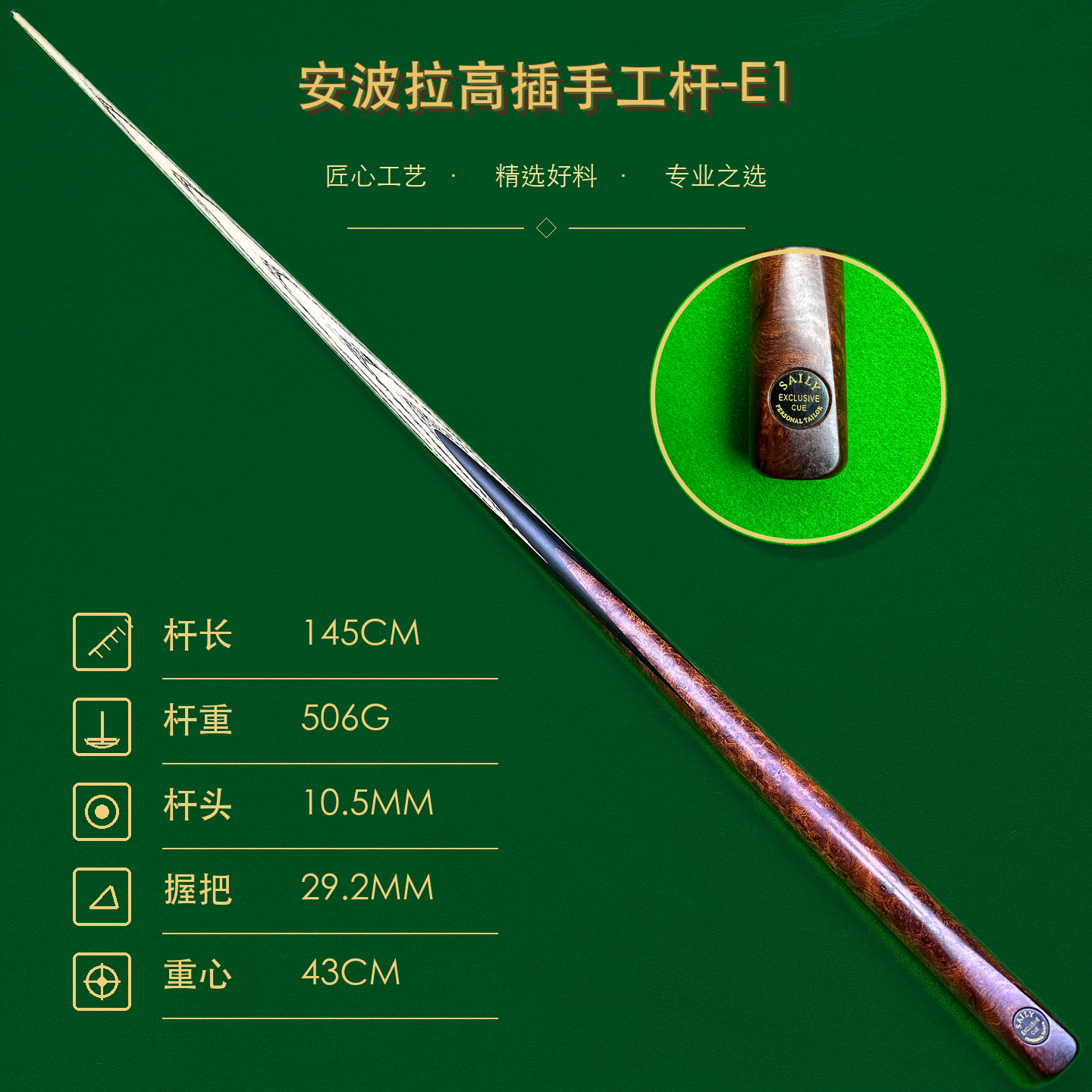
Use a separate straightness check for the complete cue and its sections. Verify length, weight, tip size, butt diameter and balance using the seller’s stated configuration and measurement method. Read material and construction names as listing information, not automatic evidence of authenticity, rarity, quality or accuracy.
For a previously owned cue, combine finish evidence with the broader used snooker cue buying checklist: current ownership evidence, component condition, included items, written terms, price and delivery arrangements still matter.
Turn an uncertain mark into a clear seller question
Circle or describe the exact location: for example, “the dull patch on the forearm side, 4 cm above the butt-end ring.” Ask whether the mark can be felt, catches a clean cloth, transfers colour, moves under changing light or follows a crack or edge. Ask whether that area has been cleaned, polished, refinished or repaired.
Keep the answer in writing and confirm whether the current price and return terms reflect the disclosed condition. Do not ask the seller to hide a mark with oil, wax or polish before photographing it. A temporary shine can reduce the quality of the evidence without resolving the underlying question.
If the seller cannot identify the finish or previous work, treat that uncertainty as part of the buying decision. An experienced cue technician may be able to inspect the cue in person, but no remote checklist can guarantee condition or performance.
Repeat the finish check before first play
Photograph the unopened package and the cue as it is removed. Under clean diffuse light, compare the exact areas recorded before purchase. If something differs, stop before chalking, playing, cleaning or attempting a repair; preserve the packaging and contact the seller under the agreed terms.
For ordinary loose surface dust, begin only with the least aggressive cue-specific method. The cue-butt cleaning guide starts with exact-surface identification and a clean, soft, dry cloth. It does not make water, alcohol, furniture cleaner, oil, wax, solvent or abrasive universally safe.
Cracks, lifted finish, loose decorative pieces, exposed material, unexpected colour transfer or unknown repair work are technician-level questions. The safest purchase decision is based on disclosed evidence, not a promise that every mark can be polished away.
Snooker cue finish inspection FAQ
What photos should I ask for when checking a snooker cue finish?
Ask for a full-length identification photo plus overlapping close views of the butt, splice or inlay boundaries, joint area and end. Diffuse light and one or two gentle angled-light views help show surface changes without relying on one reflection.
Does a glossy finish prove that a snooker cue is in excellent condition?
No. Strong reflections, fresh polish, editing and viewing angle can hide or exaggerate marks. Compare several current photographs and ask the seller to describe any scratches, cloudy areas, colour transfer, cracks or previous finish work in writing.
Can photographs prove that a snooker cue is straight?
No. Finish photographs document visible surface condition. Straightness needs a separate, suitable inspection of the complete cue and its sections; it should not be inferred from shine, grain or a single product image.
Should I clean or polish a mark immediately after delivery?
First photograph the cue as received and compare it with the listing. Do not use unknown cleaner, oil, wax, solvent or abrasive to test a mark. Preserve the evidence and ask the seller or an experienced cue technician before attempting finish-specific work.
REAL CUE RECORDS
Compare the exact cue, not a generic example
Review real photographs, individual references and measured specifications together before making a buying decision.