
SNOOKER CUE BUYING · USED CUES
What to Check When Buying a Used Snooker Cue
Verify the exact cue, its current condition and the transaction before price or a familiar name drives the decision.
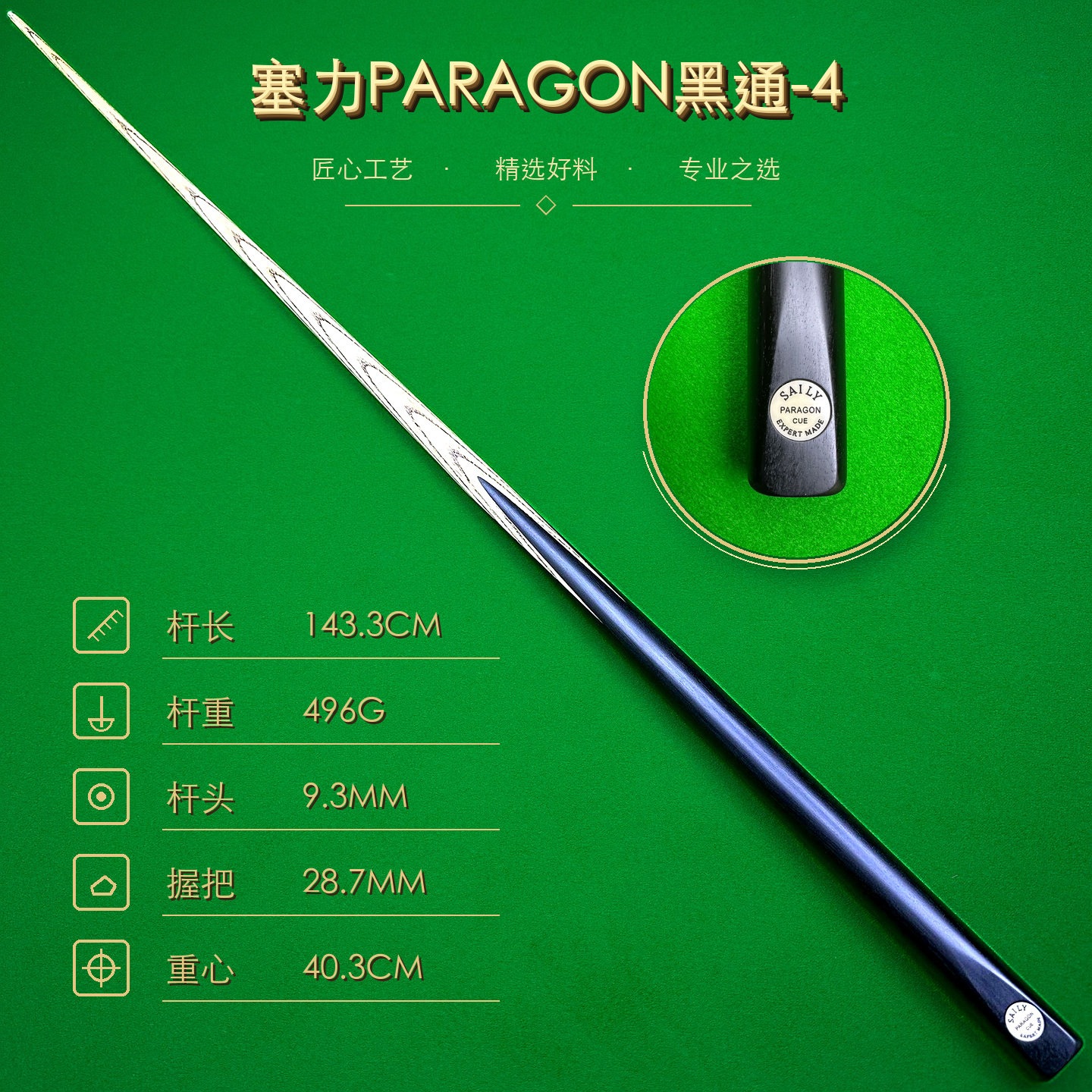
Short answer: treat a used cue as one individual object, not as a model name. Match the seller, current full-cue photographs, identifying marks, measurements, tip, ferrule, shaft, joint, butt and included items. Put uncertainty into the price decision, confirm payment, shipping and return terms in writing, and inspect before chalking or playing after delivery.
Confirm the exact cue behind the listing
Begin with an identity record: maker or stated brand, individual number or reference, construction, joint position, visible marks and the seller's current ownership evidence. A series name may group products, but it does not prove the condition, specifications, rarity or history of the cue in front of you.
Ask the seller to place a dated note or another agreed listing reference beside the cue in one current photograph. Compare that image with every full-cue and detail view. Reused catalogue pictures may describe a model, but they cannot document the exact used cue's present tip, shaft, joint, finish or included accessories.
The general online snooker cue buying checklist covers seller and order questions. For a used cue, the evidence must also show how this individual item differs from a new or stock example.
Ask for a current, complete photo set
Request clear, unfiltered photographs of the assembled cue, each separated section, the full shaft from several directions, tip face and edge, ferrule boundaries, both sides of the joint, butt end, badges or numbers, known marks and every included case or extension. Ask for closer views of any scratch, repair, finish change or area the seller mentions.
Keep the original files where practical. Heavy cropping, portrait blur and dramatic lighting can hide context. A straight-looking edge in one photograph cannot certify straightness because camera position and lens perspective matter. A table-roll video can add evidence, but the surface, taper and jointed construction also affect what is visible.
The cue-listing photography guide provides a useful shot list for buyers as well as sellers. Its purpose is documentation, not making a condition claim from one attractive image.
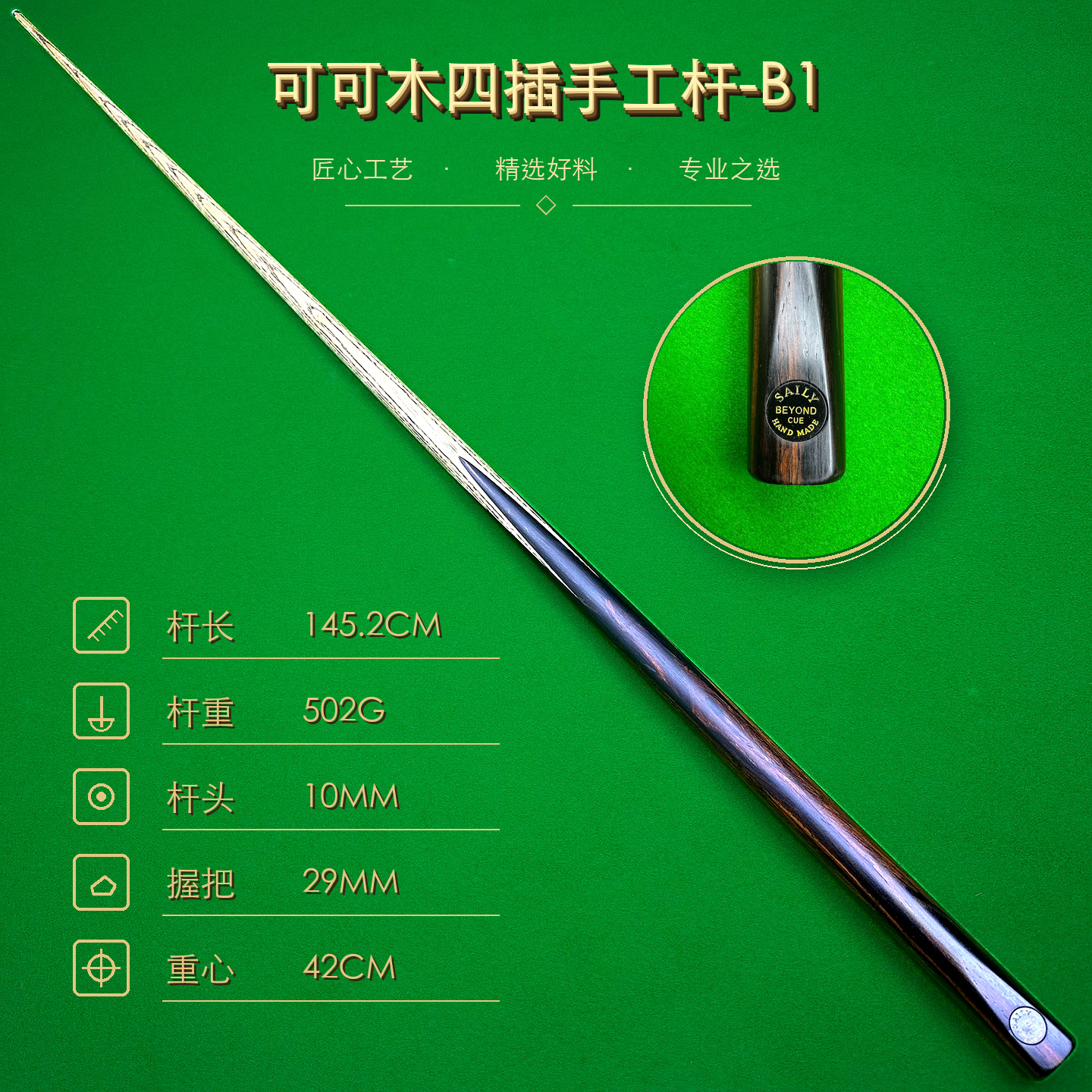
Inspect the tip, ferrule, shaft, joint and butt separately
At the tip, look for the current face, edge and tip-to-ferrule connection. A recently replaced tip is not automatically a benefit or a problem; ask what is fitted now and whether the seller has documented the work. Use the tip inspection guide to distinguish visible condition from a performance promise.
Check the ferrule surface and both boundaries for cracks, chips, gaps or movement. Review the ferrule checklist before accepting vague descriptions such as “just cosmetic.” Along the shaft and butt, compare grain and finish from several directions, and request close views of raised areas, dents, splits, repairs or decoration that looks loose.
For a jointed cue, ask for clean views of both connection surfaces and the normally assembled gap. Abnormal resistance, looseness, cross-engagement or damage should not be hidden by tape, oil or forced assembly. The joint inspection guide lists practical stop conditions without claiming that a photo can replace an experienced cue technician.
Compare measurements made on one complete configuration
Record total assembled length, weight, tip diameter, butt diameter and balance point only when the seller states how and where each value was measured. Confirm whether extensions, protectors or another butt section were included during measurement. Convert units carefully instead of comparing rounded inches with precise millimetres as if they were identical.
Numbers describe fit and configuration; they do not prove quality, accuracy or value. The snooker cue specifications guide explains how to read those fields together. Ask whether the photographed cue is still in the same configuration as the measurement record, especially after a tip change or accessory swap.
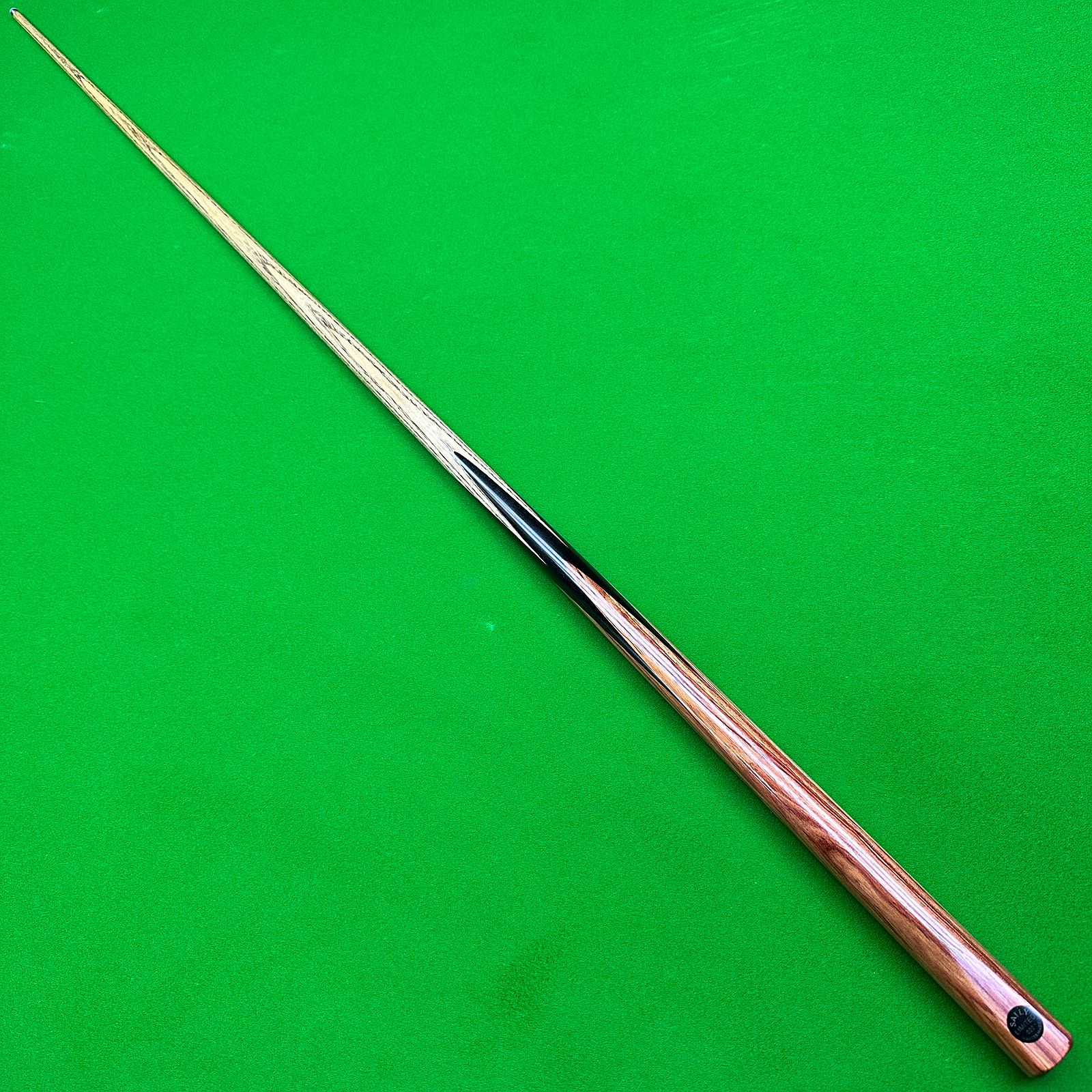
Put condition uncertainty into the transaction
Before paying, list the cue, case and every included item in writing. Confirm price and currency, payment method, packing method, shipping service, insurance or declared-value arrangement where applicable, who pays import charges, the inspection window and the return process if the received item materially differs from the description.
Do not assume that a hard case alone is adequate shipping packaging. Each section should be supported, sensitive ends protected and the case secured inside suitable outer packaging. If a potential repair or technician assessment remains uncertain, include that cost and delay in your decision rather than treating the lowest asking price as the total cost.
Walk away when identity changes between photographs, key areas are repeatedly withheld, measurements cannot be tied to the item, payment terms remove reasonable recourse or the seller pressures you to ignore a visible problem. Missing evidence is not proof of damage, but it is still uncertainty you do not have to buy.
Inspect the used cue before chalking or playing
Preserve the parcel, labels and packing sequence when it arrives. Photograph the unopened package, then each stage of unpacking. Confirm the cue identity, included items and visible condition against the saved listing before cleaning, chalking, assembling with force or attempting any repair.
Let a cue and case reach a stable, dry indoor condition after unusual transport exposure. Assemble only by the normal hand method and stop for unexpected resistance, gaps, looseness, movement or a new visible change. Follow the full after-delivery inspection checklist while the transaction evidence is still intact.
The SAILY CUE English cue catalogue demonstrates the value of individual references, real photographs and complete measurements. Whether the cue is new, archived or used, the decision should return to the exact item rather than assumptions about a material, series or previous owner.
Used snooker cue buying FAQ
What photos should I ask for when buying a used snooker cue?
Ask for current full-cue and section views plus clear images of the tip, ferrule, shaft, joint, butt, identifying marks and every included accessory. Request an image that links the cue to the current listing.
Is a table-roll video enough to prove a used cue is straight?
No. A roll video can add context, but the surface, camera angle, taper and cue construction affect what you see. Combine it with supported sighting views, current photographs and clear return terms.
Should I buy a used cue with a replaced tip?
A replaced tip is not automatically good or bad. Ask what is currently fitted, inspect the tip-to-ferrule boundary and price any uncertain work or technician assessment into your decision.
What should I do when the used cue arrives?
Preserve the packaging, confirm the cue and accessories, photograph the unopened and unpacked condition, then inspect before chalking, playing, cleaning or attempting repair.
SAILY CUE COLLECTION
Compare individual cue records
Browse real photographs, unique references and measured specifications before deciding what evidence to request from any listing.