
SNOOKER CUE CONDITION · FERRULE CHECK
How to Check a Snooker Cue Ferrule Before You Buy or Play
Inspect the visible collar below the tip in good light, record what you can actually see and avoid turning a condition check into an accidental repair.
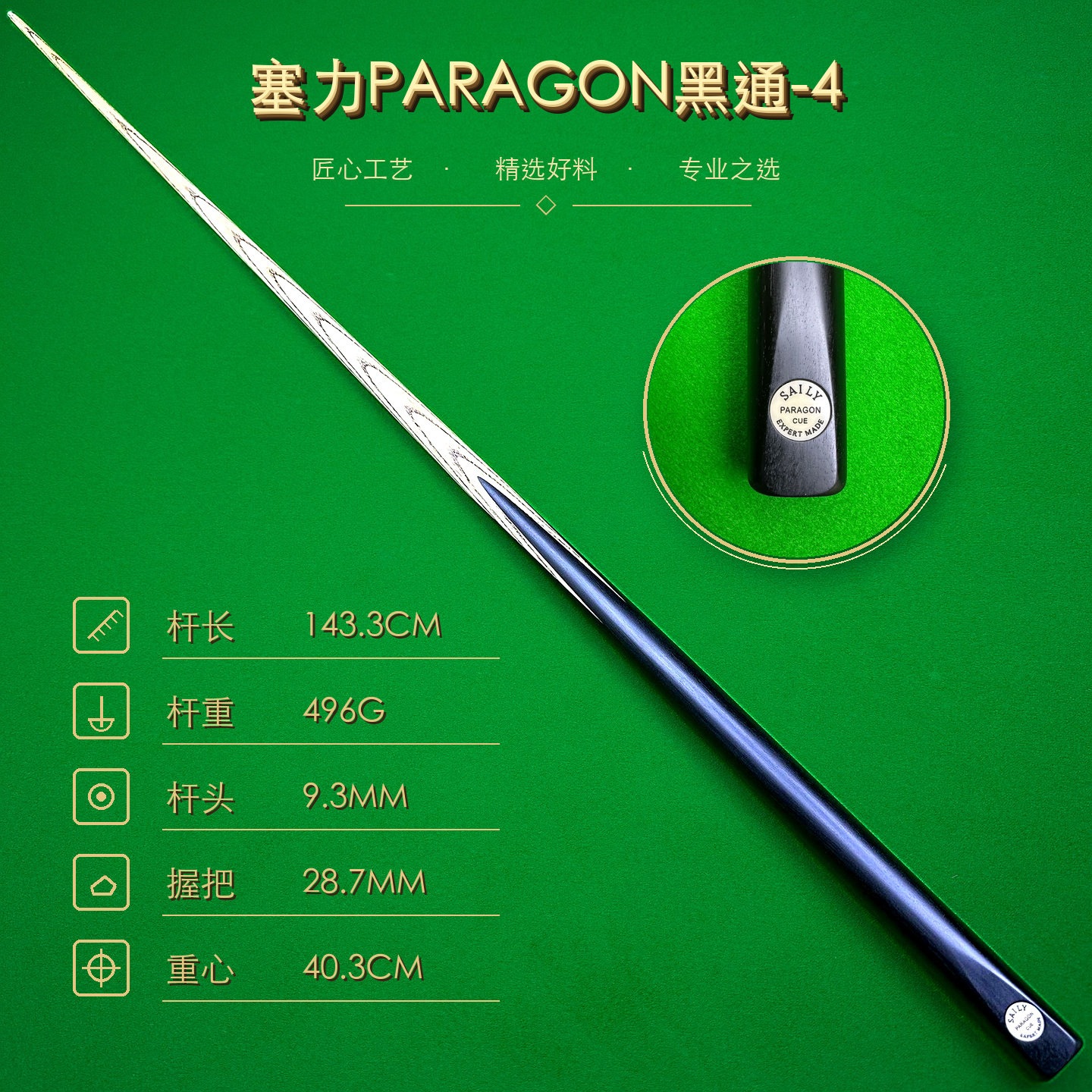
Short answer: place the cue on a clean padded support, inspect the ferrule under bright even light and turn the shaft gently to view every side. Look for open cracks, chips, unexplained gaps, a lifting tip edge, movement or a sudden change from the cue’s previous condition. Do not twist, sand, scrape or apply chemicals to test it.
First identify the part you are checking
The ferrule is the short collar between the leather tip and the wooden shaft. It is not the tip itself, and it is not the joint that connects two cue sections. Keeping those parts separate makes photographs and seller questions much more useful.
Do not name the ferrule material from colour alone. Different materials, finishes and lighting can look similar in a photograph, while some construction details are hidden. Record the maker or seller’s description as a statement about the exact cue, then keep visible condition as a separate observation.
If the concern is the leather surface or its attachment, use the snooker cue tip inspection guide. If the whole cue appears bent or uneven, use the separate cue straightness checks.
Prepare a safe, repeatable inspection
Work above a clean table or another padded surface where the cue cannot roll or fall. Remove loose chalk dust with a clean, dry, soft cloth. Use bright, diffuse light rather than a harsh reflection, and have a plain background behind the tip end. A phone camera can help you enlarge a view, but digital zoom and sharpening can also exaggerate edges.
Support the shaft close to the tip without squeezing the ferrule. Rotate the shaft slowly between your fingers so the light reaches the full circumference. Do not bend the tip end, tap it against a hard object or grip the ferrule with pliers. Inspection should not add load or remove material.
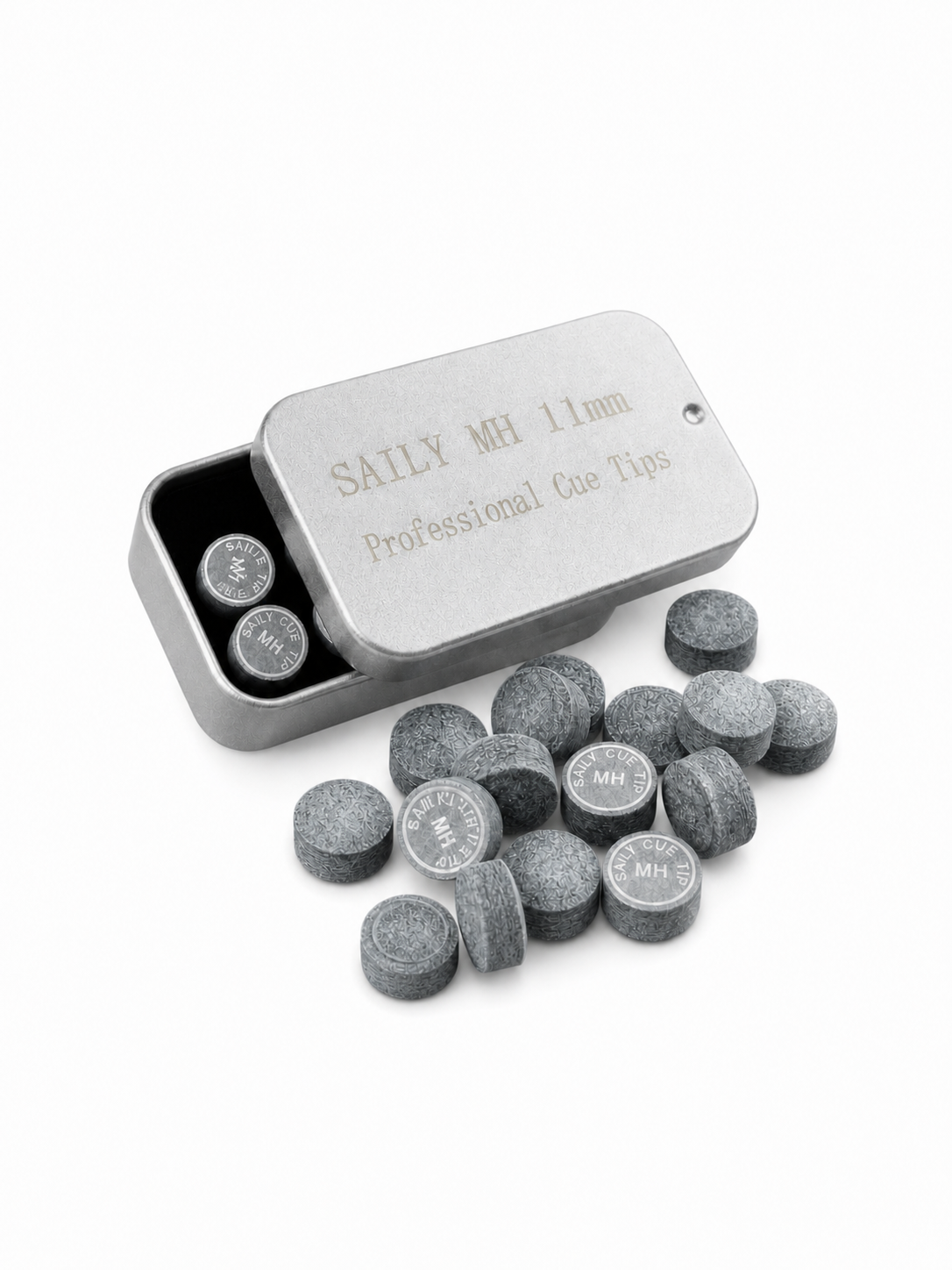
Six visible ferrule checks
- Check the tip-to-ferrule edge.Look around the full circumference for a tip edge that is lifting, an unexpected gap or glue residue that hides the boundary.
- View the ferrule surface.Look for open cracks, chips, dents or a line that continues around more than one side. Photograph any concern before cleaning further.
- Check the ferrule-to-shaft boundary.The visible meeting line should not show new separation, loose material or a step that was not previously present.
- Compare the outline while rotating.Use the same viewing distance and background. An obviously changing outline deserves closer inspection, but a photograph alone cannot measure hidden alignment.
- Look for movement without stressing the part.During ordinary handling, stop if the ferrule appears loose or produces a new click. Do not twist it deliberately as a test.
- Compare with an earlier record.A dated close photograph can show whether a mark, gap or edge has changed. Keep lighting and camera angle similar when possible.
A seam, colour change or surface line is not automatically damage. The useful question is whether the feature is open, loose, changing or associated with a visible gap. When photographs remain ambiguous, a cue professional needs to inspect the actual cue.
What to request when buying a cue online
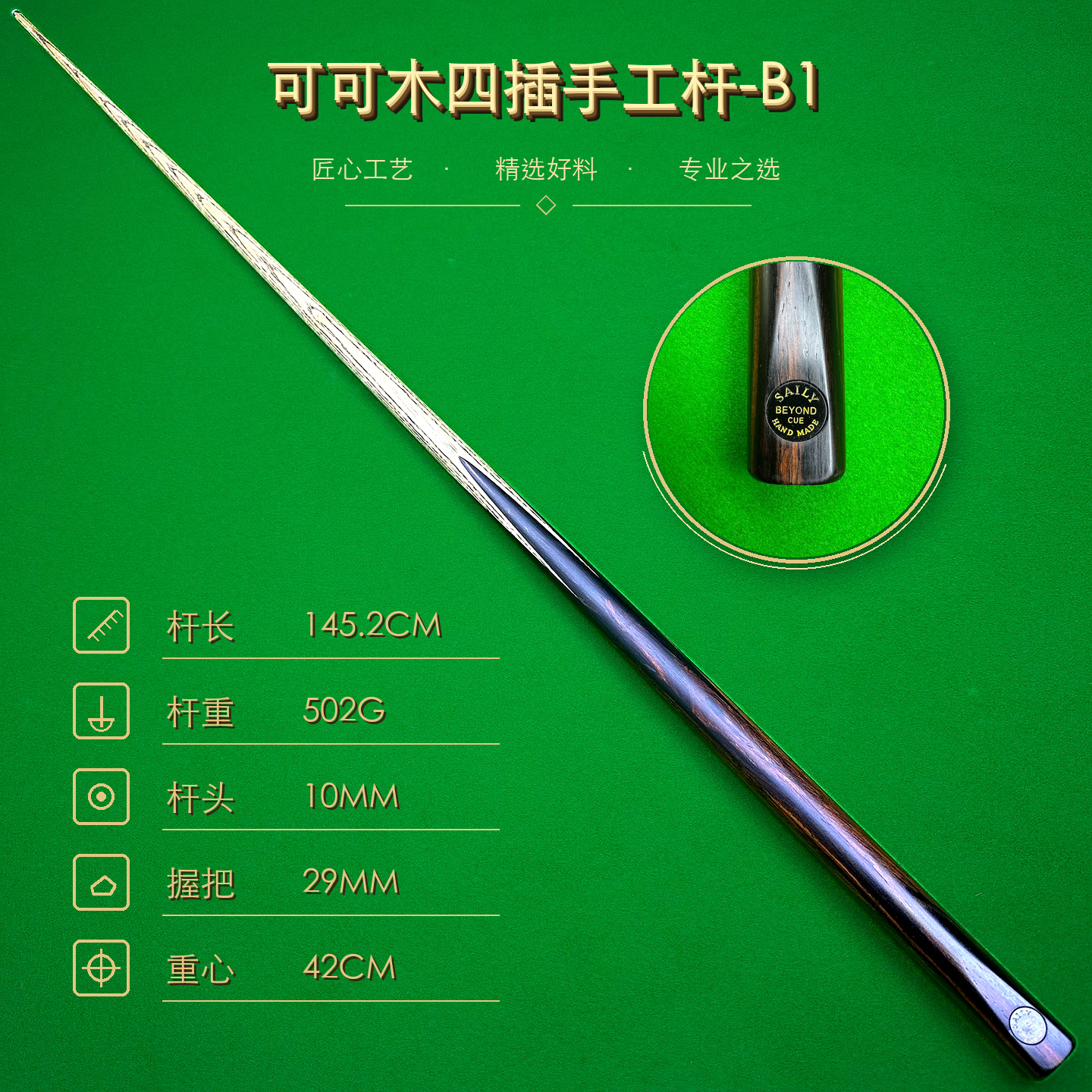
Ask for current close photographs from at least four sides, plus a straight view of the tip face and a full-length photograph of the exact cue. The cue reference or another consistent identifier should connect those images to the item being sold. A generic series photograph cannot confirm the condition of one ferrule.
Ask whether the ferrule has any crack, chip, movement, gap, repair or replacement history. Also ask whether the tip edge is fully attached and whether the photographs show the cue’s present condition. Keep those answers with the return terms and shipping arrangement; they are seller evidence, not an independent guarantee.
The online cue-buying checklist covers identity, measurements, included items and order terms. Browse the SAILY CUE catalogue to compare real cue photographs and the documented specifications available for each item.
Check again before normal play
After visual inspection, make a few gentle practice cueing movements away from balls and people. Stop if there is new movement, an unfamiliar click, a visible opening line or a tip edge that continues to lift. Do not use hard shots as a stress test. A suspected loose or cracked ferrule should be assessed before more impacts are added.
Keep the conclusion narrow. A clean-looking ferrule cannot prove that the cue is straight, that the tip contact will be correct or that the cue will suit a player. Tip condition, shaft condition, joint fit, length, weight, balance and the complete playing configuration still require their own evidence.
Conservative care and when to seek repair
For routine inspection, remove only loose surface dust with a clean dry cloth. Do not use bleach, acetone, household solvent, abrasive paper, a blade or metal polish. Do not add glue to an uncertain gap. These actions can change the evidence, damage adjacent materials or make a professional repair more difficult.
Protect the tip end inside a suitable cue case and keep it away from keys, tools and hard loose accessories. The snooker cue storage and care guide explains broader handling, cleaning and transport checks.
Seek an experienced cue professional when a crack is open, the ferrule or tip moves, material is missing, a gap grows, the cue makes a new sound or the tip end has received an impact. Share the before-and-after photographs and any known repair history. Do not continue trial-and-error play to discover whether visible damage will worsen.
Snooker cue ferrule FAQ
What is the ferrule on a snooker cue?
The ferrule is the short collar immediately below the tip at the narrow end of the shaft. It supports the tip area, but its exact material and internal construction should be confirmed from the maker or seller rather than guessed from colour.
Is a line on a cue ferrule always a crack?
No. A line may be a surface mark, stain, material feature or damage. Compare it under even light from several directions and ask a cue professional to inspect the actual cue when the line opens, catches a fingernail or changes under gentle use.
Can I sand a ferrule to remove a mark?
Do not sand, scrape, polish or apply solvent as an inspection method. Those actions remove material and may alter the ferrule, shaft or tip. Use a dry soft cloth for loose surface dust and seek appropriate repair advice for persistent damage or contamination.
Does a clean ferrule prove that a cue is in good condition?
No. The tip, shaft, joint, butt, straightness and complete playing configuration still need separate evidence. A ferrule inspection answers only one part of a cue-condition check.
SAILY CUE CATALOGUE
Review the complete cue record
Use real photographs and documented measurements to identify the exact cue, then request current close ferrule evidence when condition matters to your choice.