
SNOOKER CUE CARE · FERRULE CONDITION
Can a Snooker Cue Ferrule Be Replaced? What to Check First
Classify the visible concern, preserve the exact cue evidence and let an experienced cue technician decide whether replacement is appropriate.
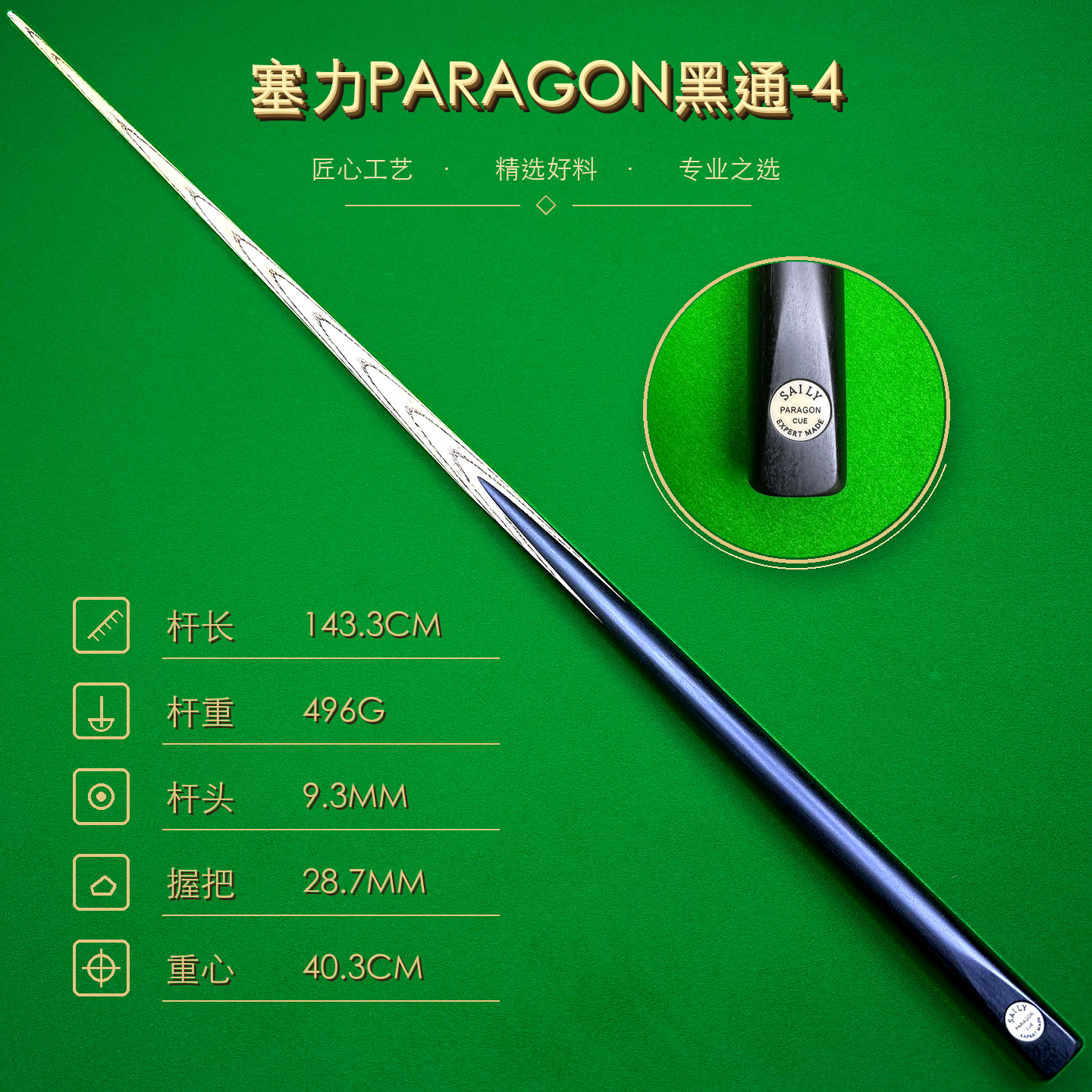
Short answer: a snooker cue ferrule may be replaceable, but no universal answer applies to every cue. First separate loose chalk, a surface mark or finish change from an open crack, chip, movement, missing material, growing gap or tip-boundary problem. Photograph the exact cue before cleaning or alteration, stop playing when the tip end is loose or structurally uncertain, and ask the maker or an experienced cue technician to inspect the physical cue. Do not cut, heat, twist, drill, sand or glue the ferrule to test it.
Classify the ferrule concern before discussing replacement
The ferrule is the collar directly below the leather tip. A player may notice a dark mark, white line, chalk staining, chip, click or visible gap and call all of them “a broken ferrule.” Those observations do not mean the same thing. Begin with the snooker cue ferrule inspection guide and record only what you can see or hear.
Surface residue or a persistent mark
Loose chalk and hand residue may sit on the surface. Use only the conservative dry steps in the ferrule cleaning guide. If a mark remains, leave it in place. A stain or colour change does not by itself prove that material is cracked, weak or in need of replacement.
Structural warning signs
An open line, missing chip, movement, changing gap, sharp catch, new click or a tip edge that lifts is a different category. Stop adding impacts. Do not squeeze or twist the ferrule to make the symptom easier to see. The cue may also have a tip, shaft-end or previous-repair question that a surface photograph cannot answer.
Preserve an exact-cue evidence set
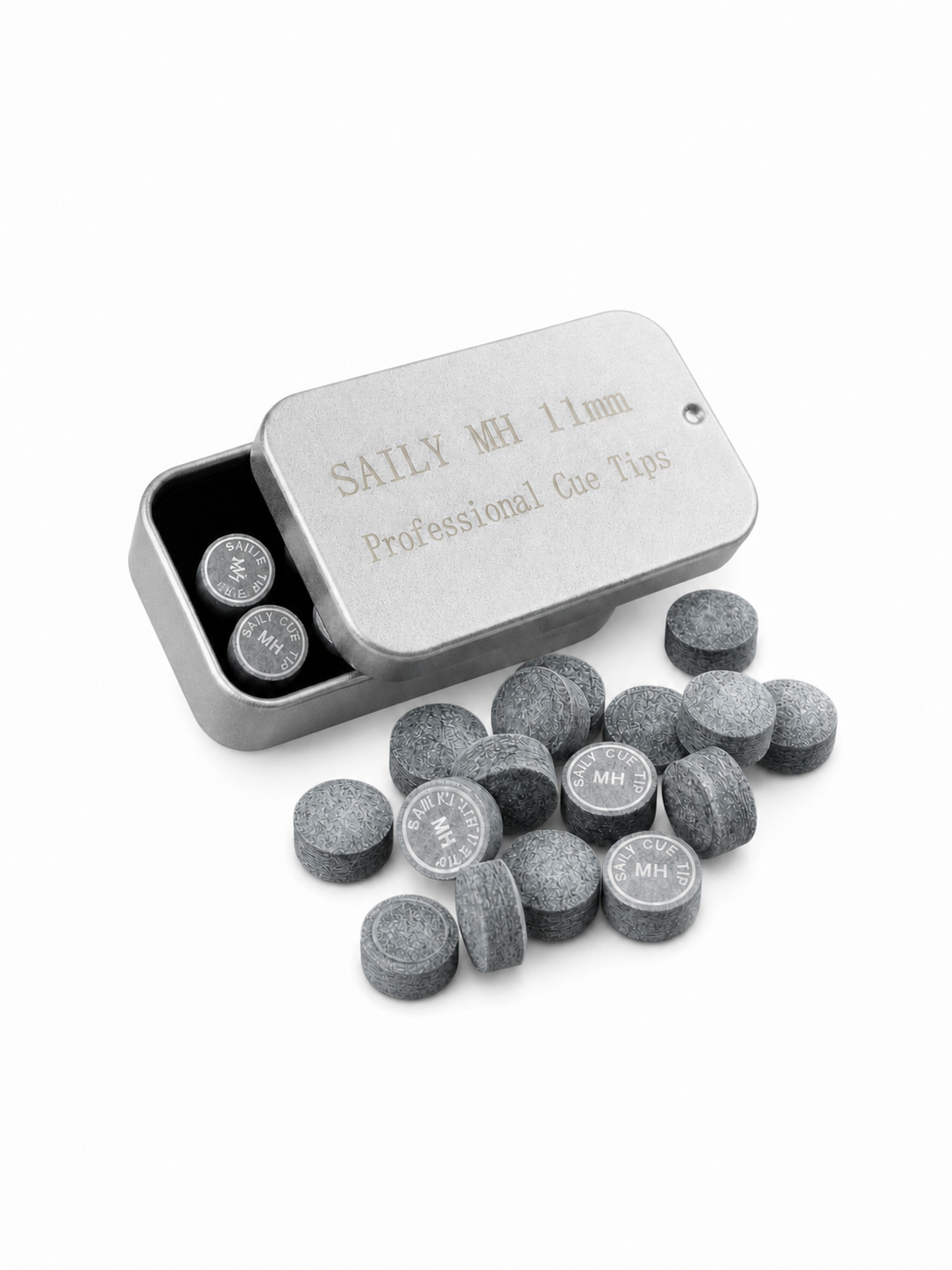
Place the cue on a clean padded support under bright diffuse light. Photograph the whole cue and its individual reference, then take the tip end from the front, both sides and several rotated positions. Include the tip-to-ferrule boundary and ferrule-to-shaft boundary. Keep the original files and note the date, recent impact or travel, any new sound and when the change was first noticed.
- Identify the cue.Record its exact name, reference, jointed configuration and current photographs.
- Locate the symptom.Describe the visible line, chip, gap, movement or sound without naming an unverified cause.
- Record recent events.Note a drop, hard case impact, delivery, tip work or previous repair only when known.
- Keep the parts together.Save any detached fragment or tip dry and protected without scraping the contact surfaces.
- Stop alteration.Leave cleaning products, abrasives, adhesive and tools out of the evidence set.
A photograph can document the visible condition, but it cannot show every hidden interface or confirm the material. Do not identify a ferrule by colour, promise that a crack is cosmetic or infer repairability from another cue that looks similar.
Know when the cue should stay out of play
Stop normal play when the ferrule moves, a crack is open, material is missing, a gap changes, the tip edge lifts, the tip end makes a new click or the cue has taken an impact followed by a visible change. Repeated hard shots are not a safe test. More impacts can enlarge damage and make the original evidence harder to interpret.
Also stop DIY work. Removing a ferrule can involve irreversible work at the narrow end of the shaft. This article does not prescribe cutting, heating, drilling, sanding, adhesive or dimensional steps because the correct approach depends on the actual cue and the repairer's assessment. The broader cue shaft repairability guide explains why a ferrule symptom should not be confused with a shaft-surface or bend question.
Ask a technician the right questions
Send the evidence first, then arrange inspection of the physical cue if requested. Ask whether the concern is surface-only, whether the tip and shaft end are sound, whether previous work is visible and whether replacement, another repair or no intervention is appropriate. Ask what information the technician can confirm after disassembly and what remains uncertain before work begins.
Do not request a replacement material solely because a colour or label appears desirable. Material identity, dimensions, compatibility and construction must be verified for the exact cue. Likewise, a replacement is not an automatic upgrade and cannot guarantee feel, accuracy, durability or value.
If the tip also needs attention, use the tip replacement decision guide to record attachment, remaining material and current condition separately. The technician can then explain whether the tip must be removed as part of ferrule work and whether it can be retained or should be replaced.
Document the cue after any ferrule work
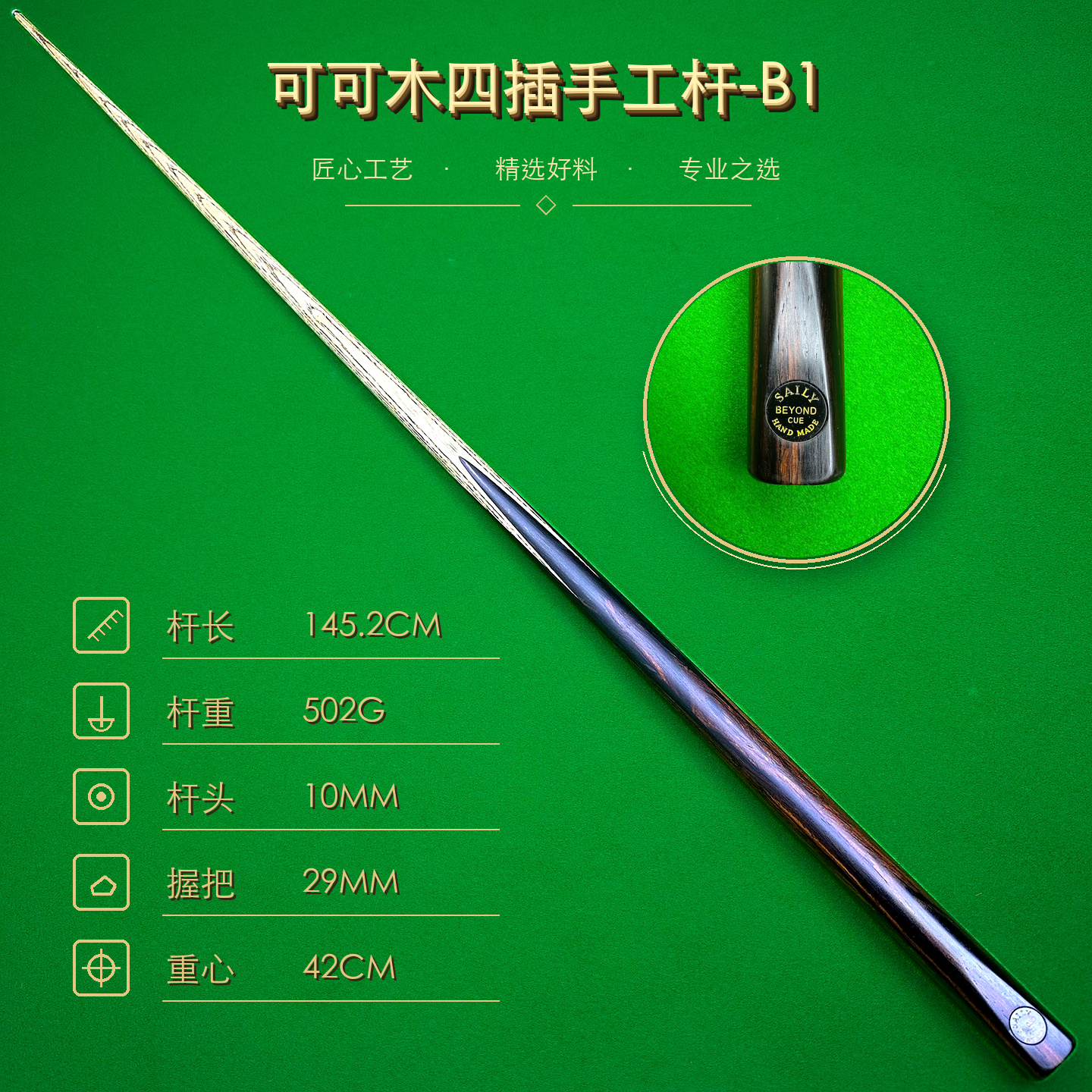
When professional work is complete, keep the invoice or service note and photograph the full cue, the tip face, the ferrule from several sides and both visible boundaries. Record any confirmed part description, the date and the technician's care or waiting instructions. Do not invent a universal curing time or “break-in” schedule.
Before returning to ordinary play, inspect for movement, an opening line, unusual gap or new sound. Follow the technician's instructions and begin conservatively. Stop and contact them if the condition changes. Replacement success is not proven by one potted ball, and this process cannot promise playing performance.
For real cue photographs and documented specifications, browse the SAILY CUE English cue collection. The care and maintenance tools category provides product context, but tools do not replace the skill needed for an irreversible repair.
Snooker cue ferrule replacement FAQ
Can a snooker cue ferrule be replaced?
Replacement may be possible for some cues, but the answer depends on the exact ferrule, tip, shaft end, construction, damage and prior work. An experienced cue technician or the maker should inspect the physical cue before confirming a method or outcome.
Does a white line mean the ferrule needs replacing?
Not necessarily. A pale line may be a surface mark, residue, material feature, previous work or damage. Photograph it in diffuse light from several angles and look for an opening, movement or change rather than deciding from colour alone.
Can I remove the ferrule at home to check underneath?
Do not remove, cut, heat, twist, sand or drill the ferrule as an inspection step. Those actions can destroy evidence and damage the tip end of the shaft. Preserve the cue and let a qualified person assess it.
Should the tip be replaced at the same time?
Do not assume so. The current tip may need removal during professional work, but its condition, attachment and remaining material require a separate decision. Ask the technician what the exact cue needs and record any new parts fitted.
SAILY CUE COLLECTION
Keep condition evidence with the exact cue
Review real photographs and documented specifications, then request current close evidence when a ferrule concern affects your decision.