
SNOOKER CUE CARE · FERRULE CLEANING
How to Clean a Snooker Cue Ferrule Without damaging the tip
Remove loose chalk and hand marks with controlled dry care, while keeping moisture and abrasives away from the tip joint.
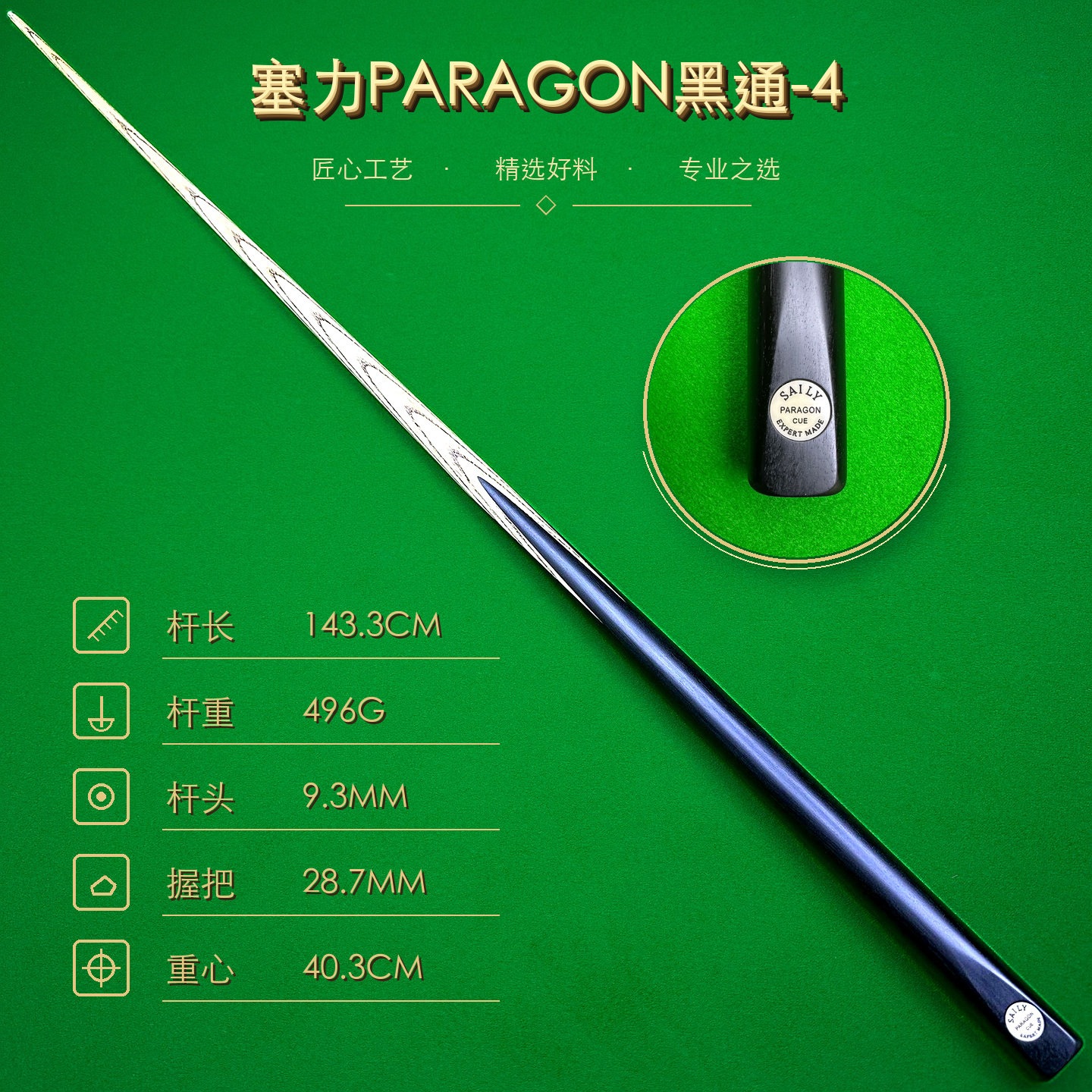
Short answer: support the cue on a clean padded surface, remove loose chalk and fingerprints with a clean, soft, dry cloth, and keep the tip, ferrule-to-shaft seam and tip edge separate from the wiping motion. Do not guess the ferrule material, soak the area, scrape it, sand it or apply solvent. If you see a crack, chip, looseness, opening glue line or tip movement, stop cleaning and ask an experienced cue technician to inspect the actual cue.
Use a low-risk ferrule cleaning sequence
The ferrule is the short collar below the leather tip at the narrow end of the shaft. It may carry loose chalk, skin oil or a fingerprint after play, but a mark is not automatically removable dirt. A shiny patch, line or colour change may belong to the surface, a previous repair or damage. Cleaning should remove only residue that is clearly loose.
Work in bright, diffuse light above a clean padded table. Wash and dry your hands, remove rings and keep the cue from rolling. If the cue is jointed, separate sections normally and support the shaft near—but not by squeezing—the tip end. Take a close photograph before starting, especially when the ferrule has an existing mark.
- Choose a fresh cloth.Use a clean, soft, lint-free cloth with no polish, oil, grit or household cleaner.
- Begin beside the ferrule.Make light, short passes over the exposed collar, not across the leather tip or edge.
- Rotate gently.Turn the cue so the cloth reaches each side without bending or twisting the tip end.
- Inspect continuously.Move to clean cloth when chalk appears. Stop if it catches, colour transfers or the surface changes.
- Finish and record.Make one final dry pass, compare with the starting photograph and leave the cue dry before storage.
Protect the tip-to-ferrule boundary
Loose chalk often collects where the tip meets the ferrule, but that narrow line is also where an edge can lift or a gap can hide. Use the cloth from the ferrule outward and stop before it folds over the leather. Never force a cloth corner, card, brush or tool into the seam.
Inspect the full circumference after wiping. Look for a lifting tip edge, open line, new glue residue, missing ferrule material or a visible step between ferrule and shaft. The separate snooker cue tip inspection guide keeps tip condition separate from this ferrule check.
For broader context, use the snooker cue ferrule inspection guide when a mark persists or you need a record before buying, selling or returning. A clean ferrule does not prove that the tip is secure or the shaft straight.
Do not improvise with liquids or abrasives
Water, alcohol, disinfectant, household spray, polish, oil and solvent are not universal ferrule cleaners. Materials, coatings, adhesives and previous repairs vary, and liquid can travel into the tip/ferrule interface or shaft boundary. If the cue maker provides an exact product and method, follow it precisely rather than increasing amount or contact time.
Sandpaper, abrasive pads, blades and hard burnishing can remove ferrule material, round an edge or alter the relationship between ferrule, tip and shaft. That is maintenance or refinishing, not routine cleaning. The snooker cue shaft cleaning guide applies the same conservative principle to the larger shaft surface.
Do not identify a ferrule from colour or a photograph alone. When material, finish or repair history is unclear, dry-clean only loose dust and ask a cue professional before using any product.
Know when cleaning has become a repair question
Stop immediately if the ferrule is cracked, chipped, loose, lifting, separated from the shaft or associated with a new click. Also stop if the tip moves, its edge opens, the ferrule changes under gentle handling or a chemical or moisture may have reached the tip end. Do not glue an uncertain gap or continue playing to test it.
An experienced cue technician can distinguish surface residue from structural damage. Share before-and-after photographs, cue identity, maker instructions and any product already applied. Professional assessment preserves evidence; repeated scraping or sanding may remove it.
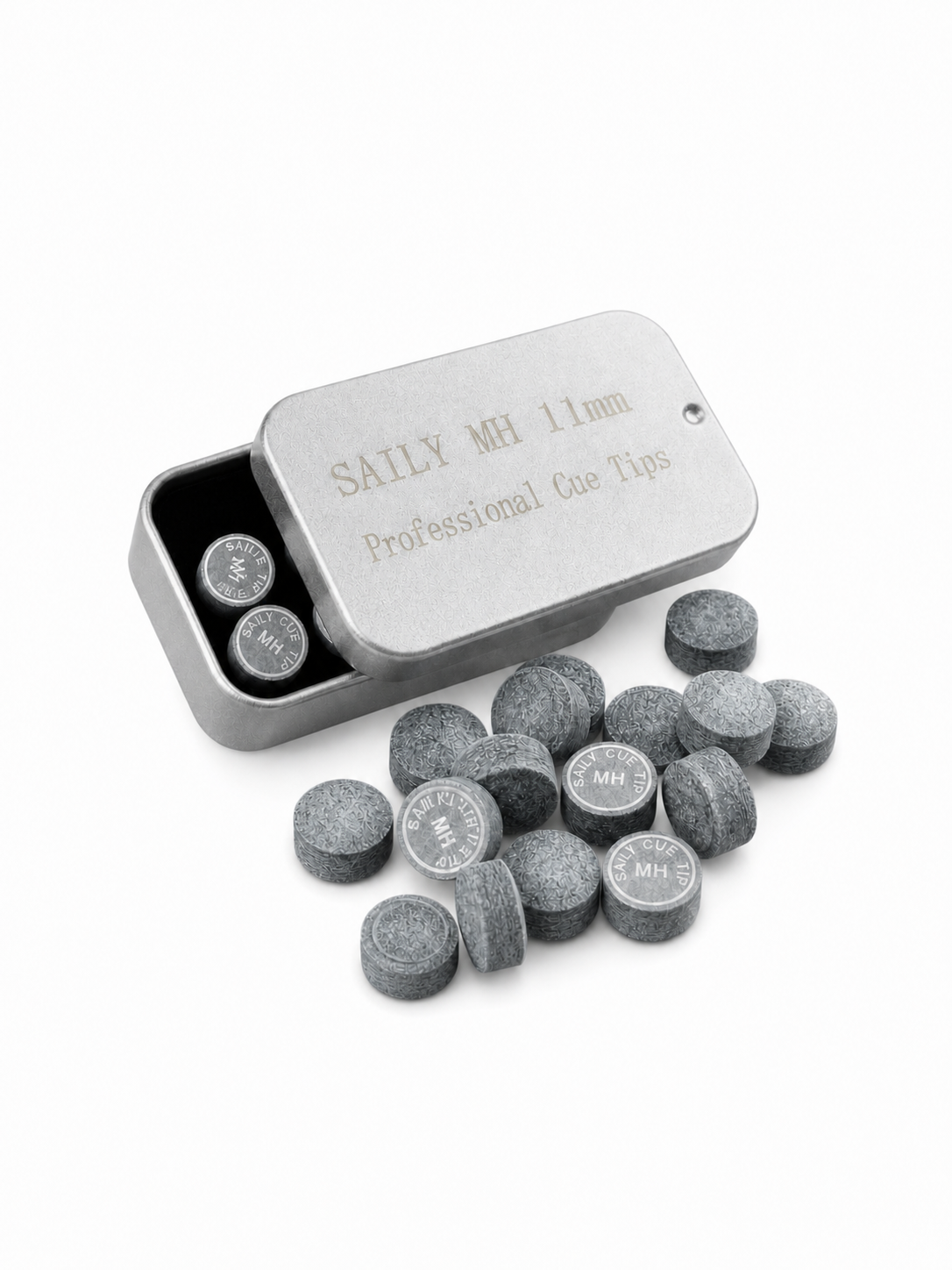
If the concern is a rough shaft rather than the collar, follow the shaft-cleaning steps. If the tip is worn or lifting, use the tip guide or tips and accessories category for equipment context, but do not treat a catalogue image as a repair diagnosis.
Build a simple after-play routine
Before putting the cue away, wipe loose chalk from ferrule and shaft with a dry cloth, check the tip edge visually and keep hard tools away from the tip end. Do not close a damp cue in its case. The snooker cue storage and care checklist covers support, transport and condition-led maintenance.
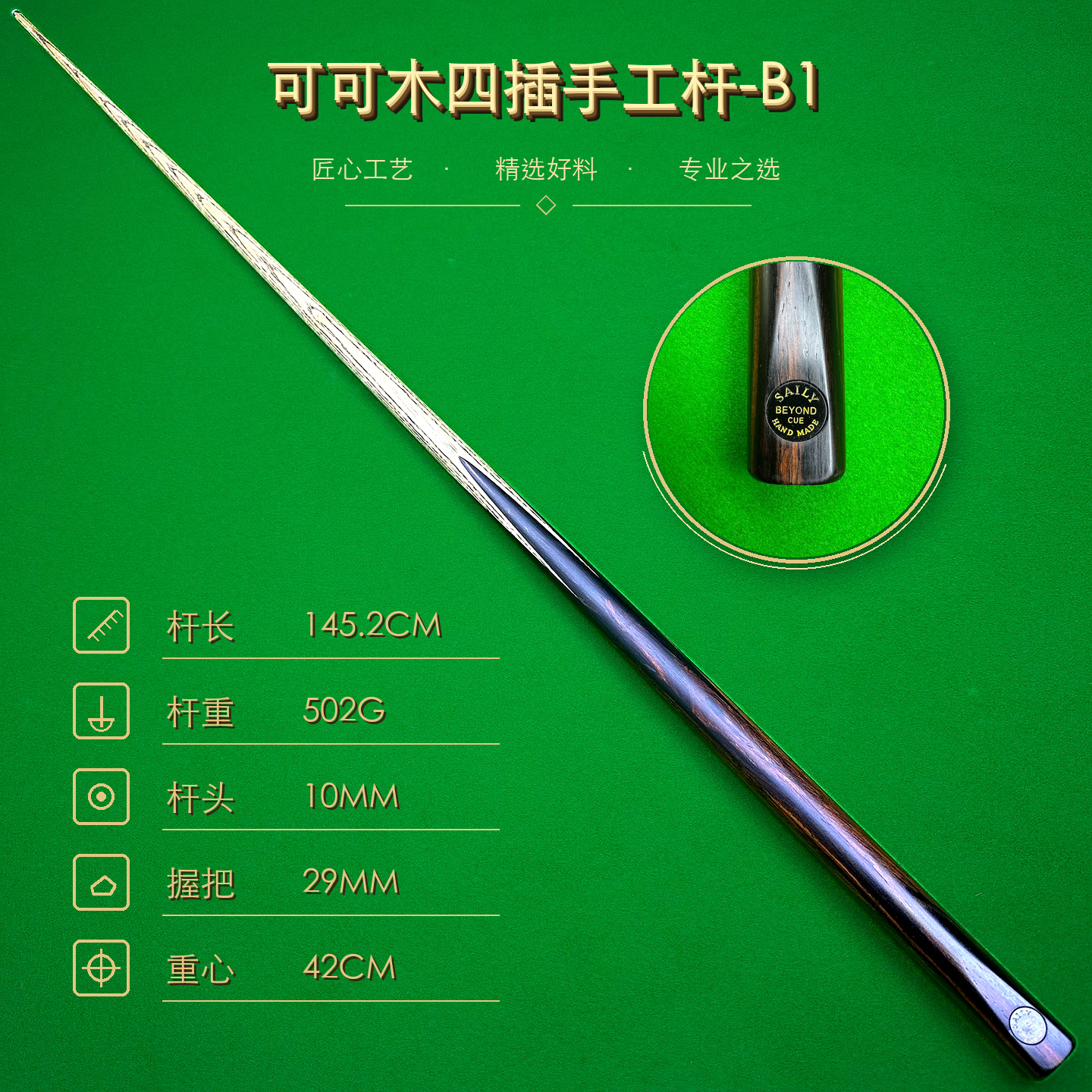
Keep dated close photographs when a ferrule mark matters, and compare them under similar light. A brief routine is safer than frequent polishing. When buying or replacing a cue, browse the SAILY CUE English cue collection for real product photographs and documented specifications; ask for current close-up evidence when ferrule condition affects the decision.
Snooker cue ferrule cleaning FAQ
What is the safest way to clean a snooker cue ferrule?
Start with a clean, soft, dry, lint-free cloth and light pressure. Work away from the tip-to-ferrule edge, inspect the result and follow maker guidance for the exact cue before considering any liquid or specialist product.
Can I use water or alcohol on a cue ferrule?
Do not assume either is safe. Unknown ferrule materials, finishes, adhesives and nearby tip edges can react differently. Use moisture or a chemical only when the maker or an experienced cue technician confirms the method for that exact cue.
How do I remove chalk from around a ferrule?
Wipe loose surface chalk gently with a clean dry cloth, keeping it from dragging across the tip interface. Do not scrape, sand or push residue into the seam. Persistent buildup needs cue-specific advice.
When should I stop cleaning and get a ferrule repaired?
Stop if the ferrule is cracked, chipped, loose, lifting or separated from the shaft, or if the tip edge moves. A repair professional should assess those signs; cleaning cannot safely correct structural damage.
SNOOKER CUE CARE
Keep the tip end clean and supported
Use documented cue evidence, gentle dry care and clear stop rules before any product or repair.