
SNOOKER CUE CARE · SHAFT CLEANING
How to Clean a Snooker Cue Shaft Safely
Begin with the least aggressive method, identify the surface you actually have and stop before a cleaning job becomes an irreversible shaft alteration.
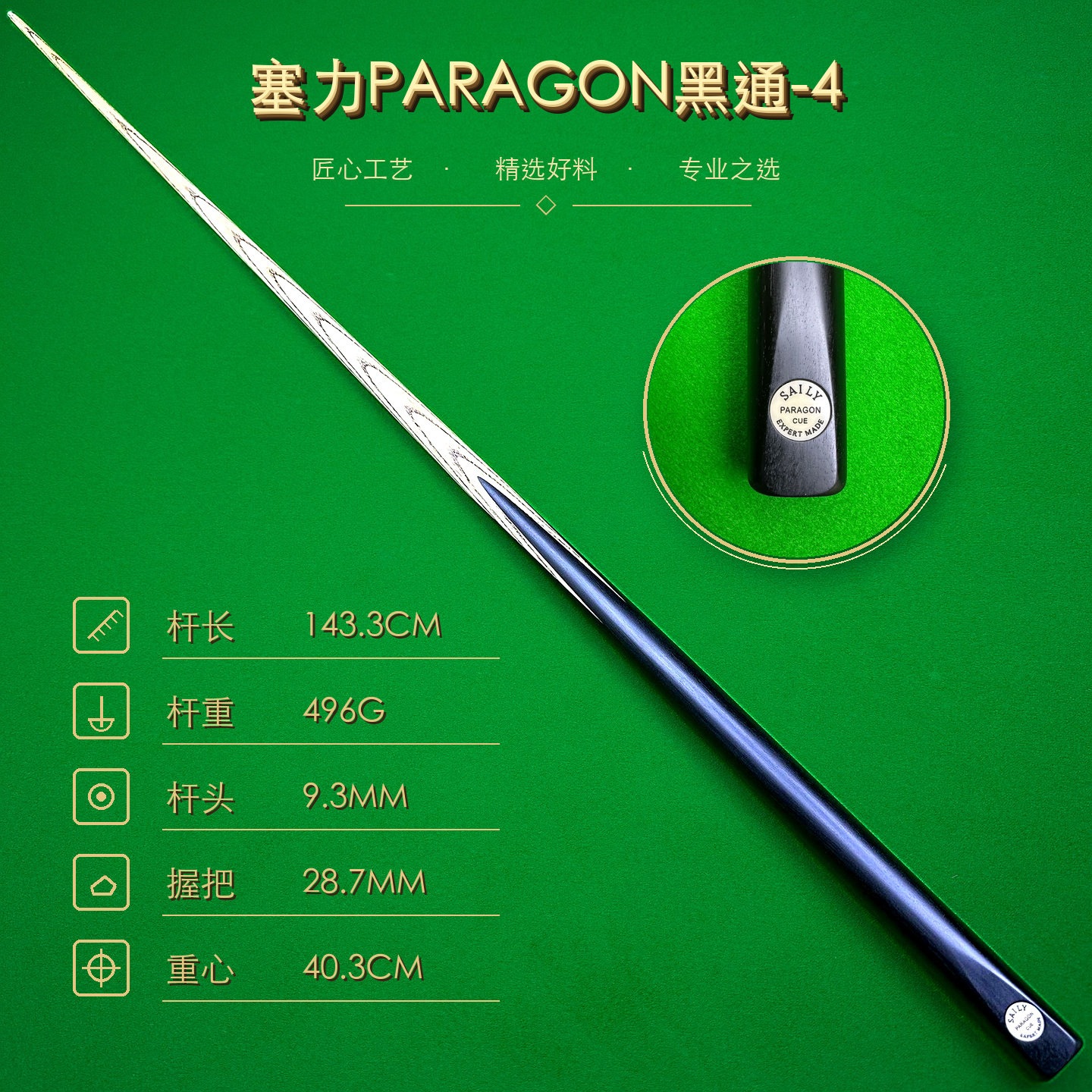
Short answer: support the cue above a clean surface, use a clean soft dry cloth and wipe gently along the shaft to remove loose chalk and normal hand residue. Inspect the cloth and shaft as you work. If residue remains, the surface feels raised or damaged, or you do not know the finish, stop and follow the maker’s guidance or ask an experienced cue technician. Do not guess with water, oil, household cleaner, abrasive pads or sandpaper.
First identify what “dirty” means
A shaft can feel less comfortable for several different reasons. Loose chalk dust and normal hand residue sit on the surface. A glossy or darker patch may be accumulated residue, but it may also be part of the existing finish. A rough point can be stuck material, a raised fibre, a small dent or finish damage. Cleaning cannot safely solve all four in the same way.
Look at the shaft in bright, diffuse light and rotate it slowly without bending it. Note where the change begins, whether it catches a clean cloth and whether it is new. Take a clear photograph before deeper work. If the cue has a documented maker or seller care instruction, read it now and confirm that it refers to the exact shaft surface.
Keep this task separate from measuring the shaft. The snooker cue taper guide explains how to record a multi-point diameter profile; cleaning should not intentionally change those measurements.
Prepare a clean, low-risk workspace
Work above a clean padded table where the cue cannot roll onto the floor. Wash and dry your hands, remove rings or hard accessories and use a fresh, soft, lint-free cloth. A cloth already carrying polish, oil, grit or household cleaner is not a neutral starting point.
For a jointed cue, separate the sections only in the normal way and support the shaft near the area being wiped. Keep the tip, ferrule and joint faces away from the cleaning cloth. Those parts use different materials and should not receive an unknown residue transferred from the shaft.
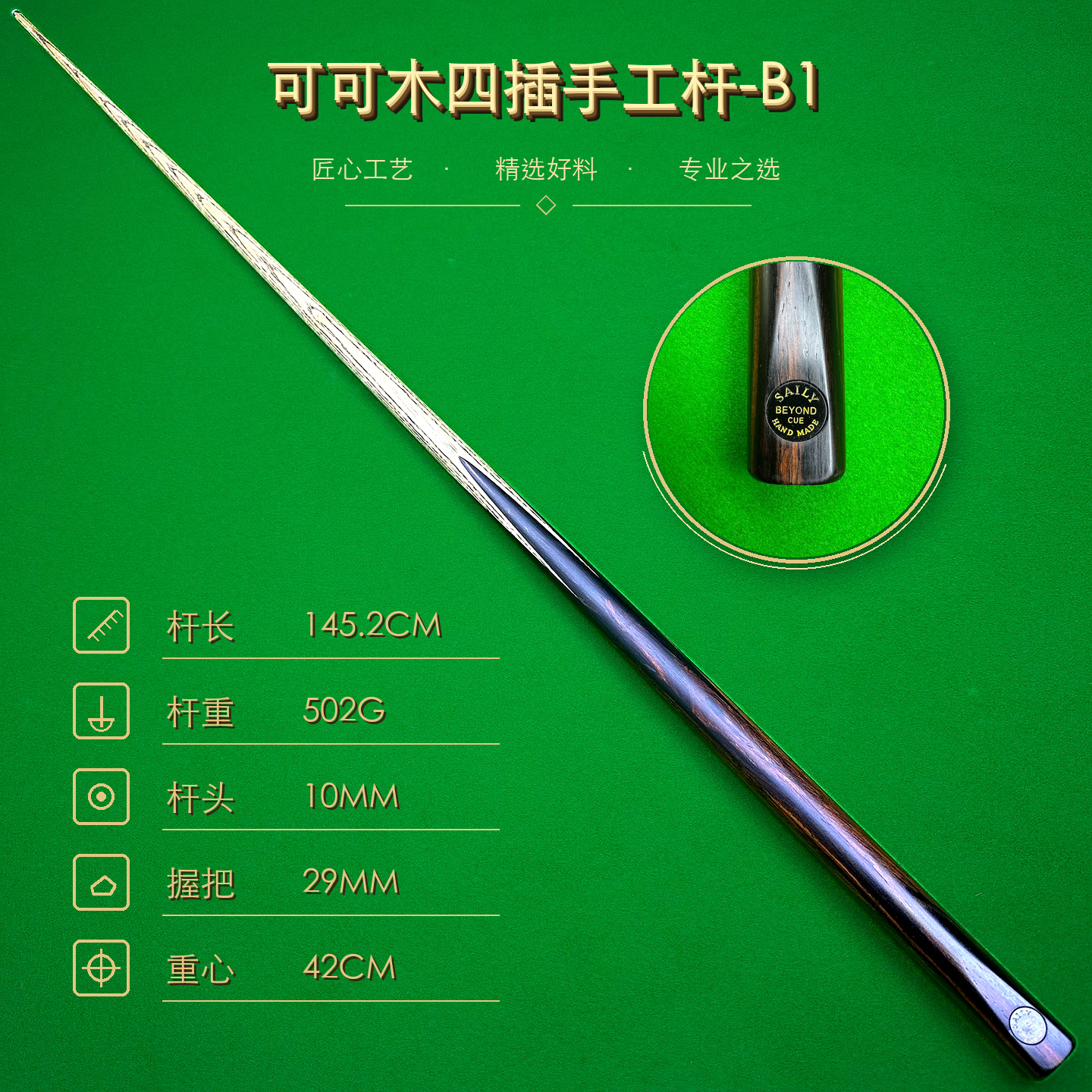
Use a conservative dry-cleaning sequence
- Start with one small area.Use a clean section of cloth and light pressure. A test area lets you see whether loose residue transfers without changing the appearance.
- Wipe along the shaft.Use smooth lengthwise passes rather than aggressive scrubbing across one spot. Turn the shaft in your hand so the cloth reaches the full circumference.
- Inspect the cloth.Move to a clean section when chalk or residue appears. Do not keep rubbing removed grit back into the surface.
- Check the surface again.Use the same lighting and viewing angle. Stop if the cloth catches, fibres appear raised, colour changes unexpectedly or a mark looks like damage rather than removable residue.
- Finish dry.Give the shaft a final gentle pass with a fresh cloth, then return it to a clean correctly sized case when it is ready for storage.
A dry cloth is a starting method, not a promise that every mark will disappear. Some finish changes, dents and raised fibres require skilled assessment. Leaving an uncertain mark alone is safer than removing shaft material to chase a uniform appearance.
Avoid unverified liquids, oils and abrasives
Do not assume that water, alcohol, household spray, furniture product, oil, wax or another player’s cue cleaner suits your shaft. Wood, coatings and previous repairs vary, and a product can move beyond the target area or leave residue. If the cue maker specifies a product and method for that exact surface, follow those instructions rather than increasing the amount or contact time.
Sandpaper, abrasive pads, blades and aggressive burnishing are not cleaning shortcuts. They remove or compress material and can alter the finish, diameter or taper. That change cannot be reversed by wiping. The site’s care and maintenance tools category shows the type of specialist category available, but it does not replace cue-specific instructions or professional judgment.
Do not add oil simply because a shaft looks pale, and do not use hard pressure because a patch feels sticky. First establish whether the issue is surface residue, environmental change, a damaged finish or raised material.
Know when to stop and seek help
Stop home cleaning when a rough area catches the cloth, a fibre is raised, the shaft has a dent or crack, colour transfers unexpectedly, the finish lifts, the surface has an unknown coating or dry wiping does not remove the concern. Also stop if the shaft may have contacted a chemical or absorbed moisture.
An experienced cue technician can inspect the actual cue and distinguish cleaning from repair or refinishing. Share current photographs, the known cue identity, any maker instructions and every product already used. Do not test the condition with hard shots or repeated abrasive work.
If the concern is bending rather than residue, use the separate cue straightness inspection guide. A clean shaft is not automatically straight, undamaged or suitable for a particular player.
Build a simple after-play routine
After a session, remove loose chalk with a dry cloth before placing the cue in its case. Check the tip, ferrule, shaft, joint and butt visually, and keep hard loose accessories in separate compartments. The broader snooker cue storage and care checklist covers support, temperature changes and transport.
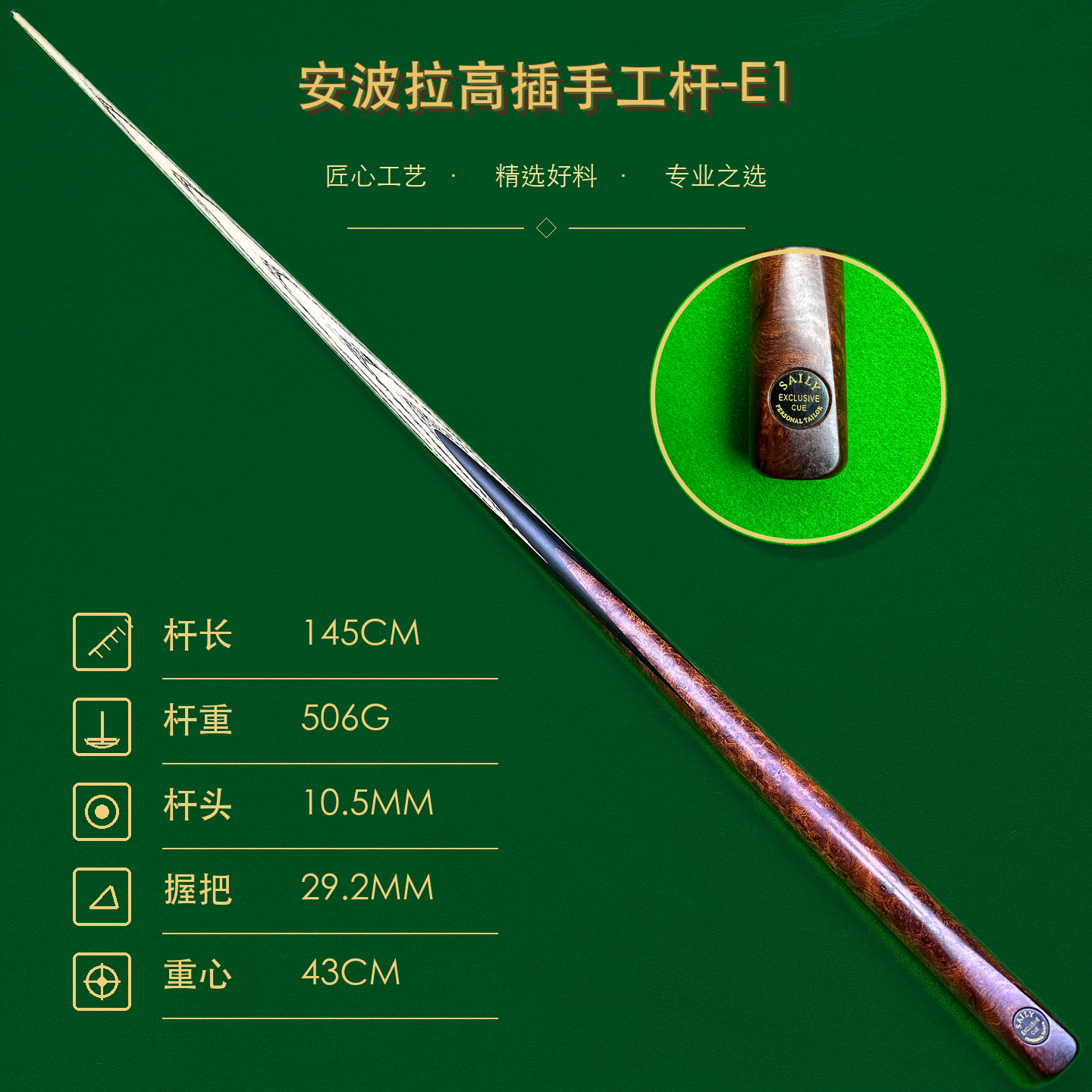
Keep a dated full-cue photograph and note any new mark before attempting deeper work. Condition is a better trigger than a fixed polishing calendar. Browse the SAILY CUE catalogue to see real cue photographs and documented measurements that can form part of an individual cue record.
Snooker cue shaft cleaning FAQ
What should I use to clean a snooker cue shaft?
Start with a clean, soft, dry, lint-free cloth. Shaft finishes and maker instructions vary, so confirm the method for the exact cue before using any liquid, oil, wax, cleaner or abrasive product.
Can I use water or household cleaner on a cue shaft?
Do not assume either is suitable. Moisture and household chemicals may affect an unknown finish or adjacent parts. Use a damp method only when the cue maker or an experienced cue technician gives instructions for that exact surface.
Should I sand a snooker cue shaft if it feels rough?
No. Sandpaper and abrasive pads remove material and can change the shaft profile or finish. A rough area may be residue, a raised fibre or damage, so stop and have the actual cue assessed before removing material.
How often should I clean a cue shaft?
Wipe loose chalk and normal hand residue with a dry cloth after play. Deeper cleaning should be condition-led and cue-specific rather than performed on a fixed schedule or simply because another player uses a certain product.
SAILY CUE COLLECTION
Review the complete cue record
Compare real photographs and documented specifications, then match any cleaning method to the exact shaft and its known care instructions.