
SNOOKER CUE CARE · SHAFT SURFACE
Can You Use Sandpaper on a Snooker Cue Shaft?
Before removing any material, identify the exact surface, document the problem and check the cue maker’s instructions.
Short answer: do not use sandpaper on a snooker cue shaft as routine cleaning or as a universal answer to a sticky, rough or marked surface. Sandpaper is an abrasive: it removes material, and it may alter or mark a finish or surface. First identify the exact cue, shaft surface and maker instructions. Begin with a non-abrasive inspection and dry care. If the finish is unknown, the shaft is damaged or the change does not resolve with a gentle dry check, stop and ask the maker or an experienced cue technician.
Why sandpaper is not ordinary cue cleaning
Loose chalk and normal hand residue are surface observations. Sandpaper is a material-removal action. That difference matters even when a shaft feels slightly rough or looks uneven. An abrasive can change the local surface, leave marks or make it harder to tell whether the original concern was residue, a raised fibre, a dent or an existing finish.
A snooker cue shaft may have a documented bare-looking surface, a finish, a previous treatment or an unknown history. A photograph or a light wood colour does not establish which condition you have. A method that was suitable for one cue, timber, finish or repair is not automatically suitable for another. Do not choose a grit, pressure, sanding block or number of passes from a general internet recommendation.
Check the exact problem before changing the surface
Start by washing and drying your hands, supporting the cue safely and looking at the shaft in ordinary diffuse light. Note where the sensation or mark begins and whether a clean cloth catches. Record whether the change is new, follows a particular storage location or appeared after a cloth, cleaner, oil or other product was used. Take photographs before deeper work.
If the bridge hand simply feels drag, use the sticky-shaft troubleshooting guide to separate hand residue, chalk, cloth and room conditions from a surface concern. If there is a local dent, raised fibre, crack or sharp catch, use the shaft-dent inspection guide. Do not press a fingernail, blade or ruler edge into the area, flex the shaft or roll it aggressively as a test.
For loose dust and ordinary dry care, follow the safe snooker cue shaft-cleaning guide. It starts with a clean, soft, dry cloth and clear stop rules; it does not treat sandpaper, liquid or household cleaner as universally safe.
Use a conservative decision sequence
- Identify the cue.Keep the exact product reference, current photographs and any documented care information together.
- Classify the observation.Separate loose residue, sticky feel, a local catch, a visible finish change and a whole-cue straightness concern.
- Start dry.Use a fresh soft lint-free cloth with light lengthwise passes to remove loose surface residue. Do not scrub, polish or intentionally change the profile.
- Check instructions.Follow only maker-specific guidance for the identified shaft surface. If the instructions are missing or unclear, stop before any liquid, oil, wax or abrasive.
If you are considering oil because the shaft feels dry, pale or uncomfortable, read the oil-decision guide first. Oil is not a substitute for identifying the surface, and adding a product can make later assessment less clear.
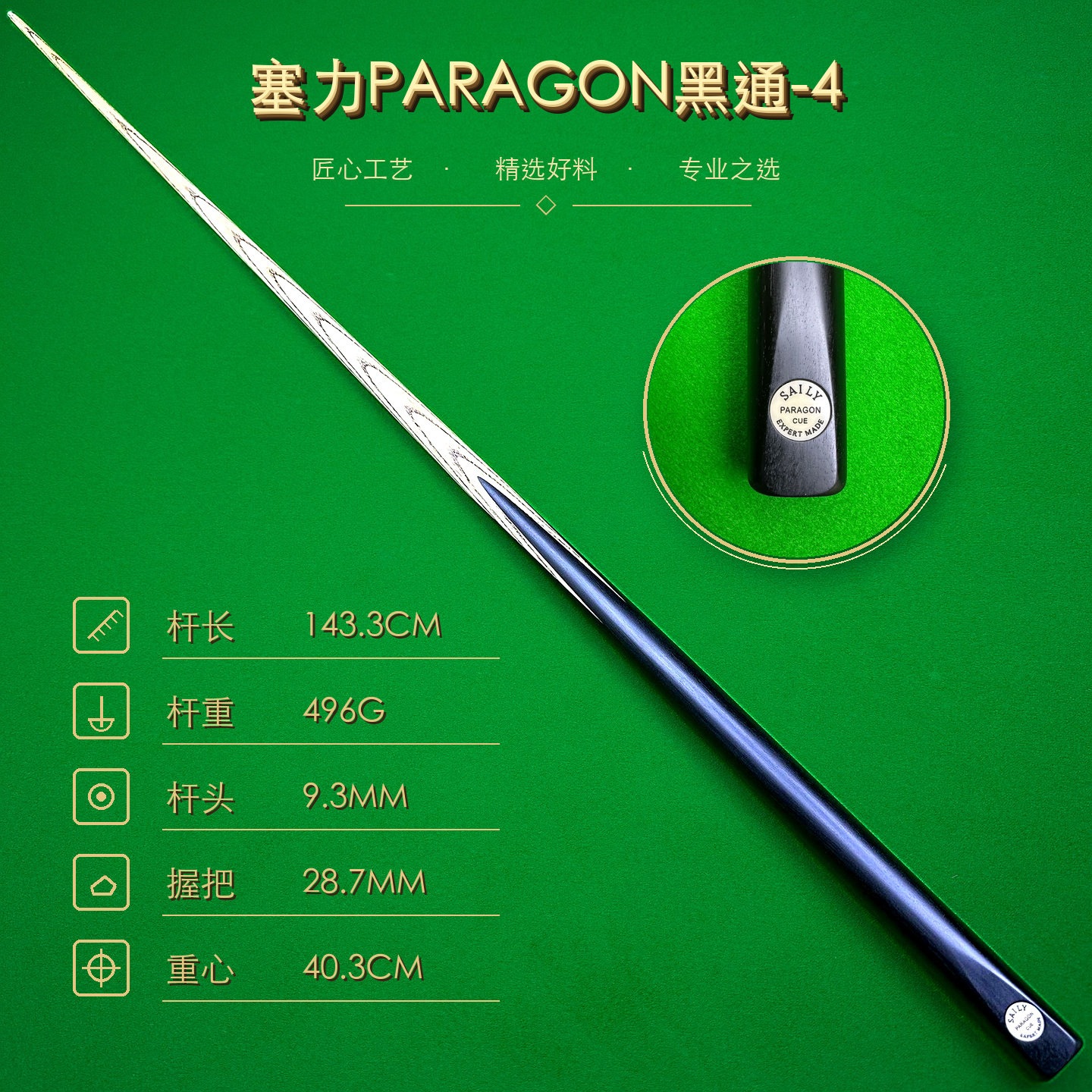
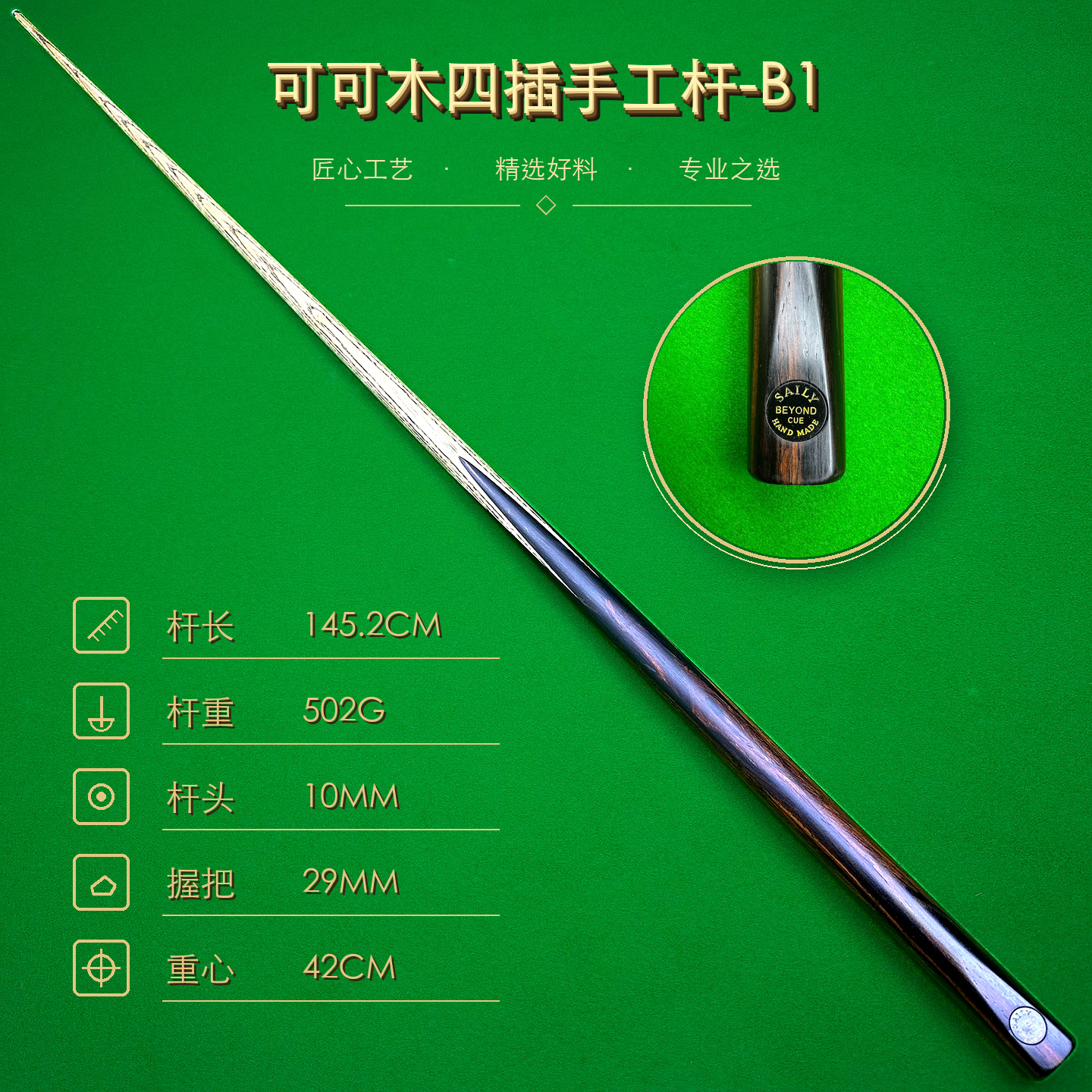
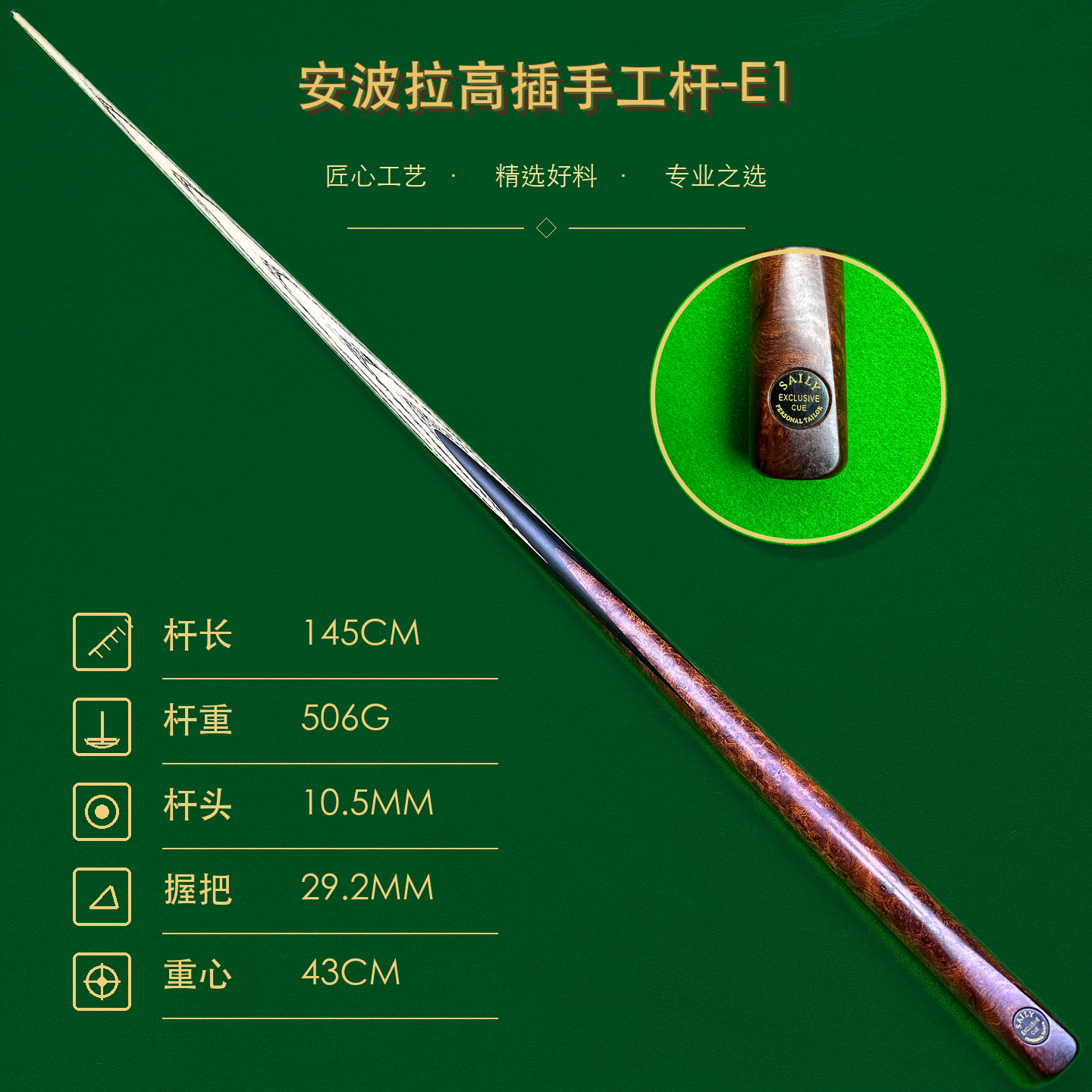
After the inspection, browse the SAILY CUE English cue catalogue for real product photographs and documented measurements. Listing images help identify an item; they do not establish a universal sanding or repair method.
Know when to stop and seek cue-specific help
Stop immediately if the cloth or skin catches, fibres lift, a line opens, colour transfers unexpectedly, the finish changes, the shaft has a crack or dent, or the surface history is unknown. Also stop if you already used a product or abrasive and cannot describe what happened. Protect the cue from further rubbing and keep a dated record of the evidence.
Do not try to hide an altered area with oil, wax, water, polish or more sanding. Tell the maker or technician what you used, where, when and with what pressure or tool. An experienced cue technician can assess the actual shaft and explain whether any repair or refinishing is appropriate. Until then, avoid promising yourself that a smoother feel means the shaft is straight, undamaged or better to play with.
A reversible dry inspection gives you useful information without committing the cue to a new surface. That is the right starting point when the question is “Can you use sandpaper on a snooker cue shaft?”—usually, not without exact instructions for that exact cue.
Sandpaper and snooker cue shaft FAQ
Can you use sandpaper on a snooker cue shaft?
Do not use sandpaper as a routine cleaning step or as a general fix for a rough or sticky shaft. Abrasives remove material and may alter or mark an unknown surface. First identify the exact cue and follow maker-specific instructions; when the surface or damage is unclear, ask an experienced cue technician.
What should I use instead of sandpaper on a cue shaft?
Begin with inspection in ordinary diffuse light and a clean, soft, dry, lint-free cloth for loose chalk or normal hand residue. Use no liquid, oil, wax or abrasive unless the maker or a qualified technician gives instructions for that exact cue and surface.
Can sandpaper fix a sticky snooker cue shaft?
A sticky sensation may come from hand residue, chalk, a cloth, storage conditions or a surface change. Sandpaper cannot identify those causes and may make the original condition harder to assess. Use the dry-check sequence and the sticky-shaft guide before considering any alteration.
What if I already sanded my snooker cue shaft?
Stop removing material, record what happened and photograph the area under consistent light. Do not add oil, wax, water or more abrasive to hide the change. Ask the cue maker or an experienced cue technician to assess the exact shaft, finish and any change in profile.
SAILY CUE COLLECTION
Keep the shaft record clear
Review real cue photographs and documented specifications before choosing any care method for a particular shaft.