
SNOOKER CUE CARE · SHAFT SURFACE
Should You Oil a Snooker Cue Shaft? What to Check Before Applying Anything
Before oil, wax or liquid touches a shaft, identify the surface, document the symptom and check whether the cue maker actually permits that product.
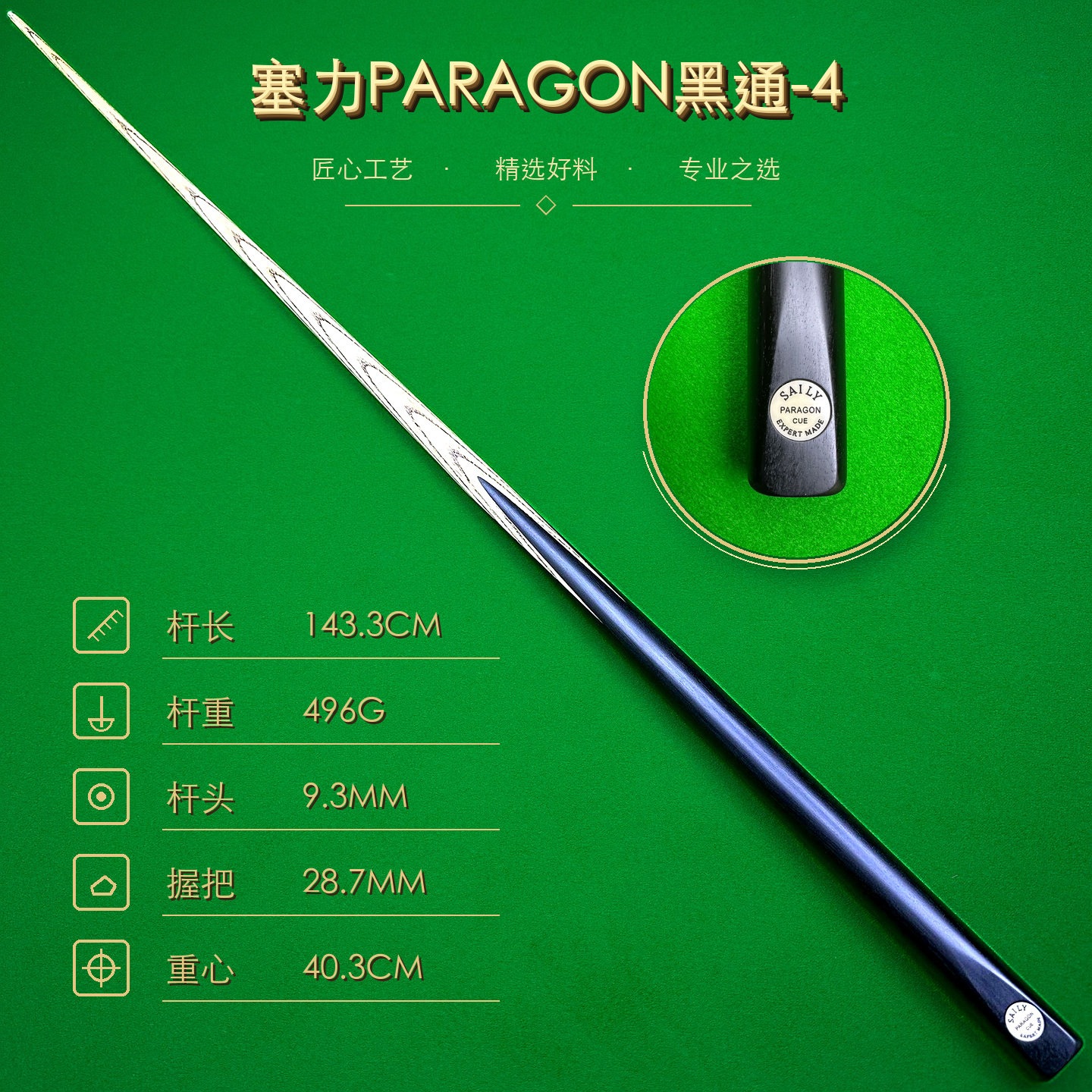
Short answer: usually, do not oil a snooker cue shaft just because it feels dry, looks pale or another player oils theirs. Oil, wax and liquid are surface-specific products, not universal maintenance steps. First identify whether your shaft is documented as bare, finished or otherwise treated. If you cannot confirm the surface or find exact maker instructions, use a clean, soft, dry cloth for loose residue and stop before applying anything.
Identify the surface before choosing a product
“Cue shaft” is not a sufficient product specification. A shaft may have a bare-looking surface, a documented finish, a previous treatment or an unknown history. The appearance of a light wood-coloured shaft does not prove that it is untreated, and a smooth or shiny area does not prove which coating is present.
If the shaft is documented as bare
Read the maker’s care instructions for the exact cue before considering oil. The word “bare” still does not tell you which product, amount, contact time or removal method is appropriate. Do not infer a safe routine from a different cue, timber or brand. If there are no instructions, leave the surface untreated until the maker or a cue technician advises you.
If the shaft is finished
A finish can change how residue, moisture and a product behave. Do not use oil to restore a particular shine or feel unless the exact maker guidance permits it. A household product, furniture oil, wax or solvent may be unsuitable even when its label sounds gentle.
If the surface is unknown
Unknown is a reason to pause, not a reason to test a small amount of oil. Photograph the shaft in consistent light, note its maker or listing reference and ask for surface-specific advice. Repeated experiments make the original condition harder to assess.
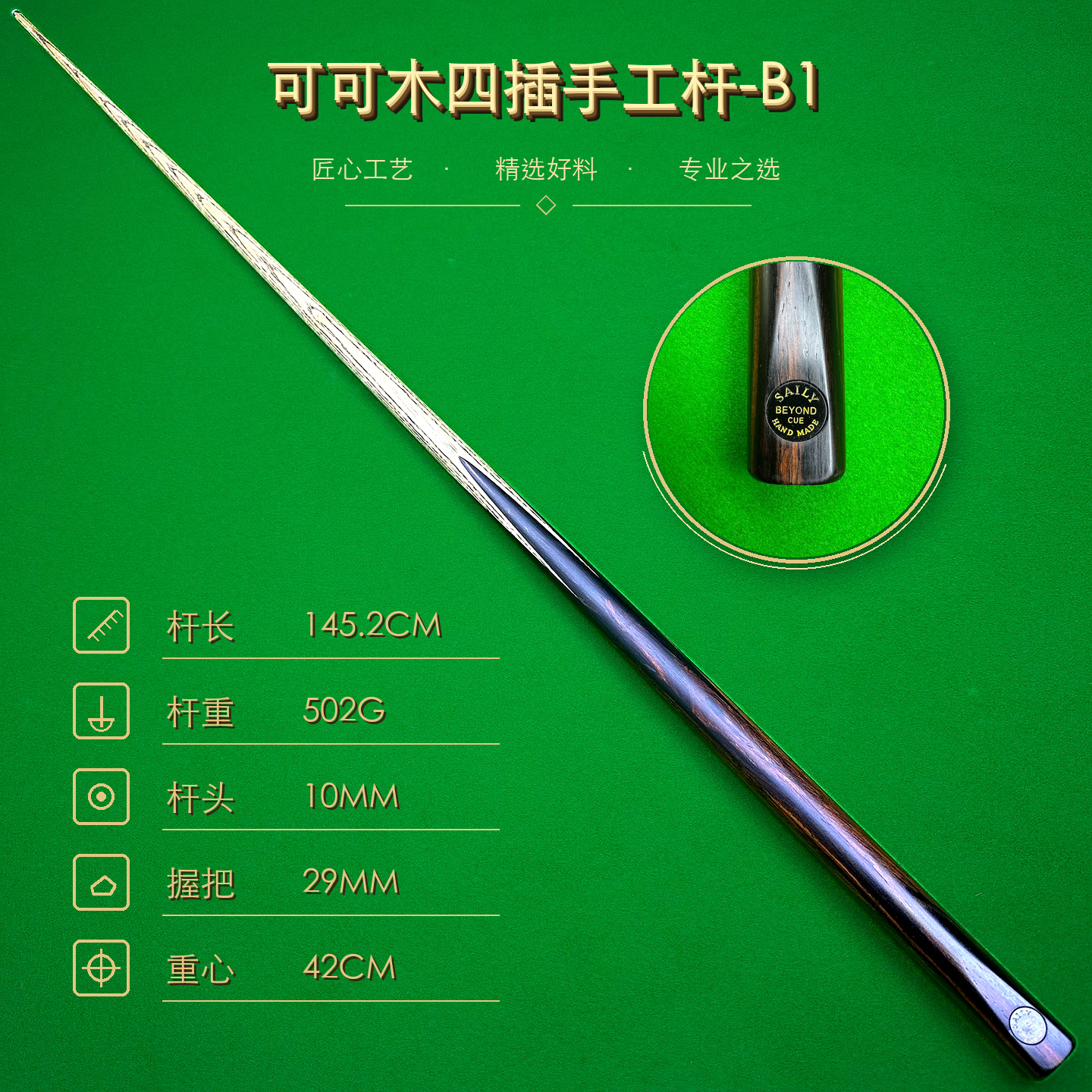
Check what problem you are trying to solve
A dry-feeling shaft, a sticky patch and a visible mark are different observations. First wash and dry your hands, remove loose chalk with a fresh dry cloth and inspect the shaft in diffuse light. Note where the feeling occurs, whether a clean cloth catches, whether colour transfers and whether the change is new.
If the shaft feels sticky, compare the hand position, chalk exposure, case and storage conditions. The sticky shaft troubleshooting guide separates residue and environment from questions about the surface itself. Adding oil can make that diagnosis less clear.
If you see a dent, raised fibre, crack or lifted finish, do not treat it as dryness. The shaft dent and raised-fibre checklist explains when a local change needs inspection. A product cannot safely substitute for a repair assessment, and a clean surface does not prove that the cue is straight.
Use a conservative decision sequence
- Pause and document.Take current full-cue and close photographs. Record the cue identity, the symptom, the date and any product already used.
- Find exact instructions.Check the maker or seller documentation for this cue, not a generic forum recommendation. Confirm the product, quantity, application, removal and storage directions.
- Start dry.With clean hands, use a soft, lint-free, dry cloth and light lengthwise passes. Work on a small area only to remove loose surface residue, not to polish or alter the shaft.
- Stop at uncertainty.Stop if the cloth catches, the colour changes, a finish lifts, residue spreads or the surface remains unidentified. Ask an experienced cue technician before using liquid, oil, wax, abrasives or heat.
The snooker cue shaft cleaning guide covers the same low-risk starting point in more detail. It does not make any liquid or abrasive universally safe.
Build a routine that does not depend on oil
After play, remove loose chalk and hand residue with a clean dry cloth, inspect the tip, ferrule, shaft, joint and butt, then store the cue in a clean correctly sized case. Keep the shaft away from avoidable moisture, heat and unknown chemicals. Do not create a fixed oiling calendar when the maker has not specified one.
Keep a simple dated record of the shaft’s normal appearance. A change that persists across the same light and handling conditions is useful information for the maker or technician. If the shaft has already received oil or wax, do not layer another product over it or try to remove it with sanding.
Store the cloth separately from polish, case treatments and workshop dust. A clean cloth can become an unintentional applicator when it has been used on another cue. When you lend or sell a cue, pass on the care notes and disclose any product that has touched the shaft so the next person does not have to guess.
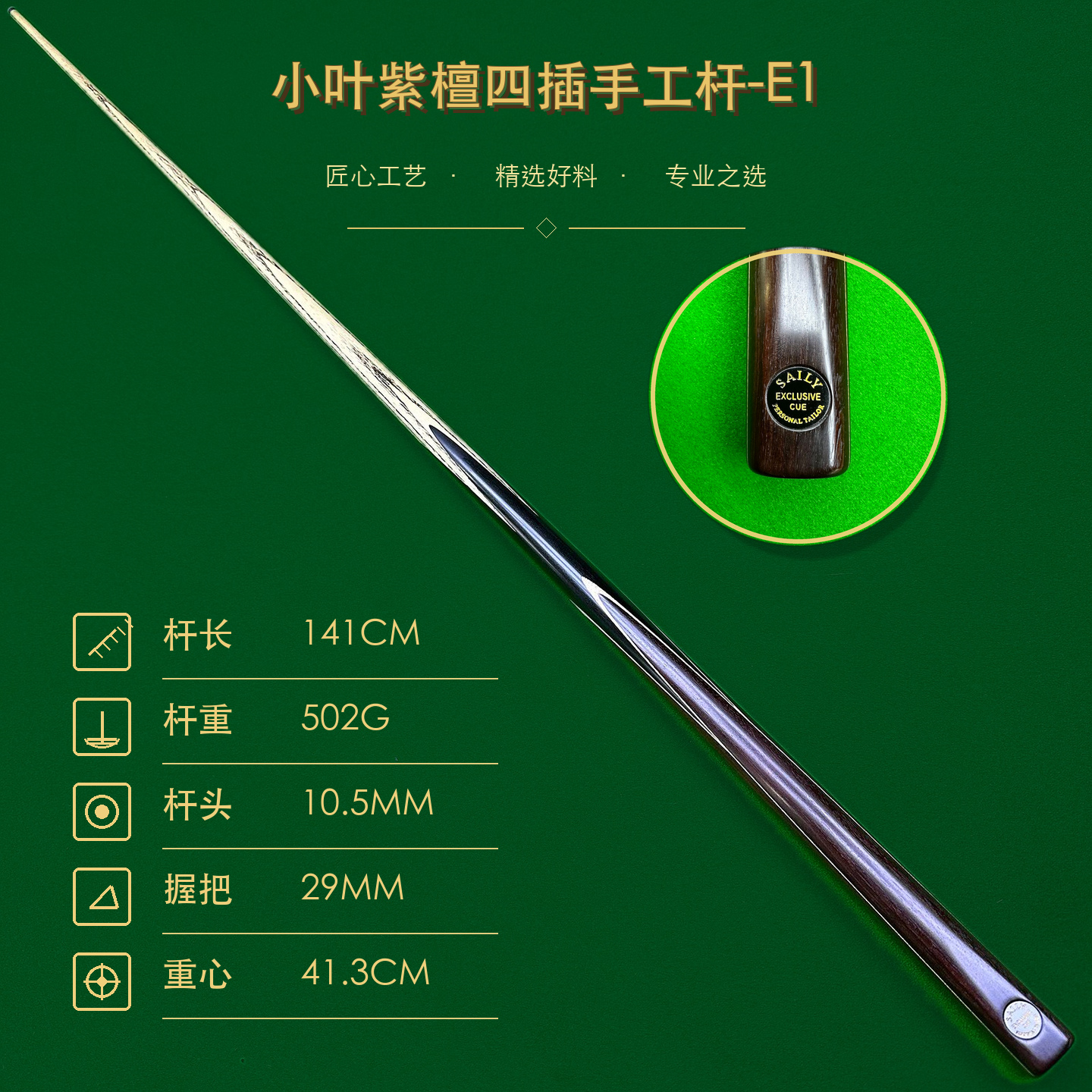
For a new or replacement cue, compare the exact measurements and product information in the SAILY CUE catalogue. Listing photographs help identify the cue, but they do not establish a universal care method or guarantee a playing result.
Snooker cue shaft oil FAQ
Should you oil a snooker cue shaft?
Not by default. Use oil only when the cue maker or a qualified technician gives clear instructions for that exact cue and surface. If the surface or finish is unknown, begin with a clean, soft, dry cloth and stop before applying anything.
Can oil fix a sticky snooker cue shaft?
Do not assume it can. Stickiness may come from hand residue, chalk, storage conditions, an existing finish or another surface issue. A dry baseline and careful inspection are safer than adding a product that may leave more residue.
Is cue wax safer than cue oil?
Neither is automatically safe for every shaft. Oil, wax and liquid products can interact differently with a bare or finished surface. Follow exact maker instructions rather than choosing by a general label or another player’s routine.
What should I do if I already used oil on my cue shaft?
Stop adding product, record what was used and when, and avoid abrasive cleaning or sanding. Keep the cue dry and ask the maker or an experienced cue technician how to assess that exact surface.
SAILY CUE COLLECTION
Keep the cue record clear
Review real product photographs and documented specifications before choosing a care method for a particular shaft.