
SNOOKER CUE CARE · SHAFT FEEL
Why Does My Snooker Cue Shaft Feel Sticky?
Separate hand, chalk, cloth, room and surface factors before a small maintenance issue becomes an irreversible cue alteration.
Short answer: a snooker cue shaft may feel sticky because the hand, chalk dust, a reused cloth, room conditions or the shaft surface changed. Wash and dry your hands, inspect the exact cue in diffuse light and compare a few gentle feathers without hitting a ball. Wipe loose residue only with a clean soft dry cloth. If the cloth catches, fibres appear raised, the finish changes, the cue contacted an unknown product or dry wiping does not solve the concern, stop and ask the maker or an experienced cue technician before using liquids, oils, waxes or abrasives.
First separate “sticky” from “rough” or “damaged”
Players use “sticky” for several sensations. The bridge hand may drag on a smooth-looking surface, a patch may feel tacky, a cloth may catch on a raised point, or the cue may simply feel different after moving between rooms. Those observations do not share one automatic remedy.
Locate the area without squeezing or bending the shaft. Does the resistance follow the bridge hand everywhere, or only one short section? Does it appear before chalking, after several frames, or immediately after the cue leaves its case? Record what changed since the previous session, including any cloth, cleaner or storage place used.
Keep surface feel separate from straightness. A shaft can feel smooth without being straight, and drag does not prove warping. Use the non-destructive cue straightness guide only when bending is the actual question.
Run a clean, dry baseline before treating the cue
Wash your hands with the product you normally tolerate, rinse them and dry them completely. Remove rings and hard accessories. Use a clean bridge hand and make a few slow feathers over a protected table without striking a ball. If the sensation quickly returns, stop and inspect rather than increasing pressure.
- Identify the exact cue.Record its name or reference and photograph the complete shaft.
- Check the cloth.Use a fresh soft lint-free cloth with no polish, oil, grit or household cleaner.
- Compare one section.Use light lengthwise contact and observe whether loose residue transfers.
- Recheck with dry hands.Make only a few gentle feathers and note the location of any remaining drag.
- Stop before guessing.Do not add a second product merely because the first dry check was inconclusive.
This small baseline helps distinguish a temporary hand or surface-residue issue from a persistent local change. It does not identify the wood, coating or repair history, and it cannot prove what treatment the shaft needs.
Inspect the shaft in diffuse light
Rotate the cue slowly above a clean padded surface. Look for loose chalk, a glossy patch, darker residue, a dent, a lifted finish, an open crack or a raised fibre. Use a photograph from the same angle and light to compare the area later. Do not scrape a mark to discover what it is.
A smooth glossy area may not be removable dirt, while a rough point may be damage rather than residue. Unknown coatings and previous repairs make generic internet recipes especially risky. If the cue has maker care instructions, confirm that they refer to the exact surface and current condition.
Check the tip, ferrule and joint separately, because material and maintenance needs differ. A shaft-feel problem does not justify spreading a cleaning product onto adjacent parts.
Use the least aggressive cleaning step
For loose chalk and ordinary hand residue, support the cue and wipe gently along the shaft with a clean soft dry cloth. Turn the shaft so the cloth reaches the full circumference, move to a clean section when residue appears and finish with another dry pass.
The detailed snooker cue shaft cleaning guide explains this conservative sequence. Dry wiping is a starting point, not a promise that every mark should disappear. If it does not solve the problem, the next step is cue-specific guidance—not harder rubbing.
Do not assume water, alcohol, household spray, furniture product, oil, wax, powder or another player’s cue product is suitable. Do not sand, scrape or use an abrasive pad. These methods can leave residue or remove material, changing the finish, diameter or taper.
Compare the room, case and handling routine
If the cue feels different only at one venue, note the room, table area and time since the cue left its case. Avoid inventing a universal temperature or humidity threshold: the practical task is to record the change, allow the cue to settle indoors and inspect it before play.
A cue case reduces knocks and unwanted movement but is not automatically an environmental control system. Keep the cue away from wet cloths, loose chalk and leaking products. Do not use a vehicle as long-term storage; the car-storage guide explains the difference between necessary transport and leaving a cue in a changing environment.
After play, use a clean dry cloth for loose residue and return the cue to a clean, correctly sized case. The broader storage and care checklist covers support, separation of accessories and condition records.
Know when home troubleshooting should stop
Stop when the cloth catches, fibres appear raised, the surface has a dent or crack, colour transfers unexpectedly, a finish seems to lift, the cue contacted an unknown chemical, or the sensation remains after the dry baseline. Also stop if assembly, straightness or structural condition has changed.
Share current photographs, the cue identity, known finish information and every product already used with the maker, seller or an experienced cue technician. Do not test a questionable area with hard shots or irreversible work.
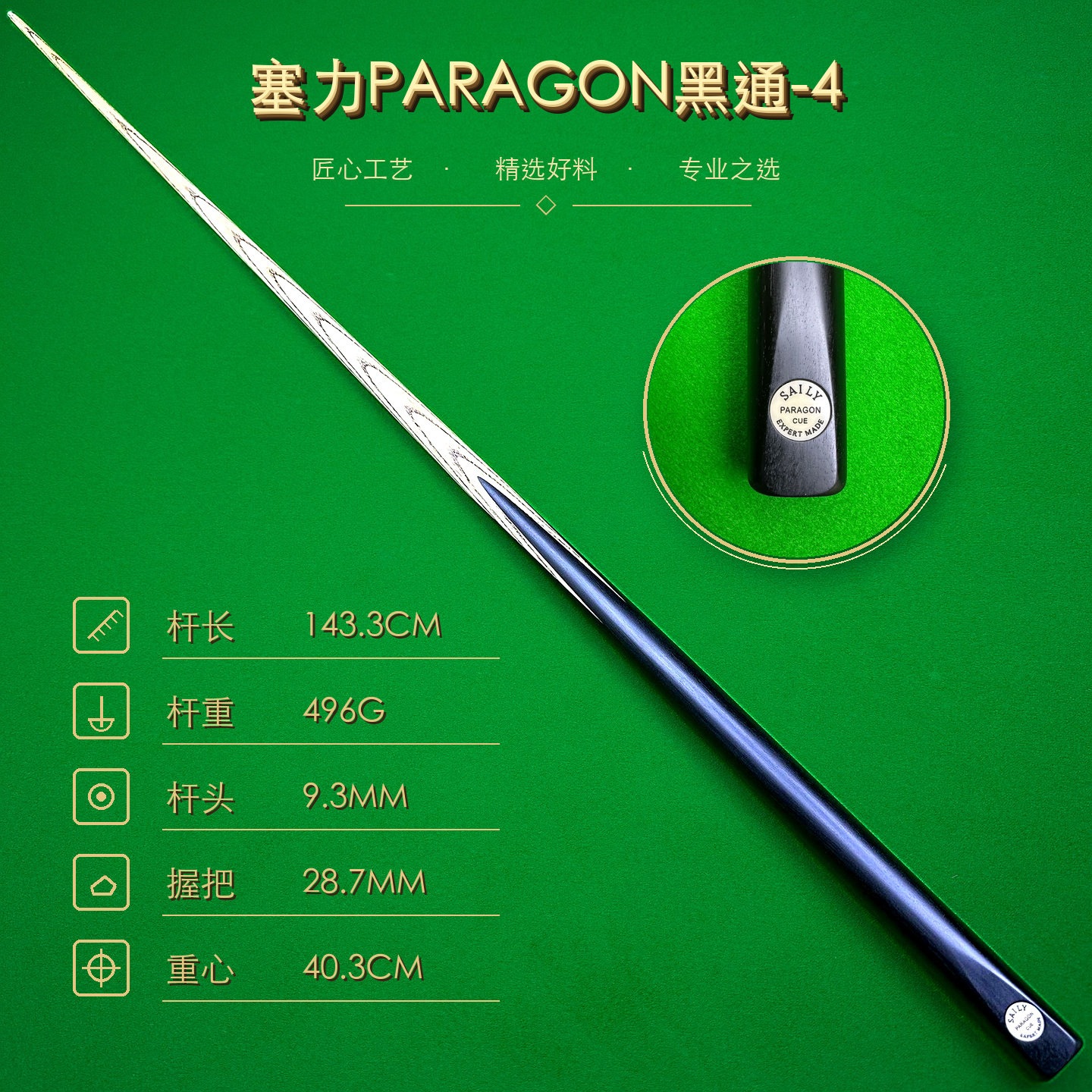
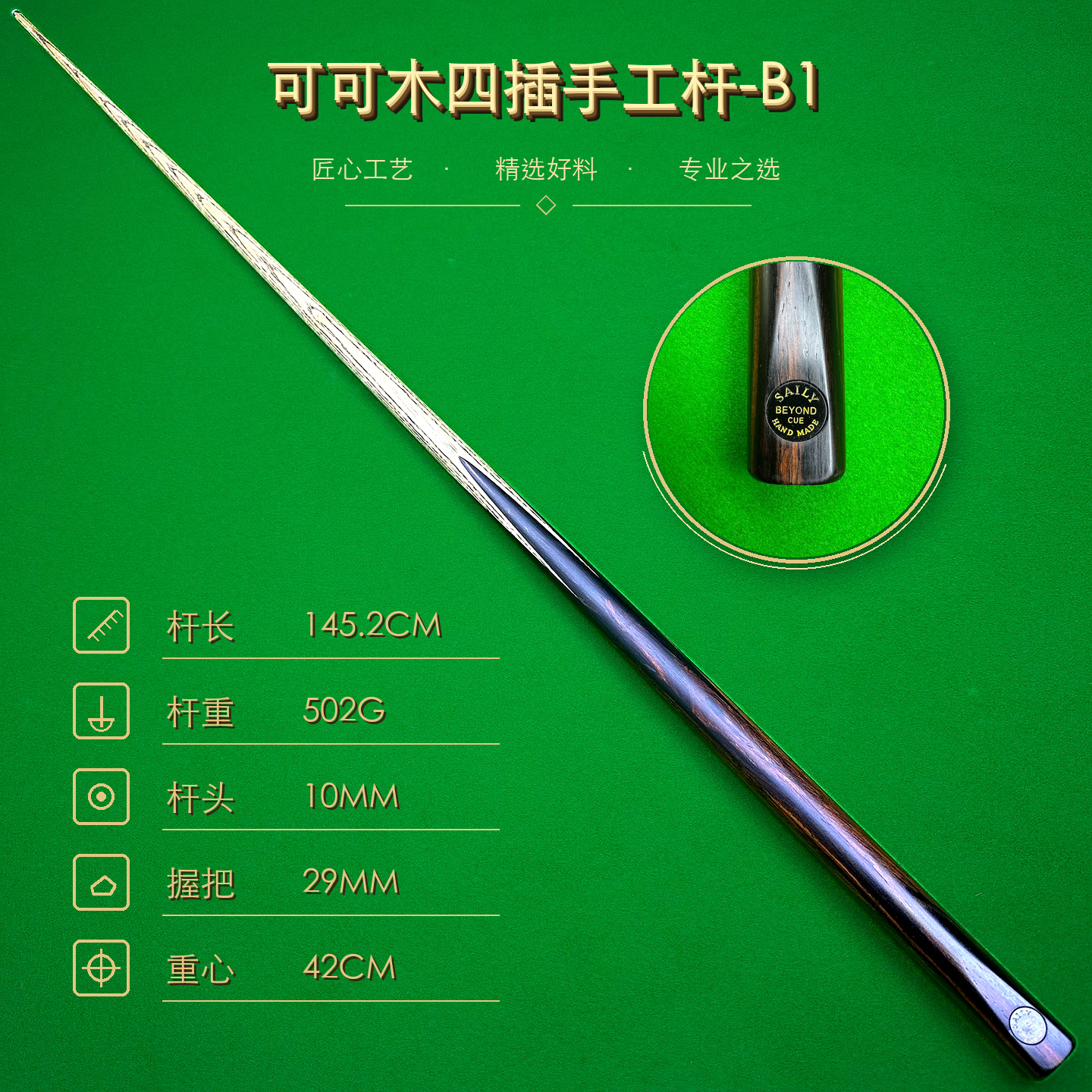
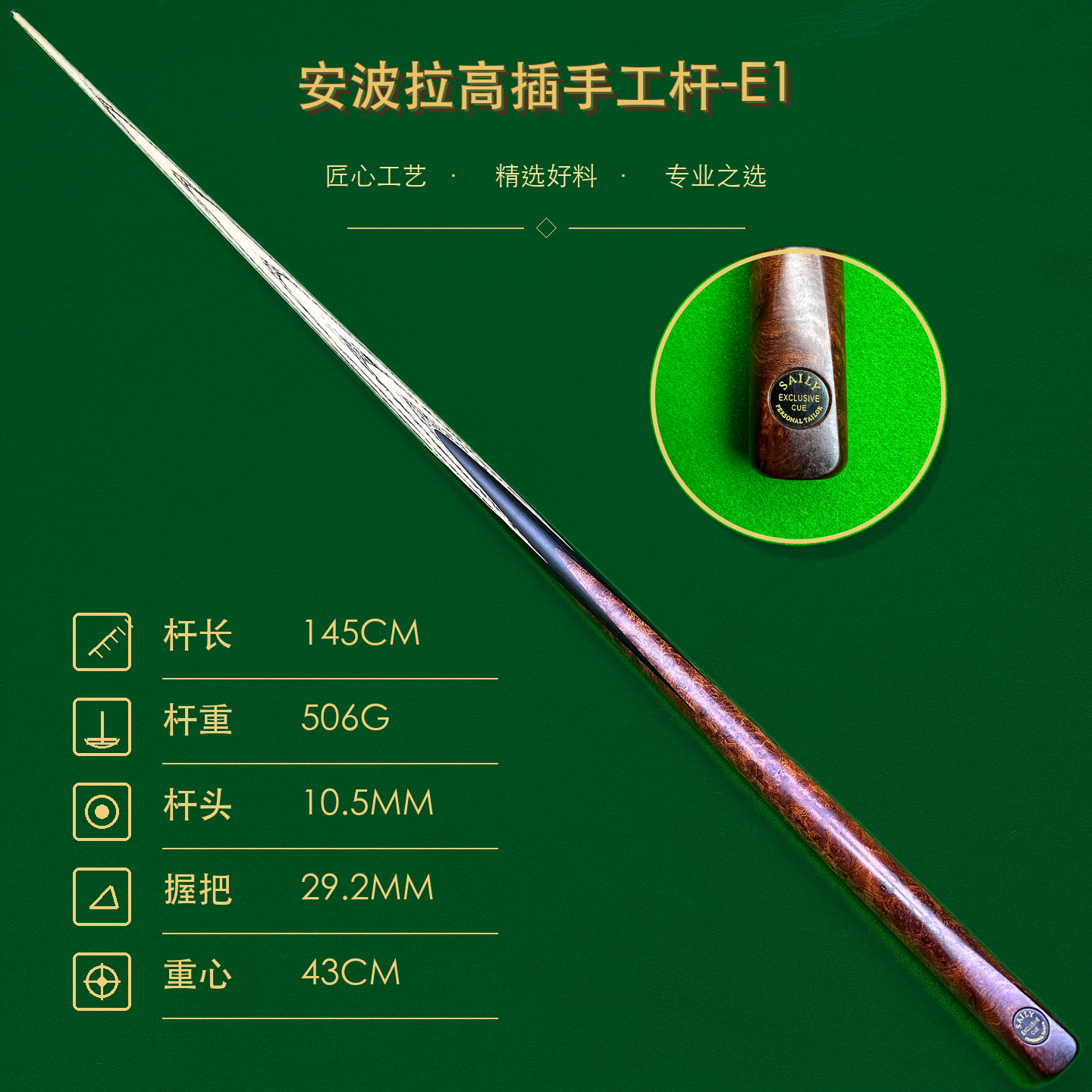
SAILY CUE’s English cue catalogue shows real product photographs and individual specifications that illustrate why maintenance notes should belong to one exact cue. A listing image cannot diagnose a sticky shaft, but it can anchor the identity and previous visible condition.
Sticky snooker cue shaft FAQ
Why does my snooker cue shaft suddenly feel sticky?
The sensation can change with hand residue, loose chalk, room conditions, a contaminated cloth or a change in the shaft surface. Compare conditions and inspect the exact cue before assuming one cause.
Can I use oil or household cleaner on a sticky cue shaft?
Do not guess. Unknown liquids, oils and cleaners may leave residue or affect an unknown finish. Start with a clean soft dry cloth and follow maker-specific or experienced cue-technician guidance for anything more.
Should I sand a shaft that feels sticky or rough?
No. Sanding removes material and may change the finish, diameter or taper. Stop if the cloth catches, fibres appear raised, the finish changes or the surface seems damaged.
Does a sticky shaft mean the cue is warped?
Not necessarily. Surface feel and straightness are different questions. Inspect residue or finish concerns first and use a separate non-destructive straightness check if bending is the concern.
SAILY CUE COLLECTION
Keep maintenance tied to the exact cue
Review real cue photographs and individual records, then use maker-specific or experienced technician guidance for any treatment beyond a dry wipe.