
SNOOKER CUE SPECIFICATIONS · SHAFT PROFILE
Snooker Cue Taper Guide: How to Understand and Compare Shaft Profiles
Turn a vague taper label into a useful record of how one real shaft changes in diameter from the tip toward the butt.
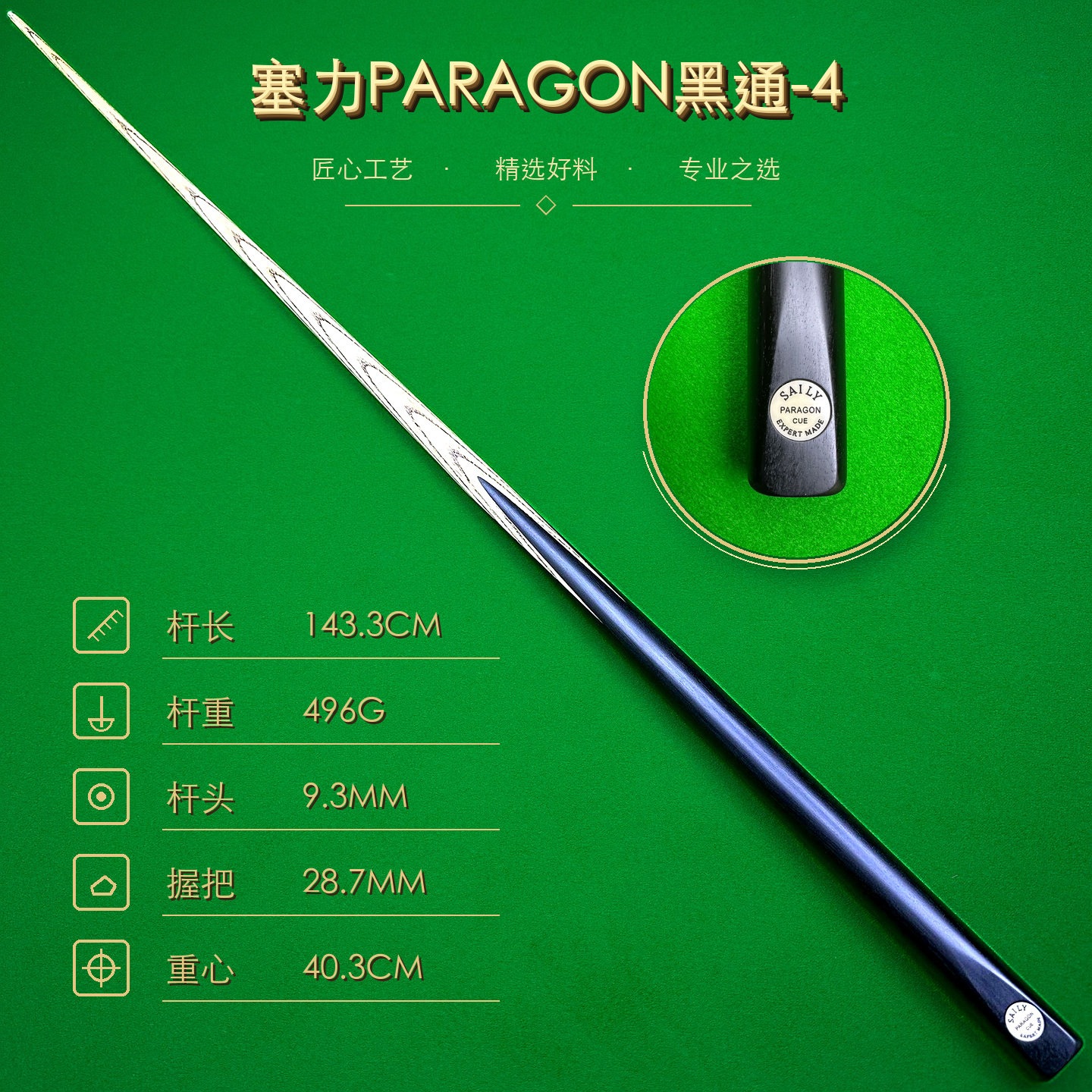
Short answer: snooker cue taper is the way the shaft becomes wider as it runs back from the tip. Do not compare taper from one tip-size number or a seller label alone. Identify the exact cue, record diameter at the same stated distances, note the complete playing configuration and keep preference separate from claims about quality or accuracy.
What does snooker cue taper mean?
A cue shaft is not normally one diameter from end to end. It is narrow near the tip and gradually becomes wider toward the butt. The pattern of that change is the shaft profile, commonly described as its taper. Taper therefore describes a relationship over distance, not a single specification.
This distinction matters when reading a product page. A listed tip size tells you the diameter at or close to the tip reference. A listed butt diameter describes a different part of the cue. Neither number shows what happens between them. Two cues can share a similar tip size while feeling different in an open bridge because one becomes wider sooner or more gradually.
Start with the tip-size guide if the end measurement is unclear. Then treat taper as a separate comparison that needs at least two shaft measurements and clearly stated positions.
Treat taper names as seller language, not complete measurements
Listings may use words such as gradual, traditional, straight, conical or progressive. Those labels can help describe an item, but they are not useful comparison data unless the seller explains what the word refers to. Different makers or sellers may use the same term for visibly different profiles.
Ask whether the description applies to the complete cue, only the front shaft section, or a replaceable shaft. On a jointed cue, also confirm which assembled configuration was measured. Do not assume that a familiar label fixes the tip size, shaft diameter, length, wood, stiffness or playing response.
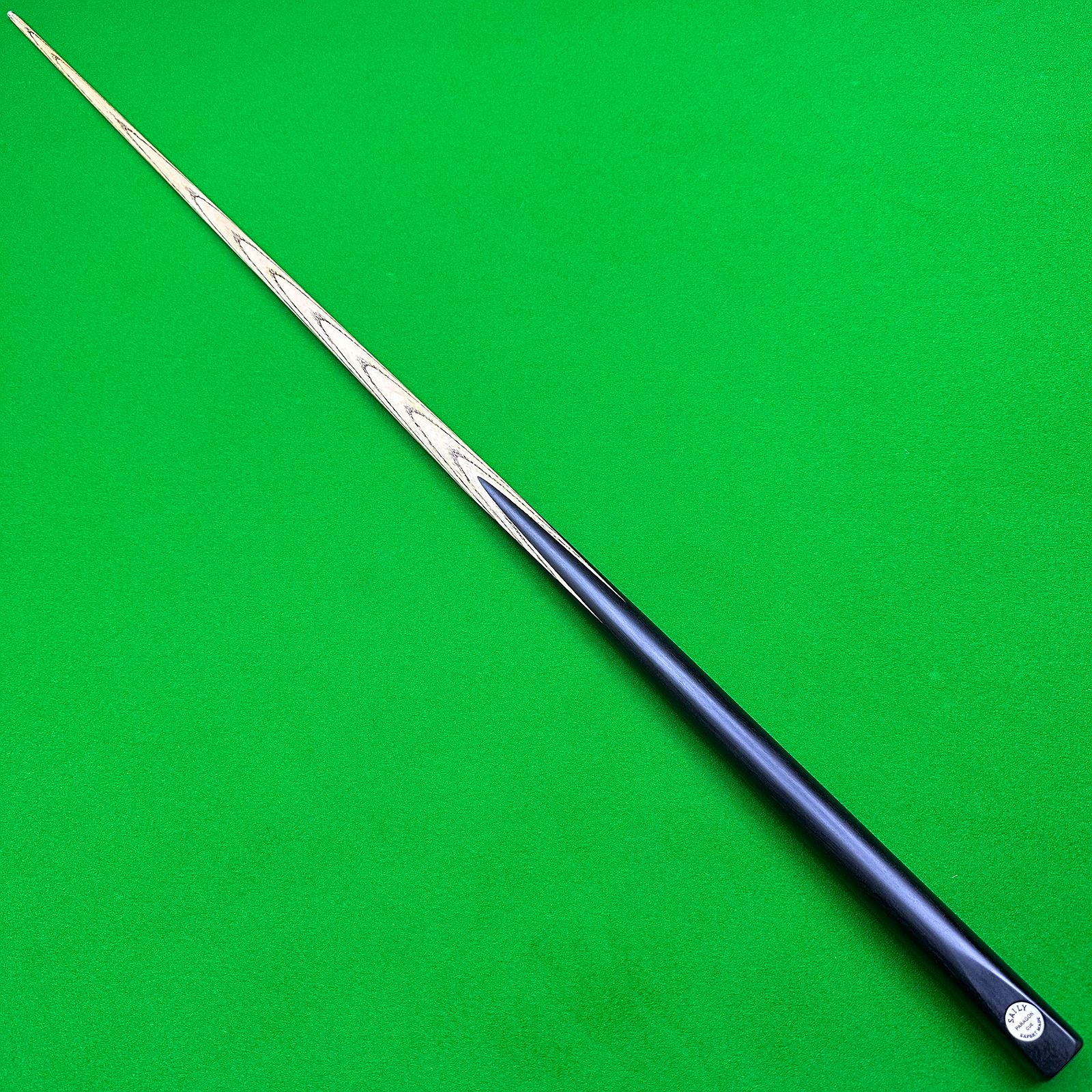
How to build a repeatable cue-taper record
You can describe a shaft profile without specialist workshop equipment, provided the method protects the cue and makes its limitations clear. Use a clean digital calliper that reads consistently. Close the jaws with only light contact; never squeeze, twist or slide metal jaws along the finish. If you are not confident the tool can be used without marking the cue, ask the maker or seller to measure it.
- Identify the exact cue.Record its name, number, photographs and whether it is one-piece or jointed.
- Choose the tip-end reference.State whether distances begin at the playing surface, tip base or ferrule edge. Use that same reference every time.
- Mark repeatable distances.For example, choose several points along the shaft. These are your own record positions, not a universal industry standard.
- Measure each diameter lightly.Take two readings at every point, remove the tool between readings and record the result in millimetres.
- Keep the configuration fixed.State whether extensions are removed and whether all normal playing sections are assembled.
The exact distances matter more than choosing fashionable positions. A note such as “10.1 mm, 150 mm from the tip base” can be checked later. “Slim shaft” cannot. For a careful single-point method, see how to measure snooker cue shaft diameter.
Compare cue profiles on the same basis
Put the records side by side only after matching the reference and units. If one seller measures from the tip surface and another measures from the ferrule edge, the stated distances are not equivalent. Likewise, measurements taken at 100, 200 and 300 mm cannot be directly matched to a record taken at 150, 250 and 350 mm without additional data.
Look at the pattern rather than hunting for one winning number. A larger change between two nearby points means the shaft widened more over that interval. A smaller change means it widened less. This is a geometric description only; it does not tell you whether the cue is straighter, better made or more suitable for your stroke.
Photographs remain important. Keep the profile record with images of the exact cue, its tip and ferrule area, shaft and joint or butt. The snooker cue specification guide explains how to keep measurements, units and item identity together.
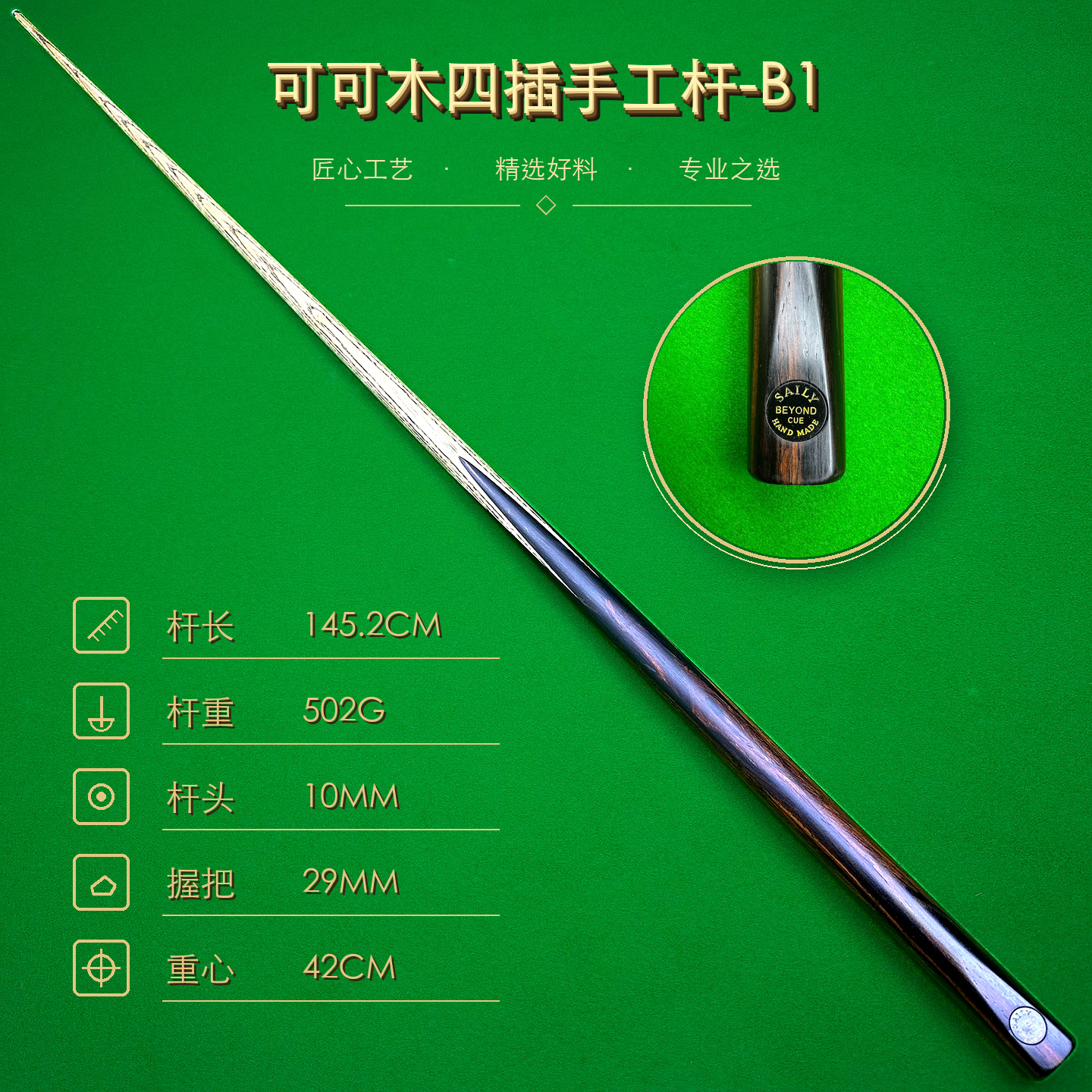
Questions to ask before buying a cue by taper
If taper matters to your choice, ask for evidence that can be repeated. Request the tip-end reference, two or more shaft diameters, the distance of every measuring point and the cue configuration. Ask whether the photographs and measurements belong to the exact cue for sale rather than a general series sample.
Also ask about current condition. A profile record does not replace checks for visible damage, an altered shaft, finish wear or inconsistent listing information. If the cue has been refinished or reduced, the seller should say so rather than presenting a historical specification as the current one.
When practical, test how the exact cue passes through your normal bridge and whether your hand, chin and cue action have comfortable clearance. For an online order, combine the taper questions with the snooker cue buying checklist. Browse the current SAILY CUE catalogue for real product photographs and the measurements available for each listed cue.
What a taper record cannot prove
Taper data can describe and compare shaft shape. It cannot guarantee accuracy, feel, stiffness, deflection, durability or build quality. Those claims require different evidence, and personal playing preference cannot be reduced to one profile label.
Do not sand or refinish a cue merely to chase a taper name seen online. Material removal is difficult to reverse and can change the cue’s surface, dimensions and value. Any repair or intentional reshaping should be assessed by an experienced cue professional who can inspect the actual item.
The useful buying question is therefore not “Which taper is best?” but “How is this exact shaft shaped, how was it measured, and does that documented profile suit what I already know I prefer?”
Snooker cue taper FAQ
What is the taper on a snooker cue?
Taper describes how the shaft diameter changes as you move away from the tip toward the thicker part of the cue. A useful taper record needs more than one diameter and must state where each measurement was taken.
Is cue taper the same as tip size?
No. Tip size is one end measurement. Taper is the change in shaft profile over distance. Two cues can have a similar tip diameter yet widen differently farther down the shaft.
Which snooker cue taper is best?
There is no universal best profile. Comfort depends on the complete cue, bridge, hand clearance and personal preference. Compare documented profiles and, when possible, test the exact cue rather than choosing from a label alone.
Can I measure cue taper with callipers?
Yes, if the tool is clean, accurate and used with very light contact. Measure at clearly stated distances from the tip, avoid squeezing or dragging the jaws and stop if there is any risk of marking the finish.
SAILY CUE CATALOGUE
Compare real cue records
Review current cue photographs and documented specifications, then ask for matching profile measurements if taper is important to your choice.