
SNOOKER CUE TIP · CONDITION CHECK
How to Check a Snooker Cue Tip Before You Buy or Play
Separate visible tip condition from diameter, preference and performance claims before making a purchase or changing an existing cue.
Short answer: inspect the tip in bright, even light from the front and side. Check the playing surface, edge, attachment to the ferrule and any visible cracks, lifting or missing material. For an online cue, request current close-ups of the exact cue. Keep tip condition separate from tip diameter, hardness labels and claims about playability.
Prepare a low-risk tip check
Use clean hands, bright indirect light and a plain background. Support the cue securely so the tip is easy to see without balancing the cue where it could fall. A phone camera can magnify a current condition record, but avoid a wide-angle view that distorts the edge. Do not scrape, cut or sand the tip simply to inspect it.
Identify the exact cue first. Record the listing name, reference number and the date of the photograph. A beautiful close-up is not useful evidence if it belongs to another cue. The online snooker cue buying checklist explains how to match photographs and specifications to the same physical item.
A tip’s visible wear is a different question from its measured width. Use the snooker cue tip size guide when you need a diameter and reference point.
Check the playing surface from above and from the side
From above, look for a broadly even surface without obvious missing sections, deep splits or loose layers. From the side, look at the overall radius. Players and technicians may prefer different profiles, so the aim is not to enforce one universal dome. The aim is to notice asymmetry, a flat patch that was not disclosed or a shape that has changed suddenly.
Chalk can hide the leather surface and make a normal texture look like damage. Wipe away only loose chalk with a dry, soft cloth or brush. Do not soak the tip or use a chemical cleaner. If the cue is not yours, ask the owner or seller before touching it at all.
A compressed playing surface is not automatically a defect. Tips wear with use, and appearance alone cannot establish hardness, feel or remaining service life. Describe what the photographs show rather than turning colour or texture into a performance promise.
Inspect the edge, ferrule junction and attachment
Rotate the cue slowly in your hands while watching the tip edge. Look for heavy overhang, a lifted section, a gap between tip and ferrule, a crack through the material or an obviously uneven attachment. A slight outward flare may be described as mushrooming, but the amount and appropriate maintenance depend on the actual tip and cue.
Do not insert a blade into a suspected gap or pull at a loose edge. That can convert an inspection into damage. If the tip moves, clicks, lifts or appears partly detached, stop playing and ask an experienced cue technician to assess it. Avoid testing a questionable attachment with a hard shot.
Inspect the visible ferrule at the same time for obvious chips, cracks or a large step at the junction. This is a condition screen, not a material identification test. Do not infer ferrule composition or construction from colour alone.
What to request when buying a cue online
Ask for one straight-on image of the playing surface, side views from at least two directions and a wider photograph that connects the tip to the exact shaft and cue. Even lighting and sharp focus matter more than dramatic styling. If the seller has several similar cues, include the cue reference in the frame or the message thread.
- Confirm when the tip was fitted.If the history is unknown, record it as unknown rather than inventing an age.
- Ask what the price includes.Clarify whether tip replacement or preparation is part of the sale.
- Request current photographs.Old catalogue images may not show present wear or recent maintenance.
- Check the return terms.Know what happens if the received condition differs materially from the listing.
- Separate facts from preference.A brand or hardness label does not guarantee that the tip will suit every player.
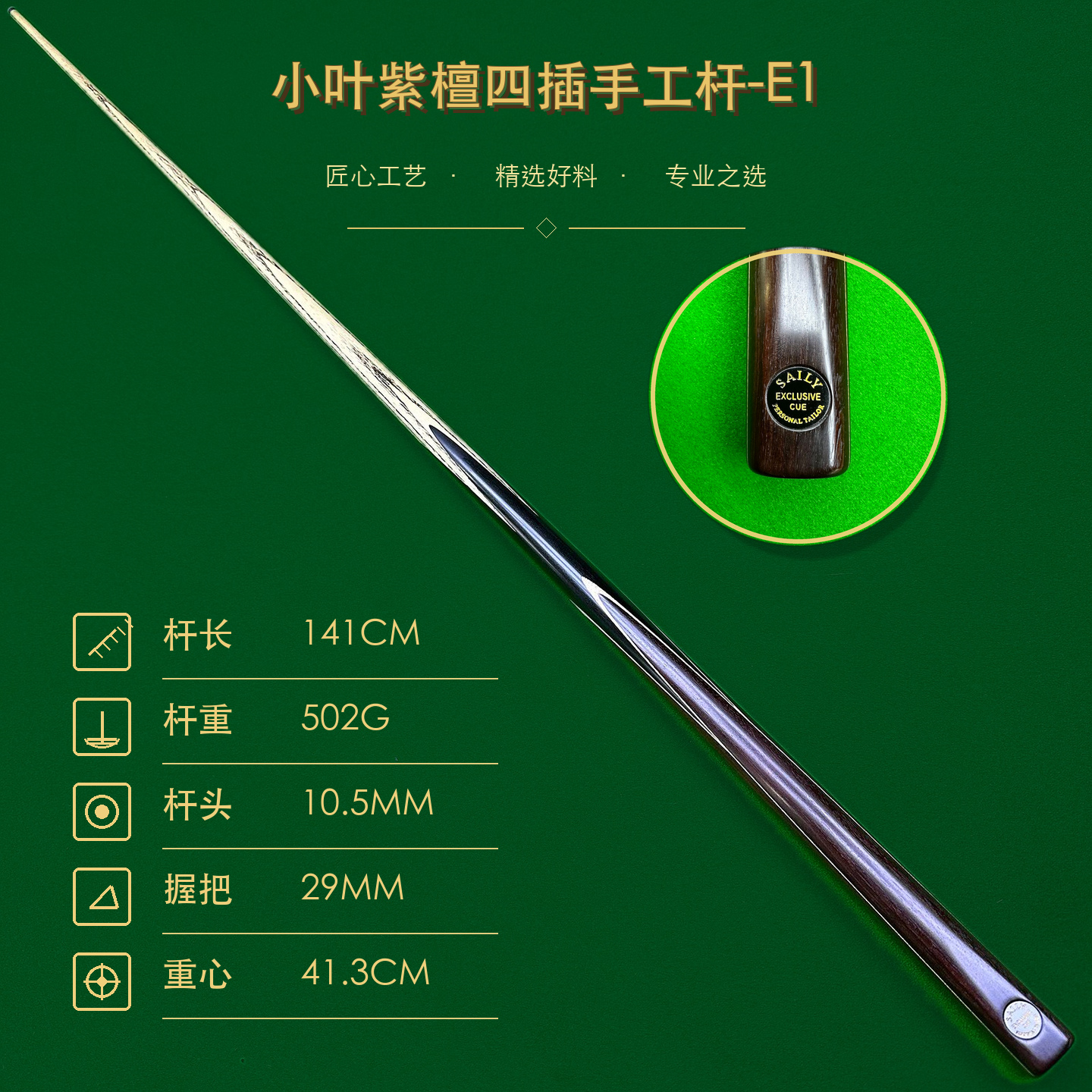
SAILY CUE publishes real product photographs and measured cue fields in its English cue collection. Where a close-up or maintenance detail is not stated, contact the seller for the exact cue rather than inferring it from the series.
Make a quick check before normal play
Before a session, confirm that the tip is still attached, the edge is not lifting and the playing surface has no new missing section. Chalk lightly and take a few gentle warm-up strokes away from balls. If the sound, feel or visible condition is unusual, pause instead of trying to “test” it with power.
After play, remove loose chalk and store the cue where the tip is protected from knocks and pressure. Do not leave accessories pressing against the tip inside a crowded case. The broader snooker cue storage and care guide covers supported storage, gentle cleaning and transport.
Decide whether to leave it, maintain it or stop
If the tip is secure and the visible shape is familiar, document it and continue normal use. If the edge has a modest flare but the attachment is intact, ask a technician whether conservative dressing is appropriate. If you see lifting, a gap, deep cracking, missing material or movement at the attachment, stop and arrange an assessment or replacement.
Tip replacement and shaping remove material and can affect the adjacent ferrule if done carelessly. Use proper cue-maintenance tools and experience, or choose a qualified cue technician. A written checklist cannot inspect the cue in your hands and should not be treated as a guarantee of condition or performance.
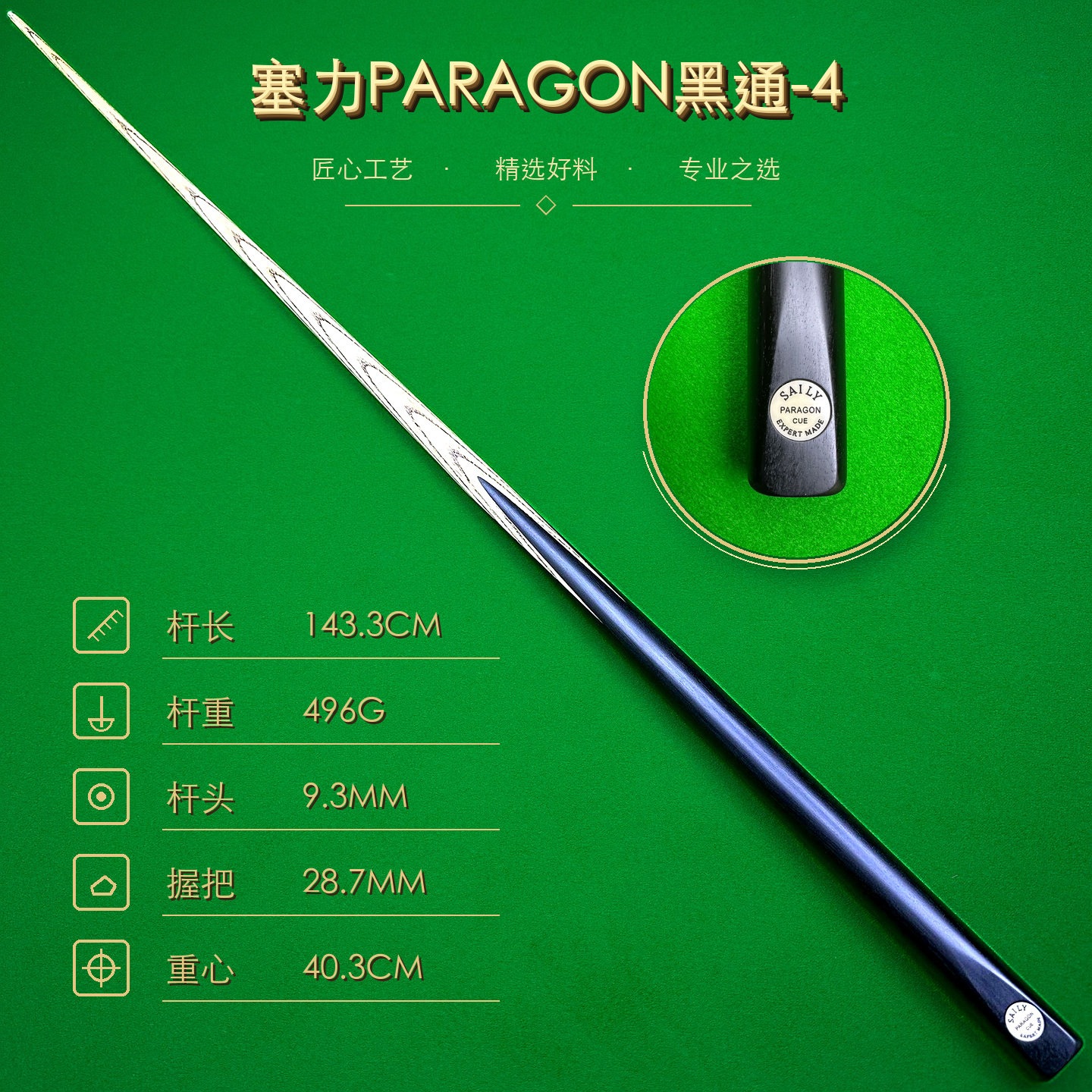
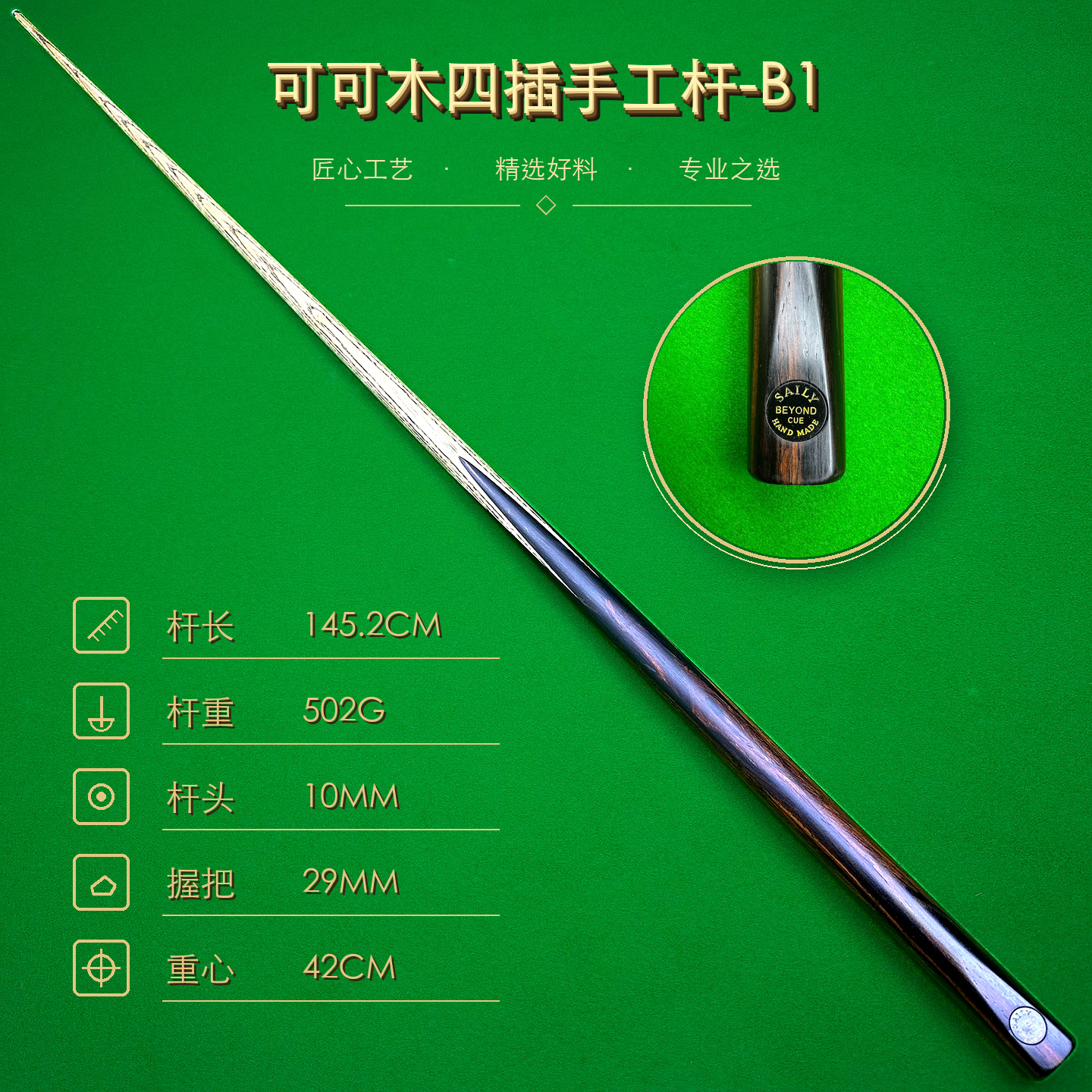
When browsing individual references such as the Paragon Ebony Cue No. 4 or Cocobolo Four-Splice Handmade Cue B1, use their photographs and measured fields to identify the cue, then ask for the current tip evidence needed for your decision.
Snooker cue tip inspection FAQ
What should a snooker cue tip look like?
Look for a broadly even playing surface, a controlled dome or radius, intact edges and a clean attachment to the ferrule. The exact preferred profile varies, so compare condition rather than expecting one universal shape.
Is a mushroomed cue tip always unusable?
A slight edge flare may be serviceable, but heavy overhang, lifting, cracking or loose material needs attention. Do not cut or sand an unfamiliar cue aggressively; ask an experienced cue technician when condition is uncertain.
Can photos prove that a cue tip is good?
Photos can show visible shape and damage when they are current, close and well lit, but they cannot prove feel, hardness, adhesion or future durability. Ask the seller what is known and what is not.
Is tip size the same as tip condition?
No. Tip size is a diameter measurement at a stated point. Condition concerns the visible playing surface, edge, attachment and wear. A measured tip can still need maintenance, and a tidy-looking tip still needs an honest measurement.
SAILY CUE COLLECTION
Compare exact cue records
Browse real cue photographs and measured specifications, then ask for current close-ups when tip condition matters to the order.