
SNOOKER CUE TIP · HARDNESS LABELS
Snooker Cue Tip Hardness Guide: How to Compare Soft, Medium and Hard Tips
Treat hardness as a range-specific product label, then verify the exact tip, current condition and fitted cue before turning one word into a buying decision.
Short answer: soft, medium and hard are useful only when tied to an exact tip brand, model or maker range. They are not a universal scale and do not rank quality. Record the complete product name, nominal grade, tip diameter, current shape and condition, fitting history and exact cue. Compare like with like, and use normal practice—not colour, price or one dramatic shot—to decide whether a known tip suits your preference.
What cue tip hardness does—and does not—tell you
Hardness describes how a manufacturer or seller places a tip within a particular product range. A range may offer soft, medium and hard options, but the words do not create one shared measurement across the whole market. Without an exact maker, model and grade, “medium tip” is incomplete information.
Hardness is also not a quality score. A harder label is not automatically more durable, accurate or suitable, and a softer label is not automatically more responsive. Construction, preparation, fitting, current condition, cue setup and player preference all matter. Avoid claims that one grade guarantees more spin, control or potting success.
Read soft, medium and hard as range-specific labels
Begin with the original packaging, maker information or a reliable seller record for the exact tip. Write the brand, product line, nominal grade and diameter. If the tip is already fitted and its history is unknown, record “unknown” rather than guessing from colour, surface texture or how it feels under a fingernail.
Some sellers use shorthand such as S, M or H. Confirm what the letters mean in that exact listing. A medium label from one range should not be treated as an exact match for a medium label from another. If a seller provides a numerical test or scale, ask what method and units were used before comparing it with another source.
Use a comparison record that keeps variables separate
A useful tip record has several independent fields. The snooker cue specifications guide explains how to keep the cue identity and playing configuration clear; use the same discipline for the tip.
- Exact tip identity.Record brand, model or range and the stated soft, medium or hard grade.
- Diameter.Record the stated or measured size separately using the snooker cue tip size guide.
- Current condition.Note the playing surface, edge, attachment and any visible wear or damage.
- Fitting history.Record when and by whom it was fitted if known; do not invent a date.
- Playing configuration.Identify the exact cue and any other equipment change made at the same time.
This record prevents a common comparison error: attributing every difference to hardness when tip size, shape, condition, fitting or the cue itself also changed.
Separate hardness from shape and condition
A used tip’s appearance cannot confirm its original hardness grade. Chalk, compression, shaping and normal wear alter what you can see. Current photographs can document the playing surface, edge and attachment, but they cannot prove the maker’s grade, feel or remaining service life.
Use the cue tip condition guide to look for lifting, gaps, cracking, missing material or a sudden shape change. Do not press, cut, sand or soak an unfamiliar tip simply to “test” hardness. That turns a comparison into irreversible maintenance and may affect the adjacent ferrule.
Hardness is a product label, diameter is a measurement, shape is a prepared profile and condition is the current visible state. One field cannot safely stand in for the other three.
What to ask before buying a cue or replacement tip
For a loose replacement tip, ask for the complete product name, nominal grade, diameter, quantity, current packaging and any fitting guidance supplied by the maker or seller. For an installed tip, ask whether the identity and grade are known, who fitted it, whether it has been shaped or maintained and whether current close-up photographs are available.
When buying a whole cue online, connect the tip evidence to the exact physical cue. Request a full-cue image plus current front and side close-ups of the tip and ferrule. The online cue buying checklist covers reference numbers, measured specifications, included items, condition and order terms.
Do not infer hardness from cue price, wood name, tip colour or a seller’s broad claim that a setup is “professional.” If hardness is important and the seller does not know it, price and assess the cue on the basis that the grade is unknown. Browse SAILY CUE’s English cue collection for real product photographs and measured fields, and use the tips and accessories category when checking available equipment.
Test a known tip conservatively after fitting
A newly fitted or unfamiliar tip should be checked first for secure attachment, an appropriate prepared shape and clearance around the ferrule. If you do not have the tools and experience to fit or shape a tip safely, use an experienced cue technician. Do not remove material from the ferrule or make aggressive changes just to accelerate a comparison.
Begin with ordinary warm-up shots using a familiar cue and table. Note comfort, sound, visible condition and whether the tip remains secure. Avoid declaring a winner from one shot or changing several cue variables at once. If a tip lifts, cracks, loses material or appears insecure, stop play and have it assessed.
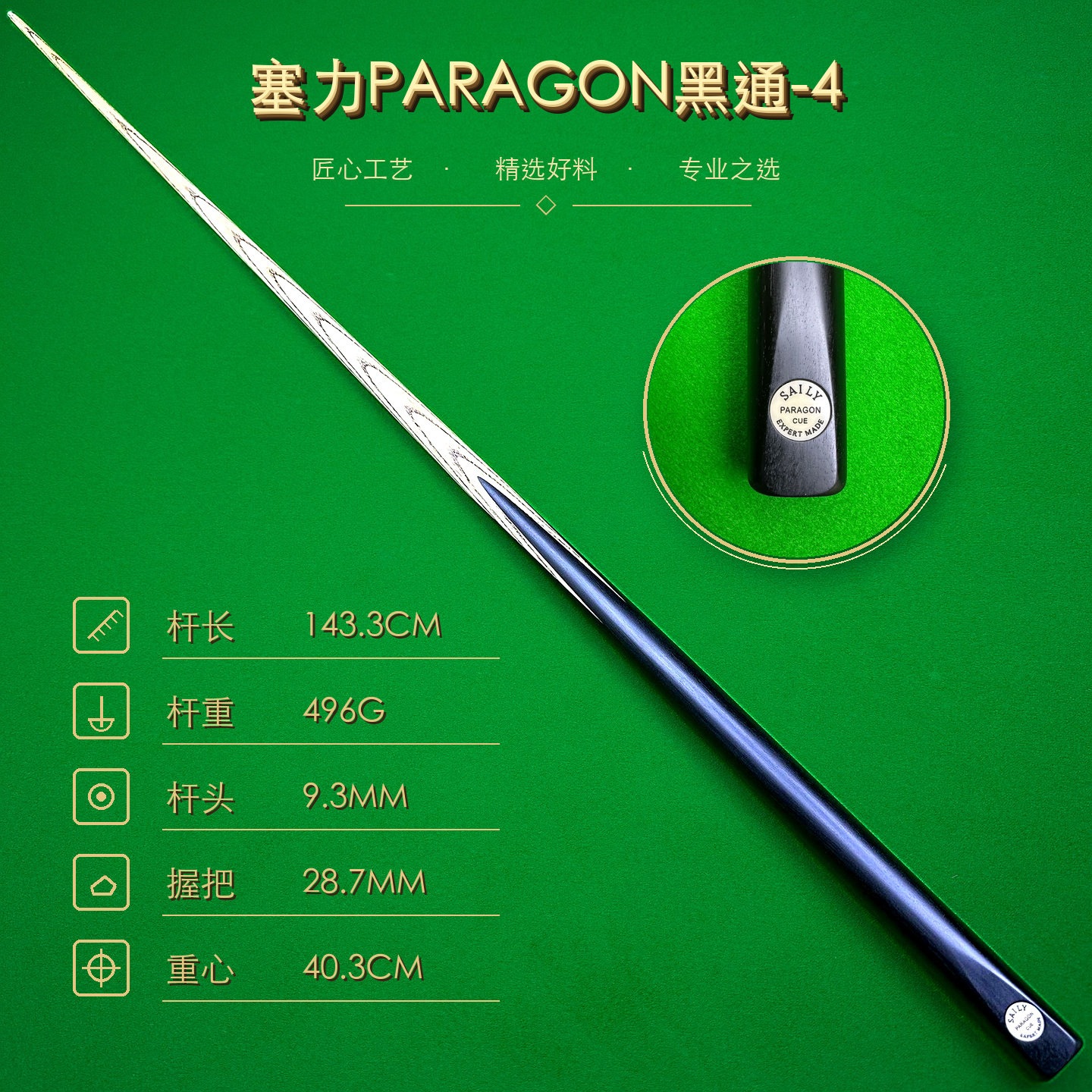
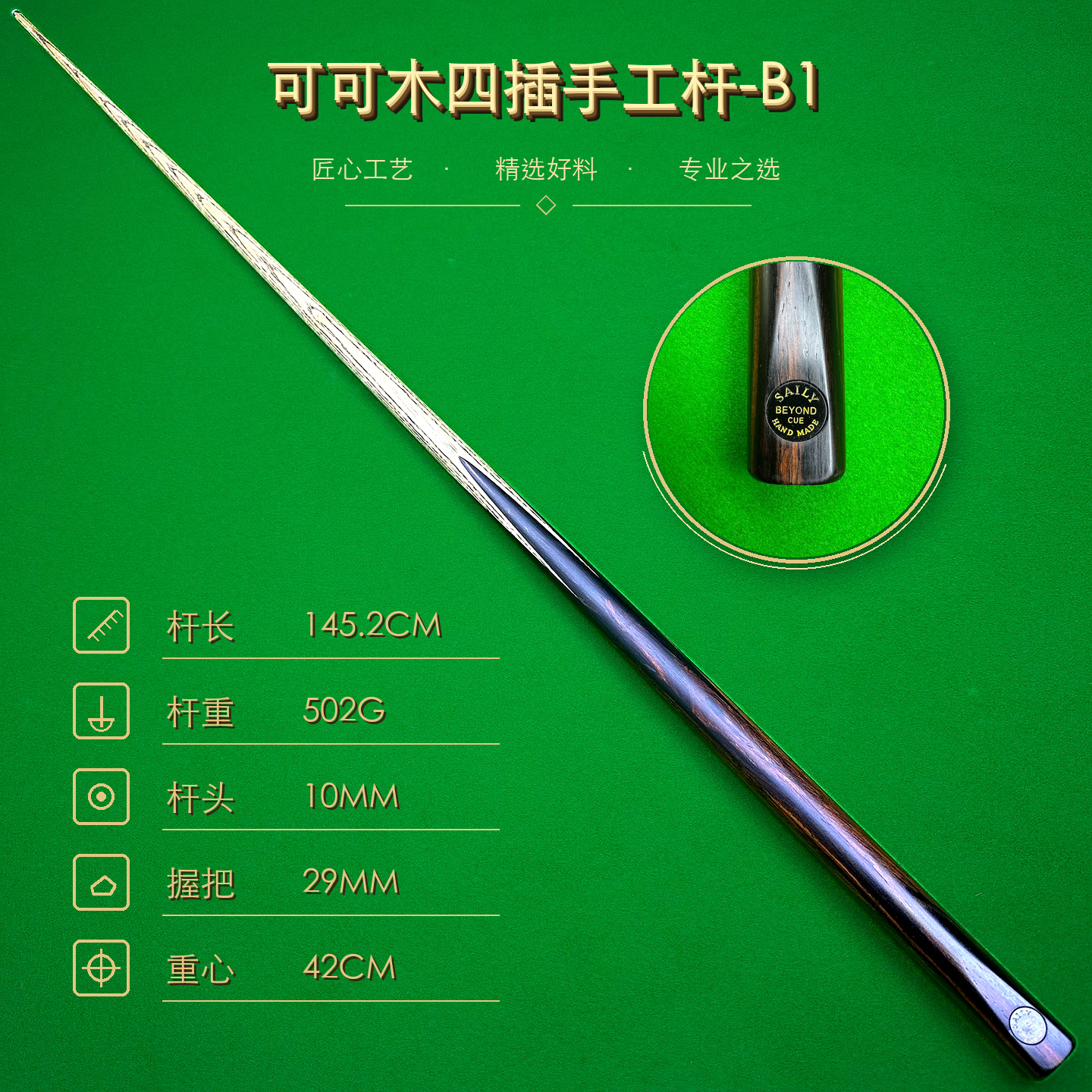
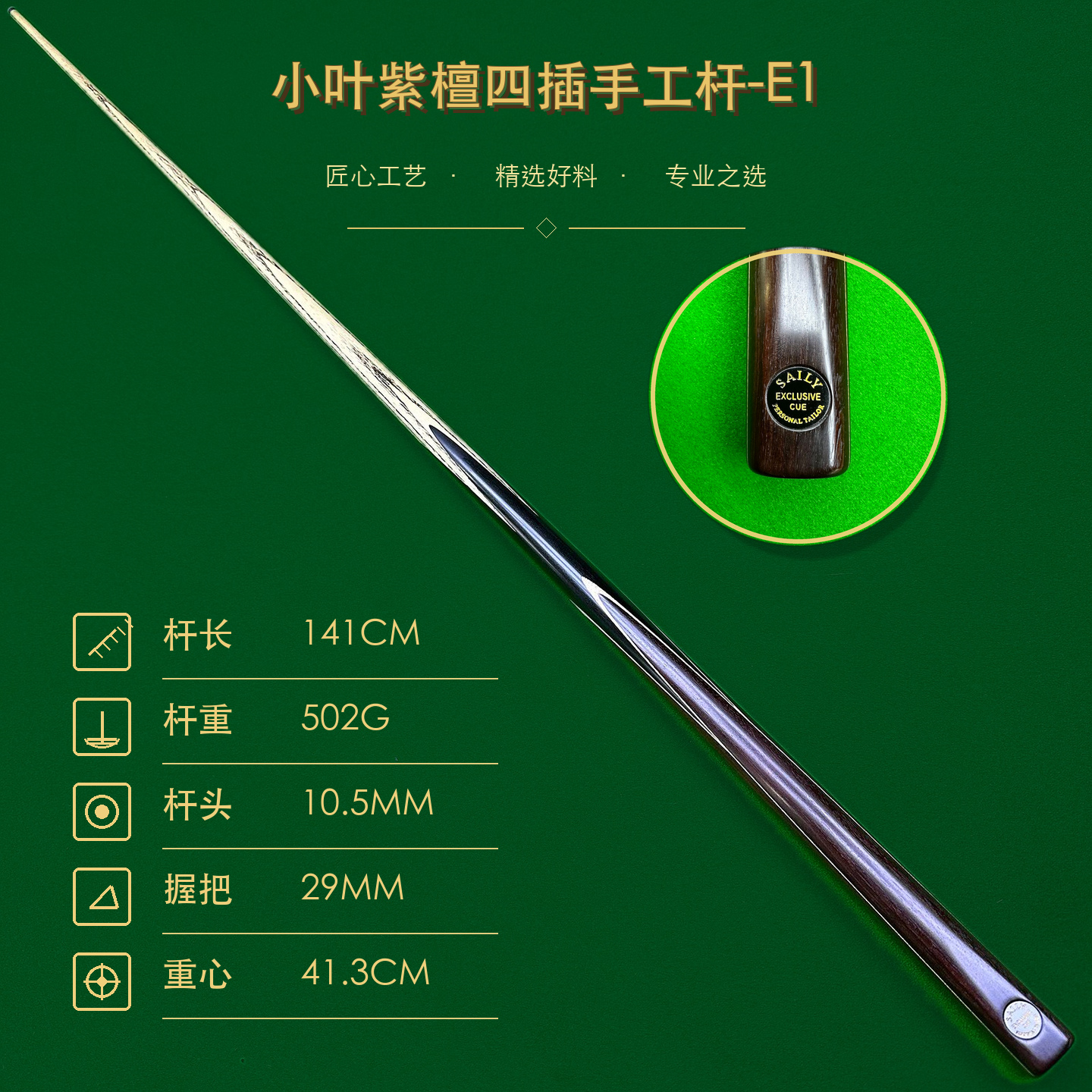
Examples such as the Paragon Ebony Cue No. 4 and Cocobolo Four-Splice Handmade Cue B1 show why exact cue records matter. Their photographs and measurements identify the cue, but a current fitted-tip grade should still be confirmed rather than inferred from the model.
Snooker cue tip hardness FAQ
Is a hard snooker cue tip better than a soft tip?
Not universally. Hardness is one product description and player preference; it is not a quality ranking. Compare the exact brand and model, current condition and installed configuration rather than assuming hard or soft is automatically better.
Are all medium cue tips the same hardness?
No. Soft, medium and hard are maker or seller labels, not a single universal scale shared by every brand. A medium tip from one range may not match a medium label from another.
Can a photograph prove cue tip hardness?
No. A current photograph can document identity, shape, edge and attachment, but colour or visible texture cannot reliably establish a hardness grade. Ask for the exact product name and known fitting history.
Is tip hardness the same as tip size?
No. Tip size is a diameter measured at a stated point. Hardness is a product grade or description. Record them separately, along with condition and the exact cue.
SAILY CUE COLLECTION
Compare exact cue records, not one label
Browse real cue photographs and measured specifications, then ask for the precise fitted-tip evidence needed for your order.