
SNOOKER CUE CARE · TIP DETACHMENT
What to Do If Your Snooker Cue Tip Falls Off
Stop play, preserve the loose parts and attachment evidence, and avoid turning a clean inspection into an improvised repair.
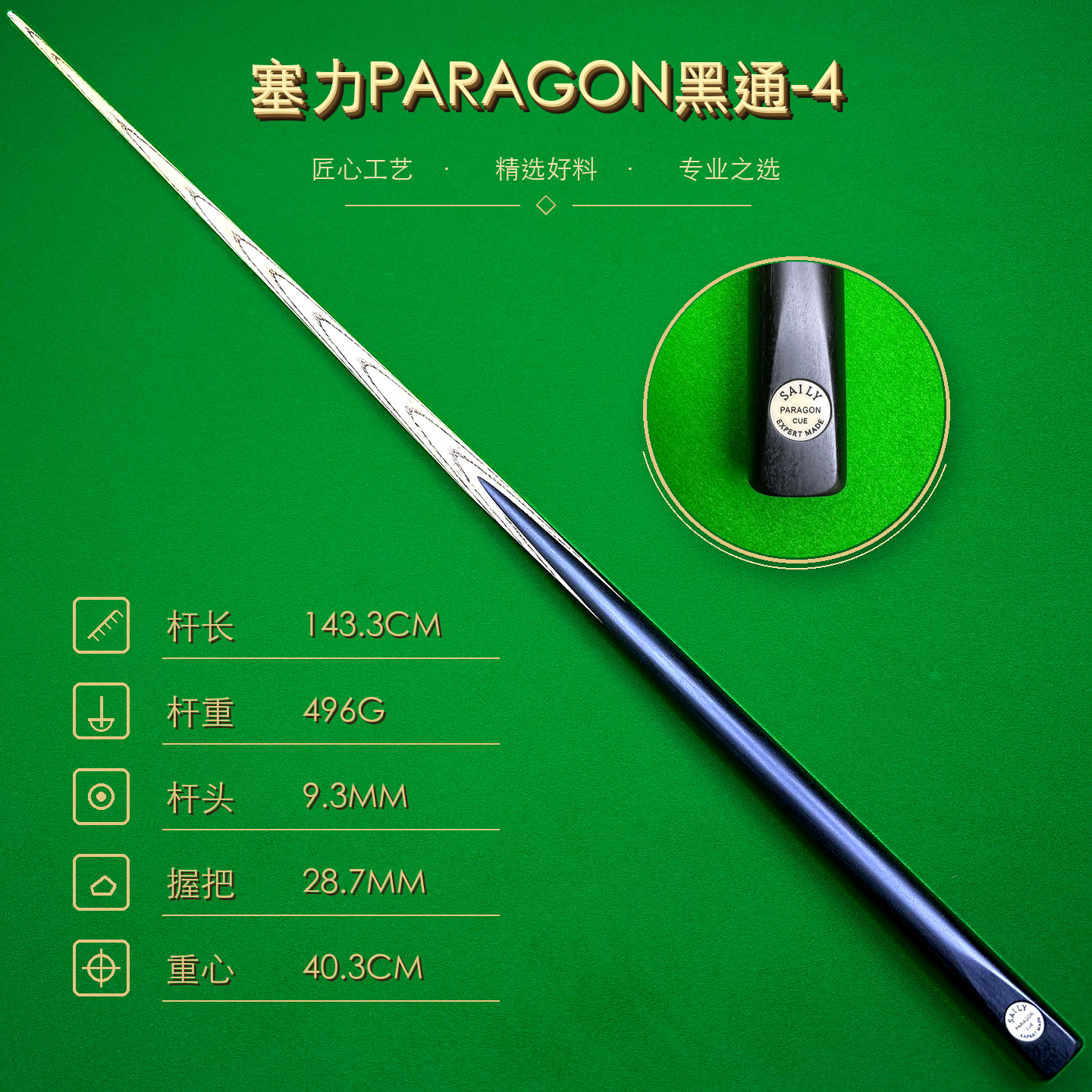
Short answer: if a snooker cue tip falls off or lifts away from the ferrule, stop playing immediately. Collect the loose tip, photograph the tip base and ferrule without cleaning or scraping them, and store the parts in a clean labelled container. Do not strike balls, sand the ferrule, remove adhesive or guess at a glue. Protect the cue end and ask an experienced cue technician to assess the exact cue before refitting or replacing the tip.
Stop play and secure the loose tip
A detached tip is different from ordinary chalk wear or a small profile adjustment. The playing surface is no longer securely attached, so the cue should not be used for another shot. Do not test the bare ferrule against a ball and do not press a partly lifted tip back into service.
If the tip fell onto the table or floor, pick it up with clean, dry hands. Place it in a small clean container or bag where it cannot be crushed, mixed with chalk or lost. Label the container with the cue reference and date. Even if the old tip will not be reused, it can show the technician its diameter, profile, thickness and attachment condition.
Move the cue to a stable, supported surface. Keep the exposed ferrule away from hard edges, table lamps, doorways and other cues. Do not wrap sticky tape directly around the ferrule or shaft; adhesive residue would add another unknown to the repair.
Preserve the attachment evidence before cleaning
Take clear photographs in ordinary diffuse light. Record the full cue, the tip end from the side, the ferrule face, the base of the loose tip and any visible split, chip, gap or colour transfer. Keep the images unfiltered and include the cue’s individual reference when one is available.
Write down what happened immediately before the detachment. Note whether the tip came off during a normal strike, after a knock, while chalking or while the cue was in storage. If the cue was dropped or hit, follow the broader post-impact cue inspection checklist because the shaft, ferrule, joint, butt or case may also need attention.
Do not scrape the ferrule face, peel remaining adhesive, sand either surface or apply a solvent. Those actions change evidence and may alter a ferrule whose material has not been confirmed. Avoid water, household cleaner, oil, wax and heat for the same reason.
Inspect the tip and ferrule without starting a repair
Look without probing. On the loose tip, record whether the leather appears whole, split, heavily thinned, glazed, contaminated or misshapen. On the cue, note whether the ferrule face looks complete and level to the unaided eye, and whether there is a crack, chip, sharp edge or movement. Do not push a blade, fingernail or metal ruler into the joint between ferrule and shaft.
The snooker cue tip inspection guide explains surface, edge and attachment observations. The ferrule inspection guide covers cracks, gaps and movement. Use them to describe what you see, not to certify that the part is sound.
A tip that detached cleanly is not automatically suitable for reuse, and visible adhesive on both surfaces does not prove that the ferrule is undamaged. The old tip may be contaminated, too thin or distorted. The ferrule face may require professional preparation that cannot be judged from a single photograph.
Protect the cue end for storage or transport
Once the photographs are complete, keep the cue in a clean, dry case that supports its normal sections without pressing on the exposed tip end. Make sure the loose tip is in its labelled container rather than rattling beside the cue. Do not force extra padding into a tight compartment or close a case that loads the ferrule.
If you must carry the cue to a technician, tell them in advance that the tip is detached. Ask how they want the cue and loose part presented. A temporary protective arrangement should prevent knocks and contamination without gluing, compressing or reshaping the cue end.
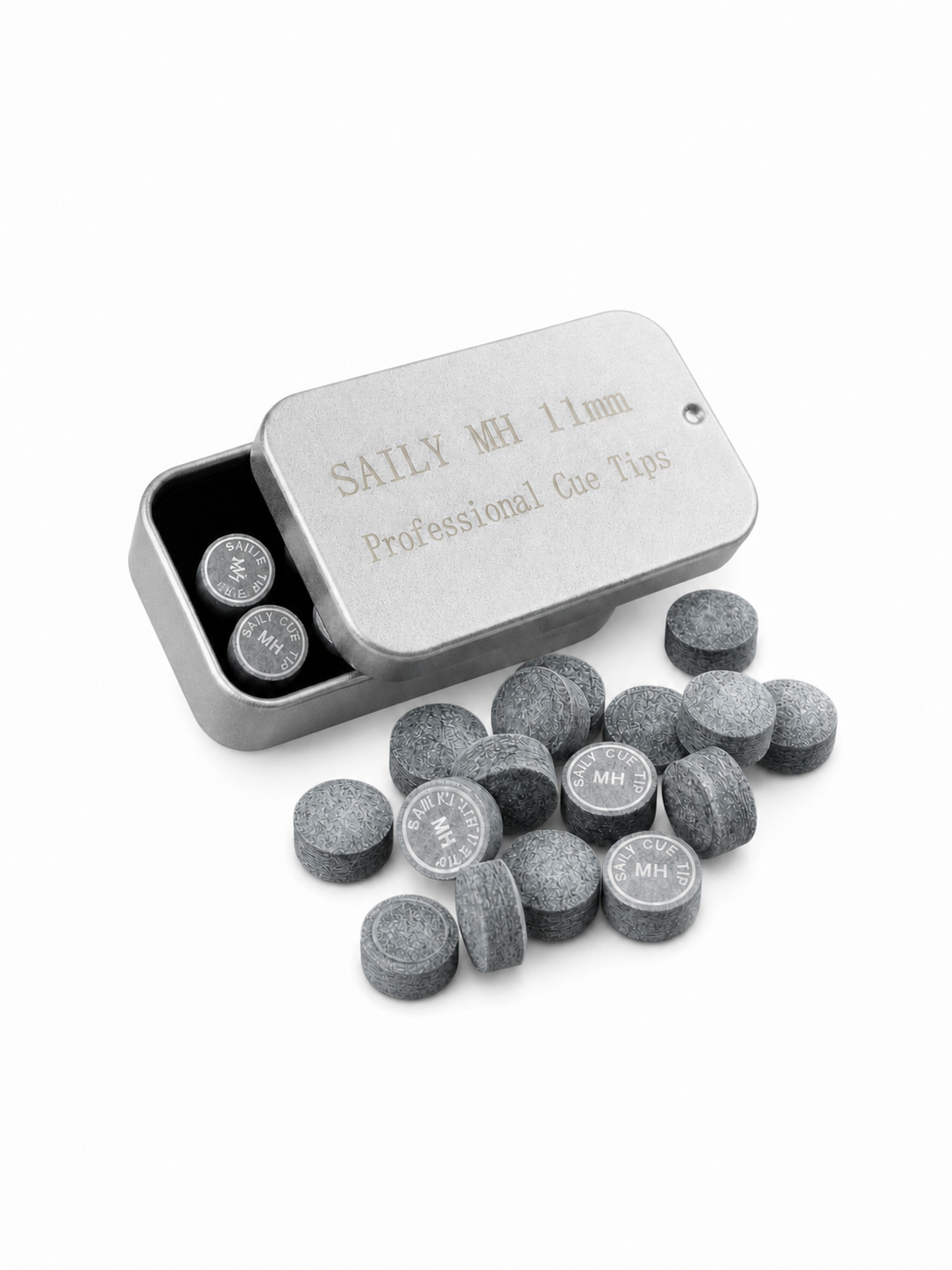
For current accessory categories, including tip and care items, see the SAILY CUE cue-tip supplies page. Availability does not establish compatibility: tip diameter, grade, condition and the technician’s preparation must still match the exact cue.
Give the technician a clear cue-specific record
Prepare the cue reference, recent photographs, the loose tip, the incident note and any known fitting history. If a previous adhesive, cleaner or abrasive was used, state exactly what it was and when. Do not hide an attempted repair; that information can change how the surfaces should be assessed.
An experienced cue technician can decide whether the old tip can be refitted, a replacement is needed, or the ferrule requires attention first. The tip-replacement decision guide separates loose attachment and structural damage from ordinary wear, age labels and one poor shot.
After a correct fitting, follow the technician’s instructions for inspection and first use. Do not invent a fixed curing time, break-in period or performance promise. Before returning to normal play, confirm that the tip is secure and that no new gap, movement or ferrule damage is visible.
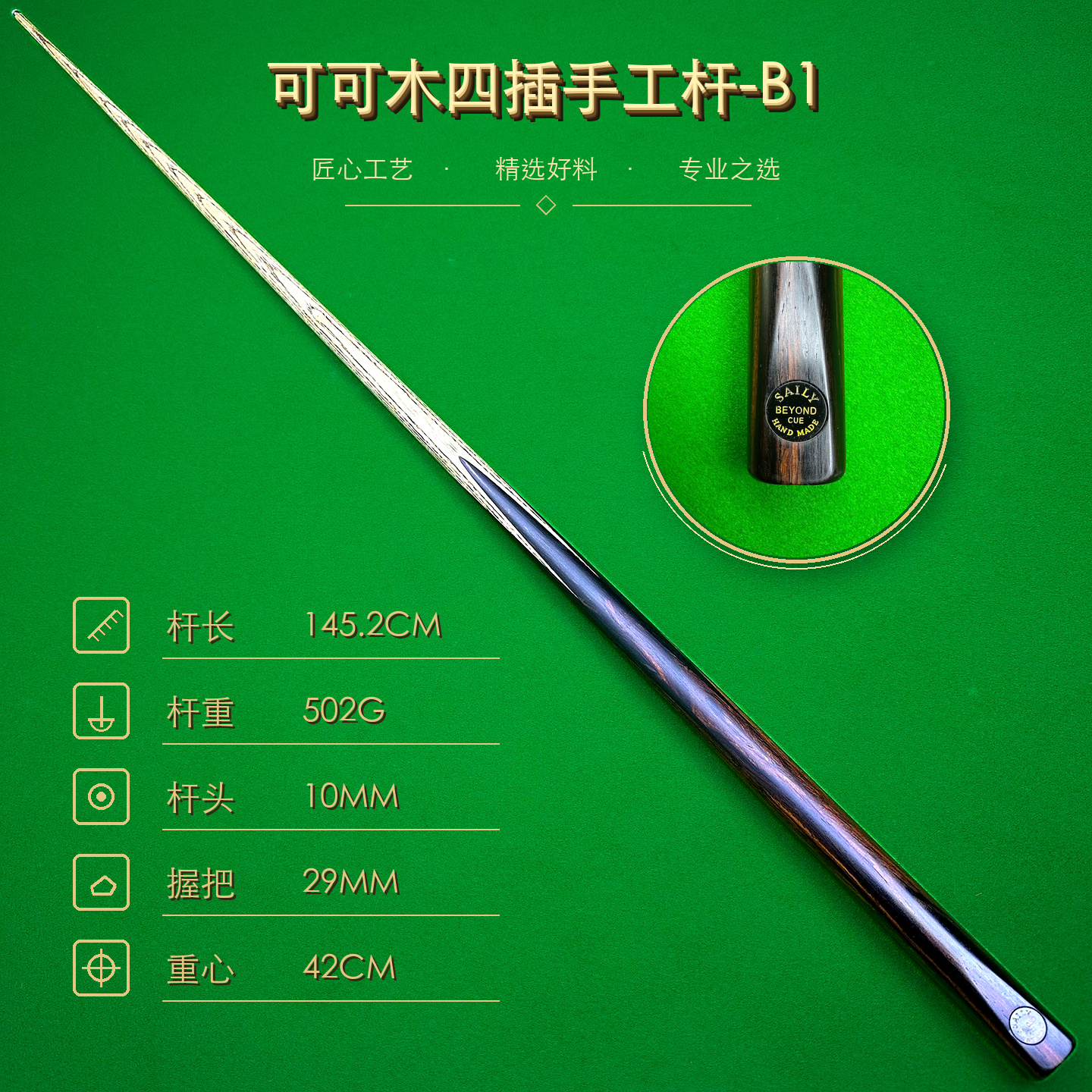
You can browse the SAILY CUE English cue collection for real product photographs and documented specifications. Those listings help identify an exact cue; they do not replace hands-on repair assessment.
Detached snooker cue tip FAQ
Can I keep playing if my snooker cue tip falls off?
No. Stop using the cue. A missing or partly detached tip leaves the ferrule and attachment area unprotected and makes normal striking inappropriate until the cue has been assessed and correctly refitted.
Should I glue the old tip back on immediately?
Do not improvise a repair. Preserve the loose tip and photograph both attachment surfaces without scraping, sanding or adding adhesive. The correct preparation and replacement decision depend on the exact cue, ferrule, tip and remaining condition.
Should I clean dried adhesive from the ferrule?
Do not scrape, dissolve or sand the ferrule as an immediate response. Existing residue and surface condition are useful evidence for a cue technician. Protect the area and ask for cue-specific advice.
Can the same loose tip always be refitted?
Not always. The tip may be damaged, contaminated, too thin or unsuitable after detachment, and the ferrule or attachment surface may also need assessment. Let an experienced cue technician decide whether refitting or replacement is appropriate.
CUE TIPS & FITTINGS
Protect the evidence before repair
Review current accessory categories, then confirm the correct fitting process for the exact cue with an experienced technician.