
SNOOKER CUE CARE · IMPACT CHECK
What to Do If You Drop Your Snooker Cue
Stop, document the incident and inspect the cue from tip to butt before a small knock becomes an uncertain repair.
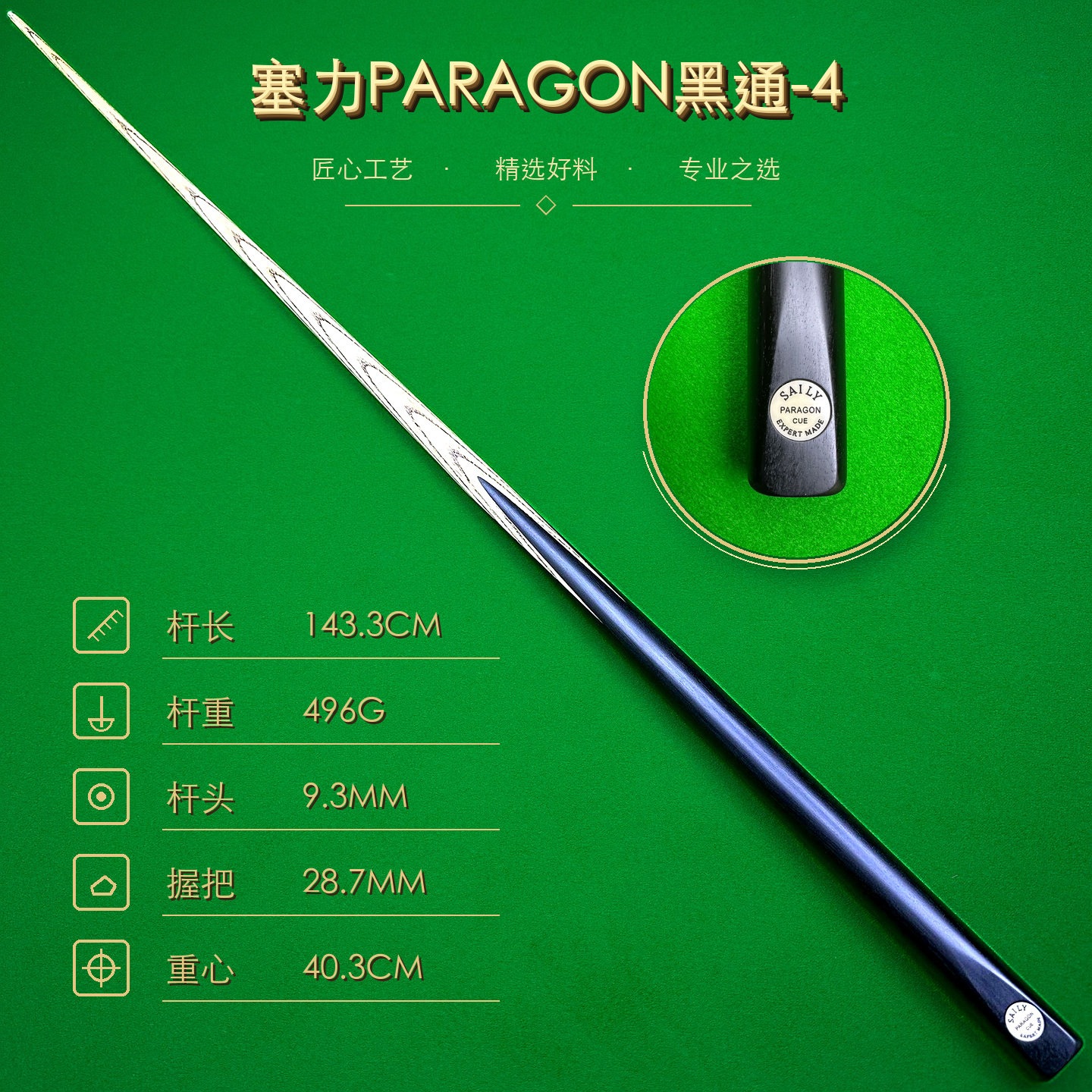
Short answer: place the cue on a clean, padded and fully supported surface; record where and how it fell; then inspect the tip, ferrule, shaft, joint, butt and case in bright diffuse light. Do not sand, steam, glue, force a joint or hit test shots. If anything moves, cracks, opens, catches sharply, sounds different or will not assemble with normal hand pressure, stop and ask an experienced cue technician to assess the exact cue.
Stop before you chalk or test the cue
A cue can fall in several ways: the tip may strike the floor first, a shaft may land across an edge, a jointed section may hit separately, or a closed case may take the impact. Those incidents do not create one predictable result. A cue that looks normal may still deserve a closer check, while a visible mark does not by itself prove that the whole cue is unusable.
Pick the cue up by a supported section and move it away from feet, balls and hard objects. Lay it flat on a clean padded surface where it cannot roll. If a component is visibly loose, do not pull, twist or push it back into place. Keep any detached piece and note its original position.
A hard shot can add load to a damaged tip, ferrule or joint and erase evidence about when a gap first appeared. Inspection comes before chalk, practice strokes against a ball or repair.
Record what happened before handling changes the evidence
Write down whether the cue was assembled or separated, whether it was inside a case, the approximate height, the surface it struck and the first contact area you saw. You do not need to calculate impact force. A simple factual record helps a technician understand whether to focus on the tip end, shaft, joint, butt or case support.
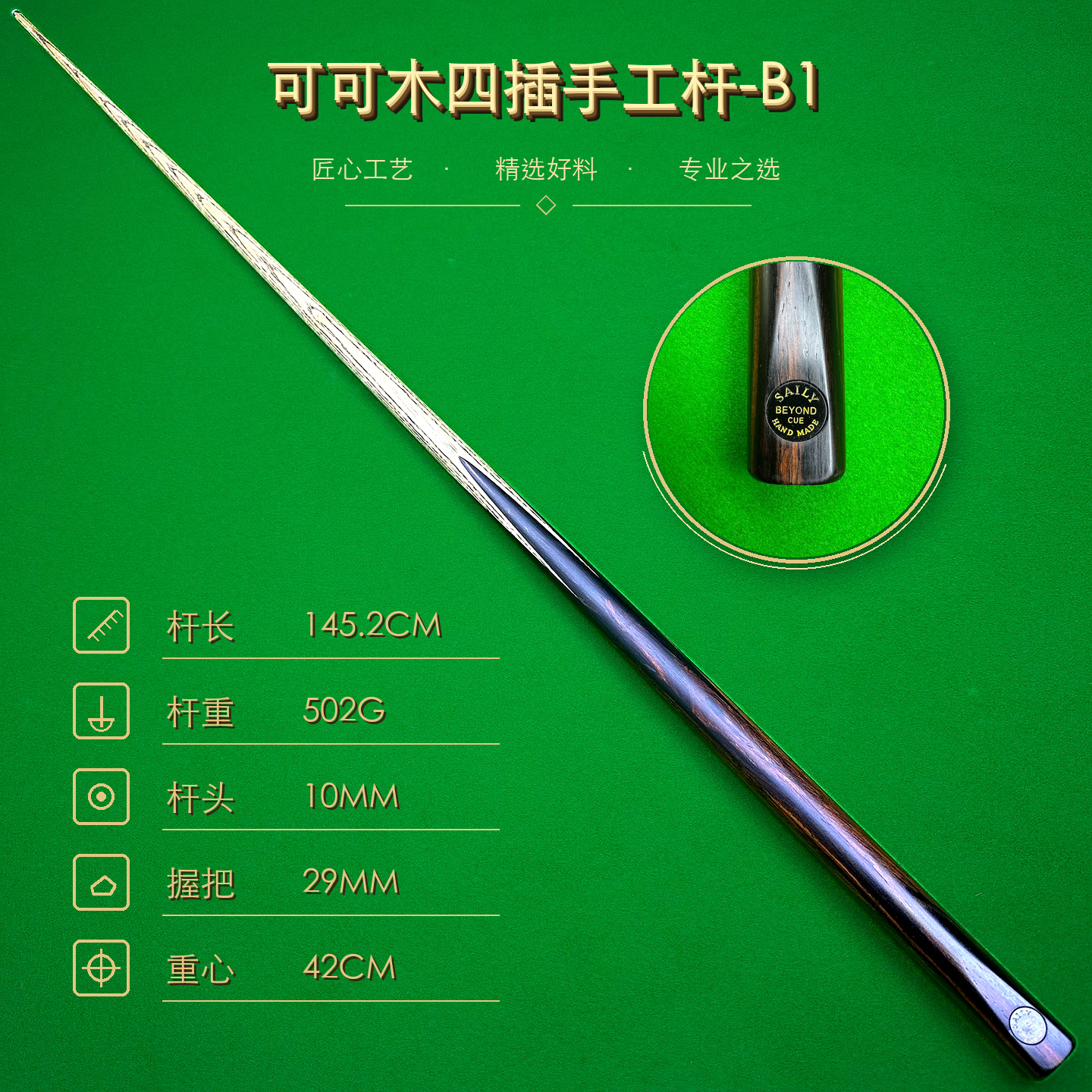
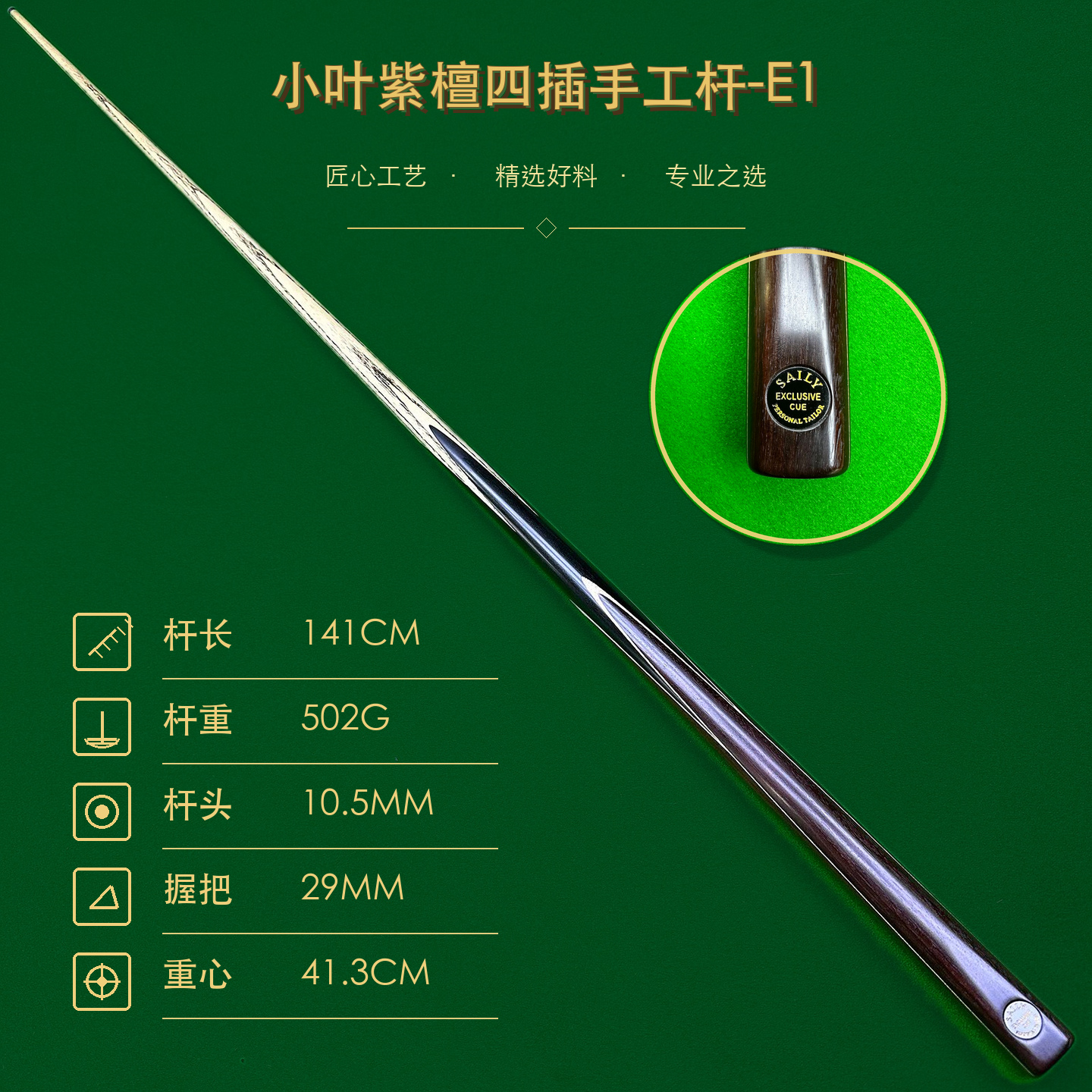
Photograph the complete cue and then the suspected contact area from several angles. Use bright diffuse light and a plain background. Include an identification view so the images clearly belong to the exact cue. SAILY CUE uses individual references and real photographs in the English cue catalogue; the same identity-first principle is useful for a private condition record.
If the cue fell while cased, photograph the case exterior, closure, hinges, latches, internal channels and supports before rearranging everything. A case can reduce knocks and movement, but it cannot guarantee protection from every direction or force.
Inspect the snooker cue from tip to butt
Tip and ferrule
Look across the tip surface and around its edge. Check for a lifted section, a changed glue line, a crack, missing material or movement under the lightest visual and fingertip check. Do not pry at the edge. The cue-tip inspection guide explains how to separate attachment, surface and shape questions.
View the ferrule from several sides and check its boundary with the shaft. A new line, chip, opening gap, movement or unfamiliar click is a stop condition. Use the ferrule checklist for a closer non-destructive sequence; do not sand the ferrule or continue playing to see whether a suspected crack grows.
Shaft and finish
Rotate the shaft slowly in your hands while it is fully supported. Look for a new dent, raised fibre, split, sharp catch or finish change. A soft dry cloth may remove loose dust, but stop there. The shaft dent and raised-fibre guide explains why steam, water, sanding, filling and hard burnishing should not be improvised during diagnosis.
Continue along the splice or decorative boundaries and the butt finish. Photograph fresh chips, cloudy areas, lifted edges or gaps. Keep surface appearance separate from straightness and internal condition; shine cannot prove that the cue escaped damage.
Check a jointed cue without forcing it
Inspect both joint faces before assembly. Remove only loose visible debris with a clean dry soft cloth. If a pin, socket, face or thread looks crushed, displaced or cracked, do not connect the sections. If everything appears normal, align the cue straight and use only the ordinary hand pressure required by that exact joint.
Stop if resistance begins earlier than usual, the faces will not close normally, a gap remains, the assembled cue has new movement or separation produces scraping. Never use pliers, lubricant or repeated tightening as a test. The snooker cue joint inspection guide provides the fuller checklist.
Decide whether the cue needs professional assessment
Do not play when a tip or ferrule moves, a crack or open gap is visible, a joint behaves abnormally, the shaft has a sharp or expanding catch, a decorative part is loose, or the cue produces a new sound. Set the cue aside in supported storage and send the technician the incident note and photographs. Ask what further evidence they need before shipping or visiting.
If the component check is clear, straightness is still a separate question. Follow the multi-check cue straightness guide rather than relying on a fast roll or sighting from one angle. A passed visual check cannot guarantee future performance, value or accuracy, but it can support a reasonable decision about whether normal low-risk use or expert inspection comes next.
If you resume play, begin gently and stop for any new movement, vibration, click, catch or visible change. Record the date of the incident with the cue's other maintenance notes so a later change is not separated from its history.
Reduce the chance of another fall
Return the cue to a correctly fitting case or stable purpose-built rack whenever a session pauses. Do not lean it against a wall, table edge or chair, and do not balance sections where clothing or a passing player can catch them. Keep hard accessories, loose chalk and tools in separate compartments so they cannot strike the cue inside the case.
After a significant fall, inspect the storage equipment as well as the cue. A changed support, failed latch, crushed corner or forced closure can make the next journey less secure. Prevention is not a guarantee, but stable support and prompt storage remove common opportunities for avoidable knocks.
Dropped snooker cue FAQ
Can I keep playing after dropping my snooker cue?
Pause and inspect the cue first. Do not play if the tip or ferrule moves, a crack or opening gap is visible, a joint will not assemble normally, the shaft has a new sharp catch, or the cue makes an unfamiliar sound. Ask an experienced cue technician when the condition is uncertain.
Should I roll a dropped snooker cue on the table?
A careful straightness check can be one part of the inspection, but do not use the playing cloth as a workshop surface or treat one roll as proof. First inspect for loose or damaged components, then follow a suitable multi-check straightness method on a clean safe surface.
Can I sand out a dent after the cue falls?
Do not sand, steam, wet, fill or burnish a new mark just to see whether it disappears. Photograph it, separate loose residue from an actual surface change and get cue-specific advice before any irreversible treatment.
Does a cue case prevent every type of drop damage?
No. A suitable case can reduce knocks, movement and surface contact, but protection depends on fit, support, closure and the force and direction of the incident. Inspect both the case and the exact cue after a significant fall.
REAL CUE RECORDS
Keep identity, photographs and measurements together
Review exact-cue records and real image sets before comparing condition or planning a purchase.