
SNOOKER CUE CARE · TIP REPLACEMENT
How to Tell When a Snooker Cue Tip Needs Replacing
Use the condition of the exact tip—not a universal lifespan, one missed shot or a fashionable profile—to decide when it needs assessment or replacement.
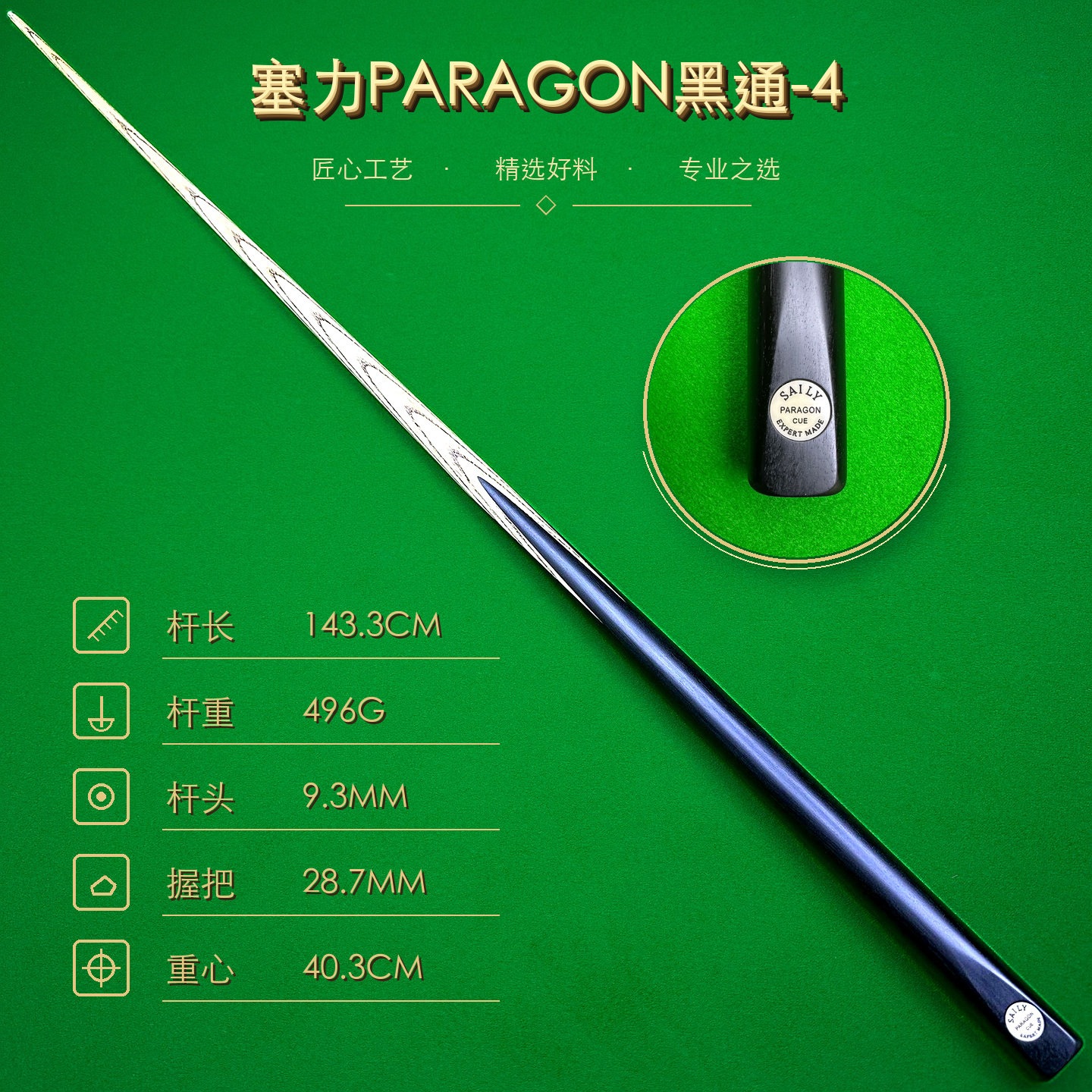
Short answer: a snooker cue tip deserves professional assessment when it is loose, lifting, split, deeply damaged or too thin to maintain safely. Stop playing if the attachment moves or an edge separates. Chalk colour, a few misses, a different sound or age alone do not prove replacement is necessary. Photograph the tip from the side and playing surface, record its measured diameter and known service history, then ask an experienced cue technician to confirm whether careful maintenance or full replacement is appropriate.
Inspect before deciding to replace
Begin with clean hands, bright diffuse light and the cue supported above a padded surface. Look straight at the playing surface, then rotate the cue slowly and inspect the full edge where the tip meets the ferrule. Do not pull, twist or probe the tip with a blade. The focused snooker cue tip inspection guide explains how to separate visible condition from assumptions about feel or performance.
Record what you can actually see: an intact edge, a local gap, a torn layer, a deep cut, an uneven surface or a possible change in height. Compare it with an earlier dated photograph if one exists. A current observation is more useful than a memory that the tip “used to look taller.”
Remove loose chalk gently with a clean dry cloth around the ferrule, keeping the cloth away from the playing surface. Do not soak the tip or apply an unknown cleaner. Moisture, oils and household products can change the evidence and may affect the tip or neighbouring materials.
Signs that the tip needs assessment or replacement
- An edge is lifting or the tip moves.Stop playing. Separation at the glue line or within a layered tip can worsen under impact.
- The material is split or deeply torn.A surface defect that extends into the body of the tip is different from loose chalk or a shallow mark.
- A section is missing.A chip that changes the edge or playing surface should be assessed before more shots are played.
- Too little serviceable material remains.Repeated shaping removes height. A technician can judge whether another correction would leave a safe, stable tip.
- The tip cannot be maintained without exposing another problem.An uncertain ferrule, glue joint or damaged surface calls for assessment rather than more filing.
These signs do not explain why the problem occurred, and a photograph cannot reveal every internal issue. They tell you when to pause. If the ferrule also shows a crack, gap or movement, keep both observations together and avoid treating the tip as an isolated repair.
What does not prove that a tip is worn out
A fixed number of months is not a reliable replacement rule. Players practise at different frequencies, tips use different constructions, and maintenance removes different amounts of material. Replace by documented condition, not because a generic calendar says so.
One missed pot, a brief change in sound or the fact that another player uses a different dome is also insufficient. Aim, chalk coverage, tip contact, delivery, speed, cue-ball condition and table conditions can all affect a shot. Do not remove useful tip material to chase an explanation for one result.
Hardness is a product label, not a wear gauge. The snooker cue tip hardness guide explains why soft, medium and hard labels should be compared only within an identified maker range. Diameter is another separate field; use the tip-size measurement guide to record it without treating the number as proof of quality or remaining life.
Create a useful tip-condition record
Take one full-cue identity photograph, one side view showing tip height and the tip-to-ferrule boundary, and one clear view of the playing surface. Keep the original files. Note the date, cue reference, measured tip diameter, known tip brand or grade only if documented, and any previous shaping or replacement you can confirm.
If the tip is on a recently delivered cue, preserve the seller’s photographs and do not alter it before discussing a concern. Describe a visible fact—“the edge is lifted at one point”—instead of guessing that the glue, climate or shipping caused it. Clear evidence makes the next decision easier and protects the distinction between arrival condition and later use.
Plan replacement with the complete cue in mind
An experienced cue technician can inspect attachment, remaining material, ferrule condition and compatibility with the actual cue. Ask what replacement diameter, construction and installation process they recommend, what part of the existing tip must be removed and whether the ferrule needs separate attention. The site’s care and maintenance category is useful for browsing equipment types, but a tool listing is not a substitute for repair skill.
Home tip replacement is an irreversible operation: cutting, sanding and gluing can damage the ferrule or change the cue. This guide therefore focuses on recognising decision points, not prescribing a universal DIY process. If the cue is valuable, unfamiliar, under a seller agreement or already damaged, pause before making any alteration.
Establish a new baseline after replacement
After the technician’s stated curing and finishing process is complete, photograph the new tip from the same angles and record its identity, date and measured diameter. Begin with normal warm-up shots rather than an extreme power test. Check that the edge remains attached and stop if you see movement, separation or ferrule damage.
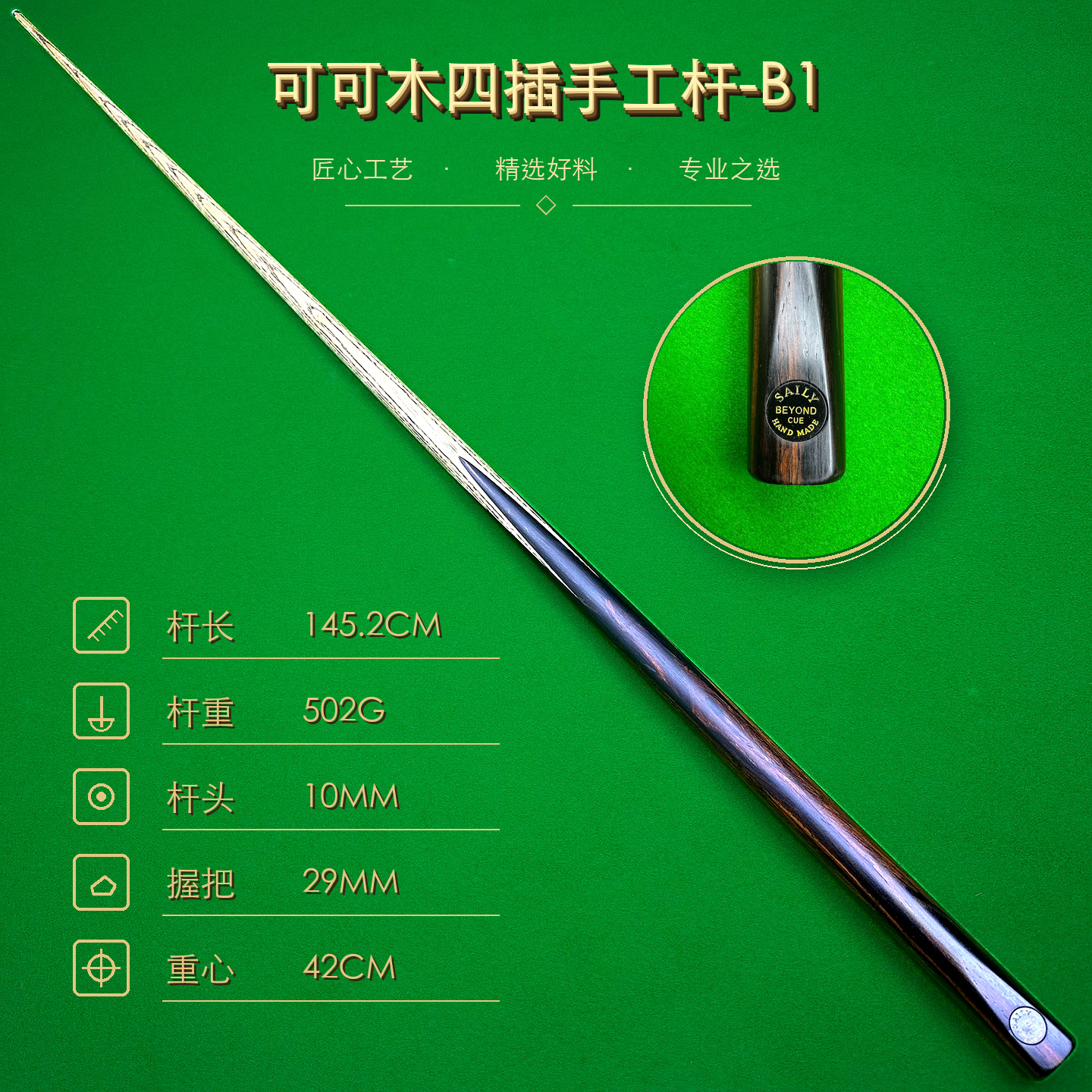
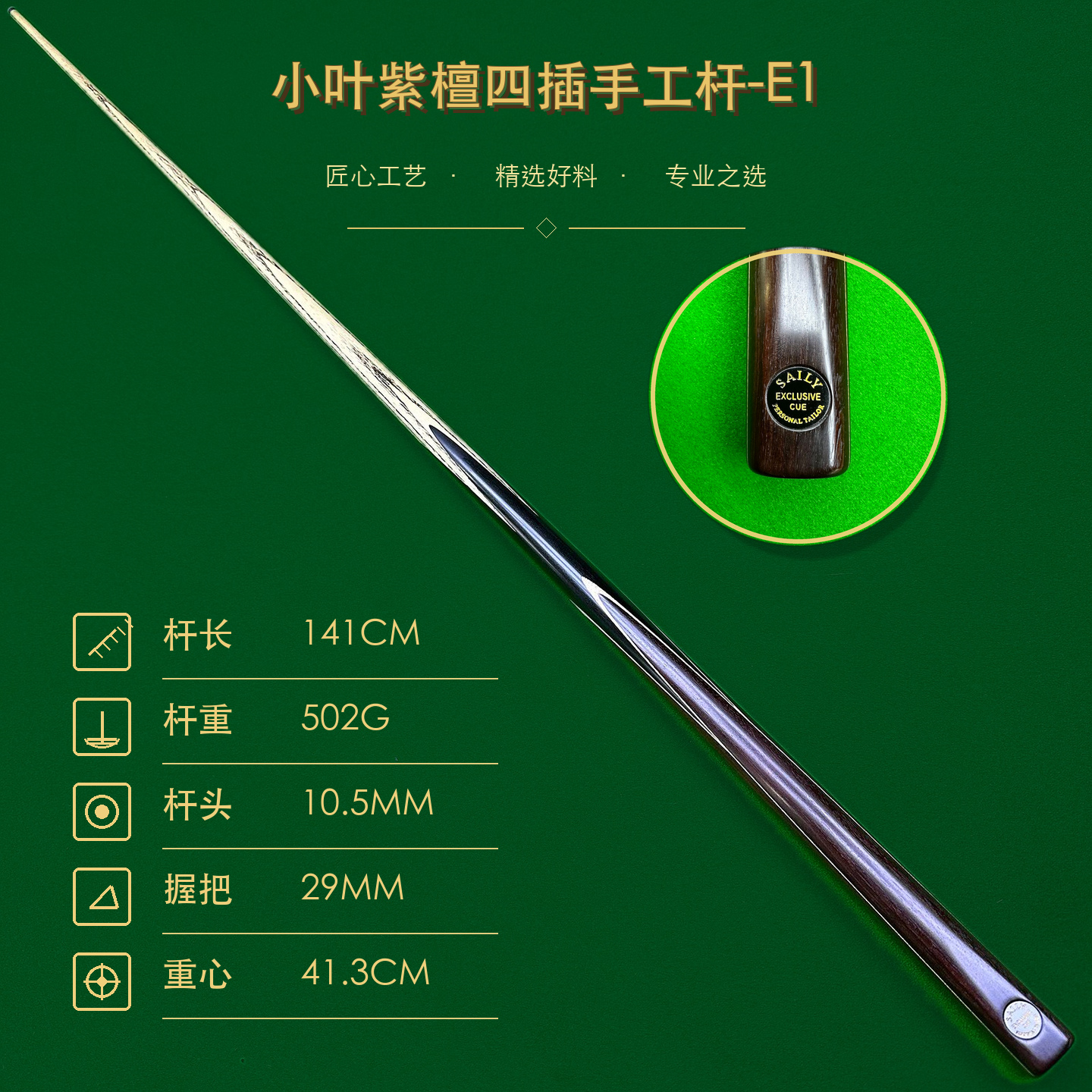
A new tip does not guarantee more spin, better control or improved accuracy. Give yourself time to observe the documented new setup, then keep routine checks simple. The broader snooker cue care guide covers protected storage, dry-cloth handling and regular tip-to-butt inspection. The SAILY CUE collection shows real cue photographs and measured specifications that can help keep each maintenance record tied to one physical cue.
Snooker cue tip replacement FAQ
How often should a snooker cue tip be replaced?
There is no reliable universal interval. Tip construction, play frequency, maintenance and condition vary. Inspect the exact tip and use visible damage, poor attachment or insufficient serviceable material—not a calendar alone—to decide when professional attention is needed.
Does a flat cue tip always need replacing?
Not necessarily. Shape is only one part of the assessment, and safe reshaping depends on how much sound material remains and how the tip is attached. Avoid removing material repeatedly just to copy another player’s profile.
Can I keep playing if one edge of the tip is lifting?
Stop using the cue and have the tip assessed. Continued striking can worsen separation and makes it harder to preserve the original condition for a repair decision.
Should I choose a new tip by hardness alone?
No. Hardness labels are maker-specific and do not replace checks for diameter, compatibility, installation and personal preference. Compare labels within a clearly identified product range.
SAILY CUE COLLECTION
Keep every tip decision cue-specific
Review real photographs and documented measurements, then record the exact tip condition before any irreversible service.