SNOOKER CUE CARE · TIP SHAPING
How to Shape a Snooker Cue Tip Safely: A Conservative Checklist
Remove as little material as possible, keep every pass away from the ferrule and stop when condition or attachment is uncertain.
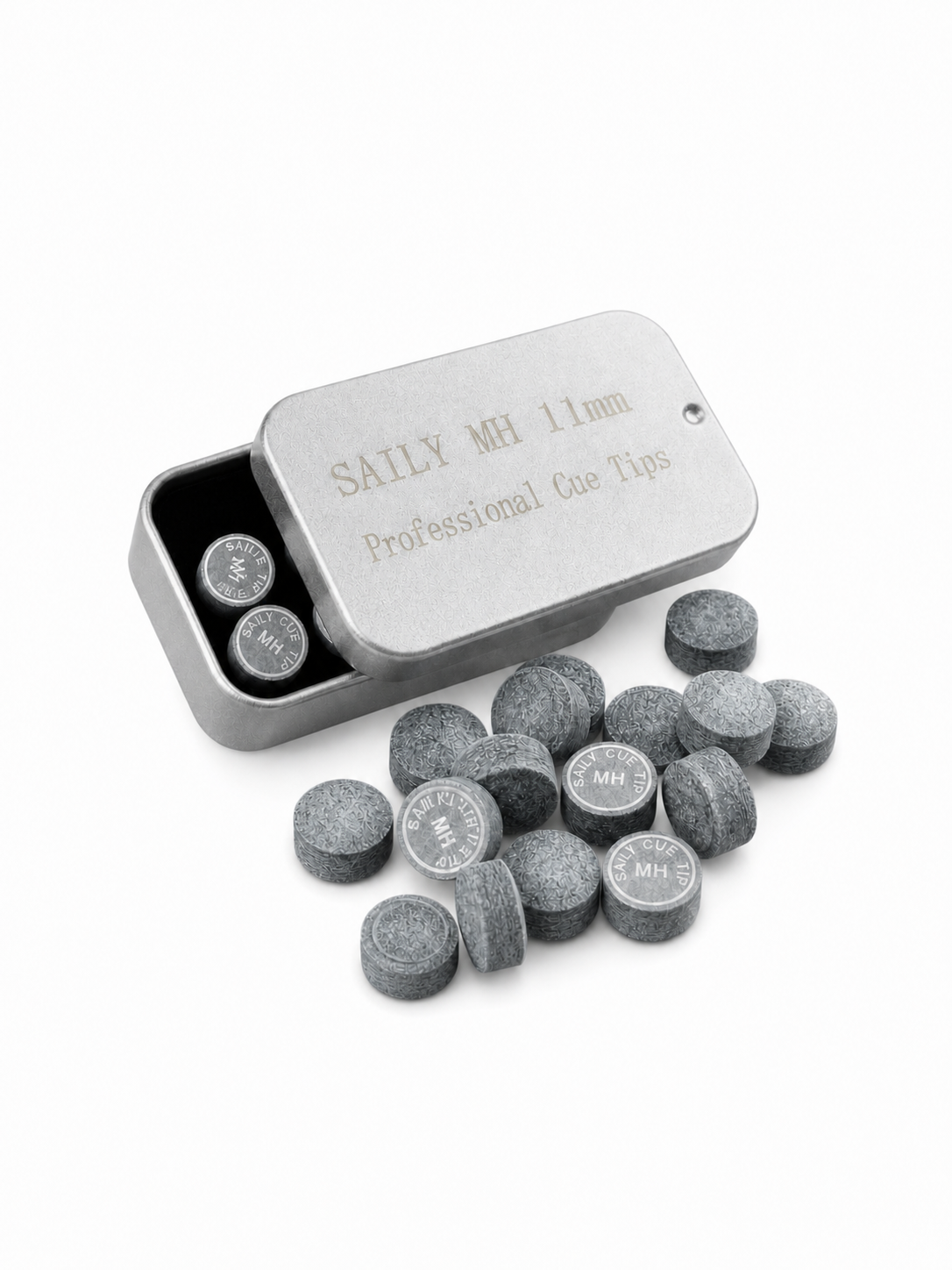
Short answer: confirm that the tip is firmly attached, has enough material above the ferrule and has no deep crack or lifting layer. Keep its existing, familiar rounded profile as the reference rather than chasing a universal radius. Support the cue, follow the instructions for a dedicated cue-tip shaping tool and use a few light, even passes. Inspect from several sides after each short block. Stop before reaching the ferrule, flattening the top or exposing a condition problem.
Decide whether shaping is actually the right task
Shaping removes leather. It is useful only when a secure tip needs a small, controlled profile adjustment. It is not the first response to every miscue, missed shot or uneven patch of chalk. Aim, delivery, contact point, chalking and table conditions remain separate variables.
Begin with the cue-tip condition checklist. Look at the playing surface, the outer edge and the junction with the ferrule under bright, even light. Rotate the cue slowly. Do not pull at the edge or insert a blade into a suspected gap. If the tip moves, clicks, lifts, splits deeply or has missing material, stop. Abrasion cannot repair an insecure attachment.
Also check how much material remains above the ferrule. Do not invent a universal minimum measurement: tip construction and installation differ. When the leather looks very thin, the ferrule is close to the intended tool contact, or the previous shape is no longer clear, ask the installer or an experienced cue technician. The tip replacement decision guide helps separate ordinary maintenance from a replacement question.
Preserve a known profile instead of copying a coin
A snooker cue tip normally presents a rounded playing surface, but players, installers and tip makers do not all use one compulsory radius. A coin placed beside the tip may help document a curve in a photograph, yet it does not prove that the same curve is correct for every diameter or cue.
If the current tip is secure and familiar, use its balanced existing profile as the target. The goal of light maintenance is usually to remove a small high spot or restore evenness, not to turn a broad dome into a steep point in one session. Keep tip diameter separate from curvature: the tip-size guide covers how to read and compare diameter without treating it as a shape instruction.
Take a clear side photograph before starting. Mark the cue reference and date in your notes rather than drawing on the leather or ferrule. A before image gives you a stopping reference and makes it easier to see whether one side is losing more material than another.
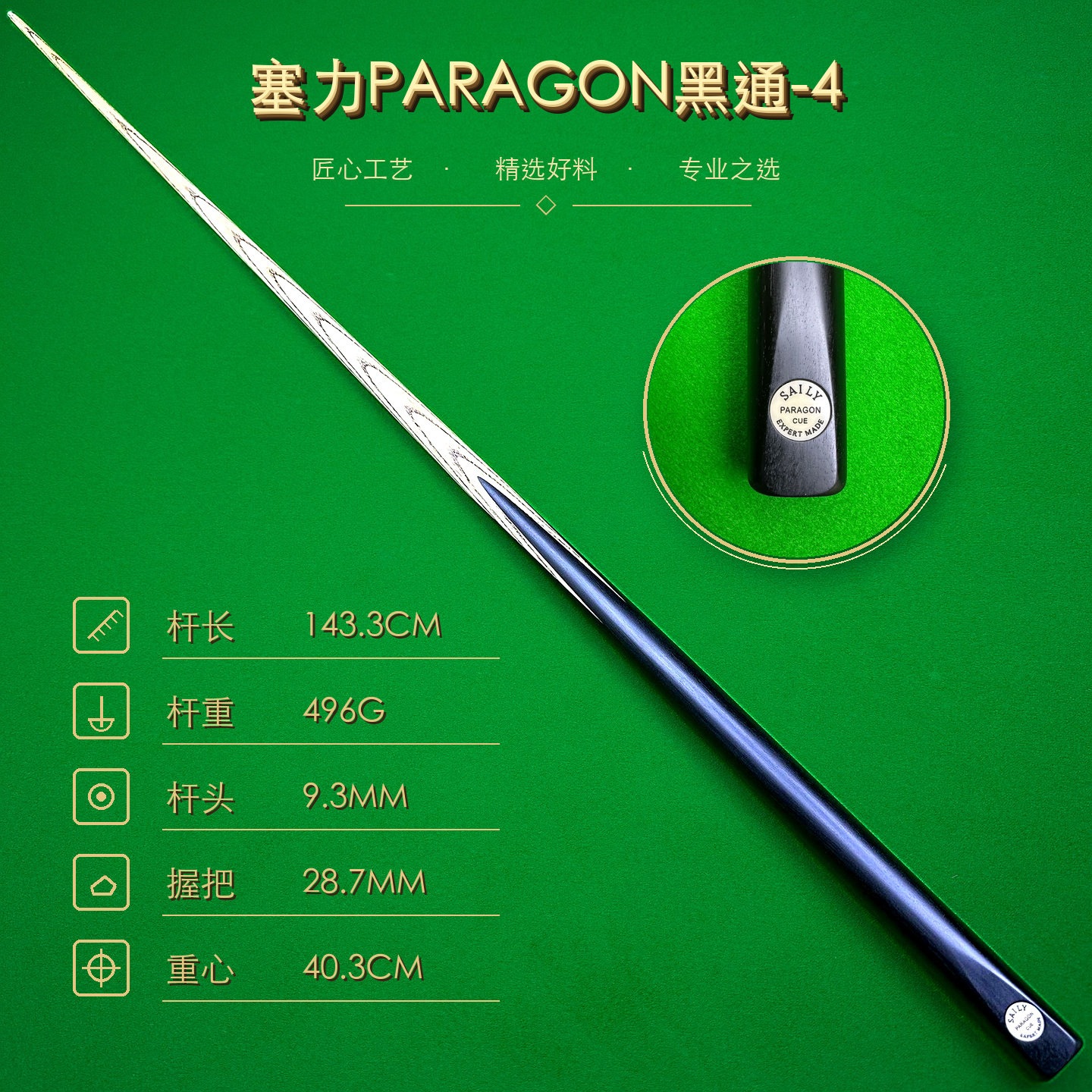
Prepare the cue, work area and dedicated tool
Work in strong diffuse light over a clean, padded surface. Wash and dry your hands. Keep drinks, chalk dust and hard loose tools away from the shaft. Support the cue so it cannot roll or fall, and position the tip where you can see the tool contact without bending the shaft or gripping it tightly.
Use a purpose-made cue-tip shaper or maintenance tool whose instructions you can follow. Different tools cut, abrade or guide the tip in different ways, so a single motion cannot be prescribed for all of them. Check that the abrasive surface is clean and that the tool can contact leather without rubbing the ferrule.
Do not improvise with a knife, file, power tool or loose coarse abrasive. Those methods can remove material quickly, change the edge unevenly or mark the ferrule. If the tool needs more force than you can control, stop and use a technician rather than making the setup more aggressive.
Shape in short blocks with frequent inspection
- Start with light contact.Let the dedicated tool meet only the leather playing surface.
- Make a few even passes.Follow the tool maker's motion and avoid concentrating on one edge.
- Remove the tool.Brush away loose dust without wetting the tip or smearing debris onto the ferrule.
- Rotate and inspect.Compare the curve from at least four sides under the same light.
- Stop early.Finish when the small uneven area is corrected and the secure familiar profile remains.
Do not shape continuously until the surface looks perfect from one viewing angle. A highlight can change as the cue rotates, and overworking one side may create the very asymmetry you were trying to remove. Short blocks preserve the chance to stop while the change is still small.
Keep the side wall and ferrule out of the abrasive path. Do not reduce an edge flare aggressively simply to match the shaft diameter in one pass. Heavy mushrooming, a lifting perimeter or an uncertain bond needs cue-specific assessment because shaping the visible edge does not confirm the attachment underneath.
Finish with inspection, light chalk and a baseline
When the profile looks even, remove loose leather dust with a clean dry brush or soft cloth. Inspect the tip from above and from several side angles. Confirm that the tool did not touch the ferrule and that no layer, crack or gap appeared during the work.
Apply chalk lightly using the routine in the snooker cue chalking guide. Chalk should reveal broad coverage; it should not be packed on to hide a rough patch. Store the tip away from hard accessories, then begin the next session with gentle warm-up strokes before ordinary shots.
Record a side photograph after maintenance. A useful note states what was observed, which dedicated tool was used and that only light passes were made. Do not claim that the new shape guarantees spin, control or accuracy. Those outcomes depend on the whole shot, and one good result cannot validate the maintenance method.
Stop when maintenance becomes repair
Stop immediately if the tip moves, a gap opens, layers lift, a deep crack becomes visible, the edge tears, or the tool approaches the ferrule. Also stop if you cannot reproduce an even contact angle, the intended profile is unclear, or substantial material would need to be removed.
An experienced cue technician can assess the exact tip, attachment and ferrule together. That is especially important after a new installation, an impact, unknown previous work or an online purchase whose maintenance history is incomplete. Conservative stopping protects evidence as well as the cue.
Browse the SAILY CUE cue-tip supplies and the English cue collection for real product photographs and available records. Confirm the exact product and current condition before choosing a tool or asking for maintenance; a category image cannot establish what one installed tip needs.
Snooker cue-tip shaping FAQ
What shape should a snooker cue tip be?
The playing surface is normally rounded, but there is no single radius that suits every tip, cue or player. Preserve the secure, familiar profile unless the tip maker, installer or an experienced cue technician gives cue-specific guidance.
Can I shape a cue tip with ordinary sandpaper?
Loose abrasive paper is difficult to control near the ferrule and can remove material unevenly. Use a dedicated cue-tip shaping tool only as its maker instructs, or ask a cue technician when the method or condition is uncertain.
How do I avoid damaging the ferrule while shaping?
Support the cue securely, keep the tool on the leather playing surface, use light passes and inspect frequently. Stop before the tool reaches the ferrule or if you cannot control the angle and contact area.
Should a loose or cracked cue tip be shaped?
No. Movement, a gap, lifting layers, a deep crack or very little material above the ferrule calls for assessment, not more abrasion. Stop using the cue and ask an experienced cue technician.
SNOOKER CUE SUPPLIES
Keep tip maintenance conservative
Review real cue-tip products, preserve the secure profile and choose professional help before a small adjustment becomes irreversible repair.