
SNOOKER CUE CARE · CHALKING
How to Chalk a Snooker Cue Tip: A Clean, Even Routine
Apply a light, even layer, check the whole playing surface and keep chalk away from the ferrule, shaft and case lining.
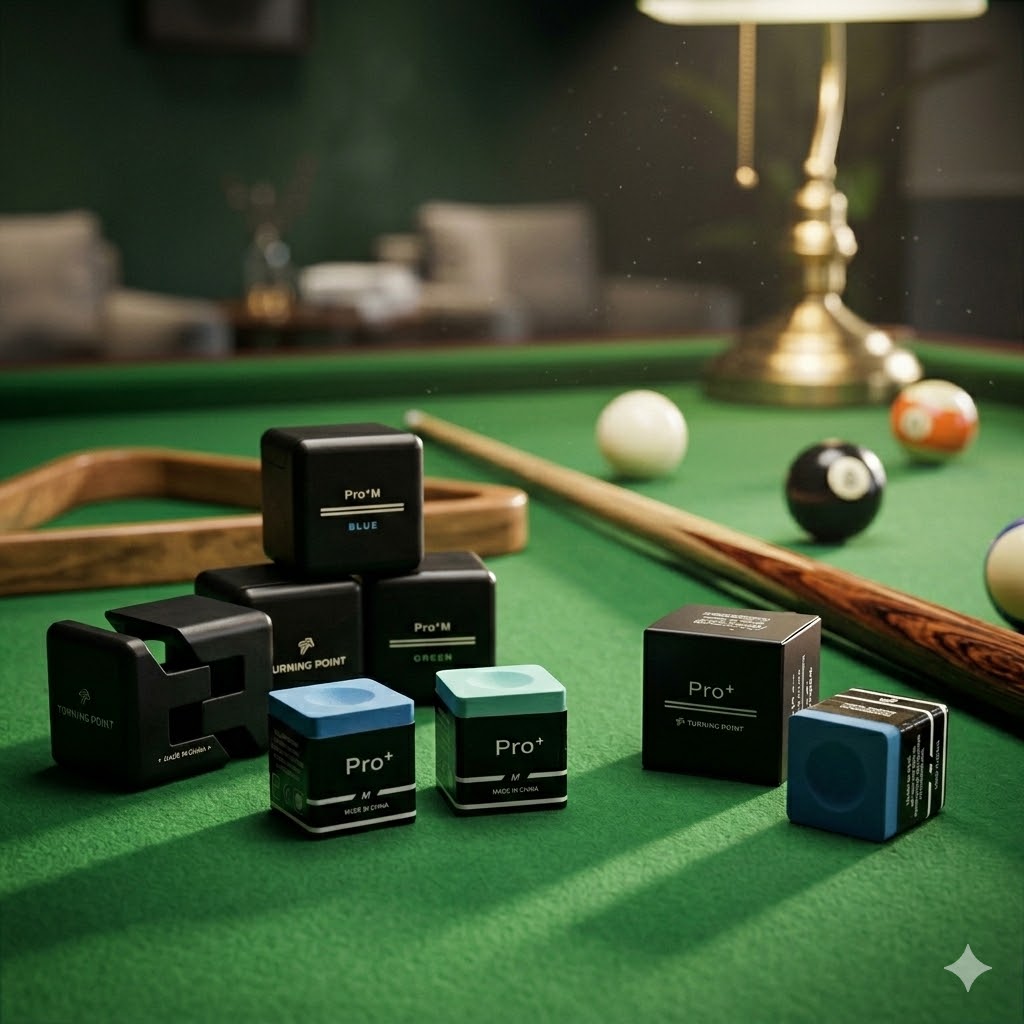
Short answer: use a clean chalk block and make light brushing or wiping passes across the existing tip surface. Cover the playing area evenly without drilling a crater, pressing hard or coating the ferrule and shaft. Inspect the result, tidy loose chalk and store the cue safely. Chalk is part of a contact routine, not a repair or a guarantee of spin, contact or accuracy.
What chalking is—and is not
Chalking refreshes the contact surface before a shot. The practical goal is a light, even layer that does not leave one heavily loaded patch while another part of the tip remains bare. The routine should be quiet and repeatable, not an aggressive preparation step performed because a shot was missed.
Chalk does not choose the shot, correct cue delivery or change the tip’s size, hardness or shape. It cannot repair a crack, lifting edge, missing leather or loose attachment. If you are unsure whether a tip is usable, first read the snooker cue tip condition guide and stop before trying to cover a problem with more chalk.
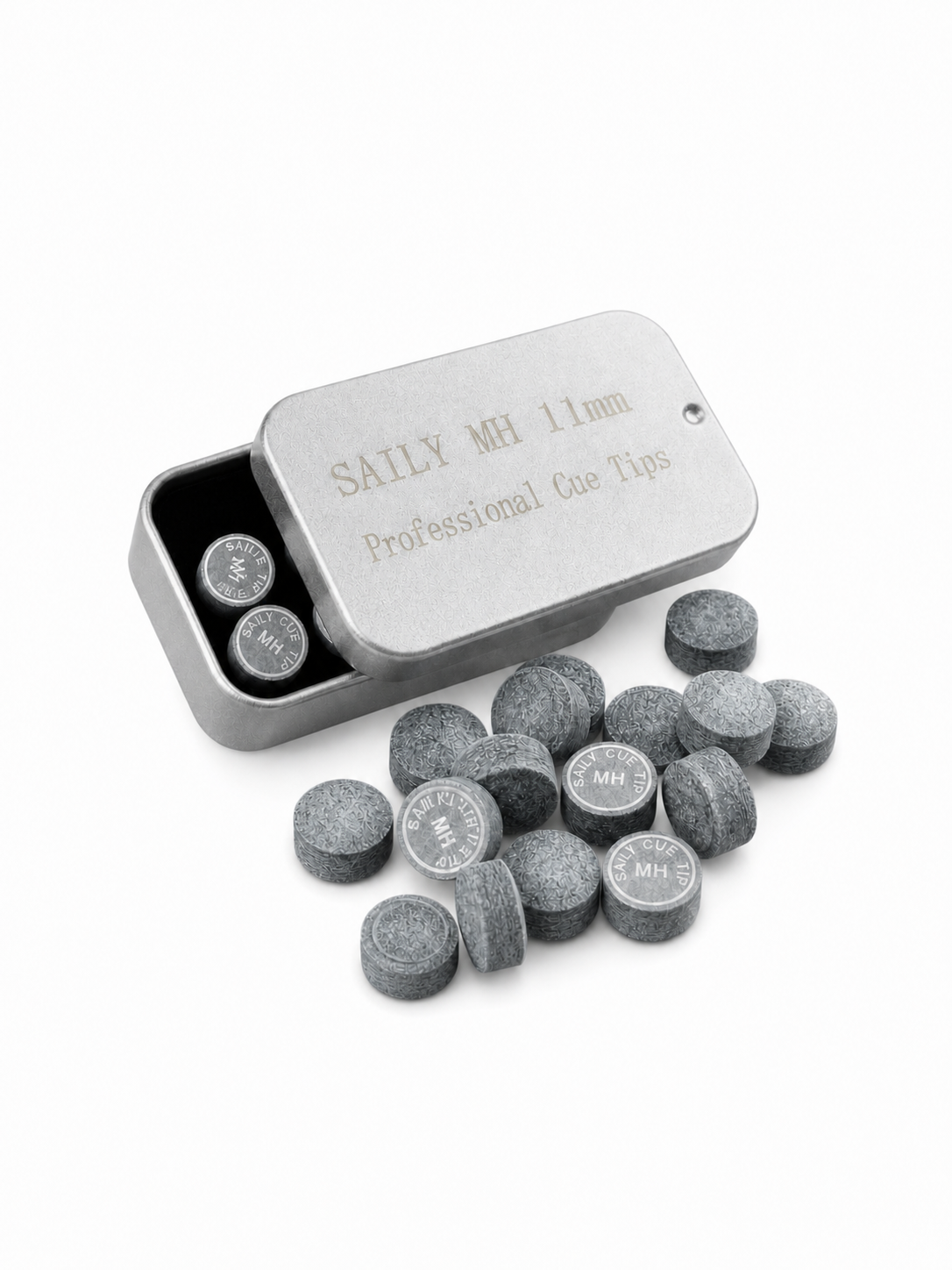
Prepare a clean cue and chalk block
Choose a dry, well-lit place away from the playing line. Hold the cue securely above a clean surface. Use a chalk block that is dry, intact and easy to control, and choose a usable face that does not force the ferrule against the chalk.
Before applying anything, look at the tip from above and from the side. Confirm that the leather is attached and that the existing dome or radius is familiar. Do not chalk over a tip that moves, clicks, exposes a gap or shows a new crack. The cue-tip replacement guide explains why those signs need assessment rather than cosmetic coverage.
Keep the ferrule and shaft clean. Chalk dust on those parts can transfer to the cue, hands or cloth and make a later condition check harder. If loose chalk is already present, remove it with a gentle dry brush or soft cloth before beginning.
Use light, even brushing or wiping passes
Place the chalk against the playing surface with light contact. Move the cue tip across the chalk in short, controlled passes, changing the contact area so you do not load one point repeatedly. A gentle brush or wipe is enough; the chalk does not need to be pushed into the leather.
- Start at one edge.Keep the ferrule and shaft above the chalk. Work only on the intended playing surface.
- Brush across the face.Use light passes that cover the centre and surrounding area without scrubbing.
- Change direction slightly.A few overlapping passes help reveal bare spots, but stop before a thick layer builds.
- Do not drill a crater.Never gouge the chalk or press the tip into one hole to create a heavy deposit.
- Pause and inspect.Turn the cue under even light before deciding whether another light pass is needed.
Avoid twisting hard against the block, scraping the edge or tapping the tip into the chalk. Those habits can produce loose dust without improving coverage. The aim is an even visual film, not a thick mound that hides the leather.
Inspect coverage before you play
Hold the cue so the tip is visible from above and from the side. Look for broad, even coverage across the playing surface rather than a dark crater in the centre or a heavy ring at the edge. The exact colour depends on the chalk and leather, so judge coverage by consistency, not by trying to reach a particular shade.
If one small area looks bare, make one more light pass over that area and check again. Do not keep applying chalk to chase a perfectly uniform photograph. Brush loose particles from the ferrule and shaft with a dry, soft cloth, taking care not to smear chalk into the finish or joint.
Keep this check separate from tip size and hardness. A fresh-looking chalk layer does not tell you the diameter, material grade or remaining service life. Browse the cue-tip supplies category for maintenance options, and use the chalk supplies category to compare the available chalk products. Product labels should not be turned into universal performance promises.
Tidy the cue and chalk after the session
When you finish, use a clean dry cloth to remove loose chalk from the ferrule, shaft and butt without rubbing aggressively. Keep the chalk block in its own clean container or compartment so it does not shed dust onto the tip or case lining. Do not leave the cue tip pressed against a hard accessory in a crowded case.
Store the cue in a suitable case and keep the chalk dry. If the tip looks different after play, inspect it before adding more chalk. New movement, lifting, cracking or missing material is a condition question, not an invitation to apply another layer.
Keep chalk’s limits clear
Chalk can support a consistent pre-shot habit, but it cannot guarantee spin, tip contact, cue-ball control or accuracy. Results also depend on the selected line, cue delivery, speed, tip condition, cloth and the complete shot. More chalk is not automatically better, and a missed ball is not proof that the tip needed extra coating.
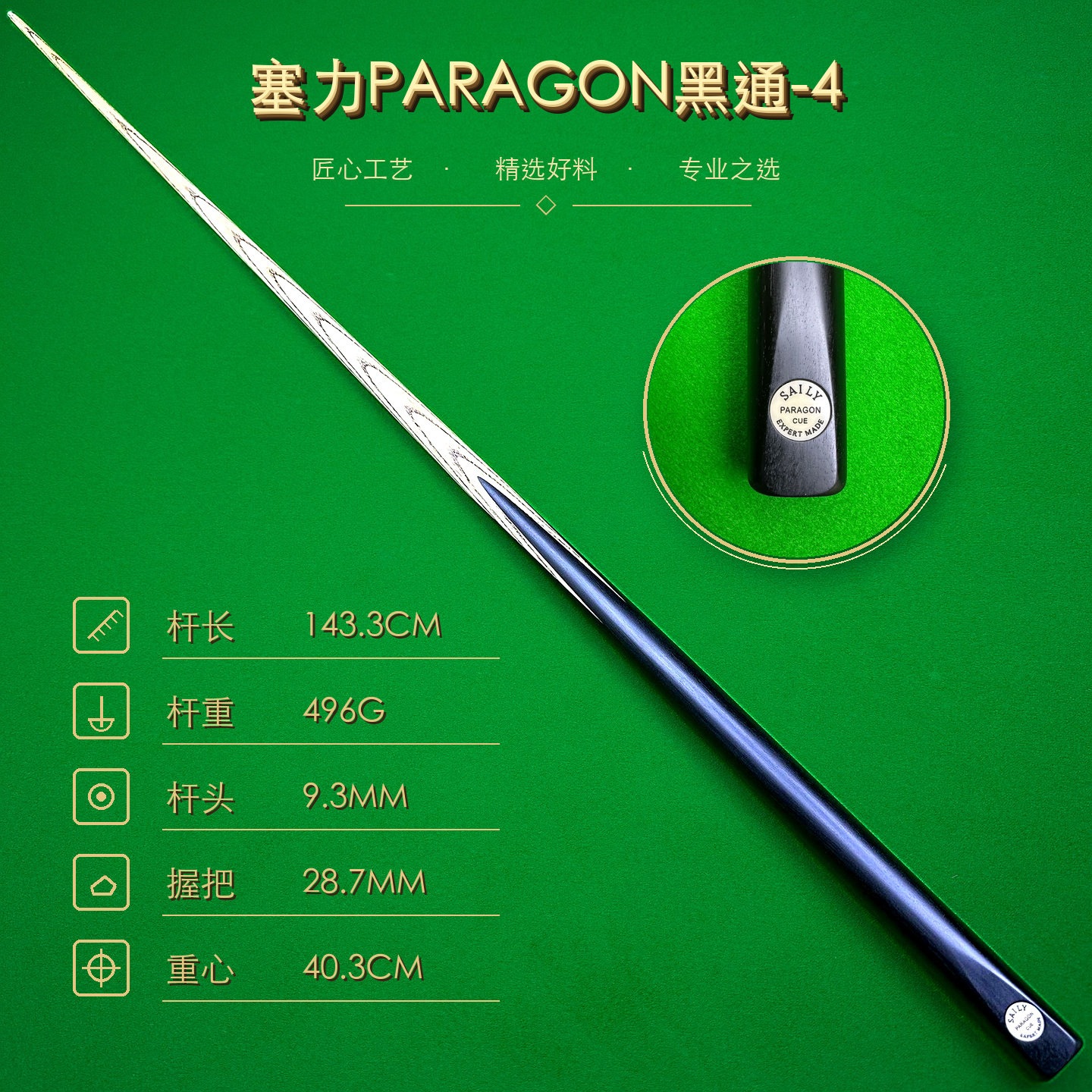
Do not use chalk to hide damage, coat the ferrule or shaft, or substitute for a proper inspection. If the tip condition is uncertain, stop and ask an experienced cue technician. For real cue photographs and available individual references, browse the SAILY CUE product collection.
Snooker cue chalking FAQ
How much chalk should I put on a snooker cue tip?
Use enough light, even coverage to refresh the playing surface without building a thick layer. Brush or wipe gently, inspect the result and avoid repeatedly adding chalk to one spot.
Should I drill a hole or crater into the chalk?
No. Do not drill or gouge the chalk, and do not press the tip aggressively into one point. A light, controlled application protects the tip shape and keeps coverage easier to inspect.
Can chalk repair a damaged cue tip?
No. Chalk cannot repair lifting, cracks, missing leather or an insecure attachment. Inspect the tip and ask an experienced cue technician when its condition is uncertain.
Does more chalk guarantee more spin or accuracy?
No. Chalk can support a clean contact routine, but it cannot guarantee spin, contact, cue delivery or accuracy. Those depend on the complete shot and many other conditions.
SNOOKER CUE SUPPLIES
Choose a clean maintenance routine
Review real chalk, cue-tip and cue products, then keep application light and condition-led.