
SNOOKER CUE CARE · CONDITION CHECK
Can a Snooker Cue Shaft Be Repaired? What to Check First
Classify the symptom, preserve evidence and get an exact-cue assessment before an irreversible change.
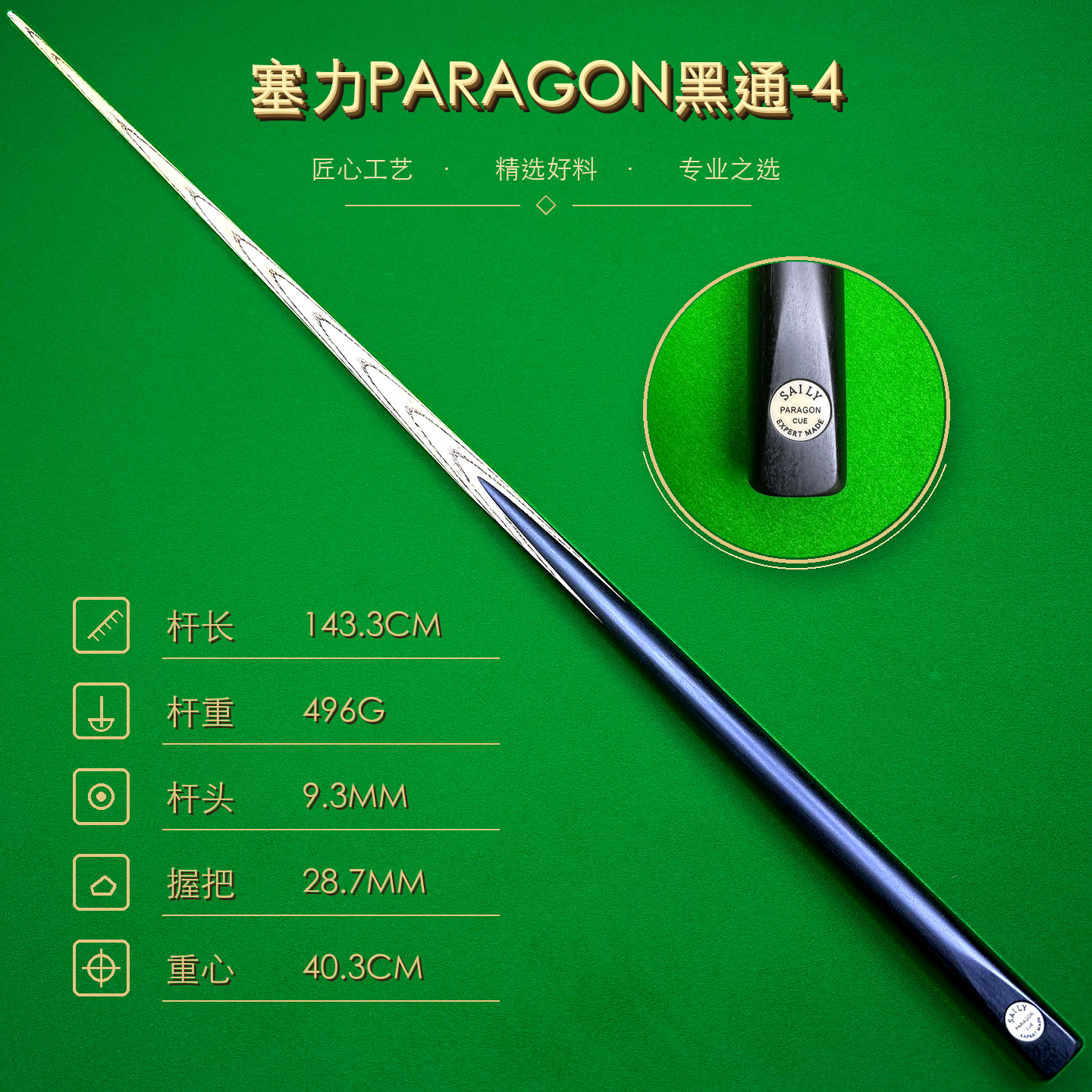
Short answer: sometimes, but repairability cannot be decided from the word “dent,” a photograph or one test stroke. Identify the exact cue, inspect it without altering the surface, document what you see and ask the maker, seller or an experienced cue technician to decide feasibility. If there is a crack, splinter, catch, opening or rapid change, stop playing and stop DIY work.
First separate the symptom from the conclusion
A shaft can feel different for several unrelated reasons. Loose chalk, hand residue or a change in finish can feel sticky without a structural break. A local dent or raised fibre is a located surface observation. A bend concern follows a longer section or the cue’s overall shape. A ferrule or joint symptom may feel like a shaft problem even when the visible change is elsewhere.
Start with when you noticed the change. Was it after delivery, a knock, travel, storage or ordinary play? Do not infer a wood type, internal damage or a repair method from colour, grain or one reflection. The snooker cue shaft dent check explains how to describe a local mark without pressing tools into it.
Check connection symptoms separately: use the ferrule inspection guide for a tip-end movement or line, and the joint inspection guide for looseness, noise or an uneven connection. A shaft can be straight while a ferrule or joint needs attention, and the reverse can also be true.
Inspect the exact cue without changing it
Work indoors on a clean padded surface with bright, diffuse light. Wash and dry your hands, remove hard accessories and keep drinks, chalk and tools away. Support the cue safely; do not flex it as a test and do not repeatedly assemble or separate a joint just to investigate.
- Identify it.Keep the cue name, individual reference, current full-length photograph and purchase or delivery record together.
- Locate the concern.Describe its approximate position from the tip, ferrule or joint without marking the shaft.
- Change the view.Rotate slowly and compare the same short area from several angles and with nearby surface.
- Use one gentle cloth pass.A clean, soft, dry cloth may remove loose dust. Stop if it catches or the surface changes.
- Record evidence.Take a full-cue image, a location image and close views under similar light. Note what changed and when.
Do not sand, steam, wet, oil, wax, glue, fill or hard-burnish an uncertain area. Heat, moisture, abrasives and adhesives can change a finish, remove material or hide evidence. For ordinary loose surface dust only, follow the conservative sequence in the snooker cue shaft cleaning guide.
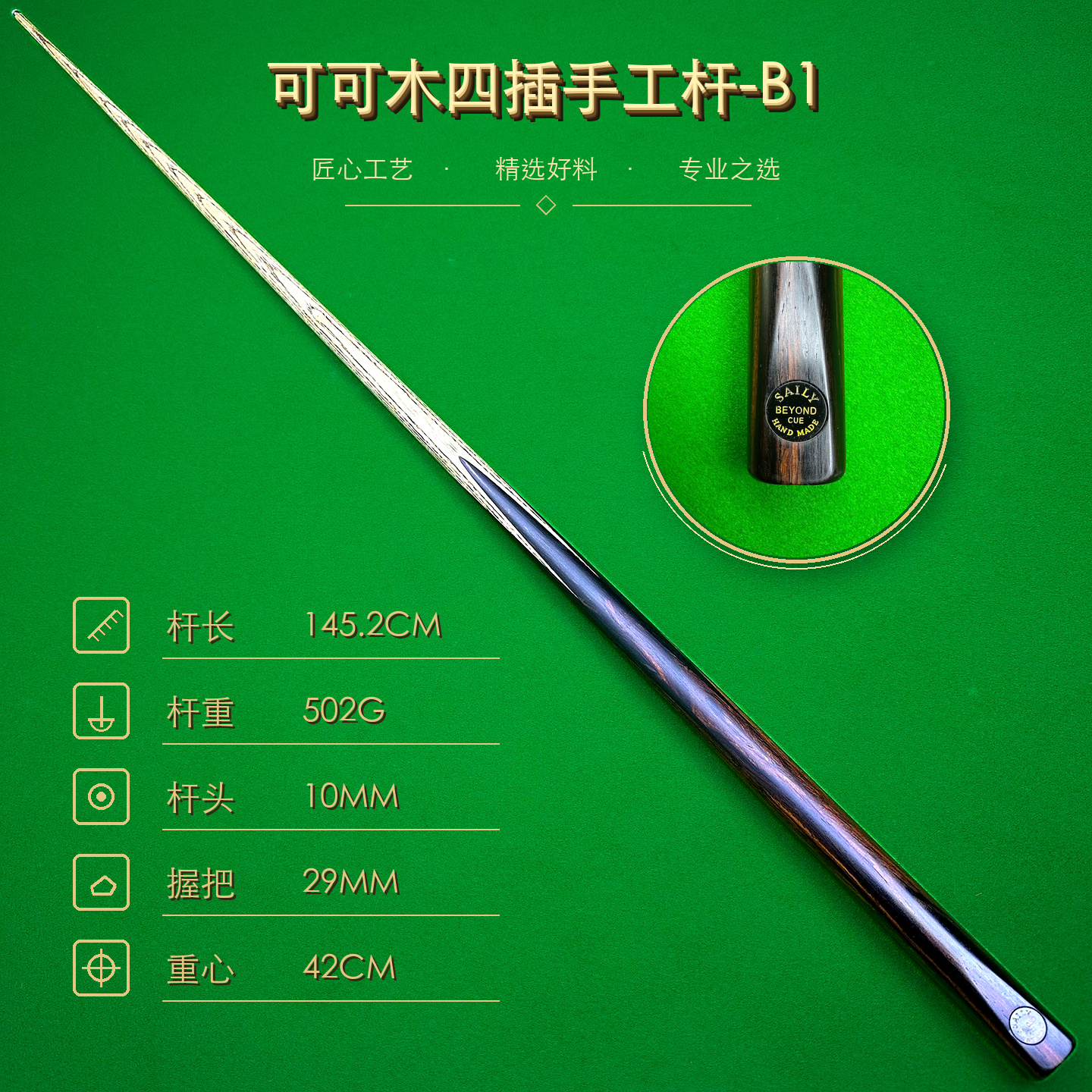
Know when to stop play and handling
Stop if skin or cloth catches, fibres lift, a splinter is visible, a line opens, the finish changes quickly, a joint moves unexpectedly or a sound appears. Protect the cue from further contact and contact the maker, seller or an experienced technician. If you cannot tell residue from a crack or a local mark from a bend, uncertainty is itself a reason to pause.
Do not use potting results to “test” a suspected repair. A single shot cannot establish safety, structure, value or future stability. The technician may recommend leaving the cue untouched, monitoring it or examining the actual cue. That decision belongs to the person with relevant cue-specific evidence, not a generic internet recipe.
For context, the guide to how long a snooker cue lasts explains why storage, handling and documented condition matter over time. A careful record can support a seller conversation even when no repair is required.
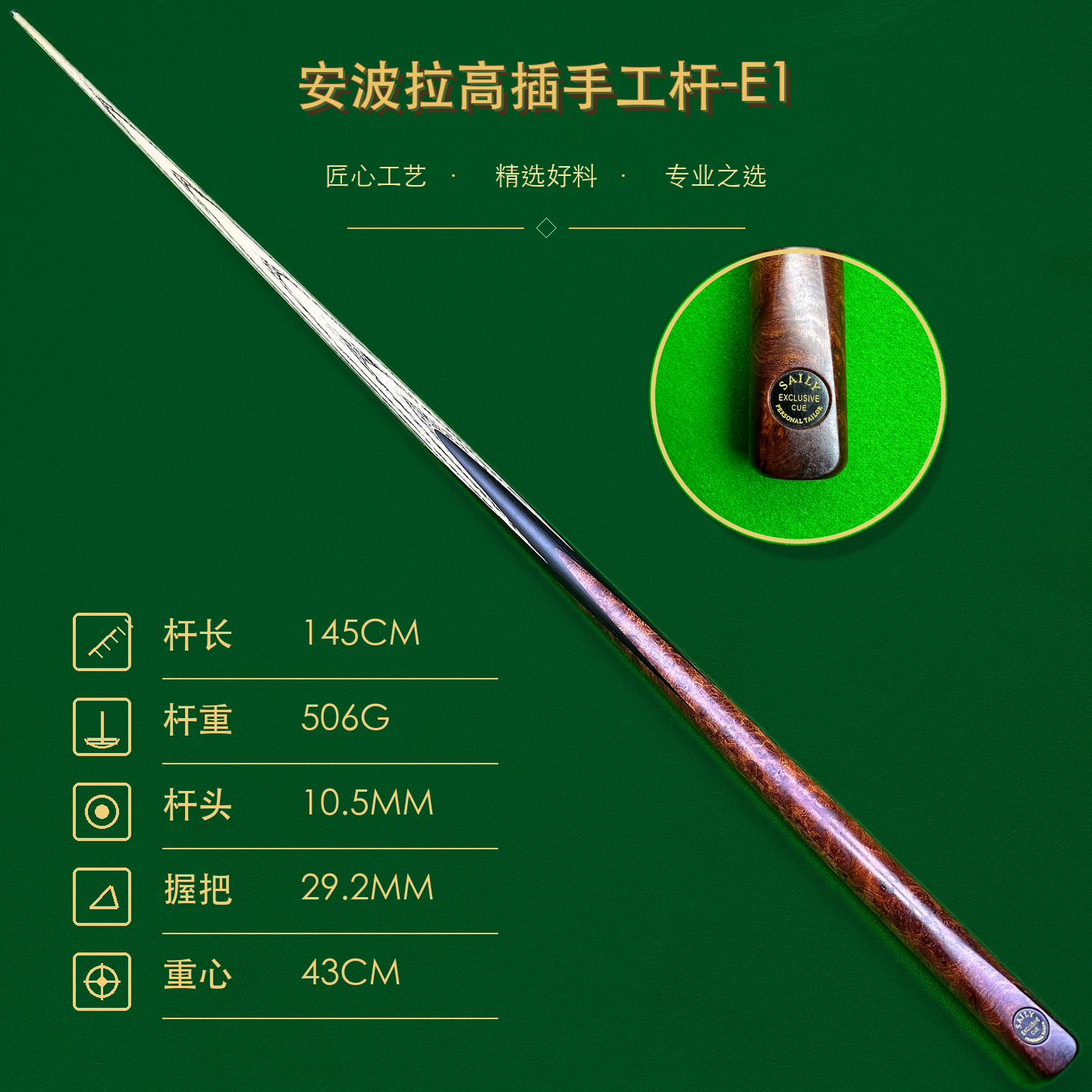
What to ask the maker or technician
Send a concise evidence pack: the exact cue reference, full and close photographs, approximate location, date first noticed, any impact or delivery event, storage context, what a dry cloth did and whether the area changed. Keep packaging and seller messages when the concern began on arrival. Ask what can be assessed from photographs and what requires the physical cue.
A useful request is: “Please assess whether this is residue, a local surface change, a crack, a straightness concern, a ferrule symptom or a joint symptom, and advise whether it should be left untouched.” Avoid asking for a guaranteed restoration, performance result or value increase. Browse the SAILY CUE cue collection for real product records, then request current evidence for any specific cue.
Snooker cue shaft repair FAQ
Can every snooker cue shaft be repaired?
No. Feasibility depends on the exact cue and the observed condition. A maker, seller or experienced cue technician should inspect the evidence and decide whether the shaft should be left alone, monitored or assessed in person.
Should I sand or steam a snooker cue shaft crack?
No. Do not sand, steam, wet, glue or fill an uncertain area. Those actions can remove evidence or create a new change. Stop play if there is a catch, splinter, opening or rapid change and request cue-specific advice.
Is a bent shaft the same as a dent?
No. A dent or raised fibre is a local surface observation. A bend concern relates to the shape of a longer section or the complete cue. Record and discuss them as separate symptoms.
What should I send to a cue technician?
Send the cue reference, full-cue and close photographs, the location of the concern, when it was noticed, any delivery or contact event, what a clean dry cloth did, and whether the condition has changed. Preserve the exact cue and its packaging when relevant.
SAILY CUE COLLECTION
Choose a cue with clear product records
Review real photographs and individual cue information, then keep any future condition question tied to the exact cue.