
SNOOKER CUE CARE · CONDITION GUIDE
How Long Does a Snooker Cue Last? A Condition-First Guide
There is no honest universal number of years. The exact cue, its current condition and its handling history provide a better answer.
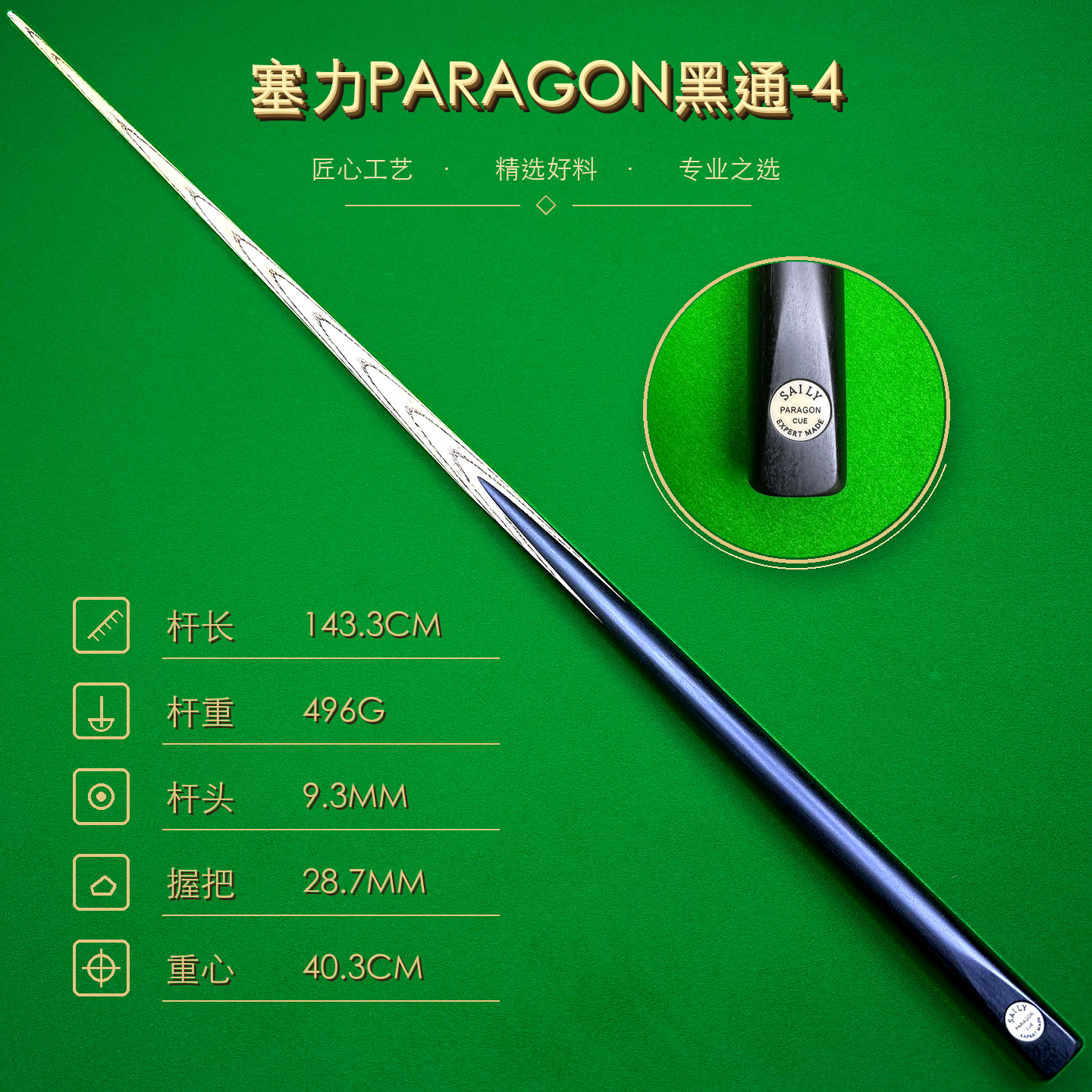
Short answer: a snooker cue does not have a dependable expiry date. A tip may need replacement while the shaft, ferrule, joint and butt remain sound. Conversely, a new cue can need inspection after a drop, hard impact, unsuitable storage or an unexplained change. Identify the exact cue, compare its current condition with a useful baseline, follow documented care instructions and ask an experienced cue technician when the evidence is uncertain.
Why “how many years?” is the wrong first question
Searchers often want one number for how long a snooker cue lasts. A calendar estimate sounds simple, but it hides the facts that actually govern continued use. Cues are played, transported and stored differently. A cue may also have a replacement tip, a repaired joint or a changed case history. None of those facts can be inferred honestly from age alone.
Start an identity record for the exact cue: maker or seller reference, normal assembled configuration, current photographs and known instructions. Record where it is stored, how often it travels and any drop, impact or repair. The snooker cue maintenance schedule explains how to turn those observations into short, event-based checks.
Tip wear is different from cue-body life
The tip is a contact and wear component. Its surface, edge, attachment and remaining material can change while the shaft and butt remain otherwise usable. That is why a worn or damaged tip does not automatically mean the whole cue has reached the end of its life.
Inspect the tip from above and from the side before play. Look for lifting, a deep split, missing material or an unsafe amount of material above the ferrule. Use the cue-tip inspection guide to separate a player’s preferred profile from a real condition concern. Stop before an improvised repair changes the ferrule or shaft.
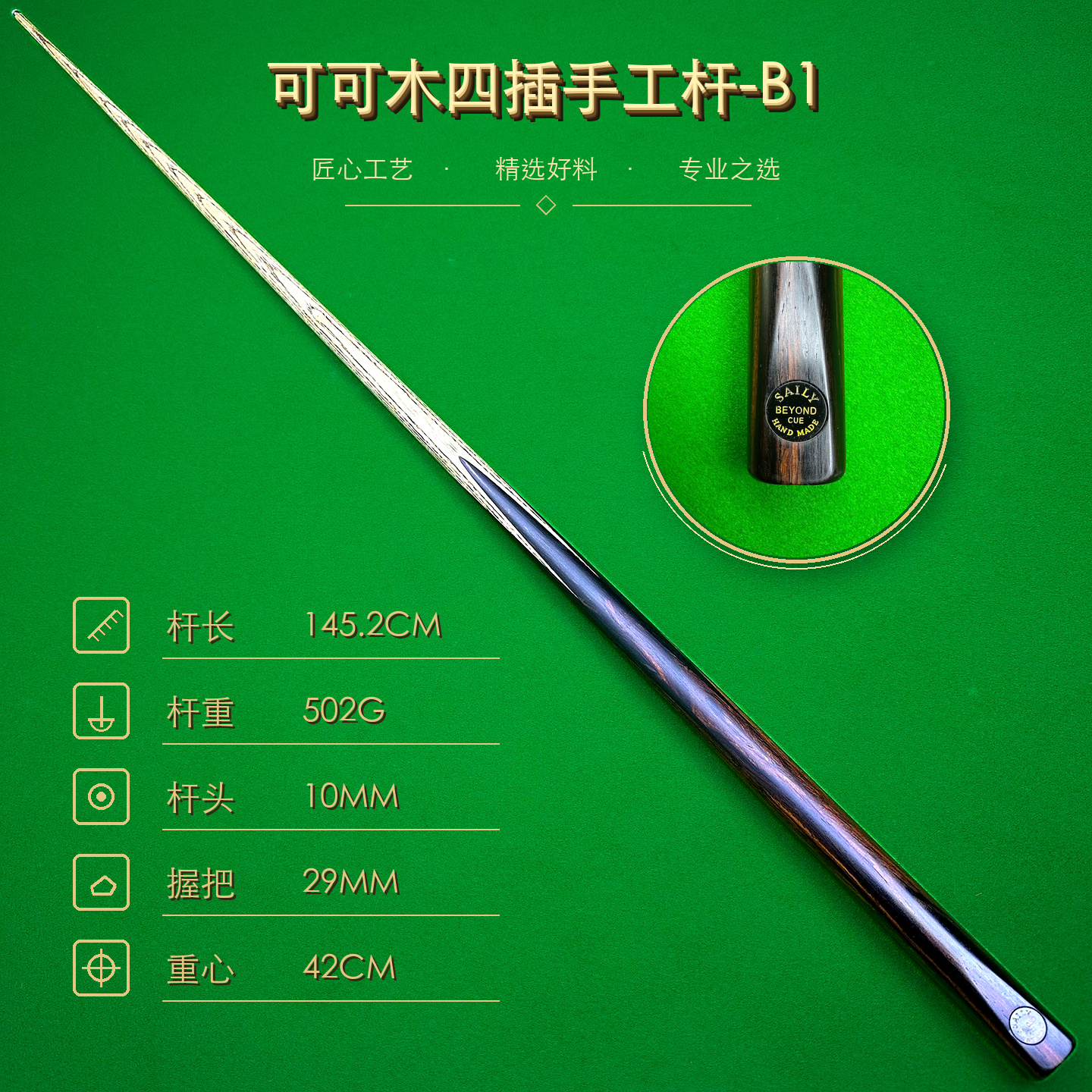
Check the parts that define the cue body
Shaft and ferrule
Look for a new crack, serious dent, sharp catch, unexplained movement or a surface change that affects safe handling. Do not bend, twist, sand or force-test a suspicious area. The shaft dent guide shows a low-intervention way to document what you can see without turning a check into damage.
Joint
On a jointed cue, mating faces should meet in the normal straight configuration. A thread that will not start naturally, a sudden gap or a new looseness is a reason to stop. Follow the snooker cue joint checklist and let a qualified person assess an abnormal fit.
Butt and finish
Check the butt, badge, inlays and grip area for a new split, loose component or sharp edge. Cosmetic change alone is not proof that a cue is unsafe, while a structural movement should never be dismissed because the cue is familiar. Use clean, dry handling and the maker’s instructions; do not assume oil, wax or household chemicals are suitable.
Decide whether to play, inspect or pause
- Continue with normal care.Choose this when the tip, ferrule, shaft, joint and butt match the baseline, assemble normally and show no new concern.
- Inspect and record.Photograph a changed mark, sound, fit or surface under even light. Note when it appeared and what happened before it appeared.
- Pause and seek experienced help.Stop using the cue for cracks, gaps, looseness, sharp catches, missing material or an unexplained structural sound. A cue technician can assess the exact cue and its history.
When choosing a replacement or a second cue, use the real images and documented details in the SAILY CUE catalogue. A product listing can identify a cue; it cannot promise a lifespan, straightness or playing result.
Events that reset the question
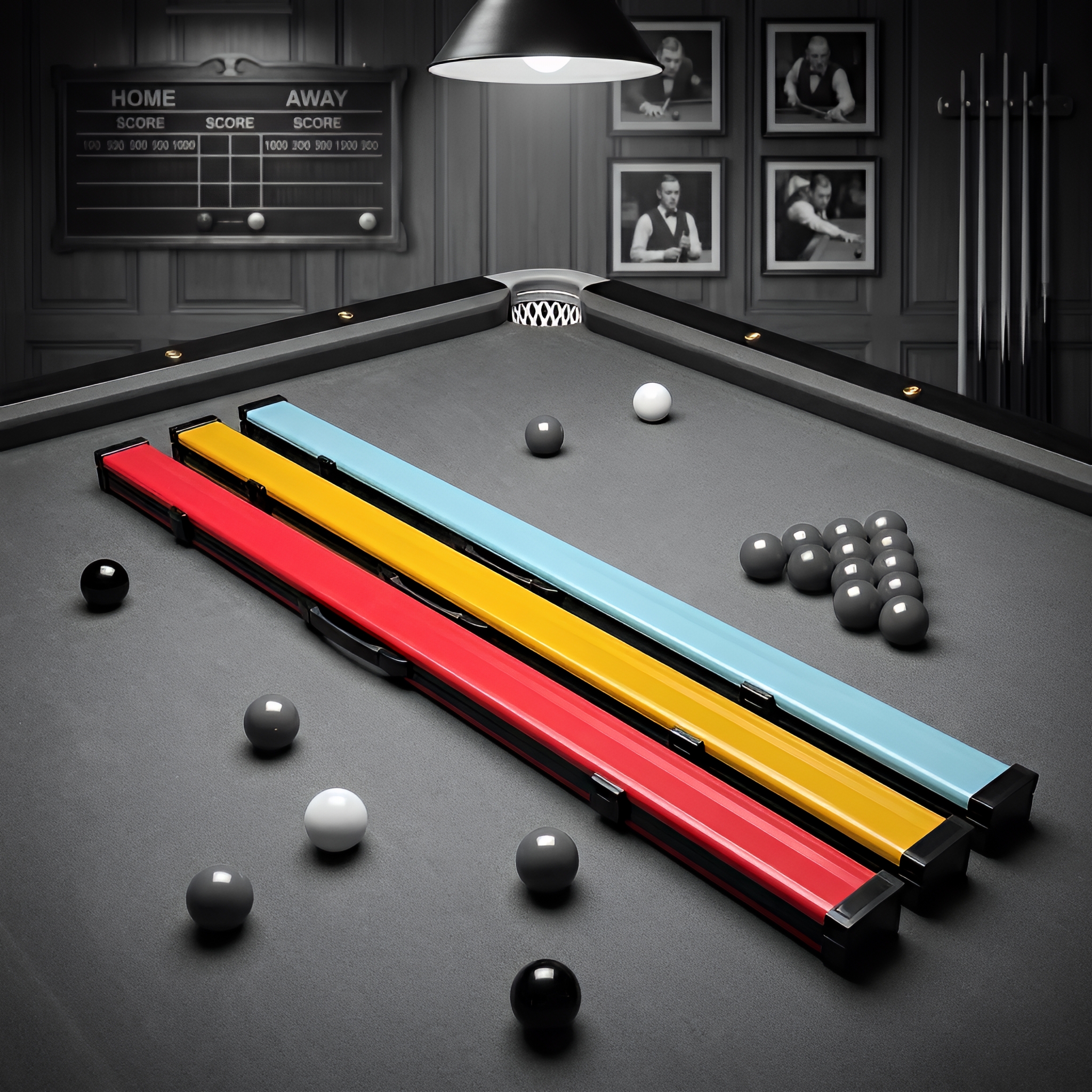
Travel, long storage, a drop, shipping impact or a repair changes what should be checked next. Keep the cue in its correctly sized case, avoid routine vehicle storage and let a rapidly transported case reach a suitable indoor environment before opening. The storage and care guide covers the everyday handling baseline.
After a drop, do not play hard shots “to see if it is fine.” Follow the post-drop checklist, inspect separated sections and document the case as well as the cue. If a technician repairs the cue, keep the instructions and take new baseline photographs; the current surface and joint history now define future checks.
How long does a snooker cue last? FAQ
What is the average lifespan of a snooker cue?
There is no reliable average that applies to every cue. Exact construction, use, storage, travel, impacts, previous repairs and current condition matter more than a calendar age. A well-documented cue may remain usable while a newer cue may need inspection after damage.
Does a worn tip mean I need a new cue?
Usually, a tip is a replaceable wear item rather than proof that the cue body has reached its end. Check attachment, remaining material and ferrule condition. If the tip is loose, cracked or missing material, pause and ask an experienced cue technician about replacement.
How can I tell if a snooker cue shaft is still usable?
Compare the exact shaft with its baseline photographs and normal assembled setup. Look for a new crack, sharp catch, serious dent, unexplained movement or a changed joint fit. Do not bend or force-test a concern; document it and seek qualified assessment.
Should I replace a cue after dropping it?
Not automatically, and do not keep playing simply to test it. Inspect each section, ferrule, joint and butt after the drop. Stop for cracks, gaps, looseness, abnormal sounds or a sharp catch, then let an experienced cue maker or technician assess the documented condition.
SAILY CUE COLLECTION
Choose from evidence, not an expiry date
Compare real cue photographs, measurements and condition notes when you build or replace a cue setup.