
CUE CARE · WET CASE RESPONSE
What to Do If Your Snooker Cue Case Gets Wet
Separate an exterior splash from interior moisture, protect the cue first and let the empty case dry without aggressive heat or unverified treatments.
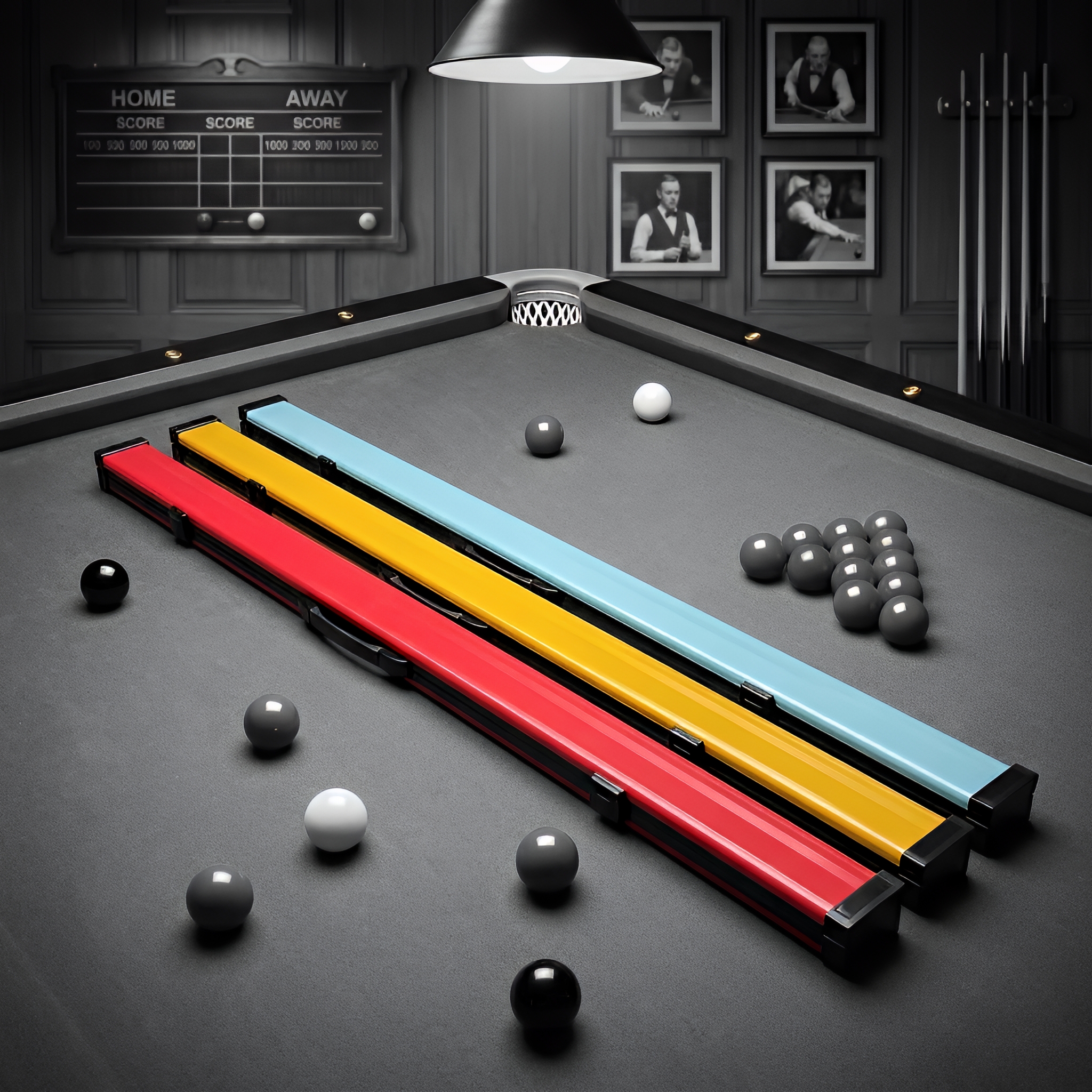
Short answer: move the case out of rain or the spill, wipe free water from the exterior and photograph what happened. Check the interior without tipping moisture onto the cue. If any lining, support or pocket is damp, remove the cue to a clean dry fully supported place. Empty the case, follow its maker’s material-specific instructions and leave it open in a clean ventilated indoor area away from direct sun, radiators, hair dryers and other concentrated heat. Inspect both cue and case before reuse, and do not close a cue inside while hidden layers remain damp.
Act quickly without rushing into treatment
Start by stopping the source. Move the case under cover, set it on a clean dry surface and keep it stable. Do not swing, shake or stand it vertically if doing so could move water toward a zip, latch, seam or cue compartment.
Use an absorbent clean cloth to blot or wipe free water from the exterior. Do not scrub unknown material or spray cleaner over the wet area. Take photographs of the whole case, the wettest area and any place where water may have entered. If this happened during travel, keep relevant bag or carrier evidence as well.
Note whether the event was light rain, a puddle, a drink spill or longer exposure. The label does not prove the interior condition, but it helps a case maker or repairer understand the incident. The goal in the first minutes is containment and documentation, not cosmetic cleaning.
Check whether the moisture reached the interior
Open the case carefully on a level, protected surface. Keep the wet exterior from folding onto the lining. Look and feel at the nearest seam, corner and support before touching the cue. Check for visible droplets, a darker patch, damp texture, swelling, a changed smell or moisture in a pocket.
An apparently dry centre does not prove that padding beneath it is dry. Water often reaches seams, zipper tape, hinge areas and corners first. Inspect each compartment separately and remove chalk, cloths, extensions and small tools so they cannot hold moisture against the lining.
If only the outside is wet and the interior remains dry, the cue may stay protected while you move it to safe storage. If there is any uncertainty, remove the cue. A case is replaceable; sealing moisture beside a wooden cue, finish, wrap or metal joint creates a larger unknown.
Move the cue to clean, dry and supported storage
Place each cue section on a clean padded surface where it cannot roll, bend, be stepped on or touch the wet case. Keep joint faces away from water and loose grit. Do not lean an assembled cue against a wall while you deal with the case.
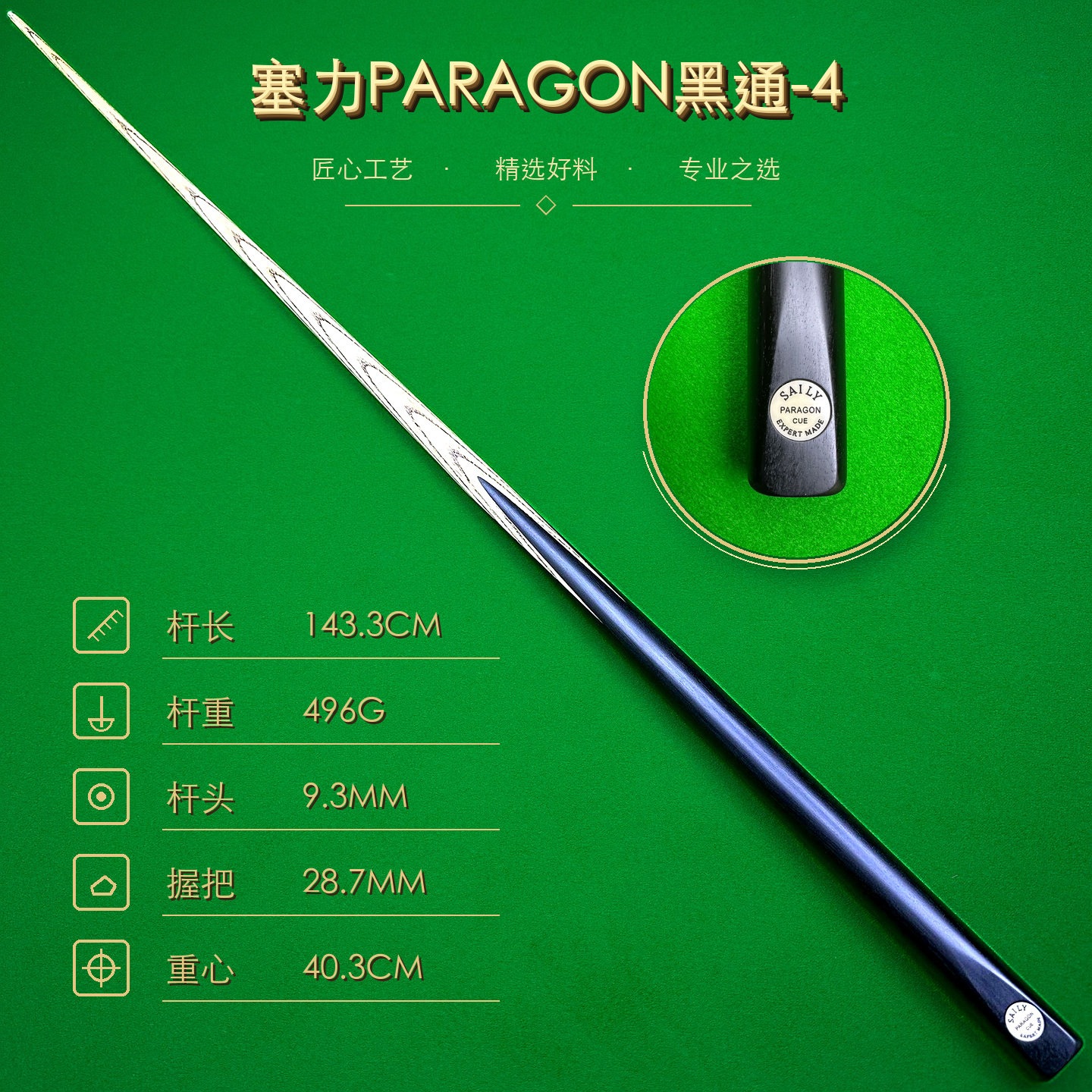
Inspect the tip, ferrule, shaft, joint, butt and any wrap or inlay under diffuse light. If the surface is dry, record that and leave it alone. If you see a small amount of surface moisture, blot gently with a clean soft dry cloth. Do not use a heater, hair dryer, abrasive, alcohol, furniture cleaner, oil or wax to speed the response.
Stop normal play when you find a changed finish, lifted area, staining, swelling, rough raised fibres, abnormal joint fit, movement or trapped moisture. Keep photographs and ask the cue maker or an experienced cue technician for guidance specific to the cue and affected material. The snooker cue storage and care guide gives a conservative dry-care baseline.
Dry the empty case gradually
Remove everything that is designed to come out, but do not tear away glued lining, padding or fixed dividers. Leave compartments and pockets open in a clean ventilated indoor area. Support the case in a position that allows air to reach the damp areas without distorting its shape.
Avoid direct sun, radiators, heated floors, ovens, hair dryers and concentrated fan heat. A hard shell, textile lining, foam, adhesive, leather-like trim and metal fitting can respond differently. High heat may change one layer while moisture remains beneath another.
Follow the maker’s care label for the exact case. Do not assume it is washable or add disinfectant, fragrance, desiccant, leather conditioner or household spray. If the incident also left chalk, grit or a stain, use the separate cue-case cleaning checklist only after the immediate moisture is controlled.
Drying time cannot be promised from a photograph or a fixed number of hours. Recheck corners, seams, pockets and padding by touch and smell. Persistent dampness, odour, colour transfer, swelling, loose lining or exposed hardware is a reason to keep the cue elsewhere and seek case-specific cleaning or repair advice.
Inspect fit and support before you reuse the case
Once every inspected layer is dry, test the empty case first. Open and close each zip, latch and hinge gently. Confirm that dividers and supports remain secure, no sharp edge has appeared and the longest cue section can lie in its intended channel without pressure.
Return the cue only after both items have passed their own checks. Place each section in the correct compartment, keep hard accessories separate and close the lid without forcing it. Lift the case gently and listen for movement. Changed rattling or a lid that now presses on the cue means the protective fit needs reassessment.
Add the event and photographs to the cue’s record. The condition-based maintenance schedule treats unusual travel, storage and impact as triggers for a deeper review rather than reasons for an automatic polish or treatment.
Prepare for the next wet journey
Check the weather and transport route before leaving. Close every zip or latch, keep drinks in a separate bag and avoid placing the case directly on wet floors. A rain cover or outer bag may reduce exposure only when it is designed for the case; it does not prove the case is waterproof.
After any damp journey, inspect the exterior and let the case air indoors before long-term storage. Keep a clean dry cloth available, but never use the same cloth for road dirt, the lining and the cue. Browse the SAILY CUE cases and bags category when comparing formats, and verify real internal dimensions, support and maker care instructions before buying.
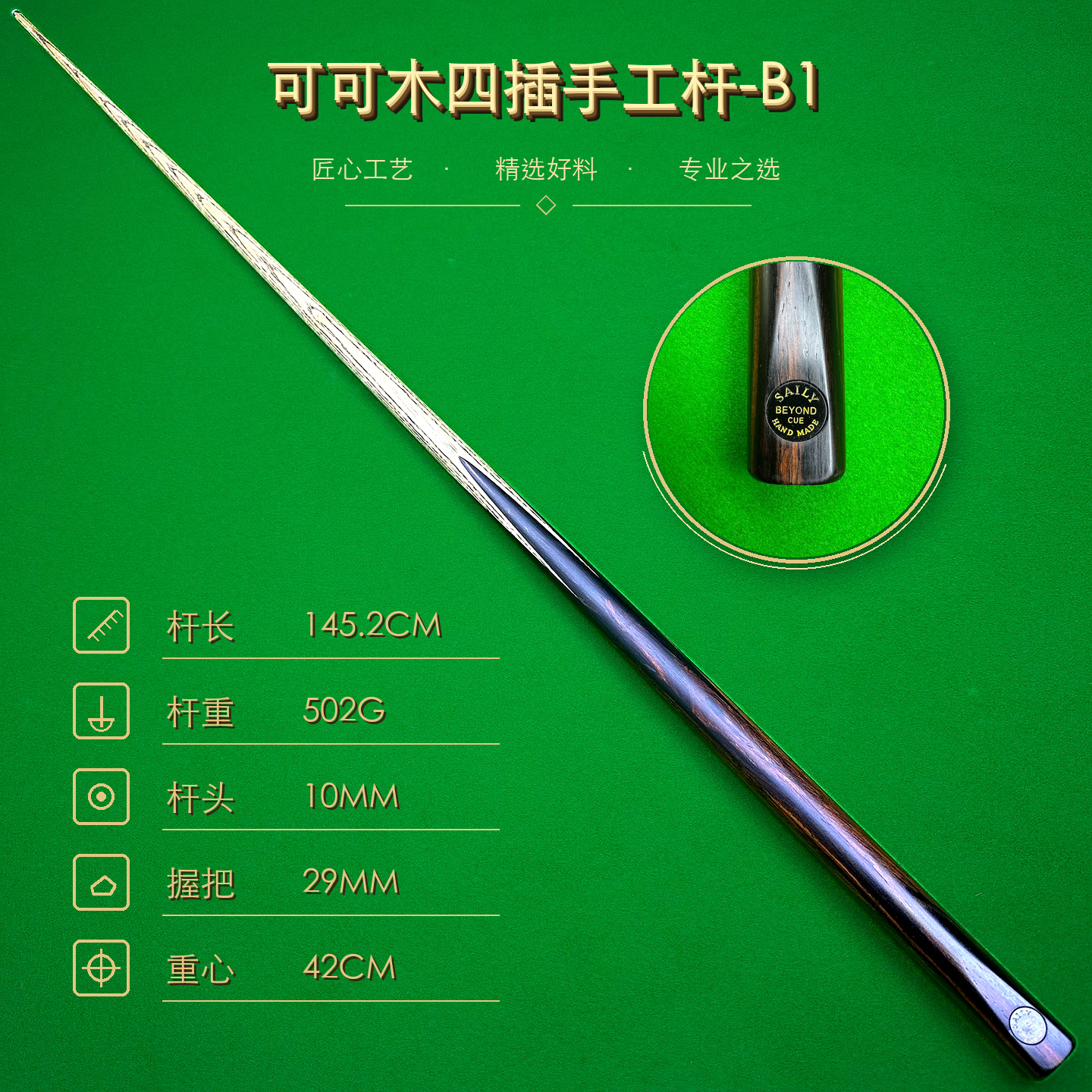
If the existing case no longer closes securely or supports the cue after drying, retire it from cue storage until repaired or replaced. The English cue catalogue shows real SAILY CUE photographs and individual references; use the same exact-item approach when documenting the cue involved in a wet-case incident.
Wet snooker cue case FAQ
What should I do first if my snooker cue case gets wet?
Move it to a clean sheltered place, wipe away free water from the outside, photograph the affected areas and check whether moisture reached the interior. Remove the cue to a clean fully supported dry surface if the inside is damp.
Can I dry a cue case with a hair dryer or heater?
Avoid high or concentrated heat. It can affect unknown coverings, adhesives, foam, linings or hardware. Leave the empty open case in a clean ventilated indoor area and follow the maker’s instructions for the exact case.
Can I put the cue back when the lining feels dry?
Check seams, corners, pockets and padding as well as the visible surface. If dampness, staining, swelling, odour or changed support remains, keep the cue in separate dry supported storage and seek case-specific advice.
What if the cue itself became wet?
Blot visible surface moisture gently with a clean soft dry cloth, document the affected area and avoid heat, abrasion, oil, wax or unverified cleaner. If moisture entered a joint, finish, wrap, inlay or damaged area, stop play and ask the cue maker or an experienced cue technician for cue-specific guidance.
CUE CASES AND BAGS
Keep the cue dry, separated and supported
Compare storage formats and verify care instructions for the exact shell, lining, padding and hardware.