
CUE CARE · CASE CLEANING
How to Clean a Snooker Cue Case Interior and exterior checklist
Remove chalk, grit and moisture without turning a routine clean into damage to the lining, padding, shell or hardware.
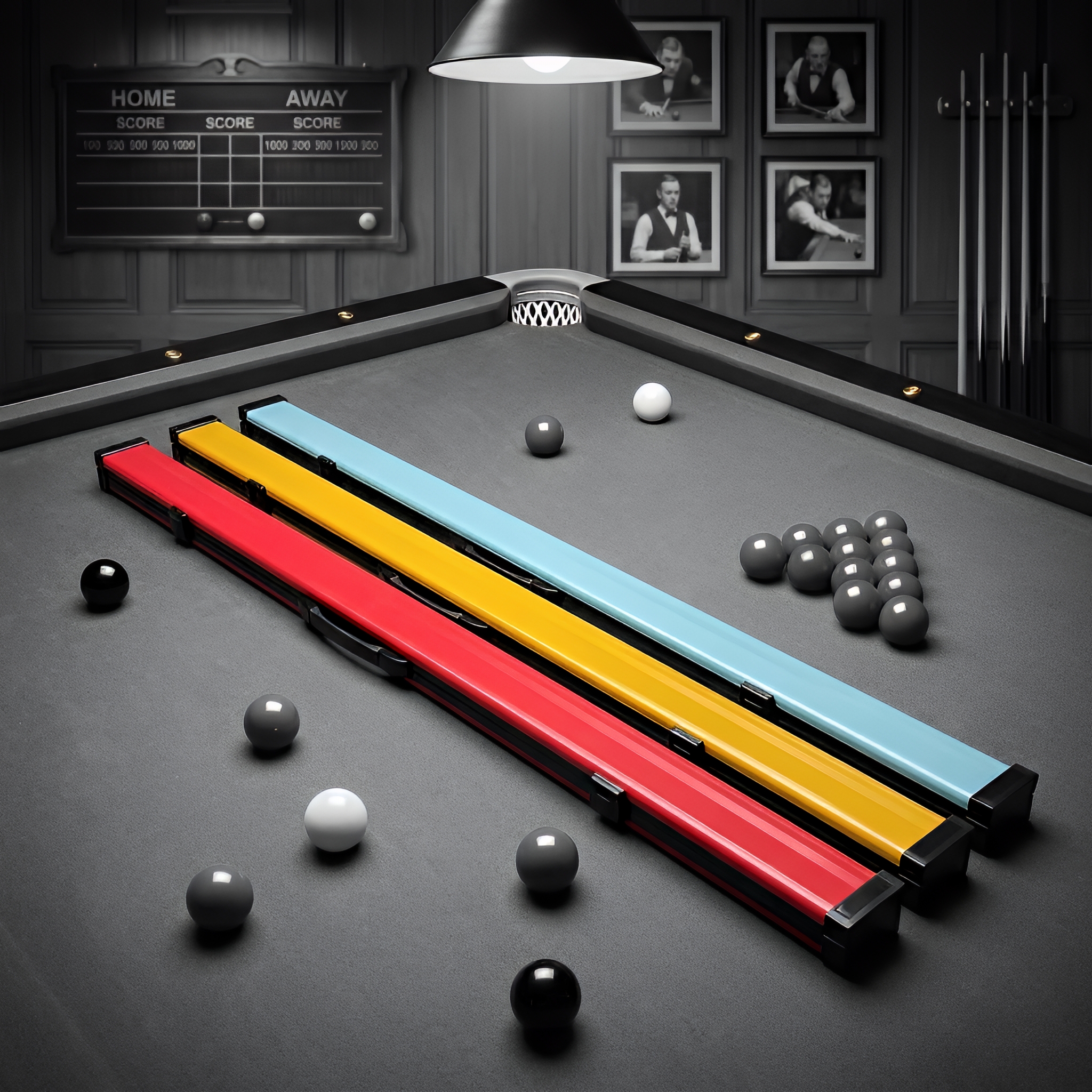
Short answer: remove the cue and every accessory, photograph the layout, inspect the lining and supports, then begin with a clean soft brush or another dry method approved for the case. Treat the outer shell and hardware according to their known materials and maker instructions. Do not soak the case, mix unknown cleaners or put a cue back into any compartment that is still damp, gritty or damaged.
Empty the case before you clean
Take out every cue section, extension, chalk cube, cloth and small tool. Open hidden pockets and removable trays, but do not force glued or fixed dividers. Photograph the original arrangement so each part can return to its supported position rather than being squeezed into the wrong channel.
Move the cue to a clean, padded and fully supported surface away from the cleaning area. Loose chalk and grit can scratch a finish, while an unsupported cue can roll or be knocked. This job is about the case; use the separate snooker cue care checklist when the cue itself also needs attention.
Look for the case maker’s label or care instructions. Record the visible materials instead of guessing. A hard shell, textile lining, foam support, leather-like trim, zipper, latch and metal corner may all require different treatment. If a spill has an unknown source, note its location and odour before applying anything.
Start with a dry interior clean
Turn the empty case only when its construction allows it, and let loose debris fall onto a clean sheet. Use a clean, soft brush to lift chalk dust, cloth fibres and grit from corners, seams and channels. Work from the cleanest area toward the dirtiest so residue is not spread through the whole lining.
A low-suction vacuum may be appropriate for some securely attached linings, but it is not a universal rule. Keep the nozzle above the surface, avoid catching threads or padding, and stop if fabric, foam or dividers move. Do not use compressed air that simply drives chalk deeper into seams or sends grit across the cue room.
For a mark that remains, check the exact case instructions before introducing moisture. Test an approved method in a small hidden area and use the minimum amount. Blot rather than scrub unless the maker specifically says otherwise. Aggressive rubbing can change the nap, colour or adhesive bond of an unknown lining.
A chalk cube or dusty cloth should sit in a closed pocket or separate container, not loose beside the shaft, joint or butt. Cleaning the lining will not help for long if the source returns to the same compartment.
Match the exterior method to the known surface
Begin by removing dry dust with a soft clean cloth. Inspect the shell for cracks, lifted covering, loose stitching, swollen areas or separated edges. Cleaning cannot repair structural damage, and wetting a lifted surface may make the problem harder to assess.
Do not assume that household spray, alcohol, leather conditioner, polish or disinfectant is safe for an unknown finish. Similar-looking cases may use different coatings, adhesives and trims. If the maker approves a damp wipe, apply the product to the cloth rather than pouring or spraying it into seams, locks or the interior.
Use a separate cloth for the outer case so road dirt and floor residue never reach the lining. Wipe handles where hands transfer oil and chalk, but avoid saturating stitched joints. For a soft case, support its shape while cleaning instead of twisting or wringing the fabric.
Inspect zips, latches, hinges and supports
Brush dry grit away from zipper teeth and latch recesses. Open and close each part gently while the case is empty. A zipper that binds, a latch that no longer closes, a sharp metal edge or a loose hinge is a repair question, not a reason to add an unverified lubricant.
Press the lining and dividers lightly to check whether padding remains secure. Look for exposed staples, screws or hard edges that could contact a cue. Confirm that the longest section still rests in its intended channel and that the lid closes without pressure. The cue-case selection guide explains how internal fit and support relate to the cue’s stored length and configuration.
If the case was dropped, wet or crushed, inspect its structure even when the surface looks clean. Photograph any changed corner, gap or support before repair. Browse the cue cases and bags category when an existing case no longer provides a reliable fit.
Let every layer dry completely
Leave the empty case open in a clean, ventilated indoor area away from direct sun, radiators and high heat. Do not use a hair dryer or heater to speed the process. A surface can feel dry while padding, seams or foam underneath still hold moisture.
Check corners and closed pockets by touch and smell before returning equipment. If dampness, staining or odour remains, keep the cue elsewhere and seek case-specific cleaning or repair advice. Do not seal fragrance, desiccant or chemical treatment inside with a cue unless the case and cue makers confirm it is suitable.
When fully dry, return the cue sections in the photographed order. Keep metal extensions, joint protectors and hard accessories in their own spaces. Close the case without pressure, then lift it gently and listen for movement. A clean case should also keep the cue supported.
Prevent the next buildup
Wipe loose chalk from the cue before storage, close or isolate chalk, and let a case air after a humid journey before closing it for the day. Keep food and drinks away from the open lining. Inspect the case after travel, not only when the outside looks dirty.
Use condition, not a fixed calendar, as the trigger for deeper cleaning. A quick empty-and-brush may be enough for loose debris. A spill, persistent dampness, damaged padding or failed hardware needs a different response. For shipping, the case may be only one layer of protection; follow the separate snooker cue packing checklist for movement control and outer packaging.
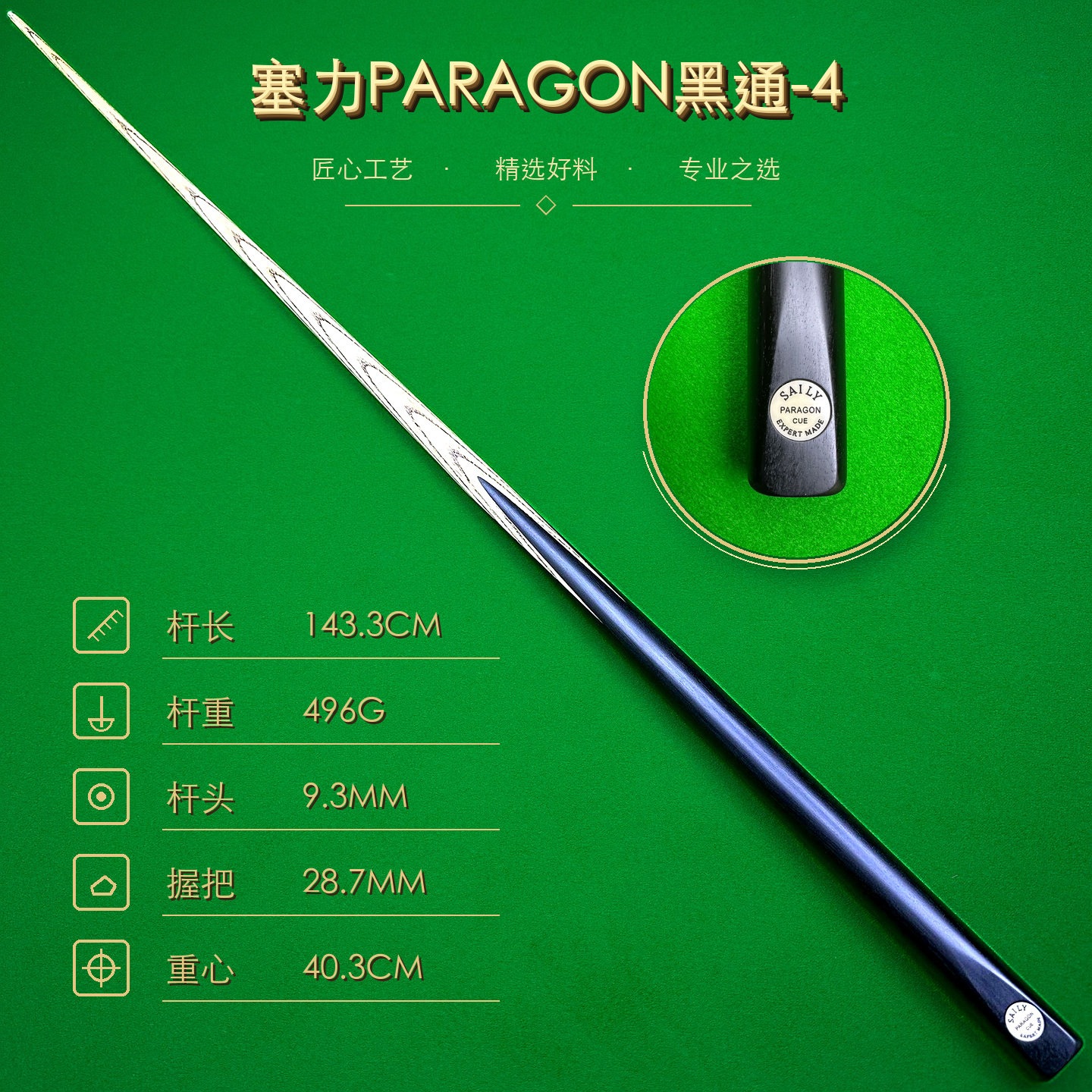
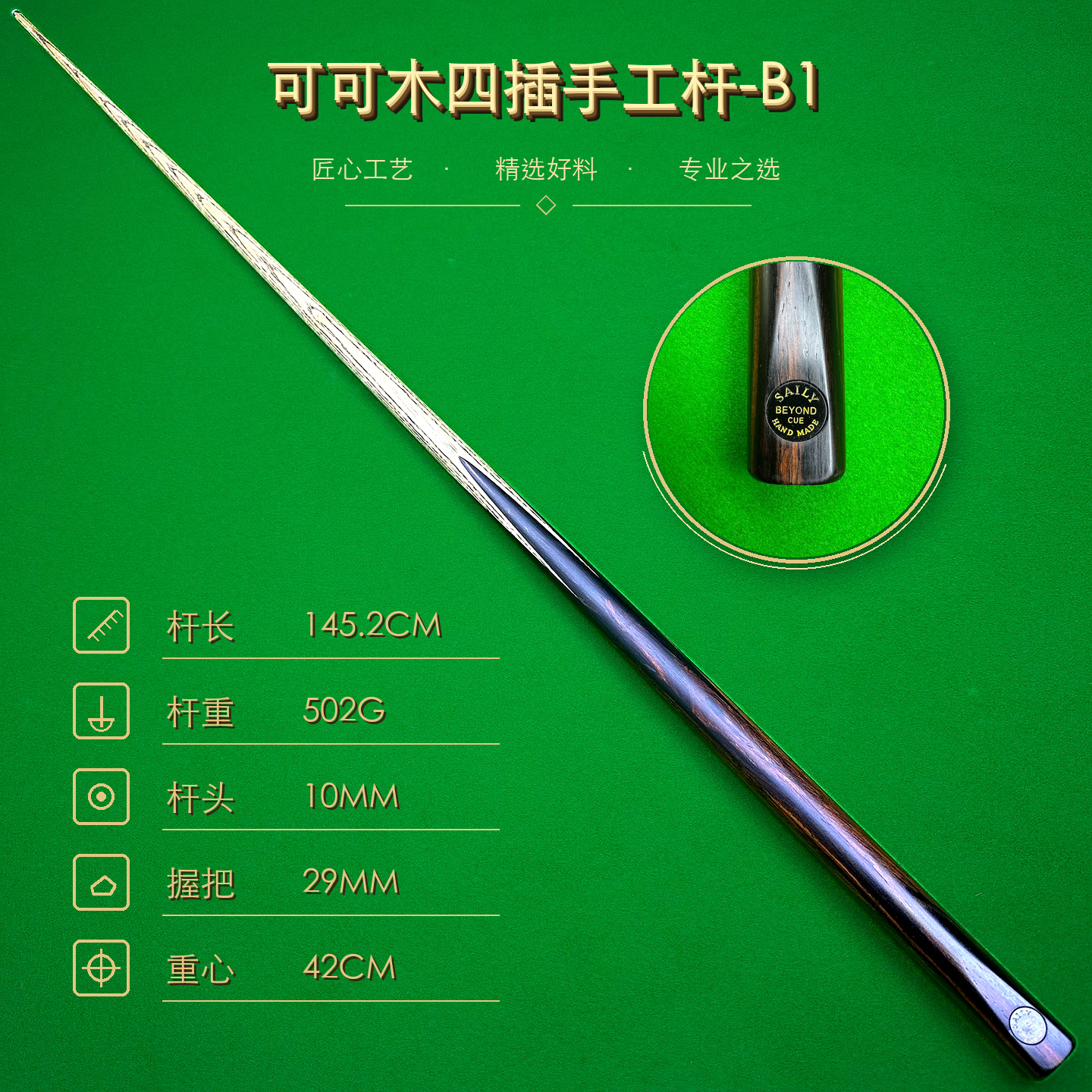
Keep dated photographs of both the cue and case. The SAILY CUE collection shows individual cue references with real photographs and measurements, which is the same evidence-first habit to use before storage, cleaning or travel.
Snooker cue-case cleaning FAQ
How do I clean the inside of a snooker cue case?
Empty every compartment, inspect the lining and remove loose chalk or grit with a clean soft brush or another low-risk dry method suitable for the case. Follow the maker’s instructions before using moisture or cleaner, and never return the cue while the case is damp.
Can I vacuum a cue-case lining?
Only if the case maker allows it and the lining is secure. Use low suction, keep the nozzle from pulling at fabric or padding, and stop if fibres, seams or dividers lift. A soft clean brush is the safer starting point for an unknown case.
Can I wash a snooker cue case?
Do not assume the whole case is washable. Shells, adhesives, linings, foam, leather-like trims and metal fittings may need different care. Use only a method confirmed for the exact case and allow every part to dry fully.
How often should I clean my cue case?
Remove loose chalk and inspect the case whenever residue, dampness, grit or a spill appears. A quick empty-and-check after regular use is more useful than applying a strong cleaner on a fixed schedule.
CUE CASES AND BAGS
Keep the cue clean, dry and supported
Compare case formats and internal fit, then use care instructions for the exact lining, shell and hardware.