
SNOOKER CUE CARE · RACK SUPPORT
Can You Store a Snooker Cue Vertically?
A vertical rack is only useful when it supports the exact cue without wobble, pressure or an avoidable fall.
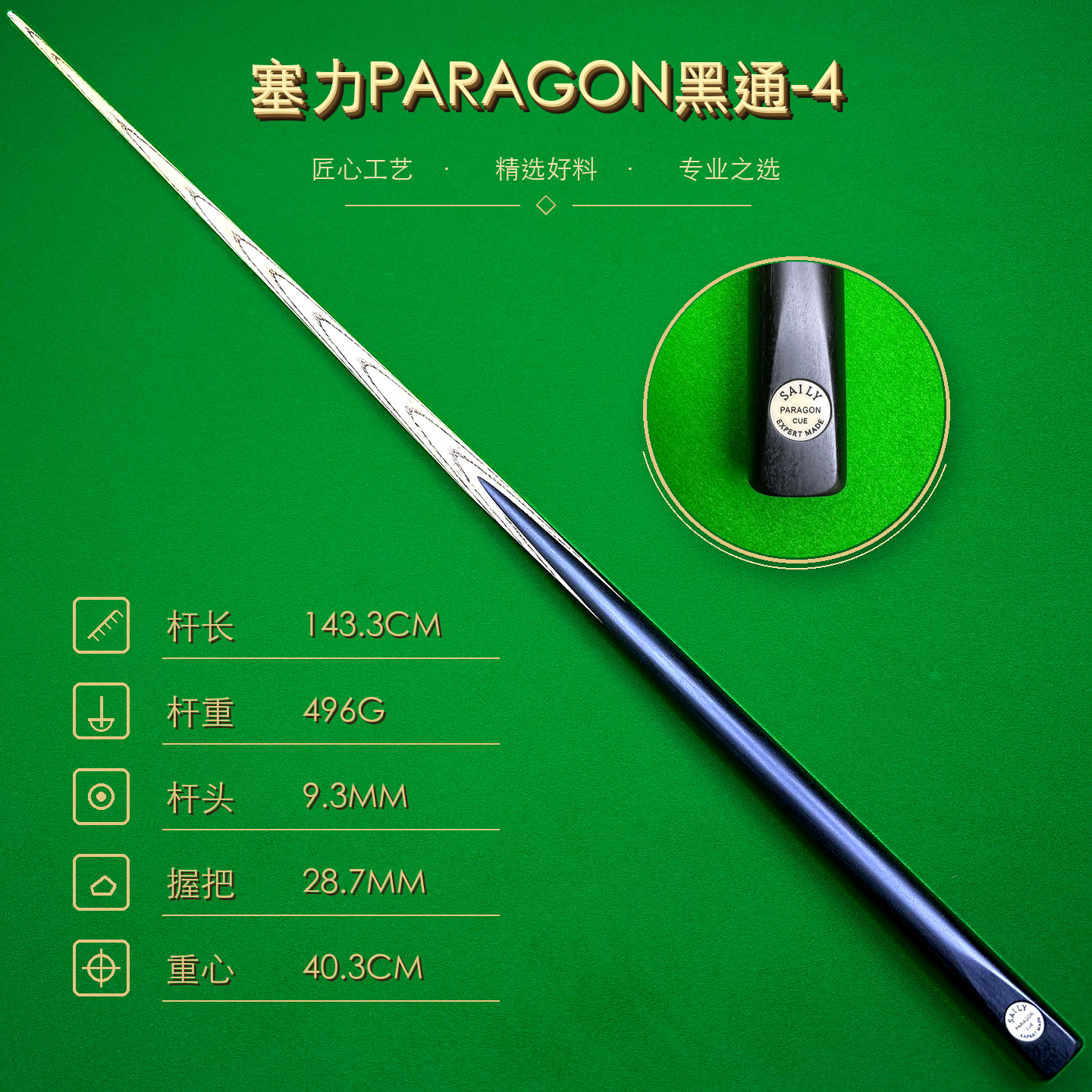
Short answer: a snooker cue may be stored vertically when the exact rack holds it steadily, the cue is supported at appropriate contact points, the playing end is protected, and the location is clear of traffic, heat and moisture. The rack must match the cue’s format—one-piece, jointed and assembled cues do not automatically share the same support needs. If the fit is uncertain, use a reversible separated-section case or another confirmed support rather than improvising.
Start with the exact cue and configuration
“Snooker cue” is not a complete storage specification. Record the individual cue, whether it is one piece or jointed, and whether you intend to store it assembled or separated. Note the tip, ferrule, shaft, joint and butt condition before placing it in a rack. A cue with a loose joint, a new catch, a crack, a lifted tip or an unexplained rattle should not be used to test a storage idea.
Take a full-length photograph and a close view of the likely support areas. If the cue has an extension, joint protector or other detachable fitting, include the exact packed configuration in your notes. The SAILY CUE English cue catalogue shows why an exact product record matters: measurements and photographs belong to one cue, not to a generic category.
Vertical storage is a different question from leaving a cue assembled. The assembled-cue guide focuses on full-length support and joint engagement; this guide focuses on how an upright rack contacts and retains the cue.
Map every support and contact point
Empty the rack before testing the cue. Identify the lower cradle, upper retainer, side walls, hooks, dividers and any cap or lip that could touch the cue. Ask four practical questions: where does the butt sit, what stops the shaft from swinging, what prevents a sideways slip, and can the cue be removed without scraping a hard edge?
Place the cue gently in its normal configuration. Do not use the tip or ferrule as a forced stop, and do not wedge the shaft between narrow surfaces. A rack that holds a short accessory may not support a full cue. If the cue rocks, leans, twists or presses against one small point, remove it and record the symptom rather than tightening the rack around the cue.
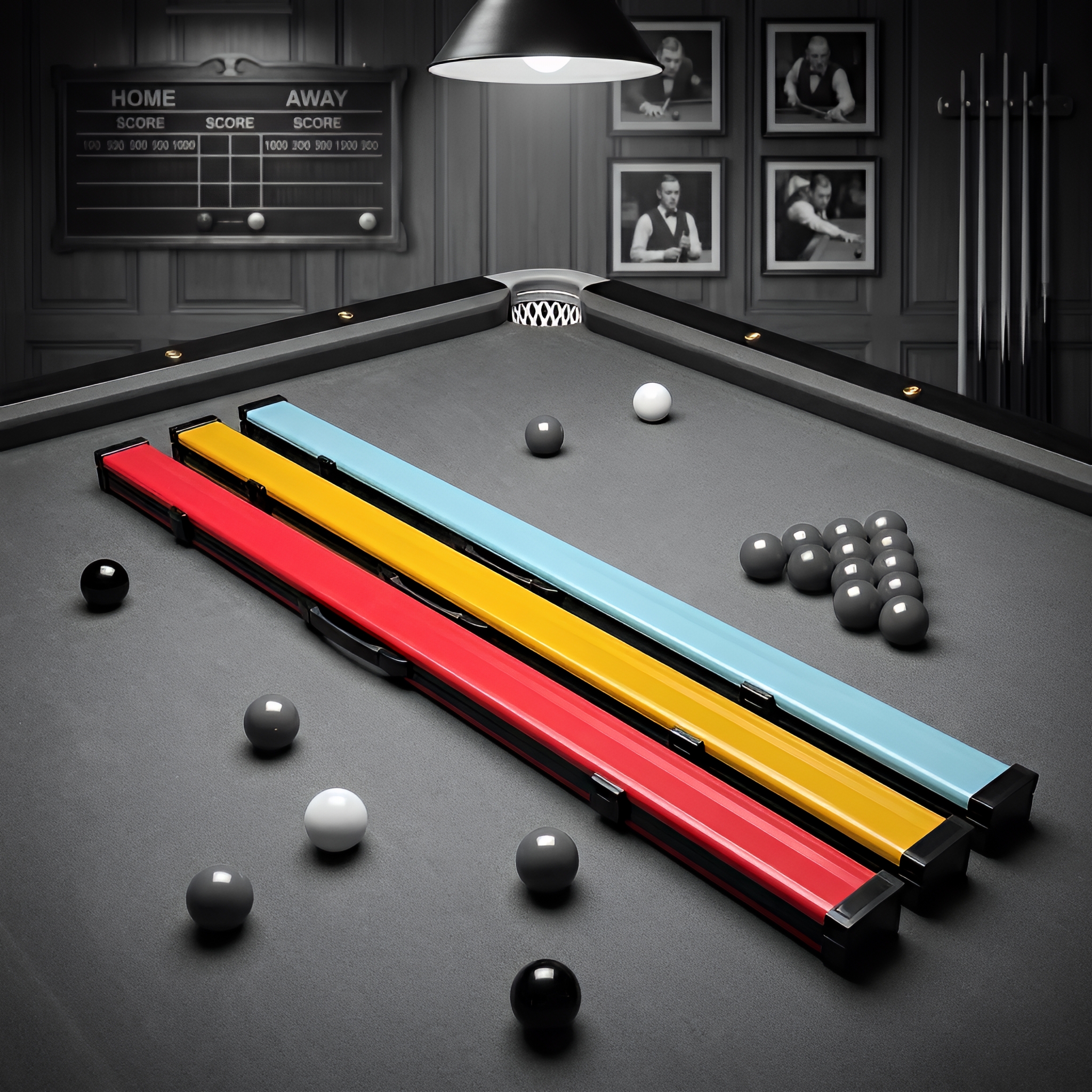
Check the rack itself: it should be securely fixed, stable when lightly touched and positioned so another cue, door or chair cannot strike the stored cue. The cue-case fit guide is useful for the same reason—it separates usable internal support from a nominal size printed on a listing.
Check access, heat and moisture
An upright cue often sits in a room corner, near a wall or beside other equipment. Walk the normal route used to pick it up. Look for door swings, bags, pets, chairs, cleaning tools and people passing close to the rack. A stable rack can still be a poor location if the cue is easy to knock or snag.
Keep the rack away from direct heat, strong sun, damp walls, wet floors and places with rapid environmental changes. Do not rely on a single “safe” temperature or humidity number for every cue. If the room has recently been unusually hot, cold or damp, note that exposure and inspect the cue before play. The broader snooker cue storage and care checklist covers supported indoor storage and routine inspection without promising a particular outcome.
Do not place a cloth, loose chalk or metal accessory under the butt to level the cue. Such improvisation can shift, trap moisture or create a new pressure point. Use a rack or stand designed for the actual cue, or choose protected separated storage.
Prefer a reversible alternative when evidence is weak
If the rack does not clearly retain the cue, take the cue out and choose a configuration you can explain and repeat. For a jointed cue, fully separate the sections by hand and use the intended case compartments. Protect the exposed connection only with a compatible protector that fits normally; the joint inspection guide explains when unusual resistance or movement is a stop condition.
A suitable case, supported horizontal storage or a purpose-built full-length stand may each be reasonable in the right setting. None is automatically correct for every cue. Compare the longest stored section, actual support, closure path and access risk. Never bend the cue to fit, partly loosen a joint, clamp the butt or use a lid as a restraint.
Inspect before returning the cue to play
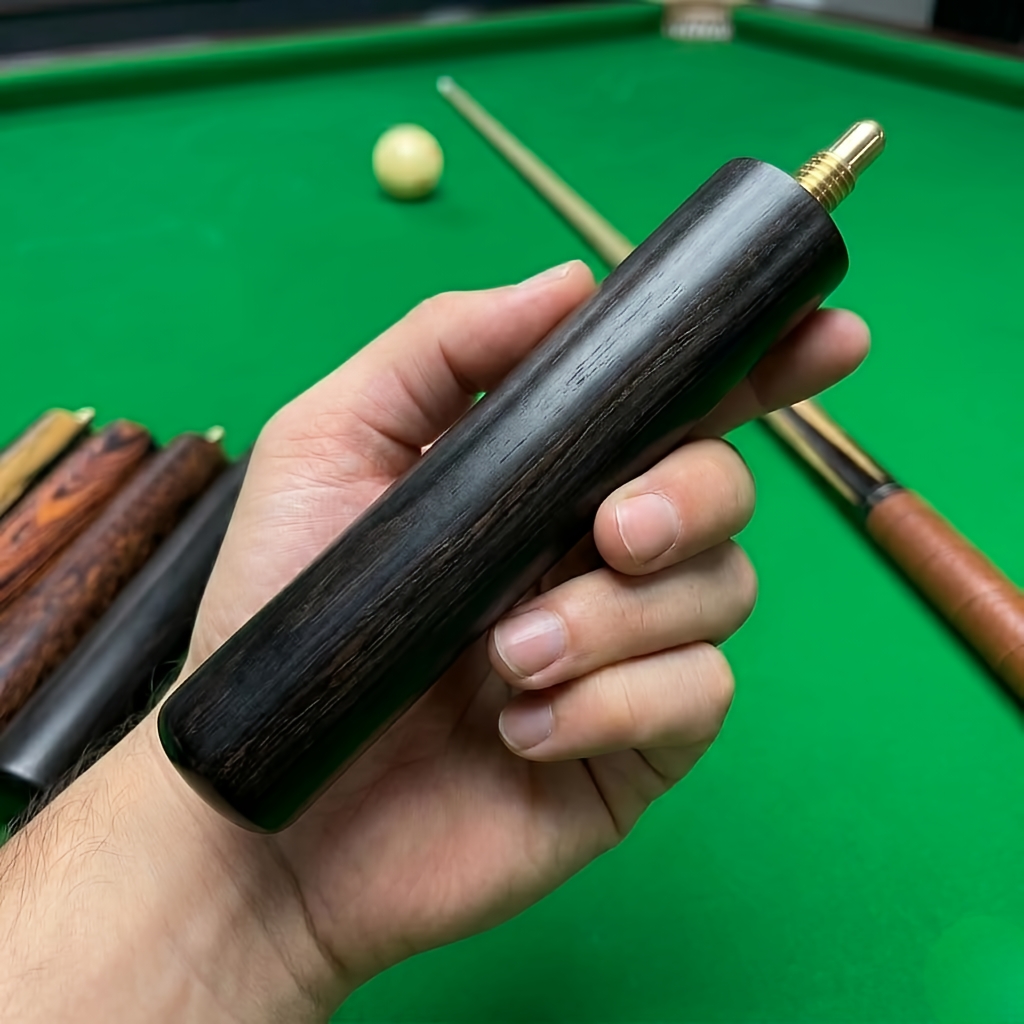
After removing the cue from vertical storage, check the tip, ferrule, shaft, joint and butt under ordinary diffuse light. Look for a new contact mark, flattened edge, gap, movement, altered joint fit or a sharp catch. Reassemble by hand only if the sections meet normally. Do not use tools, leverage, oil or adhesive to overcome a changed fit.
If the rack has shifted, the cue has fallen, or any condition is unclear, stop before chalking or striking. Preserve photographs and notes showing the cue, rack and configuration. The maker, seller or an experienced cue technician can assess the exact physical cue; a tidy rack cannot prove that no pressure or impact occurred.
Storage position is one variable in a larger care routine. Match the support to the exact cue, inspect after unusual exposure and choose the arrangement that remains stable when you are not watching it.
Vertical snooker cue storage FAQ
Is vertical storage automatically safer for a snooker cue?
No. Vertical storage can be suitable for one cue and one rack, but the result depends on stable support, retention, contact points, room conditions and how the cue is handled. There is no universal orientation guarantee.
Can a jointed cue stand upright while assembled?
Only if the rack is designed for the complete assembled cue and supports it without concentrated pressure or wobble. If the rack or case is designed for separate sections, use that configuration instead of forcing the full cue into place.
Should the tip touch the floor or a rack base?
Avoid treating the tip or ferrule as a load-bearing stop. Check what the rack actually touches, keep the playing end protected and stop if the cue leans, rubs or contacts a hard edge.
What should I do if the cue feels loose in a vertical rack?
Remove it carefully, record the rack and cue configuration, and inspect the tip, ferrule, shaft, joint and butt for contact marks or movement. Choose a reversible supported alternative and ask the maker or an experienced cue technician if the fit is uncertain.
SAILY CUE STORAGE CHECK
Support the exact cue
Review real cue records, map the rack’s contact points and choose a reversible supported setup when fit or condition is uncertain.