
SNOOKER CUE CARE · SOUND AND MOVEMENT
Why Is My Snooker Cue Rattling? A Safe Troubleshooting Checklist
Separate case noise from a new sound or movement in the cue itself before you attempt any further assembly or play.
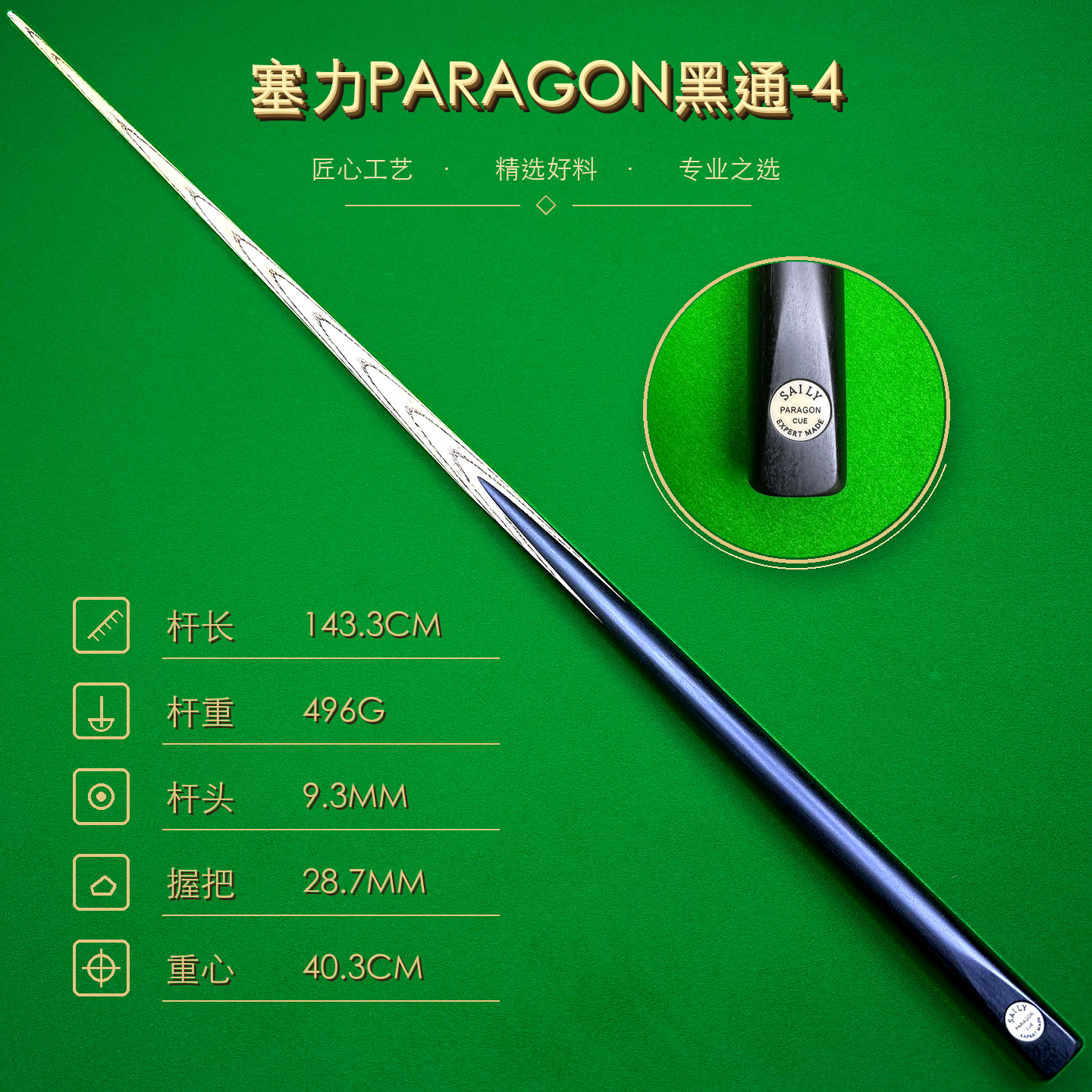
Short answer: stop hitting balls when a new snooker cue rattling noise, click or movement appears. First remove chalk, joint protectors and other loose items from the case. Then repeat a quiet, supported check with the cue outside the case. Work from tip and ferrule through shaft, joint, butt and extension, using only gentle visual and hand checks. Do not force a joint, add lubricant, sand, glue or dismantle a part. If the sound follows the cue or its condition has changed, contact the maker, seller or an experienced cue technician.
Stop first, then separate the sound from the cue
A new rattle is a condition change, not an invitation to hit harder and listen again. Put the cue down on a clean, padded surface and note when the sound started: during assembly, while carrying the case, during a gentle movement or after a knock. Record whether you also see a gap, looseness, misalignment, a changed tip or a new mark.
Keep this checklist distinct from a joint that is simply hard to tighten. Unusual resistance when a connection starts or seats needs its own snooker cue joint check. A click, rattle or visible movement after an apparently normal assembly can come from another section, a loose accessory or an internal condition that cannot be diagnosed by extra tightening.
Do not continue normal play while trying to locate the source. A missed shot cannot tell you whether the cue is safe, and a forceful test can turn a small condition change into damage.
Run a quiet check outside the case
- Empty the case.Remove chalk, joint protectors, extensions, tools and any loose packing. Set each item aside so it cannot strike the cue.
- Check the case separately.Close and gently move the empty case. If it still rattles, inspect the case rather than blaming the cue.
- Support the cue.Keep the cue horizontal above a padded surface. Do not shake it, tap it on a table or bend it to reproduce the sound.
- Use one gentle movement.Make a small, ordinary carrying movement, then stop. Note whether the sound follows the cue and where it seems loudest.
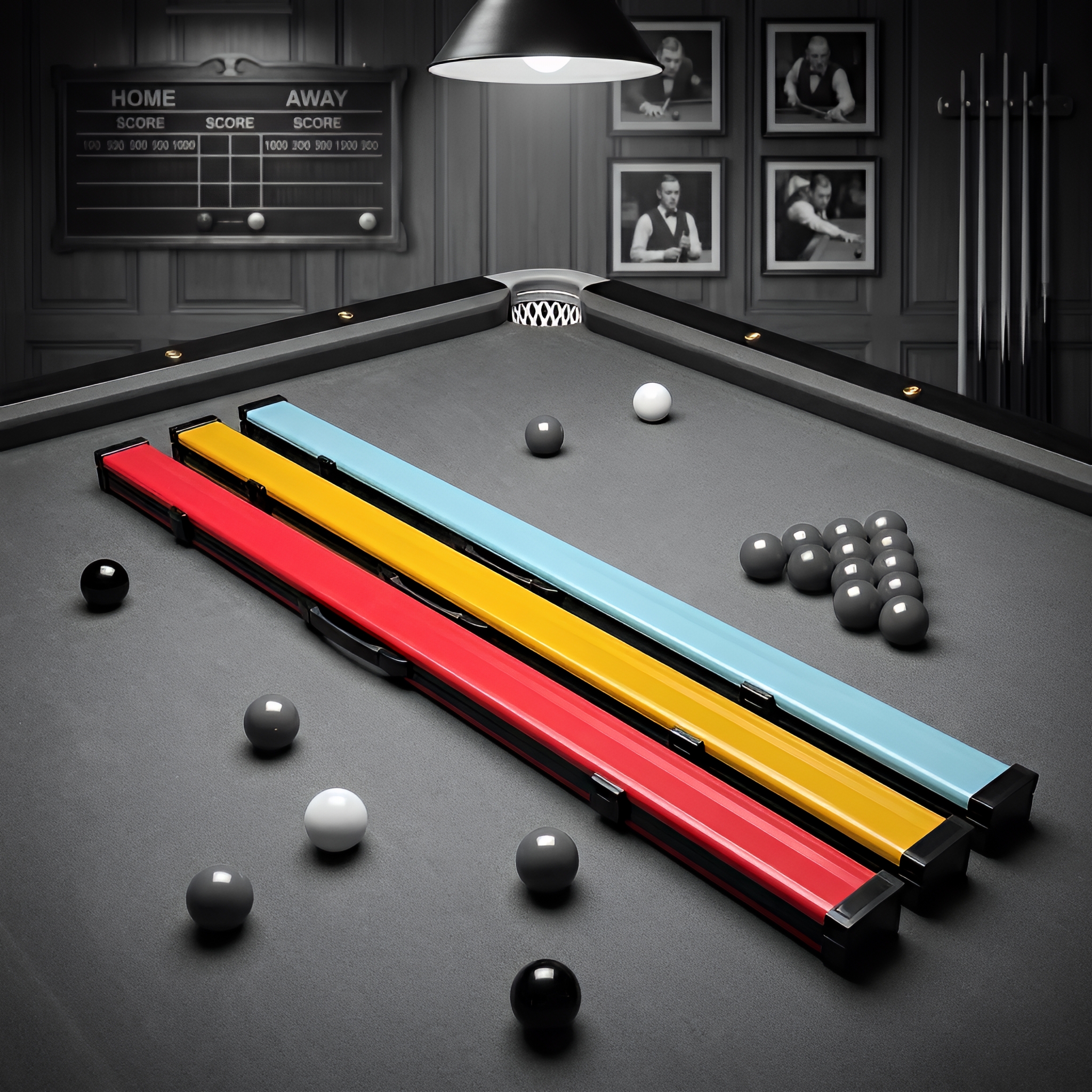
Loose chalk is a common distraction because it can move inside a case or transfer around a ferrule and joint. A case rattle that disappears when the case is empty is not proof that the cue is damaged; it is a reason to cleanly separate the two observations. The cue-case selection guide explains why internal fit and support matter during transport.
Inspect the cue from tip to butt
Work in bright, even light and keep the parts in their normal order. The parts of a snooker cue guide can help you name each section without guessing hidden construction or materials.
Tip and ferrule
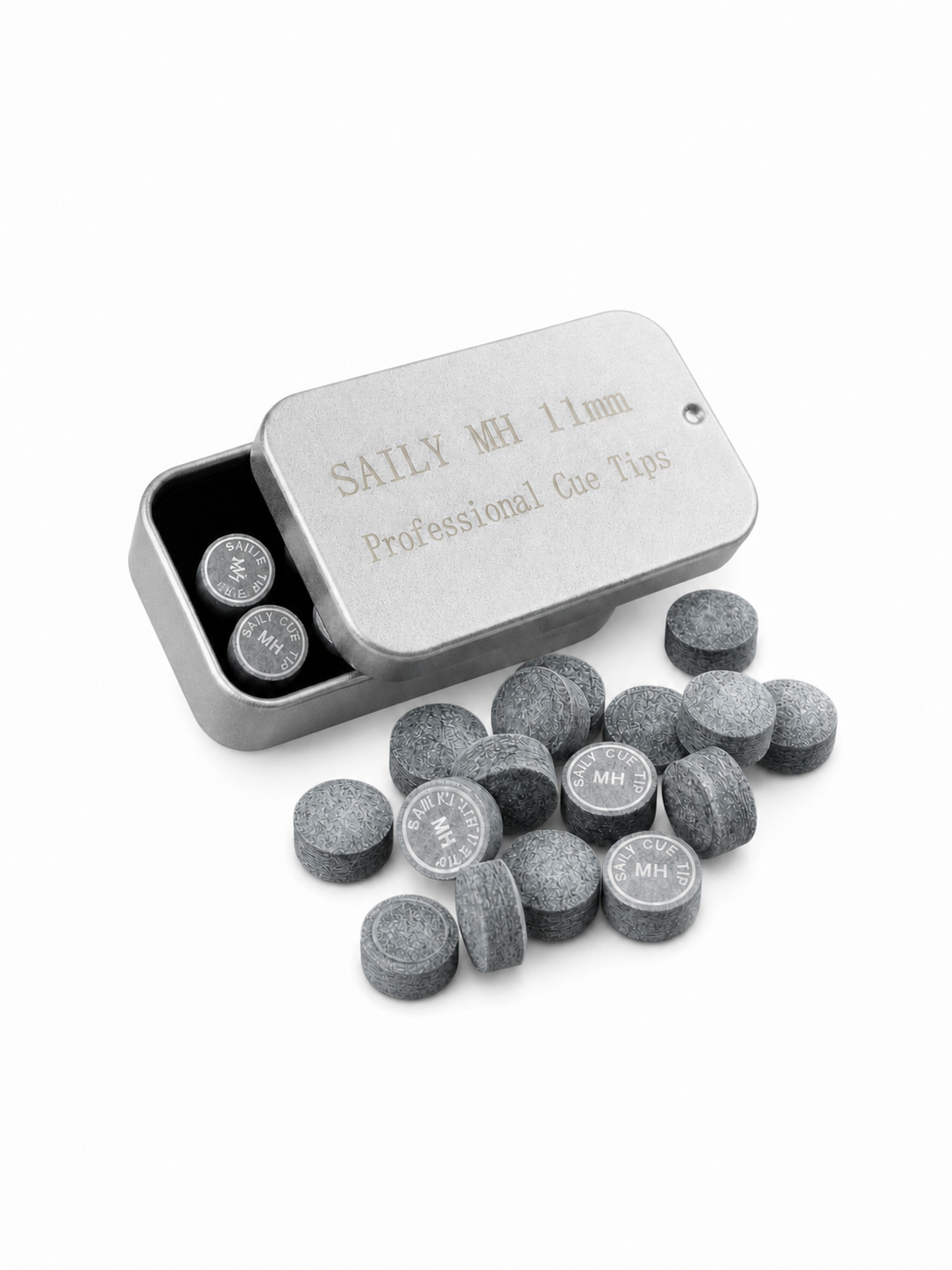
Look for a lifting edge, crack, missing material, a visible gap or a tip that moves. Check the ferrule for a new line, looseness or damage. Do not press, pry or tap the tip to provoke a noise. A cue-tip image or chalk mark cannot prove that the attachment is secure.
Shaft
Rotate the shaft slowly above the padding and look for a dent, crack, raised fibre or a mark that was not there before. Use only a clean, soft, dry cloth for loose surface dust. Do not sand, scrape, wet-clean or apply oil to make the sound disappear.
Joint and butt
Look at the mating faces, pin or socket and visible butt end without forcing the connection. Check for a persistent gap, rocking, damaged thread, missing material or a component that moves separately. Do not use pliers or improvised leverage. Photograph the exact cue and the location of any change.
Extension
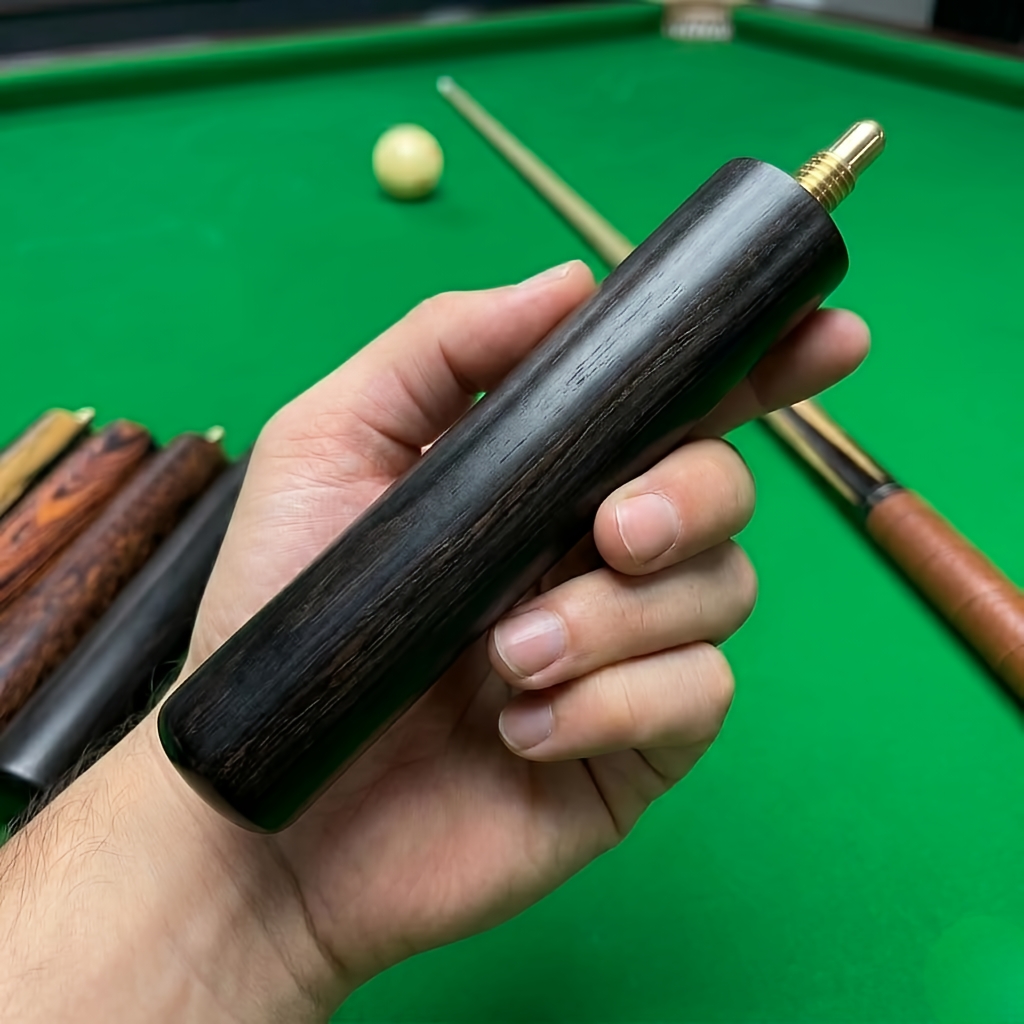
If the cue accepts a detachable extension, remove it and inspect it as a separate item. A loose extension can sound like a cue problem, but compatibility and fit still need confirmation. The extension selection guide covers that separate decision.
Reassemble only when the fit is known and normal
If the cue was separated for inspection, follow the maker’s normal hand-assembly method. Support both sections, align them and stop at the first unusual resistance, uneven start or visible gap. Never force the parts together to see whether the rattle stops.
The jointed snooker cue assembly guide explains a conservative sequence. It does not supply a universal torque, gap or tightening rule because joint designs differ. If the cue assembled normally before but now clicks, rattles or shifts, that change is the important evidence. Do not keep cycling the joint in search of a better fit.
When the cue is assembled, look for expected alignment and stability while holding it normally. Make no hard swings, table impacts or ball strikes. A silent cue is not automatically cleared if the joint remains visibly loose or the tip, shaft or butt has changed.
Review storage and the last handling event
Write down what happened immediately before the sound: a journey, case drop, damp cloth, crowded accessory pocket, new extension or a change of case. Keep the cue supported, dry and separated from chalk and tools. The snooker cue maintenance schedule provides a repeatable record for routine checks, while this checklist is for a new sound or movement.
Do not infer a specific material, hidden fastener or repair cause from a sound. Product photographs can identify the cue, but they cannot certify the condition of an internal part. Keep the case clean and correctly fitted; an overfilled pocket can create a misleading noise during transport.
Know when to stop home checks
Stop immediately if the rattle follows the cue outside its empty case, if a part moves independently, if a crack or gap is visible, if assembly feels different, or if you cannot locate the source without applying force. Do not add lubricant, glue, tape, filler, thread-locker or abrasive products. Do not open a butt, drill a part or pull a ferrule.
Send the maker or seller the cue identity, purchase or delivery context, current photographs, a short description of when the noise appears and every product or event that may be relevant. An experienced cue technician can examine the actual cue and advise whether it should be repaired, returned or left unused. SAILY CUE’s English cue catalogue provides real product images and available specifications for identifying the item, not a diagnosis of a rattle.
Snooker cue rattling noise FAQ
Why is my snooker cue making a rattling noise?
The sound may come from loose chalk or an accessory in the case rather than the cue. If the noise follows the assembled cue outside its case, stop playing and inspect the tip, ferrule, shaft, joint, butt and extension separately without twisting or forcing anything.
Is a rattling cue joint the same as a joint that is hard to tighten?
No. A hard-to-tighten joint is primarily an unusual resistance or fit question. A new click, rattle or movement after the cue is assembled is a different warning sign; stop and check the complete cue rather than repeatedly tightening it.
Can I add oil or glue to stop a snooker cue rattle?
Do not add oil, grease, glue, thread-locking compound or another product as a guess. Do not sand, drill or dismantle the cue. Ask the maker, seller or an experienced cue technician to identify the exact source first.
Can I keep playing if the cue only rattles when I carry it?
No new noise should be ignored simply because it is absent during a shot. Remove loose items from the case, then repeat a gentle non-destructive check with the cue supported. If the cue itself still clicks, rattles or moves, stop using it until it is assessed.
SAILY CUE CATALOGUE
Identify the exact cue before asking for help
Use the real product photographs and documented details as a condition record, then contact the maker, seller or a qualified cue technician when a new sound remains.