
SNOOKER CUE ACCESSORIES · EXTENSIONS
How to Choose a Snooker Cue Extension: Reach, Joint Fit and Playing Checks
Start with the difficult table positions you need to reach, then verify the exact connection and complete playing configuration before ordering.
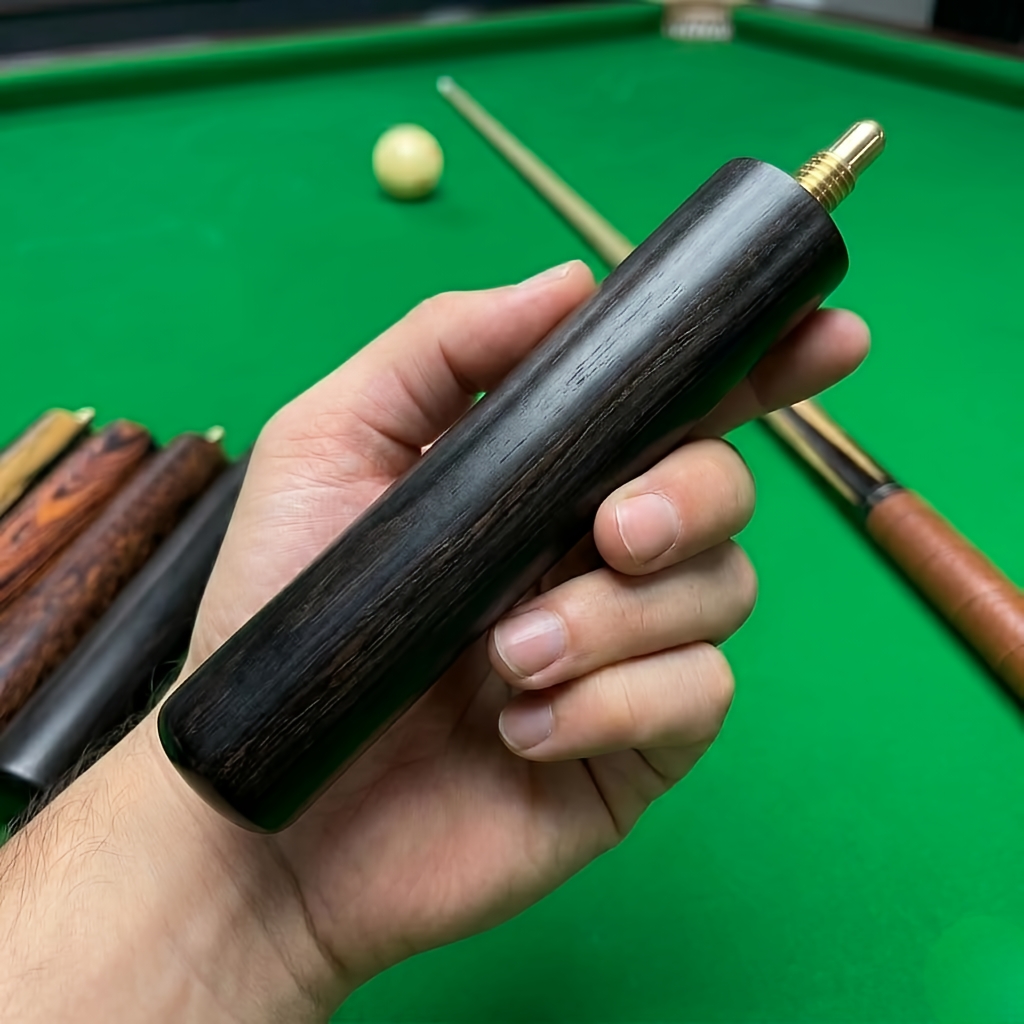
Short answer: choose a cue extension only after you know how much extra reach is useful and how it connects to your exact cue. Confirm the fitted length, joint specification, hand-tight assembly, clearance around the table and case storage. An extension changes the playing configuration; it is not a guaranteed accuracy upgrade.
Define the table positions that need extra reach
A cue extension is mainly a reach tool. Begin with actual shots: place the cue ball in the awkward table areas you commonly meet and approach them with your normal cue, stance and permitted rest equipment. Note whether the problem is simply reaching the cue ball, keeping a supported bridge, or making enough space for a free cue action.
Do not select an extension by choosing the longest option automatically. Extra length that is useful for one shot can feel unnecessarily cumbersome for another. A shorter fitted extension may cover routine reach problems, while a longer model may be reserved for occasional positions. Record the smallest additional reach that lets you form a stable bridge without stretching or losing balance.
Room clearance is a separate question. An extension adds cue behind the player, so it cannot solve a wall or furniture restriction that already blocks the backswing. Use the small-room cue-length guide to check those confined cueing corridors before adding more length.
Confirm the exact cue-to-extension connection
The connection is the first purchase-critical specification. Some extensions attach to a fitting at the butt, while other systems use a dedicated adaptor or a connection designed for one maker or cue. A photograph of two similar-looking threads is not enough to establish fit.
Ask the seller to confirm the exact cue reference, the extension model and the intended connection system in writing. Where relevant, request the thread diameter, pitch, usable depth and a clear close-up of both mating parts. Even matching one measurement does not prove the whole interface is compatible. The safest evidence is maker or seller confirmation for the actual pair, or a careful physical fit test by someone familiar with the equipment.
The parts should start squarely and tighten by hand in the intended way. Stop if they cross-thread, bind, wobble or require tools. Pliers and extra leverage can damage the extension, the cue fitting or both.
Record the normal and extended playing configurations
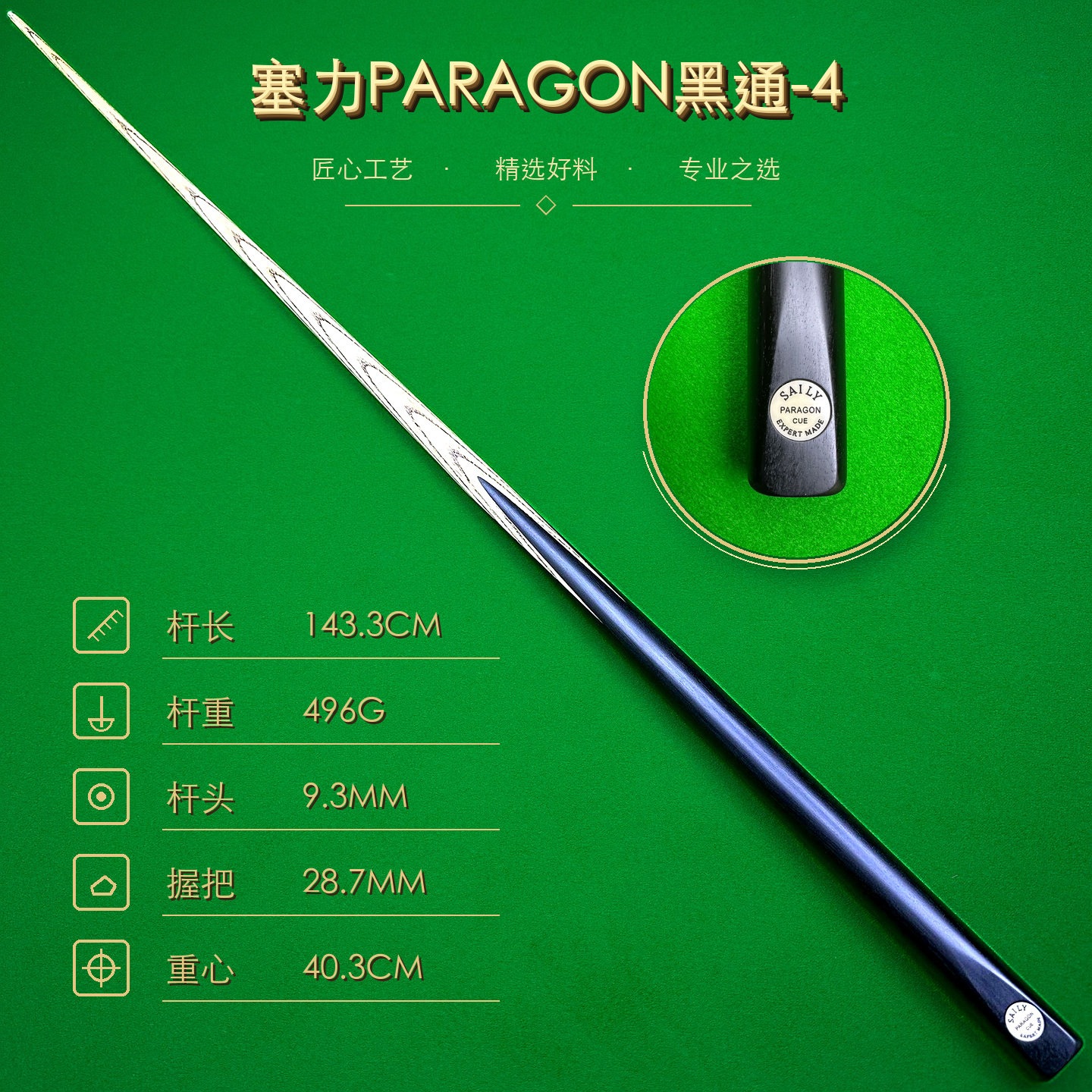
Keep two measurements: the cue in its normal assembled playing form and the cue with the extension fitted. Measure each from the tip to the furthest fixed end, using the same straight-line method. Also record the extension by itself and state whether its pin, adaptor or bumper is included in that number.
The snooker cue length guide explains how to create a repeatable tip-to-butt record. Add a label such as “normal playing configuration” or “with named extension fitted” so another player or seller does not compare unlike setups.
Length is not the only change. An extension adds mass behind the butt and may change the balance and the way the cue feels during the approach. Do not infer an exact new weight or balance point from the advertised extension length. Weigh and measure the complete fitted setup if those figures matter, using the same methods described in the cue specification guide.
Test assembly and handling before a demanding shot
Inspect the connection for dust, visible damage or loose material. Align the parts correctly and tighten only to the normal hand-tight position specified for that system. Once fitted, check for a visible gap, rocking or rotation. If the joint will not seat normally, remove it and ask the seller or maker rather than trying to wear it in.
Begin with slow, unloaded cue movements away from balls. Check that the bridge remains supported, the longer butt clears your body and furniture, and the connection stays seated. Then use a simple low-speed practice shot before attempting a difficult reach shot. Remove the extension immediately if it loosens, makes noise at the connection or shows visible movement.
An extension does not select the aim, stabilise the bridge or guarantee potting accuracy. It changes reach and handling. Shot choice, tip contact, cue delivery and speed still matter, and some positions may be better served by a permitted mechanical rest. Check the current rules used by your venue or competition rather than assuming every accessory is allowed in every context.
Plan case fit, protection and travel
Measure the extension’s stored length and widest fixed point, then look for a dedicated compartment that does not press against the cue, tip or joint faces. Keep the connection clean and protected from loose chalk, keys and metal tools. Do not let an extension move freely beside a finished shaft.
Whether the extension can remain attached for storage depends on the exact cue, extension and case design. Unless the maker specifies that arrangement and the case supports it without pressure, remove the extension carefully and store it separately. The snooker cue case guide covers usable internal dimensions, compartments and travel checks.
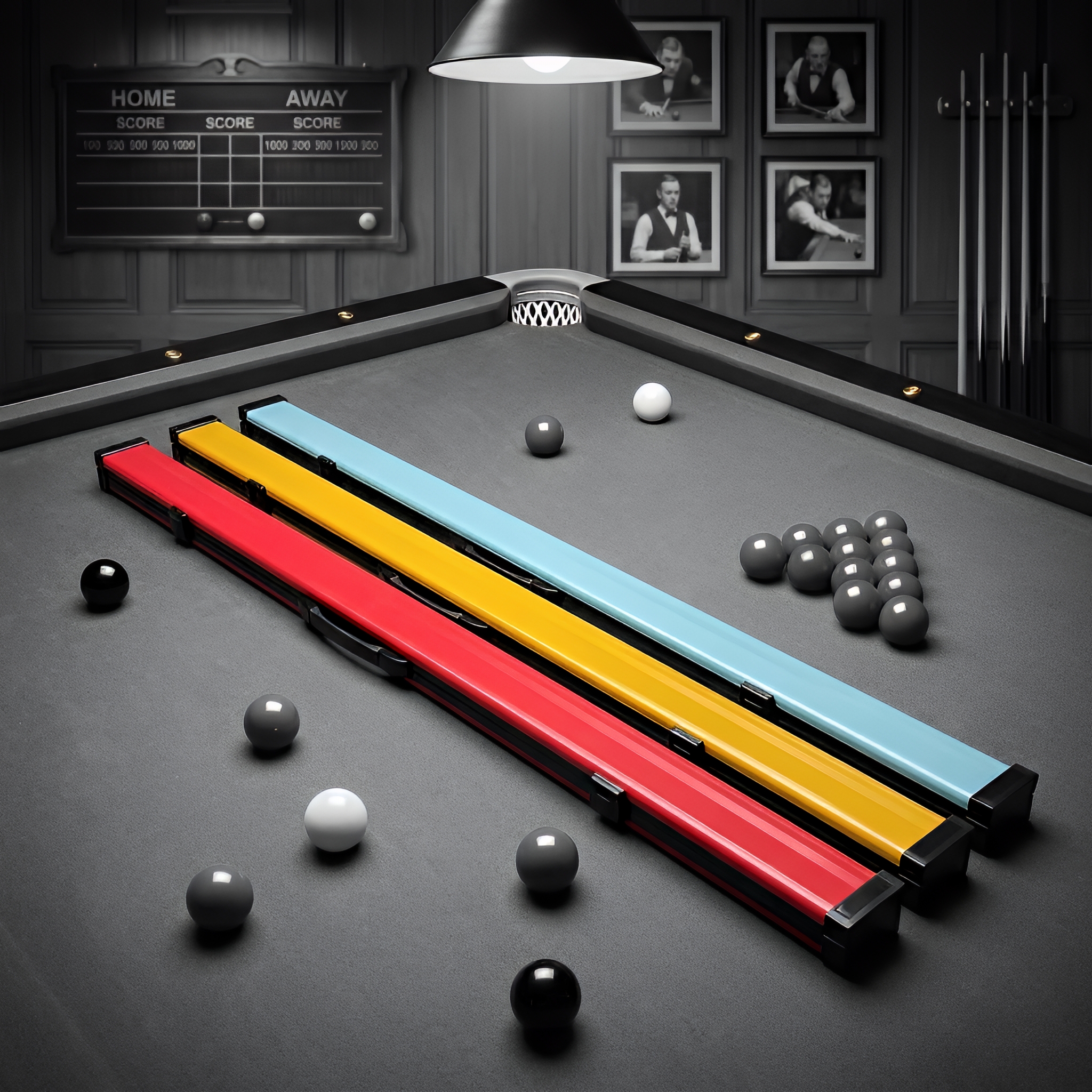
For air, rail or event travel, check current length, weight and sporting-equipment rules with the carrier or organiser. These rules can change. Confirm them close to the journey and include the extension in the packed weight and inventory.
Seven questions to ask before ordering
- Which exact cue will it fit?Give the seller the cue reference and a clear photograph of the intended connection.
- How is compatibility confirmed?Ask for the complete fitting specification or written confirmation for the actual cue and extension.
- What fitted length does it add?Separate the useful added reach from the extension’s loose overall length.
- What is the complete fitted weight?Request it when handling and packed travel weight matter.
- What parts are included?Confirm adaptors, protectors, washers, covers and any case compartment shown.
- How should it be tightened and stored?Follow the intended hand-fit and protection method instead of inventing one.
- What are the order terms?Confirm the exact item, current photographs, price, availability, shipping and return conditions.
Browse SAILY CUE’s Cue Extensions category for the relevant accessory section and the English cue collection for exact cue records. If compatibility is not stated, contact SAILY CUE with the cue reference before ordering.
Snooker cue extension FAQ
How long should a snooker cue extension be?
There is no universal length. Identify the table positions you cannot reach comfortably, then compare the smallest useful extra reach with the extension’s stated fitted length. Confirm the complete assembled length before ordering.
Will any screw-on extension fit my snooker cue?
No. A threaded connection can differ in diameter, pitch, depth, pin shape and fitting method. Confirm compatibility with the maker or seller for the exact cue and extension instead of relying on appearance.
Does a cue extension improve accuracy?
It can provide extra reach for particular shots, but it does not guarantee accuracy. The added length and mass change the playing configuration, and aim, bridge support, tip contact, delivery and speed still determine the shot.
Should I keep the extension attached inside the cue case?
Only if the maker and case design specifically support that configuration. Otherwise remove it carefully, protect the connection and store it in a separate fitted compartment so it cannot press against the cue.
CUE EXTENSIONS
Match the accessory to the exact cue
Review the extension category, then confirm the connection, fitted dimensions, included parts and current availability for your cue.