
SNOOKER CUE CARE · CASE LOADOUT
What to Keep in a Snooker Cue Case: A Practical Match-Day Checklist
Carry the exact cue and useful accessories without turning the case into a loose, dusty or overfilled tool box.
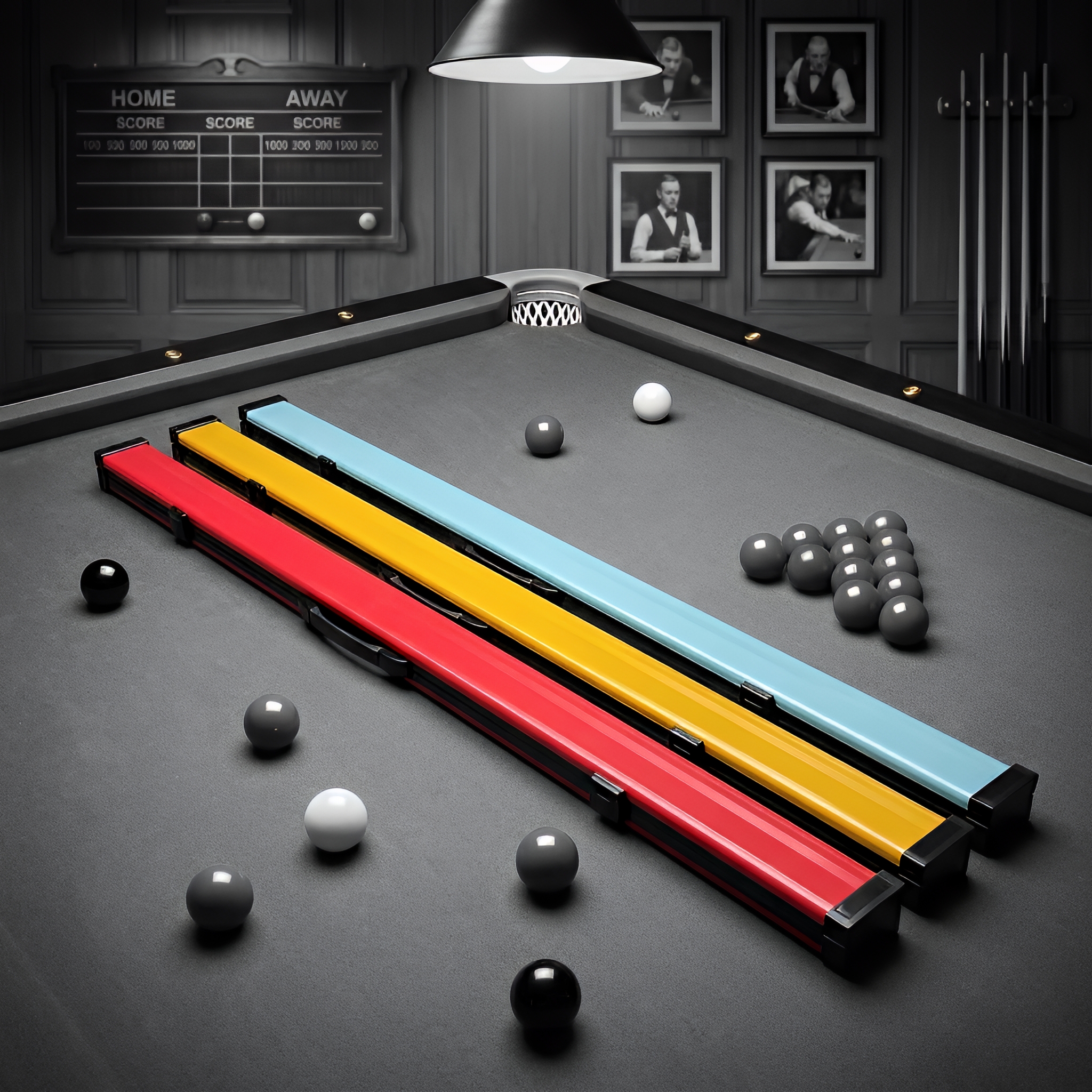
Short answer: pack the exact cue sections first, each in its intended support. Add only compatible items you expect to use: a matching extension or joint protectors, closed chalk, and a clean dry cloth. Keep chalk, keys, coins, tools and damp fabric away from cue surfaces. Confirm that the case closes normally without pressure, then check the cue, contents and destination rules before leaving.
Pack the cue before the accessories
The cue is the reason for the case. Identify whether it is one-piece, three-quarter-jointed, centre-jointed or another sectional format, then place every section in the channel or sleeve designed for it. The tip, ferrule, joint and butt end should not be pushed against a hard wall, latch or another object.
Close the empty-accessory case once with the cue inside. It should close by its normal method without bowing, pressure or a forced zip. Gently change the case orientation and listen for movement. A little spare room is not useful when a section can slide from end to end.
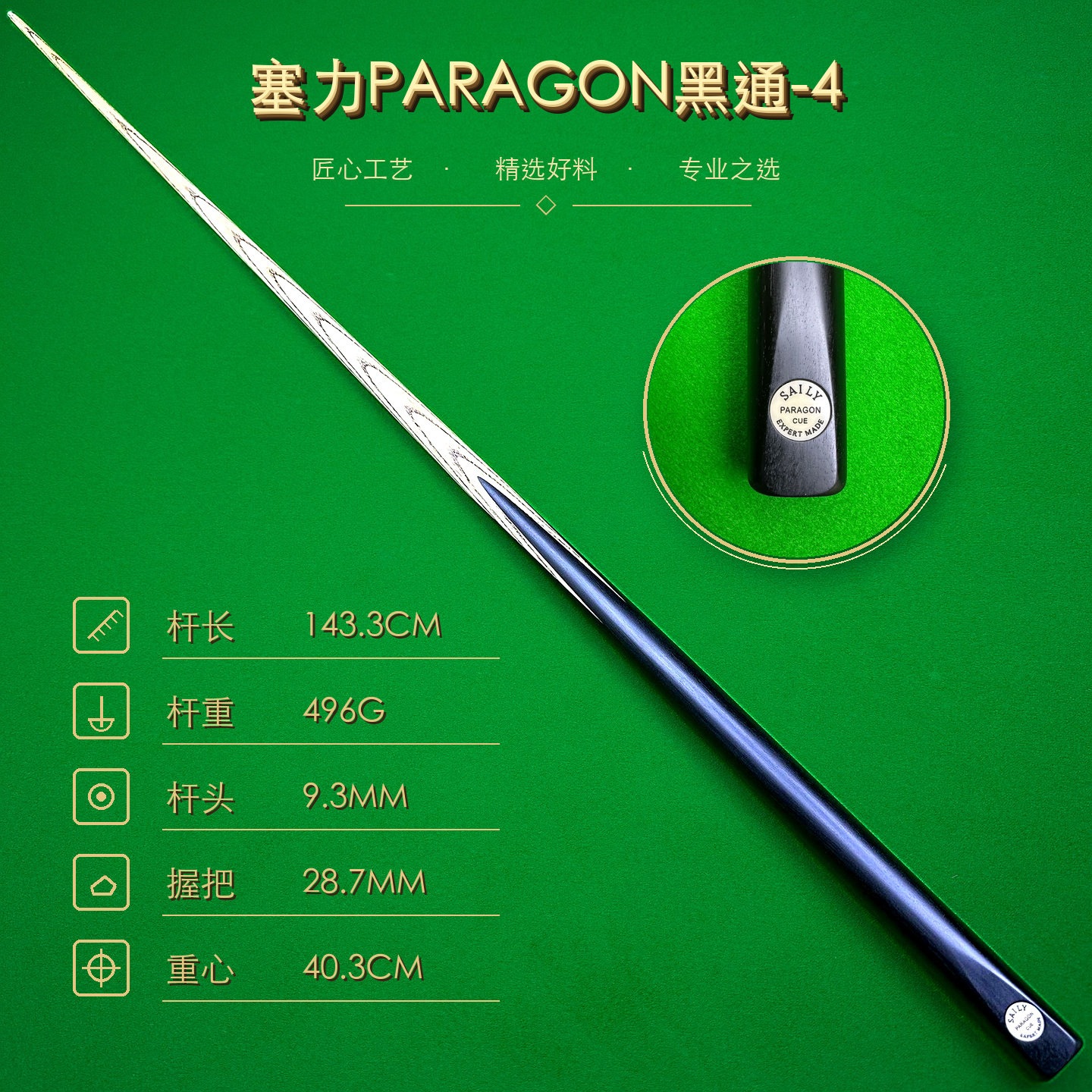
If you are still choosing storage, use the snooker cue-case fit guide to compare the longest stored section with the usable internal dimensions. Current SAILY CUE listings show each cue with real photographs and measurements; the English cue catalogue is the natural reference for the exact item rather than a generic cue label.
Build a small, useful club-session loadout
For an ordinary practice or match day, many players need only the cue, chalk and a clean dry cloth. A jointed cue may also use its correctly matched joint protectors; a long-reach table situation may justify the exact extension that fits that cue. Do not add an accessory simply because the case has an empty pocket.
- The complete cue.Count all required sections before departure and again before leaving the venue.
- Compatible protection.Use only protectors documented for the exact joint, fitted by the normal hand method.
- A modest chalk supply.Carry it in a closed holder or separated accessory area.
- One clean, dry soft cloth.Use it for loose dust or dry handling marks, then remove it if it becomes damp or dirty.
- An extension only when needed.Confirm the connection and ensure the assembled accessory also has a secure place after use.
The exact list can be shorter. Club equipment, event rules and personal routine differ, so confirm what is supplied and permitted rather than packing duplicates.
Keep chalk and hard objects away from cue surfaces
Chalk is useful at the table but loose dust can spread through the lining and collect around the tip, ferrule, shaft or joint. Use a closed holder or a separate pocket. Do not drop an uncovered block into the same channel as the shaft.
Keys, coins, metal tools, batteries and hard-edged personal items belong somewhere else. They can move during carrying and contact the cue or case hardware. If the case has no suitable accessory compartment, use a separate small bag rather than improvising beside the cue.
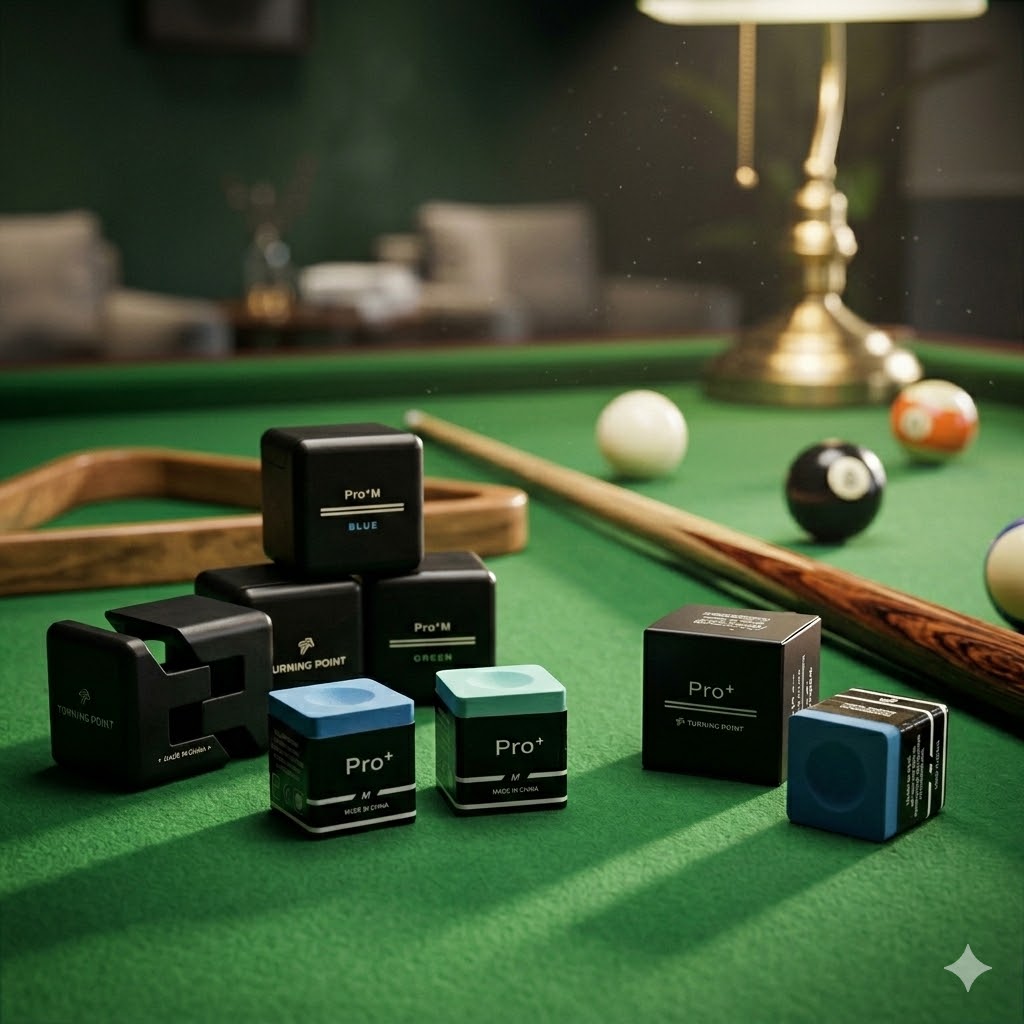
At the table, apply chalk with light, even coverage and return it to its place. The cue-tip chalking guide separates routine coverage from tip repair or aggressive shaping.
Add optional accessories only with a clear job
A correctly matched extension may be useful for reach, but thread, fitting, length and case space must suit the exact cue. Check the full configuration with the cue-extension selection guide. Do not let a loose extension roll against the shaft.
Joint protectors can create a barrier around an exposed fitting during storage, but they are not universal and cannot repair a loose or damaged joint. Confirm compatibility and read the joint-protector checklist before adding them to the case.
Some players carry a small notebook, scorecard or pen. Keep these in an external pocket if the design allows it, and protect the cue from clips or pen leakage. If you carry a phone charger, glasses case or medication for personal use, separate those from cue compartments and follow venue or event policies.
Leave out moisture, leaks and unfamiliar repair tools
Do not seal a wet towel, damp glove, open drink, liquid cleaner, oil or solvent beside the cue. A case is storage and transport protection, not a workshop. Unknown liquids can affect the lining or cue finish, and leakage can remain unnoticed until the next session.
A tip shaper, abrasive, blade, adhesive or other maintenance tool should not become a default match-day item. Carry a tool only when you understand its purpose, it has a protected location and the venue permits it. Stop when the tip, ferrule, shaft or joint shows structural damage; unfamiliar repair work at the table can make the problem worse.
Remove wrappers, old chalk fragments and accumulated debris regularly. Use the cue-case cleaning checklist to empty, inspect, dry-clean and air the exact lining and shell without guessing the material.
Use a 60-second check before you leave
- Count the cue sections.Confirm the tip, ferrule, shaft, joint and butt areas look normal.
- Check each accessory match.Pack only the extension or protectors intended for this cue.
- Contain chalk and dust.Close the holder and keep it outside cue channels.
- Confirm everything is dry.Remove damp cloths and any item that could leak.
- Close the case normally.Do not force the lid, zip or latch over an overfilled compartment.
- Check the destination.Confirm club, event and carrier rules for accessories and luggage.
Repeat the count before leaving the venue. A small checklist protects the cue more reliably than filling every pocket. Browse the Cue Cases & Bags category for storage options, then confirm the exact internal layout, dimensions, included items and availability before ordering.
Snooker cue-case packing FAQ
What should every snooker player keep in a cue case?
Begin with the exact cue sections and any required matching extension or joint protectors. Add a small amount of chalk and a clean, dry cloth only when each item has a separate, secure place.
Can loose chalk go in the same compartment as the cue?
It is safer to separate chalk from cue surfaces. Loose chalk dust and hard holders can mark the finish, tip, ferrule or case lining, so use a closed accessory space or another suitable container.
Should I keep cue-tip tools in the case?
Carry a tool only if you know what it is for, the venue permits it and it has a protected compartment. Do not perform unfamiliar shaping, sanding or repair work at the table.
Is it better to fill every pocket in a cue case?
No. Extra items add weight and can move, leak, rub or press against the cue. Pack for the specific session and leave out anything without a clear use and secure location.
CUE STORAGE
Choose a case around the exact cue
Compare case formats and real cue records, then confirm internal fit and a secure place for every item you genuinely need.