
SNOOKER CUE · PHOTO EVIDENCE
Snooker Cue Grain Guide: What Can—and Cannot—You Learn from Photos?
Use several consistent photographs to compare a cue’s visible surface, while keeping species, straightness, quality and performance questions separate.
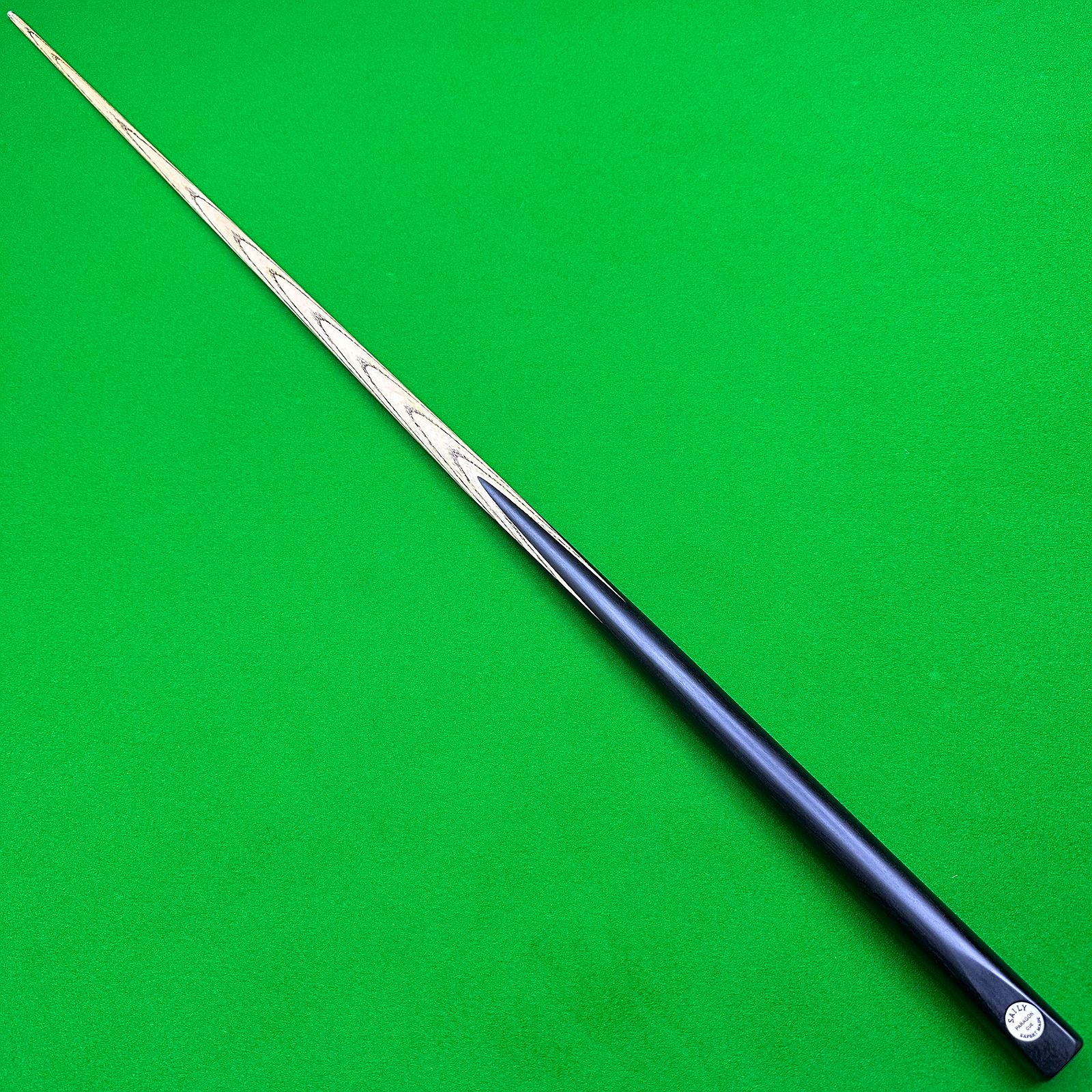
Short answer: snooker cue grain can help you recognise and compare the visible surface of one photographed cue. It may show direction, contrast, figure and changes along the butt or shaft when the images are sharp and consistently lit. It cannot, by itself, prove wood species, internal structure, straightness, quality, value, durability or playing accuracy. Treat photographs as evidence to check, not as a substitute for the seller’s recorded material terms, measurements and condition description.
What visible snooker cue grain can help you compare
Start with identity. A real photograph of the exact cue can help you match a listing to the item being offered. Compare the same butt detail, splice line, shaft area or distinctive change in figure across several views. If the pattern, marks and hardware stay consistent, the images are more useful than a generic series photograph.
Grain can also help you describe what is visible: whether lines run lengthwise or change direction, whether the surface has contrasting bands, and where a knot-like feature, colour transition or finish reflection appears. These are observations, not grades. Natural variation means two cues using the same recorded material label can look different.
The snooker cue wood-types guide explains why a material name is only one product field. Keep the seller’s wording beside the photographs and ask which part of the cue it describes. Do not replace a documented label with a guess based on colour.
What grain photographs cannot prove
Species and internal structure
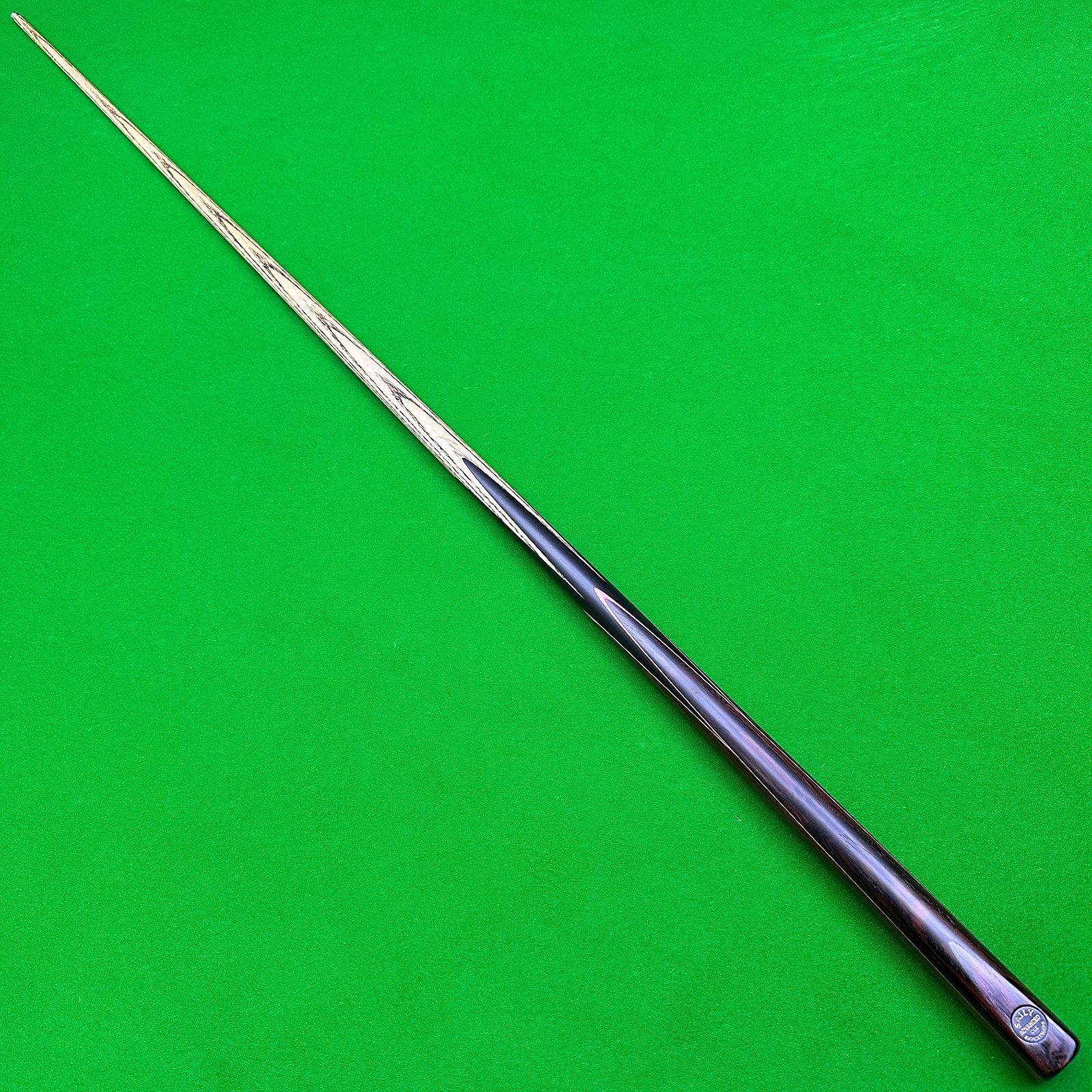
Colour and grain are not a laboratory identification. Lighting, white balance, finish and a screen can all change appearance, while a photograph shows only the surface that is visible. It cannot establish the species, moisture condition or internal structure of the complete cue. For material terms and construction labels, use the documented listing language and ask the seller for support when identity matters.
Straightness and playing accuracy
Lines that look straight in a photograph do not prove that a cue is straight. Perspective, lens distortion, reflections and background lines can hide or exaggerate a curve. Grain direction also does not predict how the assembled cue will behave. Follow the cue straightness inspection guide for a non-destructive, multi-view check, and never turn a photograph into a guarantee of accuracy.
Quality, value and performance
Dramatic figure is not a quality score. A picture cannot establish repair quality, durability, balance, feel, rarity or a fair price. Compare the complete listing: exact reference, condition, construction, measurements and included items. The specifications guide helps keep measurements separate from visual impressions.
An evidence-oriented photo checklist
When reviewing a listing or requesting more images, use a repeatable sequence:
- Confirm the exact item.Match the product reference, full cue and close details across the set.
- Use consistent light.Compare views made under even lighting; glare can look like grain and hide a finish mark.
- Show more than one angle.Request the complete cue, a second side and close views of the butt, shaft, joint and tip as relevant.
- Keep scale and context.Pair every close-up with a wider frame showing where that feature sits on the cue.
- Record what is observed.Write “dark line near the splice” rather than naming a species or claiming a structural cause.
- Ask what is measured.Request length, weight, tip and butt details separately from the photograph-based description.
The snooker cue photography guide explains how to preserve an honest visual record. Its principle is simple: show the condition and context, then avoid claims the camera cannot support.
Distinguish grain from damage or a surface mark
A long, repeated line may be part of the visible pattern, but a crack, dent, chip, finish break or repair can follow a similar direction. Do not decide from one dramatic close-up. Ask for a wider image and a second angle, then compare the feature with the surrounding finish and hardware without pressing, bending or polishing the cue.
Use neutral wording when evidence is incomplete: “visible line at the butt,” “finish mark beside the splice” or “unclear feature requiring a closer view.” If a mark catches a fingernail, opens at a joint, changes between angles or is associated with movement, stop treating it as decorative grain and ask for a condition assessment. The used snooker cue buying checklist gives more questions for condition, history and returns.
Compare the complete cue record, not one attractive detail
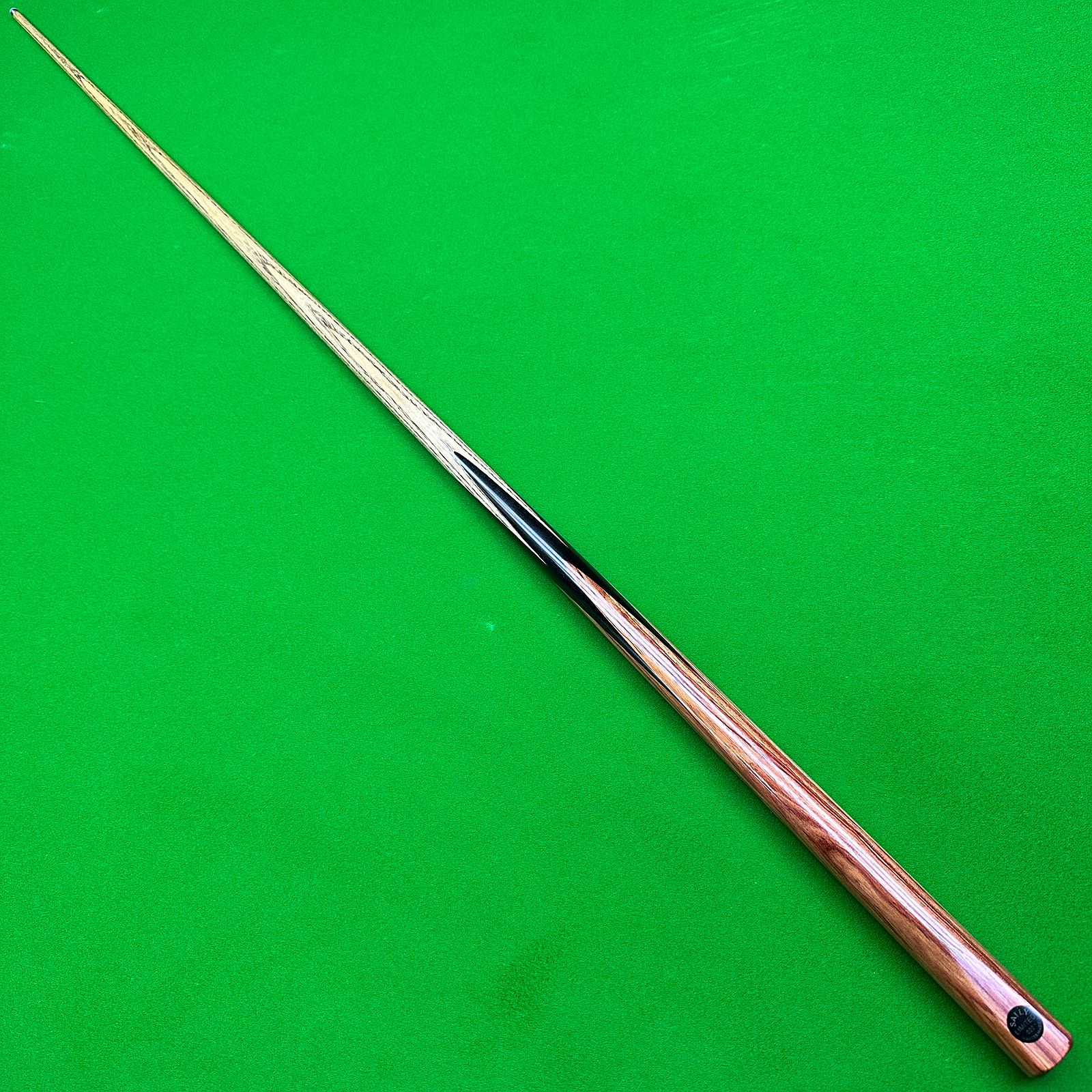
For an overseas purchase, save the exact photographs, product code and written specifications together. Ask whether the images show the cue that will ship, which material and construction words are recorded, how straightness was checked and what condition notes apply. Then compare the SAILY CUE cue catalogue by complete individual records rather than by the most dramatic grain.
A careful grain review is valuable because it makes a listing more specific. It becomes misleading only when a visible pattern is asked to answer a question it cannot answer. Keep the photo evidence, measured facts and seller statements in separate columns, and let any remaining uncertainty stay visible before you decide.
Snooker cue grain FAQ
Can a photograph prove which wood species a snooker cue uses?
No. A photograph can show a visible surface pattern and colour under particular lighting, but it cannot certify species by appearance alone. Use the seller's documented material wording and ask what part of the cue it describes.
Can straight-looking grain prove that a cue is straight?
No. Grain direction is a surface feature, while straightness concerns the cue as a physical assembly. Camera perspective, reflections and lens distortion can mislead, so use a careful multi-view inspection rather than grain as a test.
Does more dramatic grain mean a better or more valuable cue?
Not automatically. Grain can help distinguish one photographed cue from another, but it does not establish quality, rarity, playing accuracy, durability or market value. Compare the complete record and the seller's evidence.
What should I ask for when photos are not enough?
Ask for current photographs of the exact cue, the recorded material and construction terms, measured specifications, condition notes and the method used for any straightness statement. Keep uncertainty visible instead of filling it with a visual guess.
SAILY CUE COLLECTION
Compare exact cue records
Review real photographs, documented labels and measured specifications before judging a cue from grain alone.