
SNOOKER CUE · MATERIAL LABELS
Snooker Cue Wood Types: How to Read Material Names in a Listing
Treat the wood name as one product field, then verify what it describes and compare the complete record of the exact cue.
Short answer: a wood name identifies the material wording used for one listed cue. It does not automatically say which part of the cue uses that material, how the cue was constructed or how it will play. Match the name to the exact reference and real photographs, then compare construction, length, weight, tip, butt, balance, condition and included items separately.
Read the wood name as a product label first
Online cue titles often begin with a material name: ebony, cocobolo, amboyna, snakewood, tulipwood, red sandalwood or American desert ironwood. These names help distinguish products, but the title is not the complete specification. A buyer still needs to know which physical cue is offered and which part of it the material field describes.
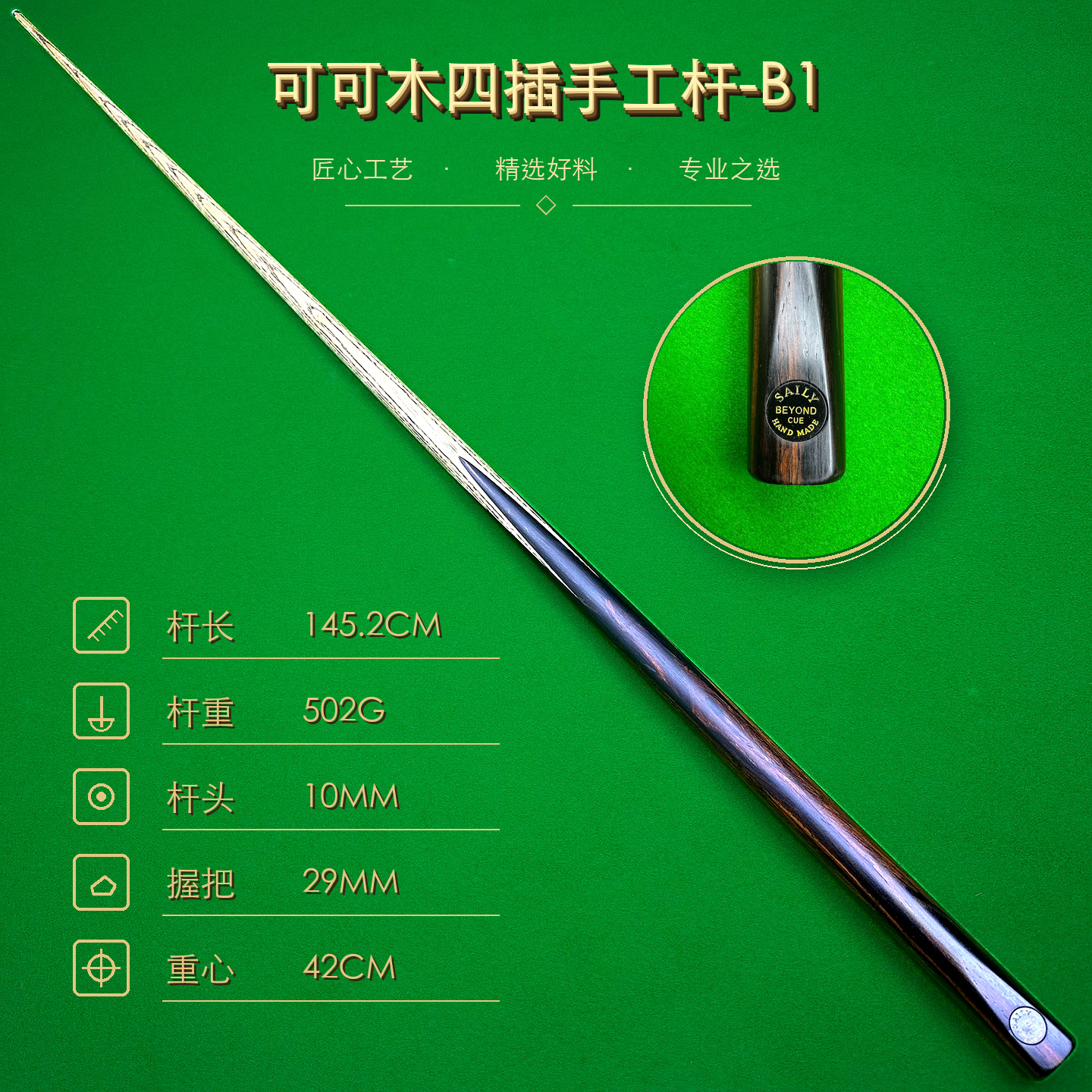
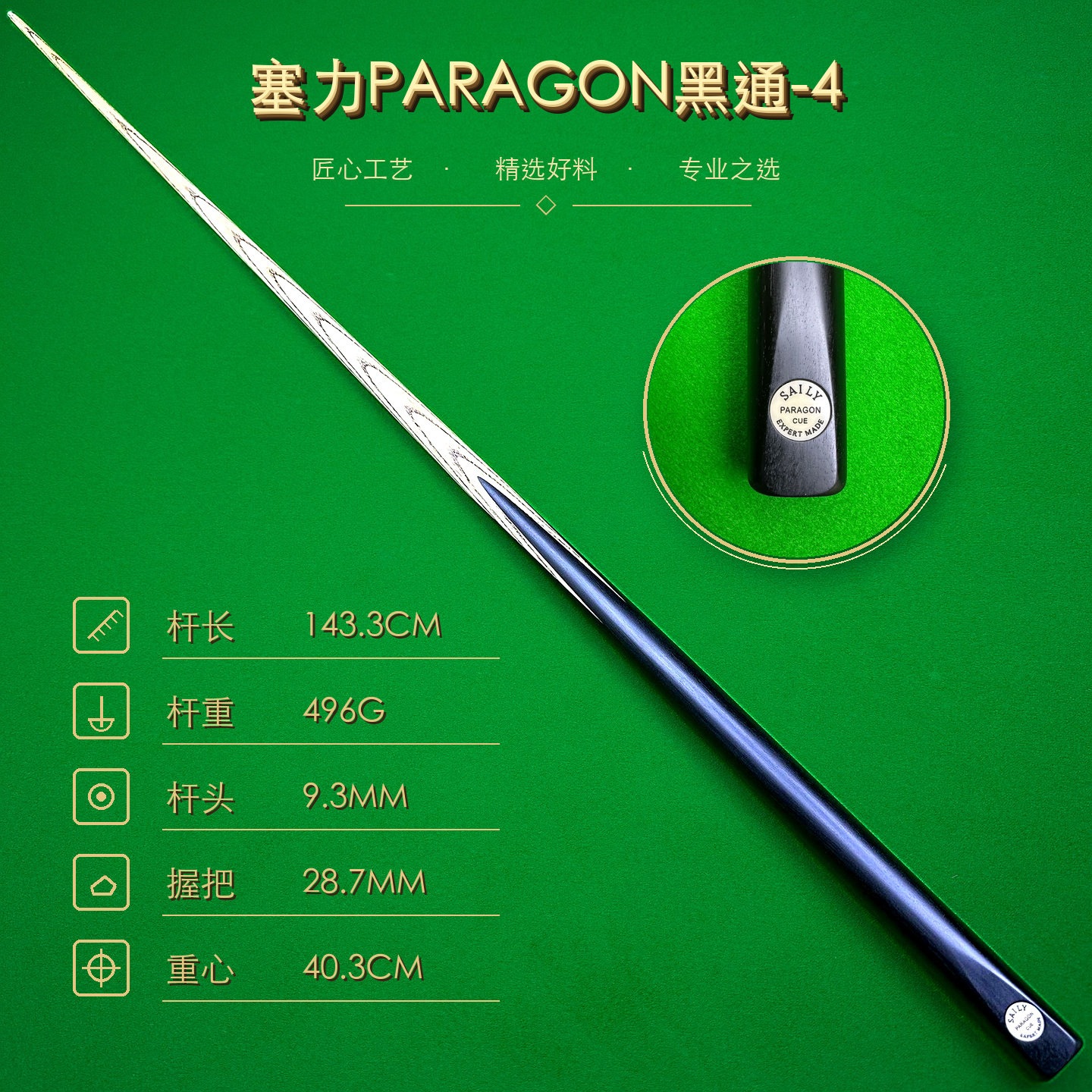
SAILY CUE keeps a material field beside an individual product code, English name and real photographs. For example, Cocobolo Four-Splice Handmade Cue B1 records “Cocobolo”, while Saily Paragon Ebony Cue No. 4 records “Ebony”. Those labels belong to those two product records. They should not be extended to another cue only because its colour or pattern looks similar.
A photograph can support identity and show visible grain, colour and construction details, but it cannot certify a species by appearance alone. Lighting, colour balance and screen settings also change how a surface looks. When the material identity is important, ask the seller for clear wording and any documentation they actually hold.
Separate material names from construction and series terms
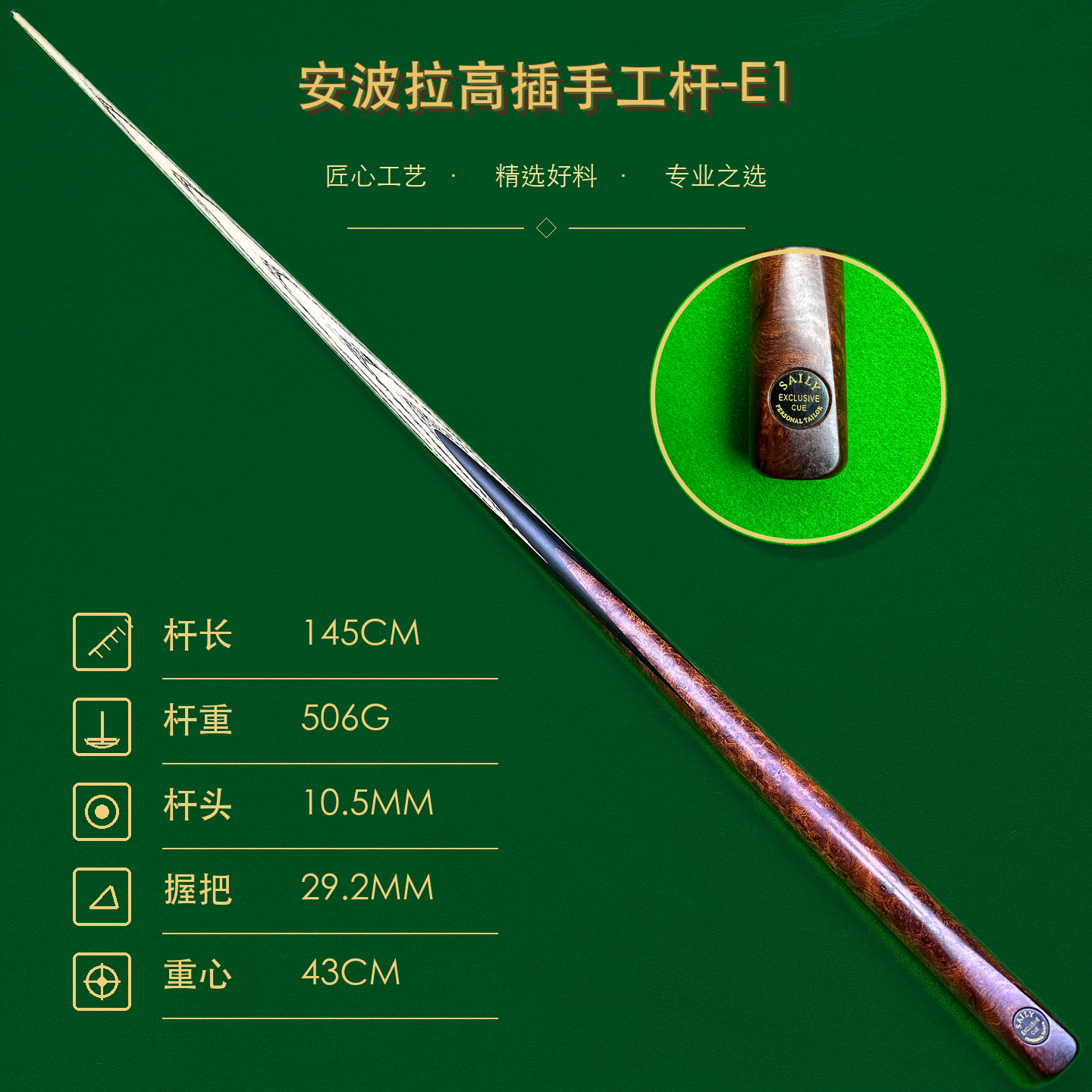
A cue title may combine several labels. “Amboyna High-Splice Handmade Cue E1” includes a material field, a construction or series description and an individual reference. “Limited Snakewood High-Splice Cue 023” also includes a limited-series label. Each part answers a different question.
Do not use a construction term as proof that the named material runs through the whole cue. Do not use a series name as a substitute for the exact measurements. If a listing combines labels without explaining them, ask the seller what each word refers to before comparing prices.
Examples from real SAILY CUE cue records
The current English catalogue includes individual records labelled Cocobolo, Ebony, Amboyna, Red Sandalwood, Snakewood, Tulipwood and American Desert Ironwood. These examples show the variety of naming used in listings; they do not form a ranking and they do not claim that one material is inherently more accurate or suitable.
Compare the Amboyna High-Splice Handmade Cue E1 with the Cocobolo B1 and Paragon Ebony No. 4. Each page connects the material wording to a code, current product photographs and its own length, weight, tip, butt and balance records. The measured specifications differ because they describe different physical cues, not because the wood name predicts the numbers.
When another listing uses a familiar material name, check whether it also provides the same level of identity. A generic photograph, a family name and a copied specification table do not establish that the advertised item is the exact cue the buyer will receive.
Verify the exact cue before comparing wood types
- Match the reference.Connect the title, code and photographs to the same physical cue.
- Ask what the material field describes.Clarify whether the wording refers to the butt, splice, decorative section or another stated part.
- Review current real photographs.Look for views of the complete cue and relevant close details, not only a promotional group image.
- Keep construction separate.Record one-piece or jointed format and any splice or series term independently.
- Compare measurements.Check assembled length, playing weight, installed tip, butt reference and balance-point method.
- Check condition and included items.Ask about repairs, the fitted tip, extensions, joint protectors, case and other accessories.
- Request support when identity matters.Ask for the seller's actual documentation instead of treating an image-based guess as proof.
The snooker cue specifications guide explains how to compare the measurement references. The online cue buying checklist adds condition, exact photographs, final price, shipping and seller terms.
Do not turn a material name into a performance promise
A wood label does not guarantee accuracy, power, spin, consistency, durability, rarity or value. Those claims would require evidence that a product title alone cannot provide. Even two cues carrying the same material wording can have different dimensions, weight distribution, tips, condition and construction details.
Use the label to identify and organise choices. Use measurements to describe physical dimensions. Use real photographs to inspect the offered cue. Then consider practical fit and preference without pretending that any one field can predict how every player will respond.
A product record can state the seller's material label and measured specifications. It should not convert either into an unsupported promise about playing performance.
Questions to ask an overseas cue seller
“Is this the exact cue I will receive?”
Ask the seller to confirm that the code and current photographs belong to the offered item, especially when natural visual variation makes each cue look different.
“Which part does the wood name describe?”
Request a plain answer. If the seller cannot confirm the scope of the label, keep that uncertainty in your comparison.
“What are the original material and construction terms?”
Translations and regional retail names may vary. Keep the seller's original wording beside the English label instead of silently replacing one term with another.
“What else is documented for this cue?”
Request the measurements, condition, joint format, fitted tip, included items and final order terms. Then browse the SAILY CUE cue collection to see how individual references and real images can be presented together.
Snooker cue wood-types FAQ
Which wood type is best for a snooker cue?
A material name alone cannot establish that one cue is best. Compare the exact cue, real photographs, construction label, dimensions, weight, balance, condition and your own requirements instead of ranking cues by one wood name.
Does a wood name describe the whole cue?
Not necessarily. A listing should explain what the material field refers to and show the exact cue. Ask the seller when the name could describe the butt, splice, decorative section or another visible part.
Are ebony, cocobolo and amboyna performance specifications?
They are material labels in SAILY CUE product records. They do not by themselves guarantee accuracy, feel, durability, rarity or value, and should be read beside the individual cue measurements and photographs.
How can I verify a material claim when buying online?
Match the material wording to the exact product reference and current real photographs, ask which part of the cue it describes, and request clarification or supporting documentation when the identity matters to the purchase.
SAILY CUE COLLECTION
Compare material labels with complete cue records
Review real photographs, individual references and measured specifications instead of choosing by a wood name alone.