
SNOOKER CUE · TRAVEL CONDITION CHECK
How to Check a Snooker Cue After Flying
Preserve the case and baggage evidence, inspect every cue section in order and pause before use if anything does not look right.
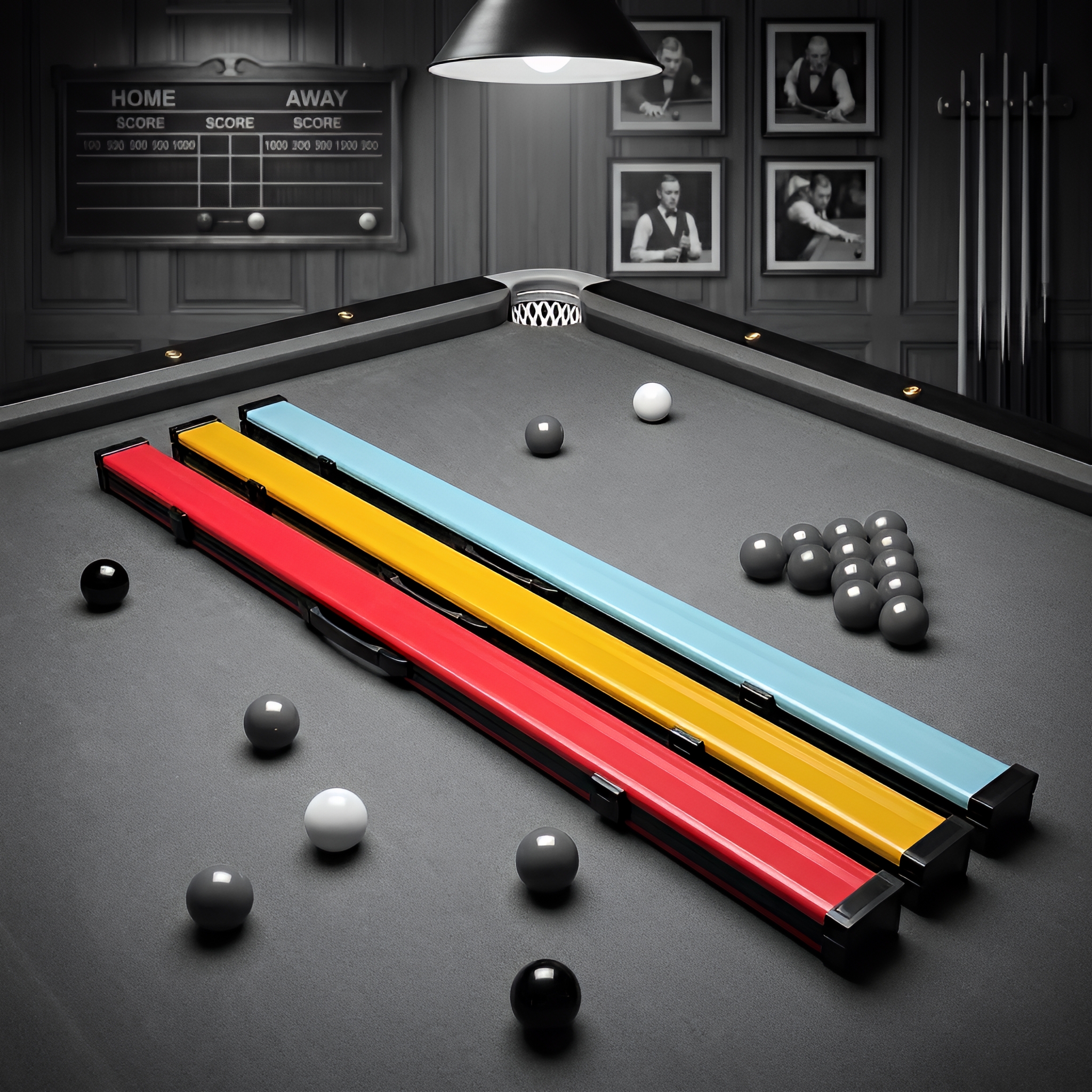
Short answer: leave the cue in its case while you photograph the baggage, tags and packaging. Then inspect the tip, ferrule, shaft, joint, butt, case and accessories without force. Assemble only if the joint turns together normally. If you find a crack, movement, missing part or other unexplained change, stop using the cue and contact the carrier, seller, maker or an experienced cue technician before altering it.
Keep the travel evidence before opening everything
Collect the case, baggage tag, claim receipt and outer packaging in one place. Photograph all sides of the case and any dent, split, crushed corner or broken fitting. Include a wide image showing the case in context and close-ups that show scale. Keep the original files and note when and where you collected the bag.
Do not discard wrapping, foam, joint protectors or loose accessories while a concern is unresolved. They may show how the cue was supported, even when they do not prove what caused a mark. Protect private address details if you share an image. The snooker cue delivery inspection guide has a fuller evidence sequence that also works for a checked case.
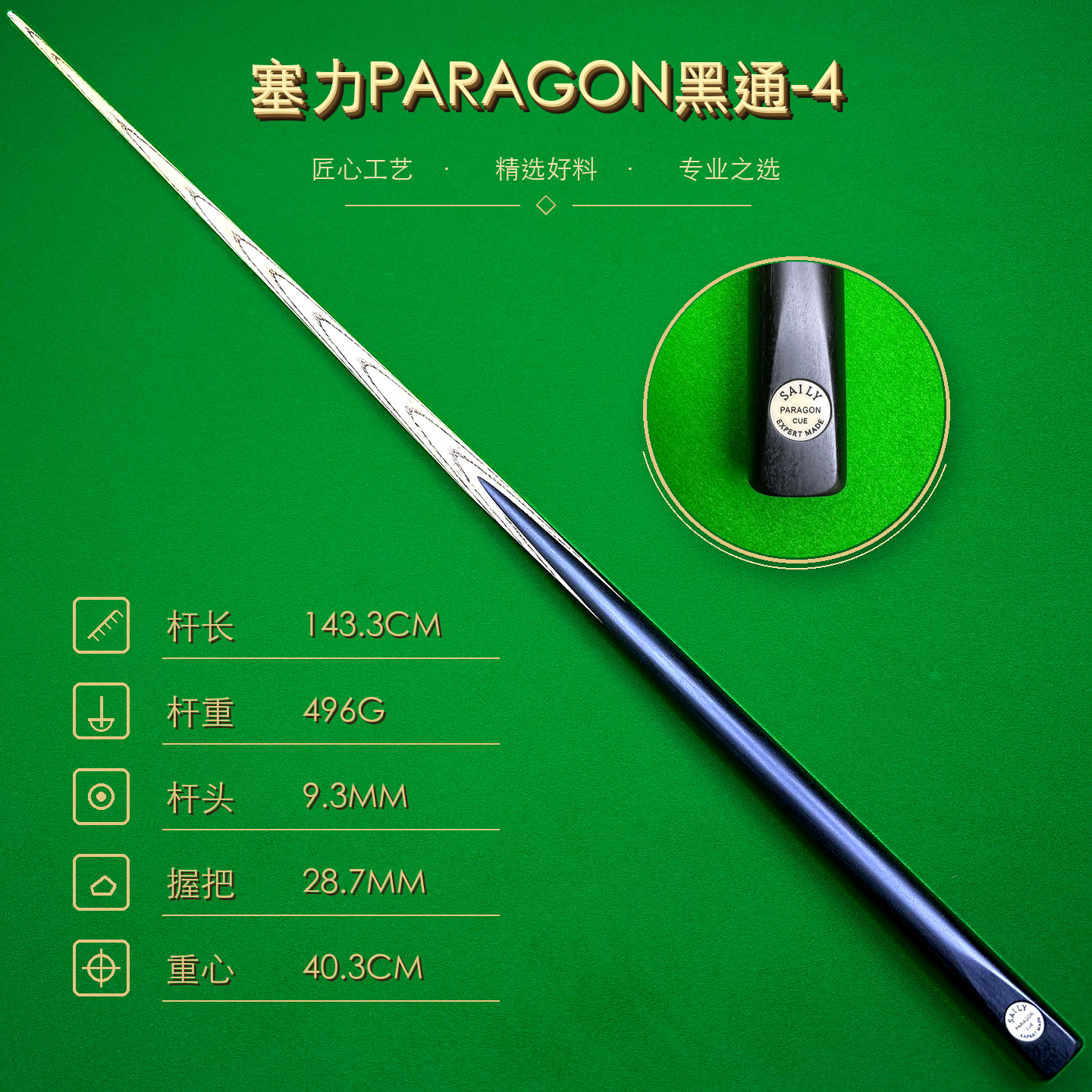
Use the same tip-to-butt sequence every time
Work in bright, diffuse light with clean hands and a plain background. Compare the delivered cue with your pre-flight photographs or product record. Do not flex the shaft, twist the ferrule or force a fitting to reveal a problem. A consistent order reduces the chance of overlooking a small part when you are tired from travel.
- Tip.Look for lifting, a fresh split, a missing edge or contact marks. Do not chalk or shape it before recording a concern; use the cue-tip inspection guide for close-up checks.
- Ferrule.Check for a crack, chip, gap or movement. Hold the section normally rather than twisting the ferrule; the ferrule guide shows what to document.
- Shaft.Sight along the shaft and turn it slowly. Note a repeated wobble or new mark, while remembering that reflections and grain can mislead.
- Joint.Inspect both faces, threads and collars for dirt, impact or mismatch before attempting assembly.
- Butt and accessories.Check handle, butt cap, extension, joint protectors and any included item against your travel record.
If straightness is uncertain, repeat the observation on a clean, flat surface and from another angle. The snooker cue straightness guide explains why a roll alone cannot prove permanent condition.
Inspect the case and support points too
Open the case only after photographing its interior. Check where the shaft and butt rested, whether dividers or pockets have shifted and whether hard accessories could have contacted the cue. A case can look intact while a loose insert allows movement, so record the internal arrangement before you repack it.
Compare the cue’s sections and accessories with your list. A missing extension or different joint protector is an order or baggage issue even if the cue itself looks fine. Keep each item together and do not improvise a replacement while evidence is being collected.
Assemble only with normal hand pressure
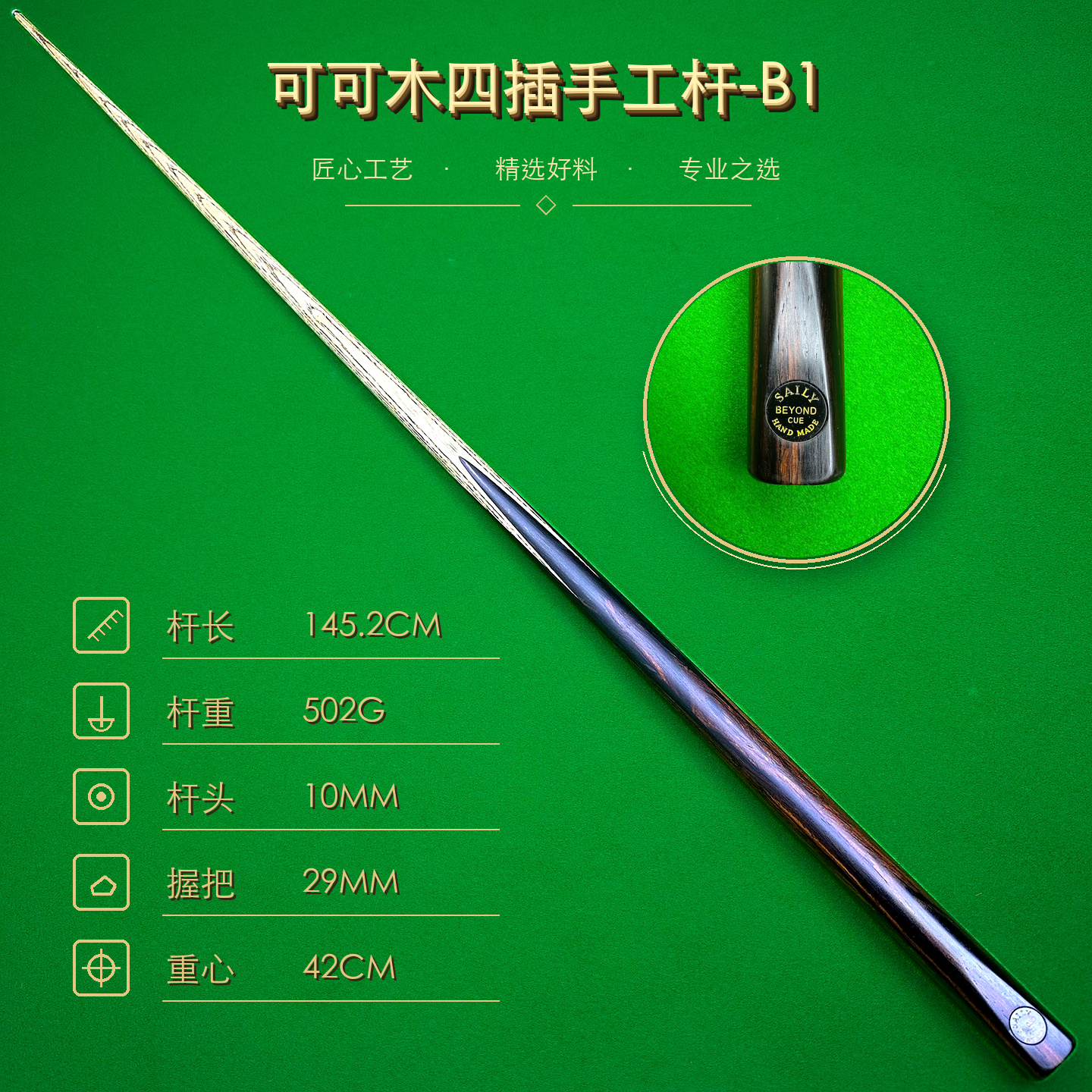
Wipe loose dust from the joint faces with a clean, dry cloth. Align the sections and turn them together gently. Stop if the threads cross, resistance changes suddenly, the collars do not meet or the assembled cue rocks. Never use pliers, a clamp, lubricant or a tool to make a travel-worn joint close.
Once seated, look across the complete cue and check the joint from the side. Do not treat a successful first assembly as proof that no damage exists. The snooker cue joint checklist covers gaps, alignment and safer documentation. Keep the cue unplayed if the fit is unusual.
Stop using it when the evidence is unclear
Stop immediately for a crack, loose ferrule, damaged thread, visible gap, new bend, rattling part, missing accessory or any mark you cannot explain. Keep the cue, case and packaging as found. Take one overview and one close-up for each concern, add a neutral description and retain the baggage record. Do not guess that the carrier caused a mark when the photographs only show that it was present on arrival.
Contact the carrier and seller through their stated claim channels, and ask the maker or an experienced cue technician for advice when a technical assessment is needed. Avoid sanding, gluing, polishing, tightening or playing until you receive instructions. For conservative ongoing handling after the issue is resolved, see the snooker cue storage and care guide and browse the SAILY CUE English cue catalogue for documented cue formats.
Write a neutral condition note
A useful note separates what you saw from what you think happened. Include the date, flight or baggage reference, exact cue section, location of the mark and whether the cue was assembled. For example: “After collection, the shaft ferrule shows a fine line at the collar; photographed before chalk or play.” Avoid words such as “warped” or “impact damage” unless a qualified person has established that description.
Keep the original photos, short videos and messages in one folder. If the carrier or seller asks for more evidence, add new views without replacing the first record. A calm timeline helps another person understand the condition without requiring you to dismantle or test the cue repeatedly.
Post-flight snooker cue check FAQ
Should I throw away the cue case or baggage packaging after a flight?
No. Keep the case, tags, wrapping and any damaged outer packaging until you have completed your inspection and resolved a concern. Photograph each item first so the condition and handling evidence stay connected to the cue.
Can I play with the cue before reporting a possible travel issue?
Pause play if you see a crack, loose ferrule, damaged joint, bent section, missing part or another change. Chalk, repeated assembly or a repair can alter the evidence. Contact the carrier, seller, maker or an experienced cue technician first.
Is a quick roll enough to confirm that a flown cue is straight?
No. A slow roll is only one observation. Check the shaft and butt separately, sight along the cue from several angles and inspect the assembled joint. A qualified inspection may be needed when the result is unclear.
What should I do if the cue looks different after flying?
Stop using it, keep the cue and packaging in the condition found, and make dated overview and close-up photographs. Describe what you observed without guessing the cause, then follow the carrier or seller’s evidence and claim instructions.
SAILY CUE COLLECTION
Keep your cue record together
Review real cue photographs and measured product details after your travel inspection is complete.