
SNOOKER CUE ALTERATION · LENGTH CHECK
Can a Snooker Cue Be Shortened? What to Check Before Any Alteration
Define the problem, preserve the cue’s current record and understand the consequences before any irreversible work.
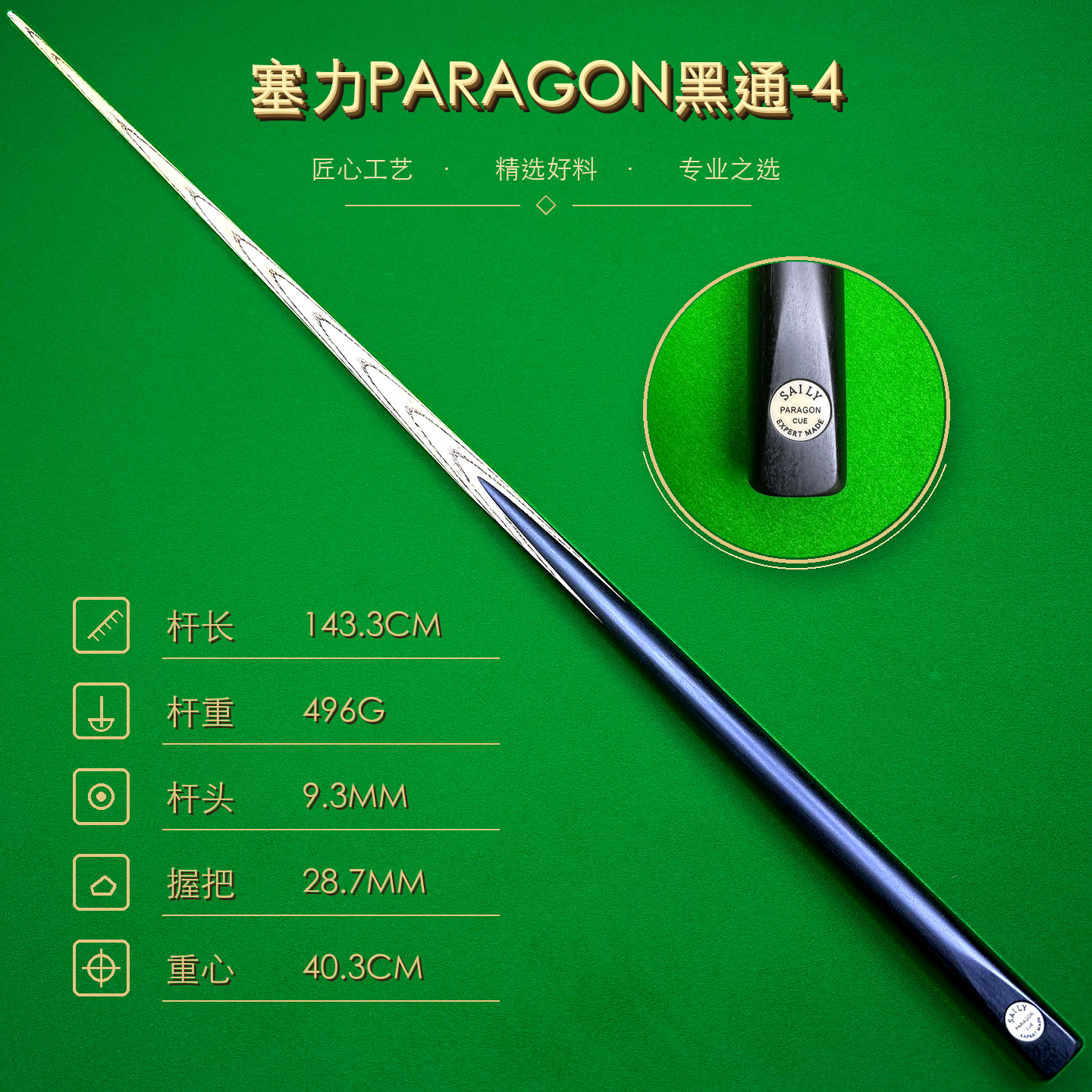
Short answer: a snooker cue may be shorten-able, but there is no universal safe method or suitable finished length. First identify the exact cue, measure its current complete configuration, photograph its condition and define the actual problem. Shortening can affect the butt, grip position, overall weight, balance, joint or extension arrangements, case fit and future value. Do not cut, drill, sand, heat or dismantle the cue as an experiment. Ask the maker or an experienced cue technician to examine it and explain whether alteration is appropriate.
Define why the cue seems too long
“Too long” can describe several different problems. A player may feel that the rear hand sits awkwardly on the butt. A home table may have one wall that restricts the backswing. A junior player may be using equipment chosen for an adult. A cue may also feel unfamiliar because its weight, balance, butt diameter or taper differs from the player’s usual cue rather than because of length alone.
Write down where the problem occurs. Does it appear on ordinary open-table shots, only in one room position or only when an extension is fitted? Does a familiar cue avoid it under the same conditions? A specific observation gives the maker or technician something real to assess. A vague request to “take a few inches off” does not.
Height alone is not a cutting specification. The shorter-player cue guide explains why reach, bridge position, rear-hand freedom and the exact cue configuration matter together. A shorter body does not automatically require an altered cue.
Build a current exact-cue record
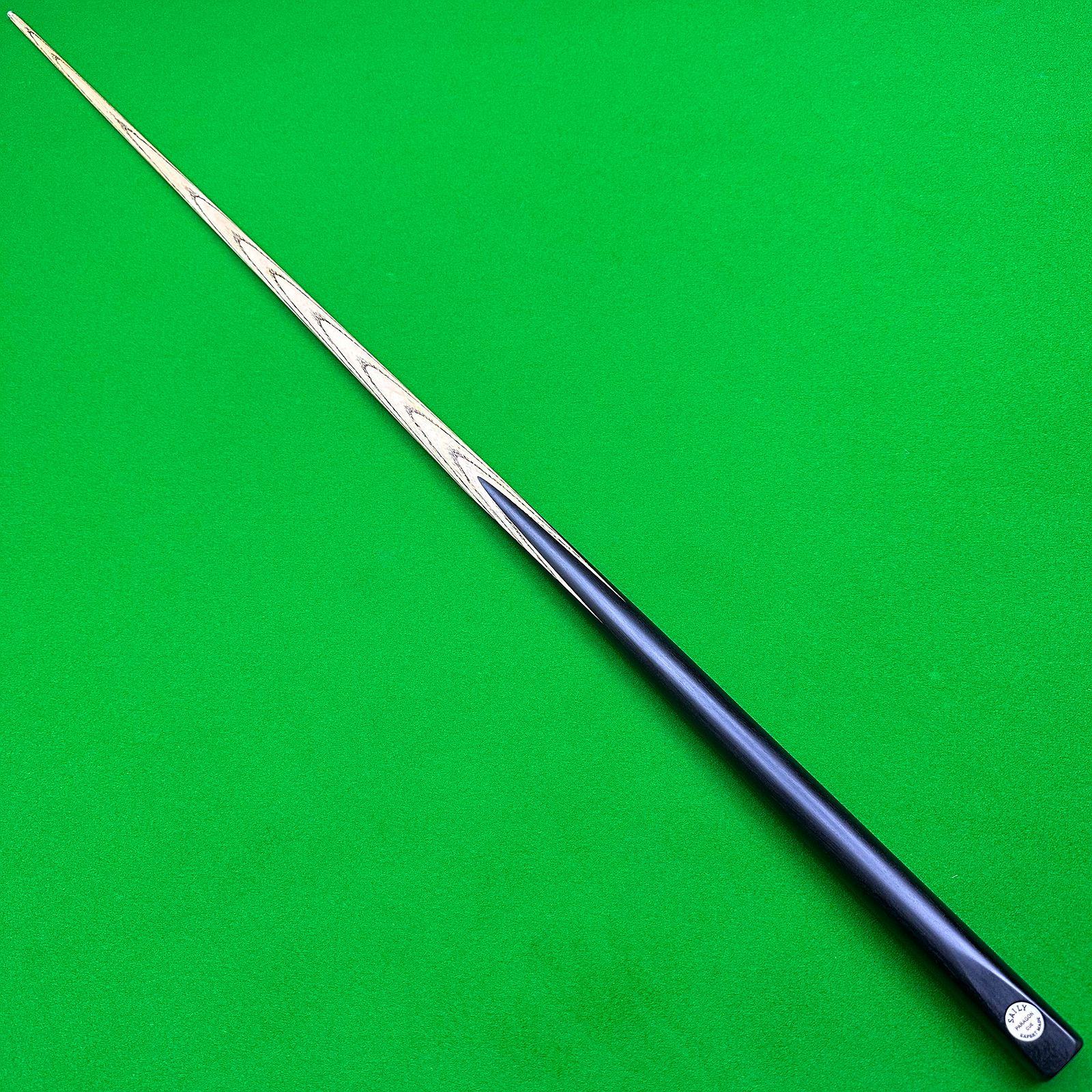
Before anyone alters the cue, preserve a record of what exists now. Photograph the complete assembled cue, tip and ferrule, shaft, joint, butt and any end fitting in clear diffuse light. Record its product reference or identifying details, known maker information, current condition and every included section or accessory.
- Measure complete playing length.Use the installed tip to extreme butt reference and exclude a detachable extension unless you record it separately.
- Record the playing configuration.State which shaft, butt, joint and removable parts are present.
- Keep original specifications.Save the seller or maker record without rewriting uncertain fields as facts.
- Photograph condition.Include any mark, repair, finish change, movement or gap before handling or transport.
- State the requested outcome.Describe the fit or room problem instead of prescribing a cutting location.
Use the snooker cue length measurement guide for a repeatable tip-to-butt record and the cue specification guide to keep length, weight, tip, butt and balance references unambiguous.
Understand what shortening could change
Removing length is not simply changing one number in a listing. The location and construction of the proposed work can affect the butt profile, grip area, end fitting, joint or extension compatibility and how the cue is supported in a case. It can also change total mass and where that mass is distributed. The final cue may therefore feel different even if the new length matches another cue on paper.
Do not assume the visible exterior reveals the internal construction. A photograph cannot show every fixing, insert, previous repair or hidden condition. Likewise, a series name cannot prove that two individual cues can be altered in the same way. The technician must assess the physical cue, not a generic internet diagram.
If the shaft is damaged, shortening is not a substitute for a condition assessment. The snooker cue shaft repair guide separates residue, dents, fibres, finish changes, cracks, splinters and bend concerns before anyone decides whether work is feasible.
Compare reversible alternatives first
When the problem belongs to a small home room, measure the actual cueing corridor at the most restricted positions. Moving the table, changing which shots are treated as playable or keeping a separate purpose-made short cue may be more appropriate than permanently altering a valued main cue. The small-room cue-length guide shows how to compare complete cue length with bridge and backswing space without inventing one universal room formula.
When the issue is player fit, compare the candidate length through normal supervised play before committing to work. Use an existing cue that is already that length if practical, and keep weight, balance and butt shape in the record. A different cue is not a perfect simulation, but it can reveal whether the requested number alone solves the stated problem.
Do not shorten the bridge, twist the body or force the rear hand to make a test “work.” Stop a comparison that causes pain, strain or restricted movement. Those observations are reasons to reassess the setup, not proof that a particular alteration is medically necessary.
Ask the maker or cue technician for an assessment
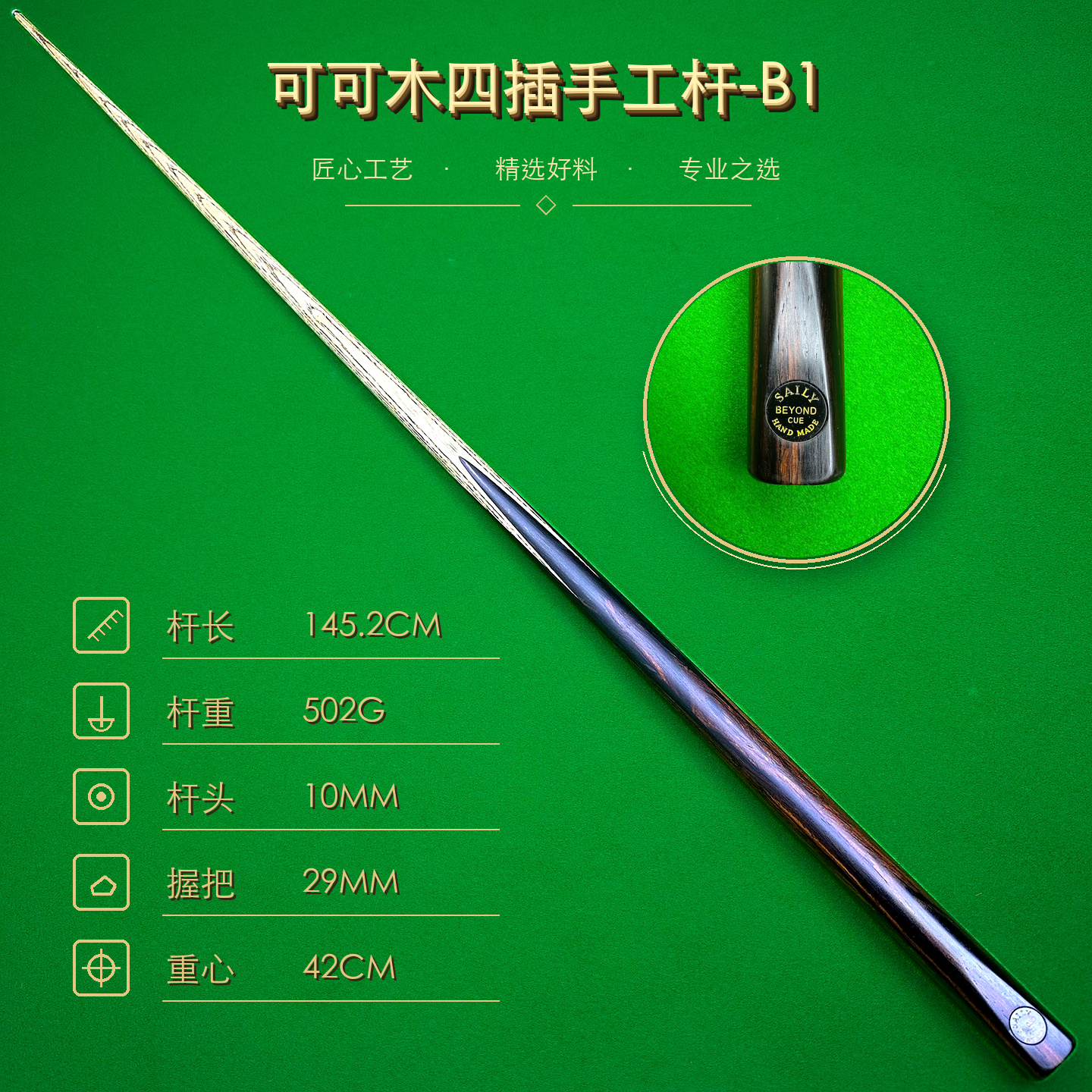
Send the exact-cue record, current measurements, clear photographs and the reason for the request. If possible, let the maker or an experienced cue technician inspect the cue in person. Ask what part would be affected, which existing features or accessories might no longer work, what finished measurements can be documented and whether they recommend leaving the cue unchanged.
Also ask how the altered area will be identified in future records and what care instructions apply afterwards. A responsible answer may be that the requested alteration is unsuitable, that another cue is the safer option or that more evidence is needed. Do not treat uncertainty as permission to try a do-it-yourself cut.
Price and turnaround matter, but they do not replace the technical assessment. Keep the written scope, measurements, shipping arrangement and return condition. If the cue must travel, photograph the packed cue and use support that protects every section without forcing parts together.
Check the documented result before play
When the cue returns, compare it with the agreed scope before chalking or playing. Confirm the cue identity, finished length and included parts. Photograph the altered area, joint, shaft, ferrule and tip. Assemble only with normal hand pressure and stop if there is a new gap, movement, sound, rough edge or unexpected resistance.
Do not judge the work from the first pot. Begin with a short, comfortable inspection and ordinary centre-ball shots only after the cue is cleared for use. Record grip freedom, bridge position, cue clearance and normal movement separately from shot results. A successful pot cannot prove that every alteration was correct, and a miss cannot prove that shortening caused a fault.
If you are deciding between alteration and replacement, browse the SAILY CUE collection for real cue photographs and individual specifications. Compare exact records and current seller terms rather than assuming any model, material or price guarantees fit or performance.
Shortening a snooker cue: FAQ
Can a snooker cue be shortened?
It may be possible for some cues, but suitability and method depend on the exact cue, its construction, condition and the intended new configuration. Record it first and ask the maker or an experienced cue technician to assess the physical cue.
Should I cut a snooker cue shorter at home?
No general do-it-yourself cutting method is safe for every cue. Cutting, drilling, sanding or removing parts can cause irreversible damage and destroy useful evidence. Do not alter the cue just to test whether a shorter length might suit you.
Will shortening a cue change its balance?
It can change total length, weight distribution, grip position and the relationship among the tip, shaft, joint and butt. The size and direction of any change cannot be predicted responsibly without examining the exact cue and proposed work.
Does a shorter player need a shortened snooker cue?
Not automatically. Height alone does not determine cue length. Compare a familiar cue, bridge and rear-hand freedom, room around the table and the complete measured configuration before considering irreversible alteration.
SAILY CUE COLLECTION
Compare complete cue specifications first
Review real cue photographs and individual measurements before deciding whether a different cue or professional assessment better answers the length problem.