
SNOOKER CUE BUYING · PLAYER FIT
Does a Shorter Player Need a Shorter Snooker Cue?
Use a familiar cue and a controlled comparison to answer the real fit question—without turning height into a universal size rule.
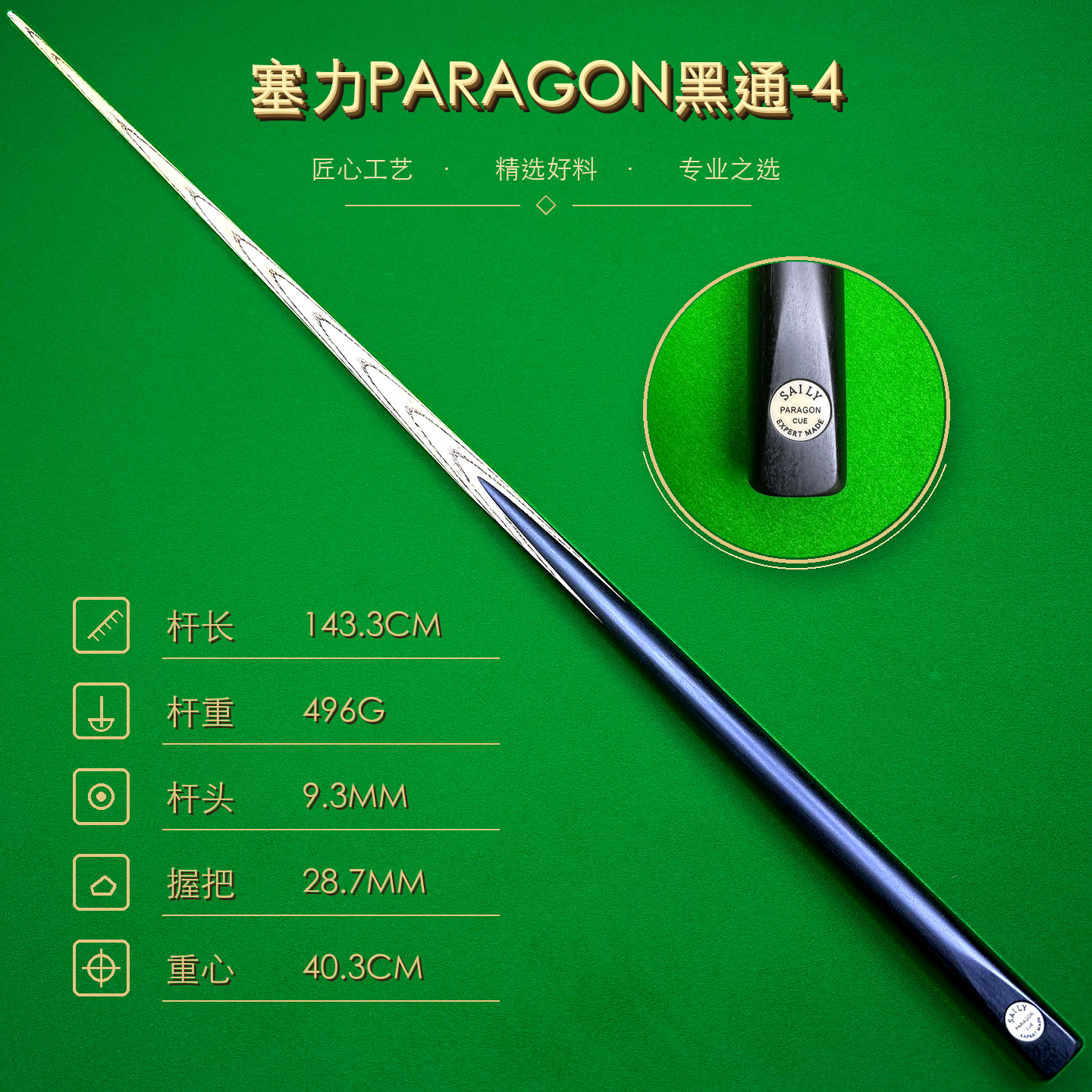
Short answer: a shorter player does not automatically need a shorter snooker cue. Height can prompt a useful fit check, but the evidence is the player’s relaxed stance, bridge and grip freedom, cue clearance, the exact assembled length and the table positions where the cue will be used. Start with a known cue, compare one candidate at a time and record what changes.
Start with a cue the player already understands
Two players of similar height can use different bridge lengths, head positions and rear-hand locations. A shorter player may be perfectly comfortable with a cue that another player finds long, while a different stance may make the same cue feel crowded. That is why “shorter player” is a search intent, not a measurement formula.
Set up a simple, familiar shot on a normal table. Let the player build the stance without stretching the bridge arm, tucking the grip hand into an unusual place or changing the delivery to make the cue fit. Check whether the bridge stays relaxed, whether the cue passes freely beside the body and whether enough cue remains behind the grip for an ordinary delivery.
Record the known cue’s exact assembled length, joint configuration and whether an extension is fitted. The snooker cue length measurement guide explains how to state the endpoints and configuration clearly. The baseline is more useful than a generic “short cue” description because it captures what this player already knows.
Run a controlled comparison, one variable at a time
Use short alternating blocks with the familiar cue and one candidate. Repeat the same simple layout on the same table, beginning with the candidate in one block and the familiar cue in the next. Note bridge comfort, grip freedom, backswing clearance and the longest reach that remains balanced. A single successful pot is not enough to rank a cue.
If the candidate differs in weight, balance point, tip, taper, joint or condition as well as length, keep those facts separate. The weight and balance-point guide helps document what the player is actually comparing. A different balance can change the hand position even when the length difference is small.
Check the tightest table positions
Test the places that create the most restricted backswing: a ball near a cushion, a rail bridge or a wall behind the player. A cue that feels comfortable in open space may need a different routine in a tight position. This does not prove that the everyday cue is too long or too short; it shows where a rest, stance adjustment or room change may matter.
For context, the guide for taller players uses the same evidence-first method. The direction of the question changes, but height alone still cannot choose the cue.
Keep adult and junior cue selection separate
A shorter adult player is not automatically a junior-cue buyer. Junior selection can involve age, reach, playing environment, supervision and a deliberately different cue specification. An adult who wants a more comfortable setup should first compare adult cues by exact length, weight, balance, tip and joint details. Do not infer suitability from the word “junior” or from a stock height chart.
Ask the seller for the measured cue you would receive, including the assembled configuration and any included sections. If a listing gives only “short” or “standard,” ask what those words mean for that individual cue. Current product photos and documented records on the SAILY CUE catalogue support an item-specific conversation, not a promise that one size fits every player.
Check extensions, cases and everyday storage
An extension can be useful for a particular reach or table position, but it creates a separate configuration. Verify the joint connection, resulting assembled length and balance context, then ask the seller how that exact accessory is intended to be used. Read the snooker cue extension guide before treating an extension as an alternative to choosing the playing cue.
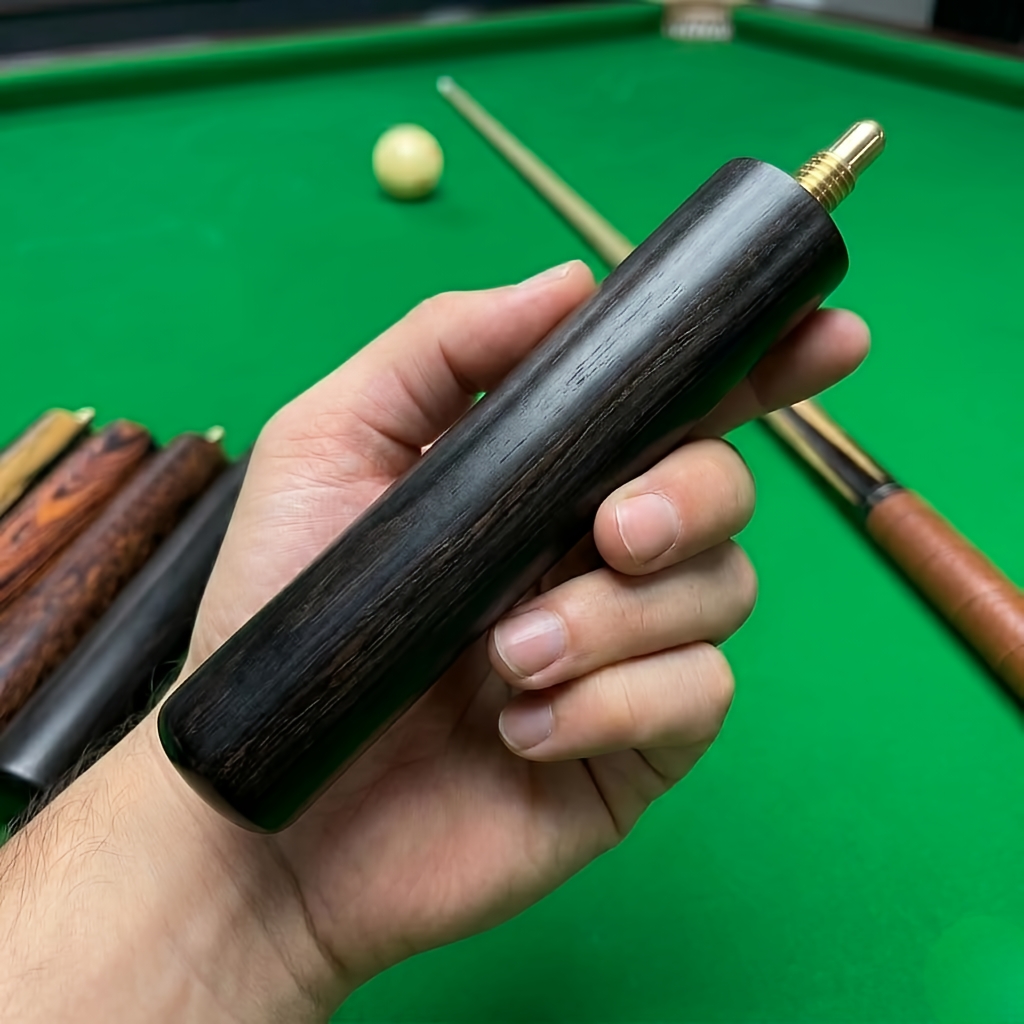
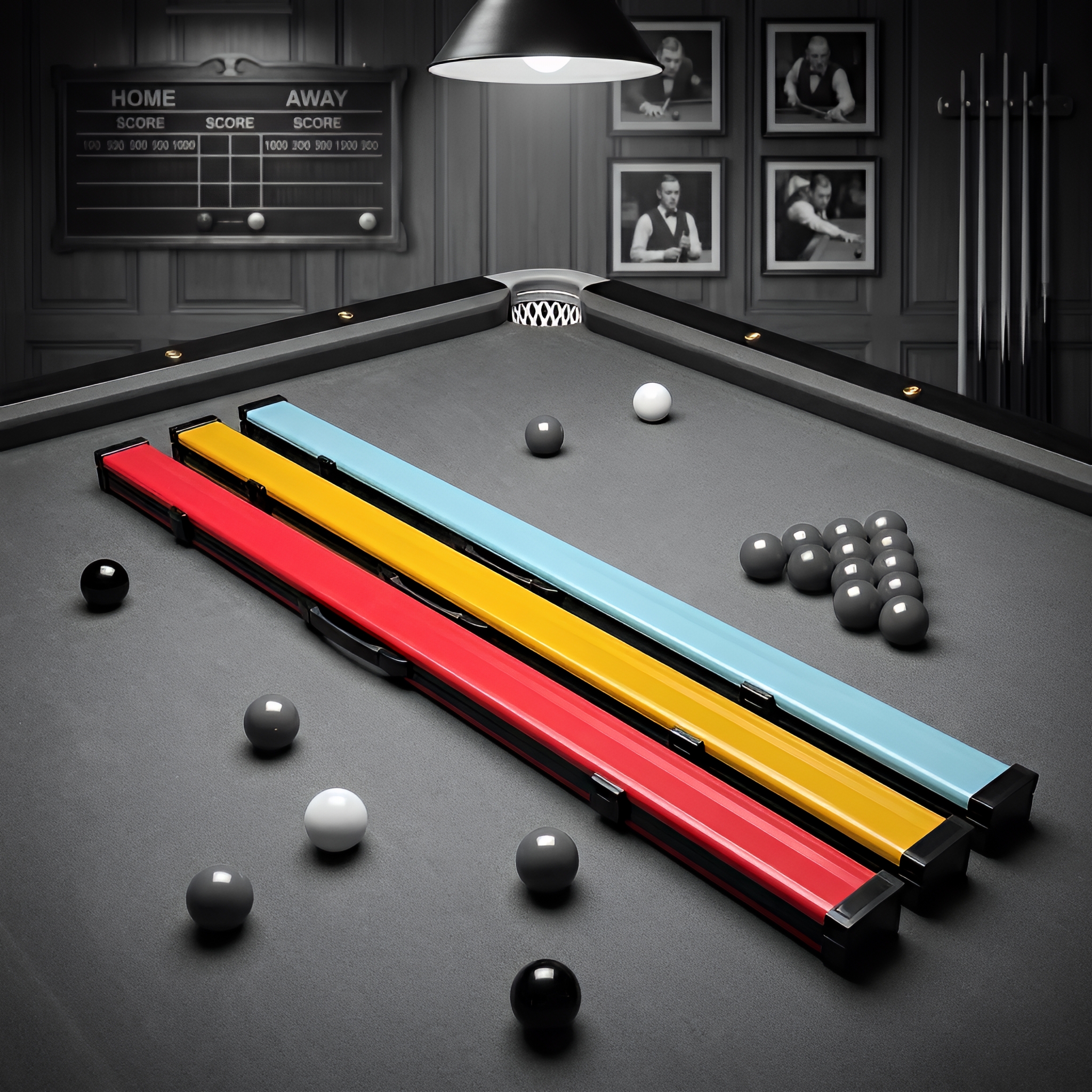
Storage is part of fit. For a jointed cue, write down the longest separated section and compare it with the usable internal length of the intended case. The case may need room for end protection and support rather than merely matching a printed size. A case protects the exact sections you own; it does not make an uncertain measurement accurate.
Keep a cue-specific buying record
Before ordering, make one card for the exact item. Include its product reference; full assembled length and measurement endpoints; joint format; largest section that must fit the case; measured weight and balance point; installed tip measurement; visible condition; included accessories; and case requirement. Mark missing facts as unconfirmed instead of filling the gaps yourself.
On a second line, add the player observations: the known-cue reference, usual bridge and rear-hand range, restricted positions tested, and every specification that differed during the comparison. The result should show whether length itself remains the useful preference or whether another change shaped the first impression.
There is no universal “snooker cue for shorter player” size that replaces this record. Confirm availability, current price, shipping and the exact cue details with SAILY CUE before purchasing.
Shorter-player snooker cue FAQ
Does a shorter player automatically need a shorter snooker cue?
No. Height alone does not set a correct cue length. Compare the player’s comfortable address, bridge and grip range with the exact assembled cue, then check table clearance and storage.
How can I test a snooker cue for a shorter player?
Use a familiar cue as the baseline. In the same simple shots, record bridge comfort, grip freedom, cue clearance and the longest reach that remains relaxed. Compare one candidate configuration at a time.
Is a junior cue the right choice for a short adult player?
Not necessarily. Junior cues are a separate selection question. An adult should first compare adult cue construction, exact measurements and normal playing needs rather than assuming a junior model is suitable.
Can an extension replace a longer or shorter cue?
An extension changes the assembled configuration, balance and storage requirements. Check joint compatibility and the intended use; do not treat an extension as a universal substitute for choosing the playing cue itself.
SAILY CUE BUYING GUIDE
Compare the cue that will actually arrive
Review real images and the exact listed measurements alongside notes from the cue you normally play with.