
SNOOKER CUE BUYING · PLAYER FIT
Does a Taller Player Need a Longer Snooker Cue?
Use height as the start of a fit conversation—not as a shortcut to a universal cue length.
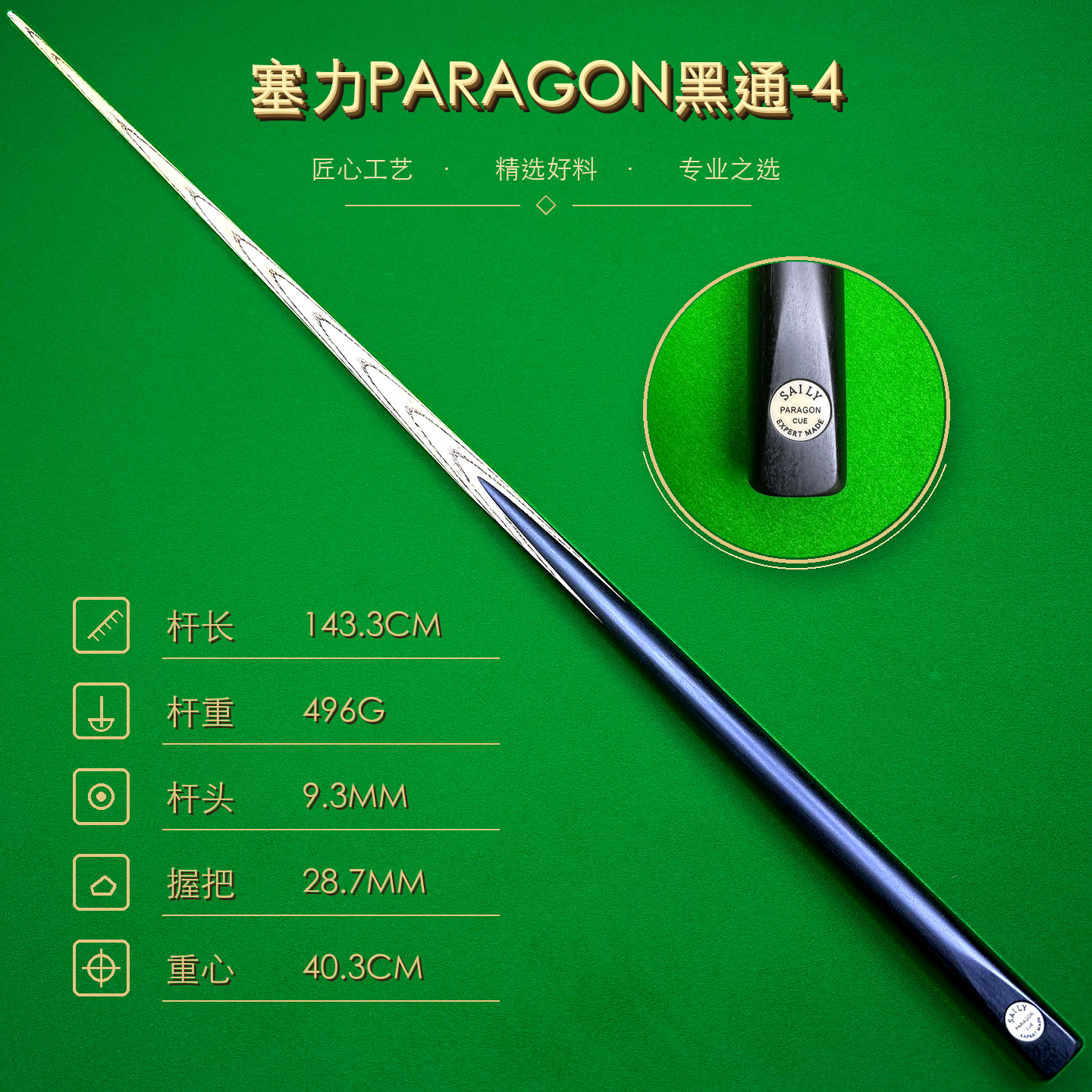
Short answer: a taller player does not automatically need a longer snooker cue. Height can change the questions worth asking, but the useful evidence comes from the player’s comfortable stance, bridge and grip range, cueing clearance, the exact assembled cue, and where it will be used and stored. Compare a known cue with one candidate at a time instead of choosing from height alone.
Start with player fit, not a height formula
Two players of the same height can have different arm proportions, bridge preferences, head positions and stance shapes. One may stand comfortably with a familiar standard-length cue, while another may feel crowded at the grip or short of usable cue behind the bridge hand. Neither observation creates a universal rule for everyone at that height.
Begin in an ordinary, balanced address position on a simple table layout. The player should not stretch the bridge arm, pull the grip hand into an awkward position or change the stance merely to make a cue seem suitable. Note whether there is enough cue behind the grip for a free delivery and whether the bridge can remain comfortable. This is a fit check, not a promise about accuracy or performance.
The broader snooker cue selection guide explains why length belongs beside weight, tip size, balance and condition. Do not let one measurement replace the rest of the exact-cue record. Shorter adults can use the separate shorter-player cue fit guide for the inverse buying question.
Record a baseline with a cue you already know
A familiar cue provides a more useful comparison than a generic chart. Record its exact assembled length, whether it is one-piece or jointed, and whether any extension is fitted. Then note the player’s normal bridge position, approximate grip location and the amount of cue remaining behind the grip at comfortable address. A photograph from the side can preserve the setup, but it should not be used to diagnose posture from a single frame.
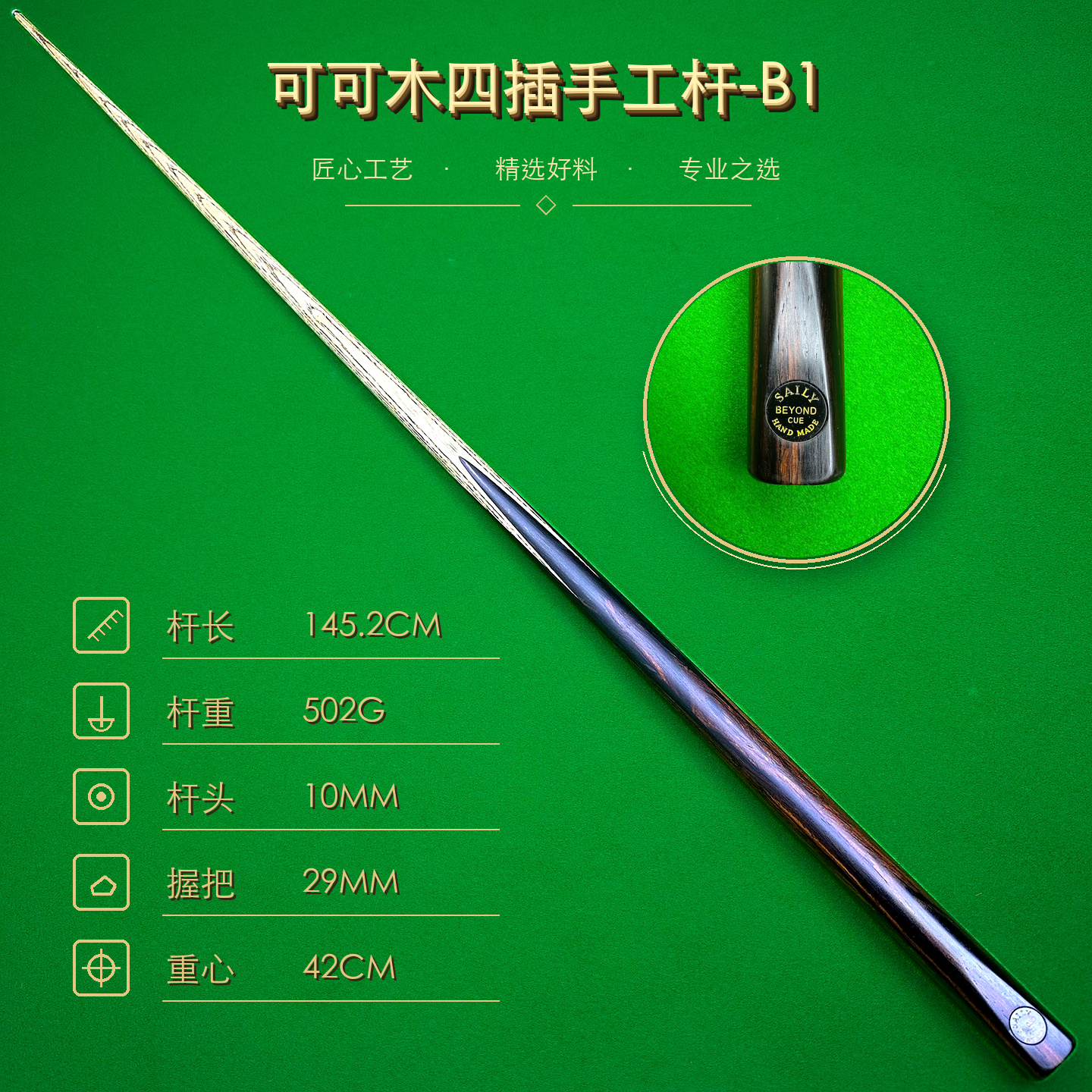
Measure consistently. The cue-length measurement guide uses the complete assembled cue and a clearly recorded method. Ask a seller to confirm whether the quoted length includes the tip and bumper and whether it describes the cue alone or a cue-plus-extension configuration. Keep centimetres and inches clearly labelled rather than converting from memory.
If the known cue feels crowded only on certain shots, record those table positions separately. A long reach, rail bridge or rest shot can change how the cue is held without proving that the everyday playing cue is too short.
Compare complete cue configurations, one at a time
When testing a candidate, keep the table, simple shot layout and warm-up routine as stable as practical. Compare the familiar cue and candidate in short A–B blocks, then reverse the order on another block. Note reach, grip freedom, bridge comfort and clearance separately. Pocketing a few balls is not enough to rank the cues, because delivery, speed and ordinary variation affect the result.
A longer cue may also differ in weight, balance point, taper, tip, joint format and condition. If several features change at once, do not attribute the whole experience to length. The controlled cue-comparison guide shows how to record those differences without turning one specification into a quality score.
Do not treat a detachable extension as interchangeable with a longer playing cue. Confirm the exact joint compatibility, the full assembled configuration and whether the added part is intended for routine play or occasional reach. An extension changes more than the number printed for total length, and its storage requirements may be different.
Check table clearance, room space and cue-case fit
A cue that fits the player must also fit the places where it will be used. Check the tightest likely table positions, especially where a wall, cabinet or spectator barrier can restrict the backswing. The small-room cue-length guide explains why the limiting position matters more than the room’s headline dimensions.
For a jointed cue, record the longest separated section as well as the assembled length. Compare that section with the actual usable internal length of the intended cue case, including end protection and support. A nominal case label does not prove that a longer or differently jointed cue will be protected correctly.
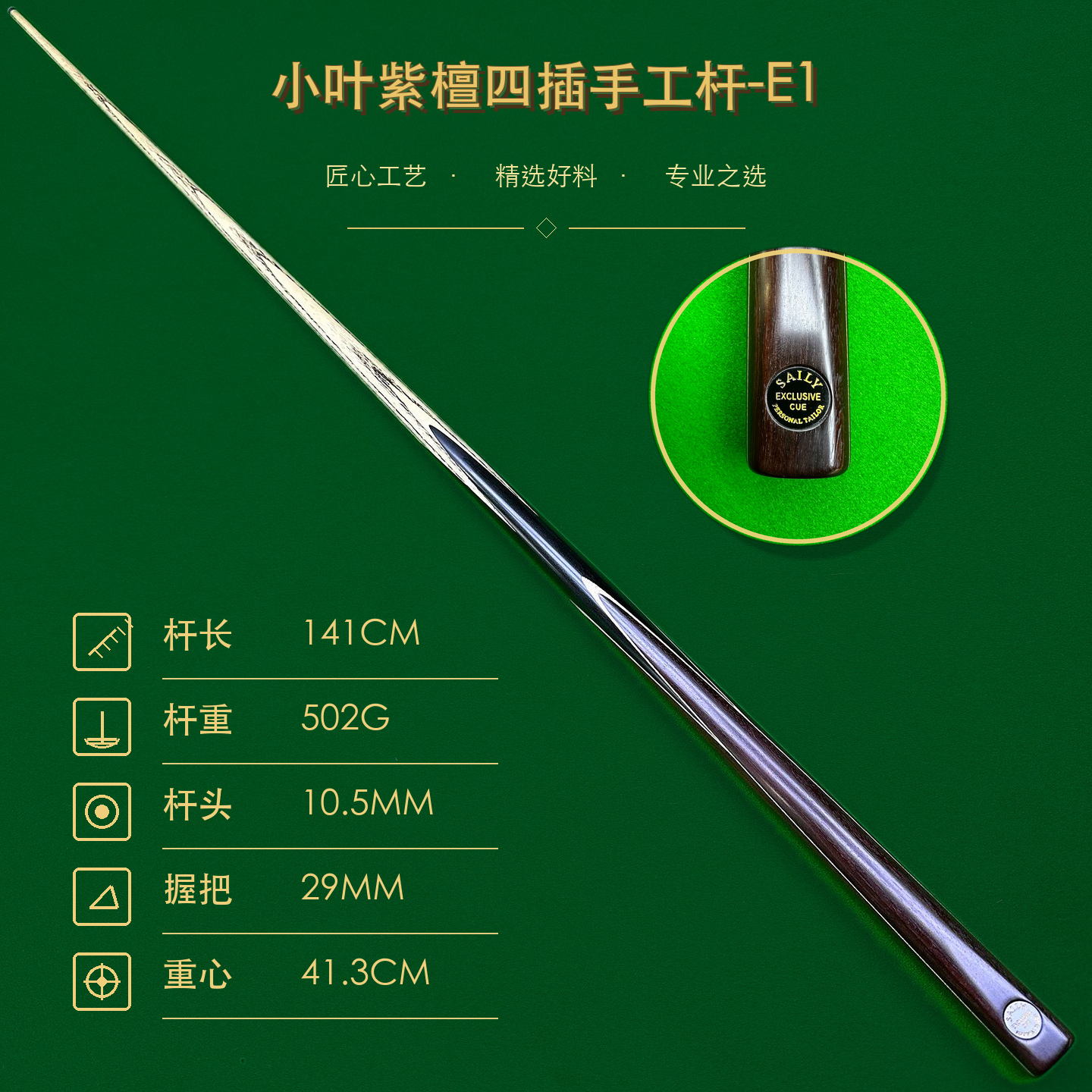
International buyers should also keep the exact cue reference, current photographs, measured specifications, included sections and packaging expectations together. Length claims are easiest to resolve before an order, while the seller can confirm the exact physical cue.
Build a cue-specific buying record
Before deciding, write one short record for each candidate: product reference, assembled length and measurement method, joint configuration, longest stored section, weight, balance point, tip measurement, current condition, included extension, case requirement and current price. Leave an item marked unconfirmed rather than filling it with an assumption.
Then add the player-fit evidence: familiar-cue baseline, normal bridge and grip freedom, any recurring reach problem, restricted room positions and which variables changed during the test. This makes the decision explainable later and helps distinguish a genuine length requirement from a temporary response to a different cue.
Browse the SAILY CUE catalogue to compare current real-cue photographs and documented measurements. Confirm availability, price, shipping and the exact cue record before ordering; the catalogue is evidence for the listed item, not a universal prescription for tall players.
Snooker cue length for tall players FAQ
Does every tall player need a longer snooker cue?
No. Height alone does not determine the right cue length. Compare the player’s comfortable address position, bridge and grip range, cue clearance, the exact assembled cue and the room or table positions where it will be used.
How should I measure a snooker cue before buying?
Ask for the exact assembled length and the seller’s measurement method, then compare it with a cue you already know. Keep the unit, joint configuration and any fitted extension consistent.
Is a cue extension the same as buying a longer cue?
No. An extension is a separate configuration with its own joint compatibility, assembled length, balance and storage requirements. Do not assume it reproduces the everyday feel of a longer playing cue.
What if a longer cue does not fit my room or cue case?
Treat room clearance and case fit as purchase requirements. Record the longest assembled or stored section and check the actual internal dimensions and support of the intended case.
SAILY CUE BUYING GUIDE
Compare the exact cue record
Use real photographs, documented measurements and a comfortable known-cue baseline before choosing a different length.