
SNOOKER CUE CARE · SURFACE WORK
Can a Snooker Cue Be Refinished? What to Check Before Surface Work
Separate a visible finish question from cleaning, structural condition and irreversible alteration before anyone works on the exact cue.
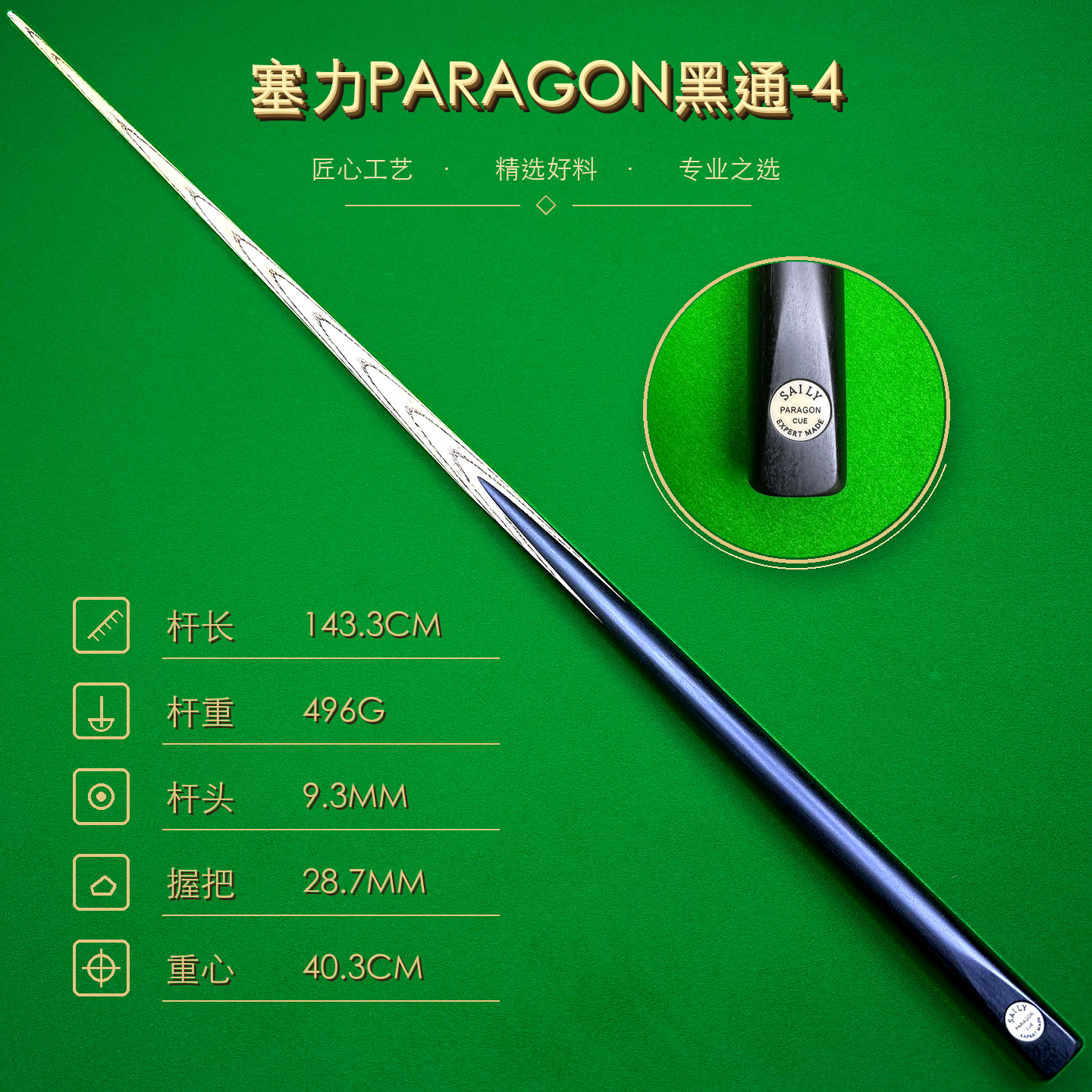
Short answer: a snooker cue may be refinished in some circumstances, but “the finish looks tired” is not enough information to approve surface work. First identify the exact cue, photograph its current condition and separate loose residue or a dull patch from lifted finish, cracks, exposed material, previous repairs or a joint, ferrule or tip problem. Then ask the maker or an experienced cue technician to inspect the physical cue. Do not sand, scrape, strip, heat, dissolve, oil, wax, paint or varnish the surface as a test.
Define the real reason before you ask for refinishing
“Refinish” can mean different things to different players. You may be trying to remove a visible mark, protect a local area, return a repaired section to a consistent appearance, prepare a used cue for sale or change the sheen. Those are not automatically the same job, and none should start with a generic product or a universal promise.
Write down what you want changed and what must remain unchanged. Is the concern on the butt, shaft, joint collar, decorative boundary, wrap or end fitting? Did it appear after a delivery, drop, damp storage, cleaning attempt or previous service? If the cue still plays normally, keep that observation separate from any claim about its structure or performance.
The snooker cue finish inspection guide helps you describe glare, scratches, cloudy patches and lifted edges from current photographs. It is a buying and evidence checklist, not permission to alter the surface.
Preserve the exact cue before touching the surface
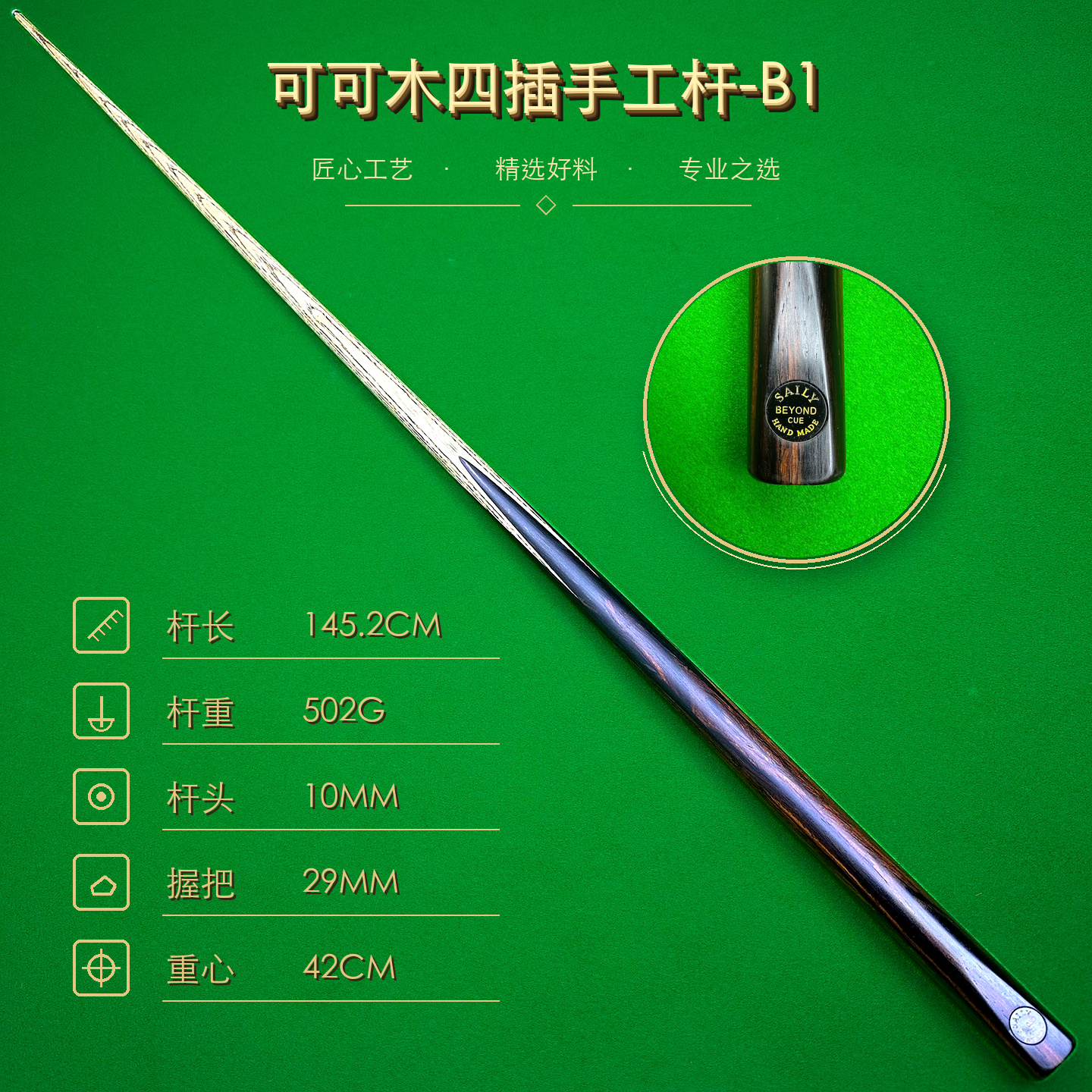
Photograph the whole cue and each section in diffuse light. Add overlapping views of the butt, splice or inlay boundaries, joint area, tip end and any mark that concerns you. Keep the original files and record the date, product code or other reference, jointed configuration, measured length and weight method when known.
- Identify the individual cue.Use the exact listing, receipt, reference and current photographs rather than a generic series image.
- Describe only visible facts.Write “dull patch beside the ring” or “line visible in two angles,” not an unverified cause.
- Record service history.Note known cleaning, repairs, tip work, delivery impact or storage conditions without filling gaps with guesses.
- Keep parts together.Store the cue supported and keep any detached fragment or accessory separate without scraping contact surfaces.
Classify the visible condition without diagnosing it
Loose dust, chalk or transfer
A removable surface trace may be an ordinary care question. Start with the least aggressive method that is documented for the exact surface; the cue-butt cleaning guide and shaft-care guide explain why a clean, soft, dry cloth is a safer starting point than an unknown liquid. A clean-looking patch still does not prove the finish is original or structurally sound.
Sheen, colour or local scratches
Lighting, reflections, screen settings and camera processing can exaggerate a difference. Compare several current angles before deciding that a dull area is a failed coating. A shallow visible scratch may be cosmetic, but it may also sit beside exposed material or earlier work. Do not use polishing to hide the evidence.
Cracks, lifted edges, movement or exposed material
An opening line, raised edge, flaking area, changing gap, movement, sharp catch or new sound moves the question beyond ordinary cleaning. Stop play if the condition changes after an impact or if a joint, ferrule, tip or decorative boundary is involved. Surface appearance cannot confirm what is happening underneath.
Compare limited or reversible answers first
Ask whether the actual problem can be solved without changing the complete surface. A fresh photograph, a careful dry wipe, an improved case fit or a professional spot assessment may answer the question more safely than full refinishing. If the concern is a tip, ferrule, shaft dent, sticky surface or joint, use the guide for that component instead of treating every symptom as a finish failure.
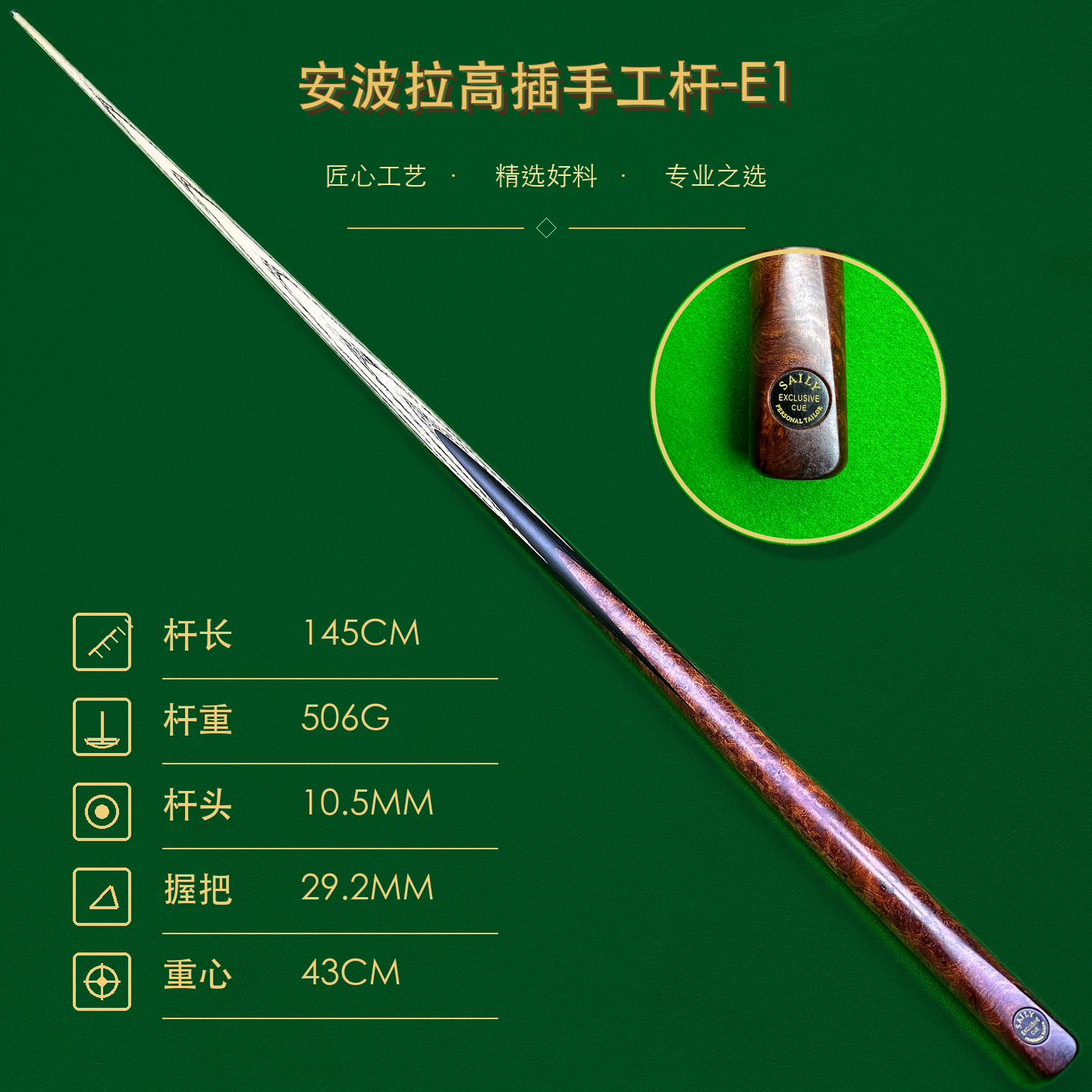
Do not select a finish because a colour, shine or material label looks attractive in another cue. The same phrase can describe different construction, previous work or a different section. Confirm what the maker or technician can actually identify for this cue, and keep uncertainty visible in the service record.
For a used purchase, combine the surface notes with the used snooker cue buying checklist. Condition, ownership evidence, included items, return terms and current photographs remain important even if a seller says the cue could be refinished later.
Ask the maker or technician specific questions
Send the evidence before requesting a quote. Ask whether the observed area is surface-only, whether the existing finish and decorative boundaries can be identified, whether previous work is visible and whether the cue should remain out of play. Ask what inspection must happen in person and what remains uncertain from photographs.
Request a written description of the proposed scope, affected sections, parts that may need removal, care instructions and what the technician will document afterward. A professional may recommend no refinishing, a limited repair or a different service. That judgment belongs to the physical cue, not to a generic internet recipe.
Do not ask for a guarantee of a particular feel, value, durability or accuracy. A surface change cannot certify straightness, material identity or hidden structure. If the cue is listed in the SAILY CUE English collection, keep the original listing images and specifications with the service record.
Document the cue after any professional work
Keep the invoice or service note and photograph the same areas after the work. Record the confirmed scope, date, named parts or materials only when the technician identifies them, and any handling or waiting instructions. Compare the before-and-after images without turning a smoother surface into a claim about playing performance.
Return to normal play only as instructed. Stop if a crack, gap, movement, unusual sound, lifted edge or new surface change appears. The snooker cue maintenance schedule can hold the next routine checks, but it cannot replace a cue-specific assessment after alteration.
Snooker cue refinishing FAQ
Can a snooker cue be refinished?
Some cues may be suitable for professional surface work, but the answer depends on the exact construction, existing finish, condition, previous repairs and the reason for the request. A maker or experienced cue technician should inspect the physical cue before confirming a method or outcome.
Does a dull or scratched finish mean the cue needs refinishing?
No. A dull patch, residue, reflection change or light scratch may need only documentation or a cue-specific cleaning decision. It can also sit beside a deeper crack, lifted finish or previous repair, so appearance alone cannot decide the next step.
Can I sand or strip a snooker cue finish at home?
Do not sand, scrape, strip, heat, dissolve or repaint a cue as an experiment. Those actions can remove evidence, change dimensions, affect decorative boundaries or damage an unknown surface. Ask the maker, seller or an experienced cue technician first.
Will refinishing improve how a snooker cue plays?
No playing result should be promised from a surface change. Finish work addresses a specific external condition or restoration question; it does not by itself prove straightness, material identity, structural soundness, feel, durability, value or accuracy.
REAL CUE RECORDS
Keep the surface question tied to one cue
Review real photographs and documented specifications, then ask a maker or experienced cue technician before any irreversible work.