
SNOOKER CUE BUYING · WEIGHT QUESTIONS
Can a Snooker Cue Be Too Light? How to Check the Whole Setup
Before adding mass or rejecting a cue, separate a bad measurement from the way its shape and balance actually meet your hand.
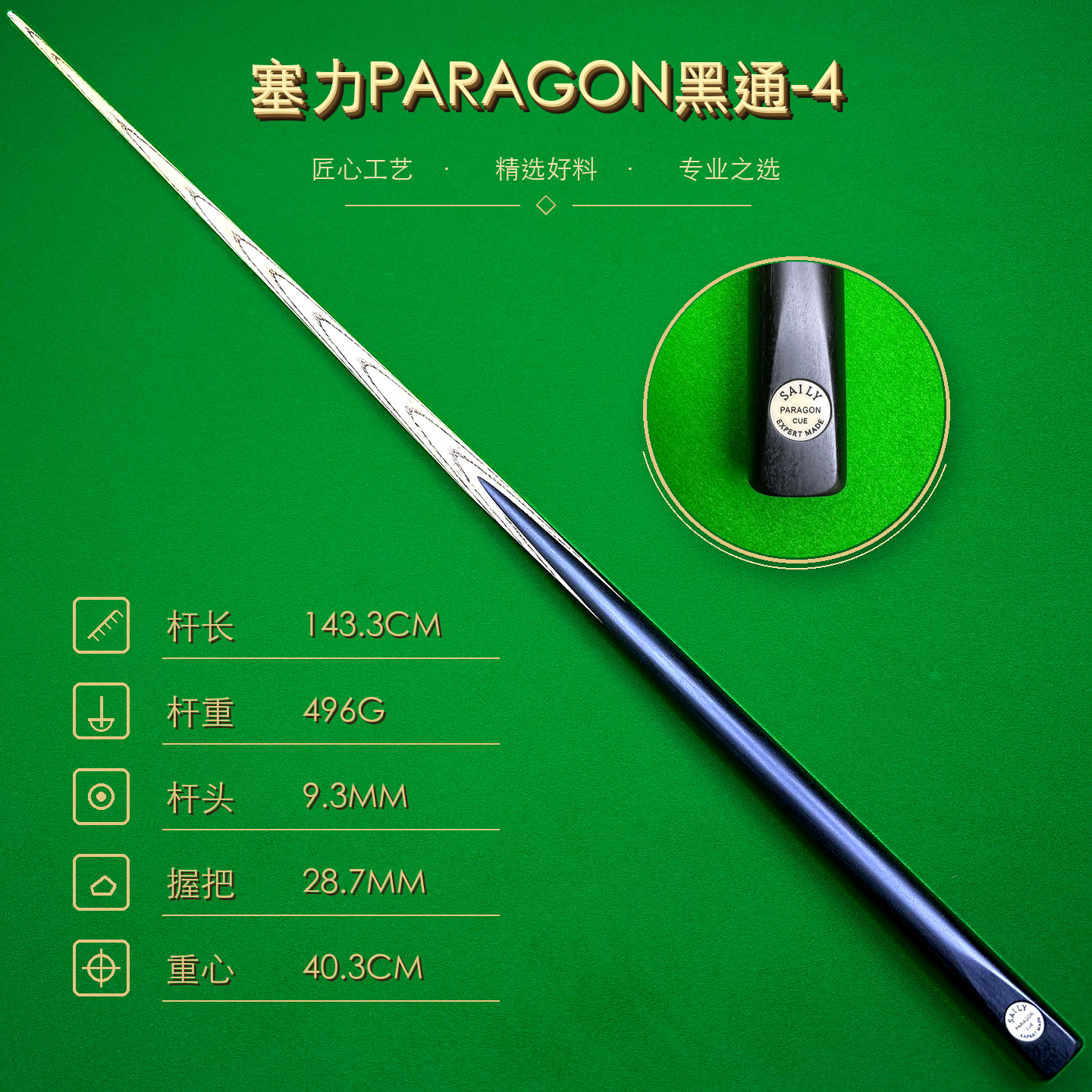
Short answer: “too light” is not one diagnosis. It may mean a low total reading, a balance impression that feels forward or rearward, a slimmer butt or grip, or simply the unfamiliar response of a new cue. Establish which description fits before you search for a heavier model. No general minimum weight can replace a clear record of the exact cue and the way you use it.
Check the record before judging the cue
Start with the simple possibility that two numbers are not measuring the same thing. Assemble the exact cue in its normal playing form, with the installed tip, ferrule, shaft and butt. Note the joint position and whether a detachable extension or mini-butt is attached. Weigh it on a stable scale using one stated method, then save the unit, date and cue reference.
Compare like with like. A loose butt, a shaft-only reading, a rounded listing number and a complete cue-plus-extension figure belong in different columns. The home weighing guide shows how to support a cue without changing the reading. If a seller cannot explain the measuring configuration, mark that field unconfirmed.
Build a whole-setup comparison matrix
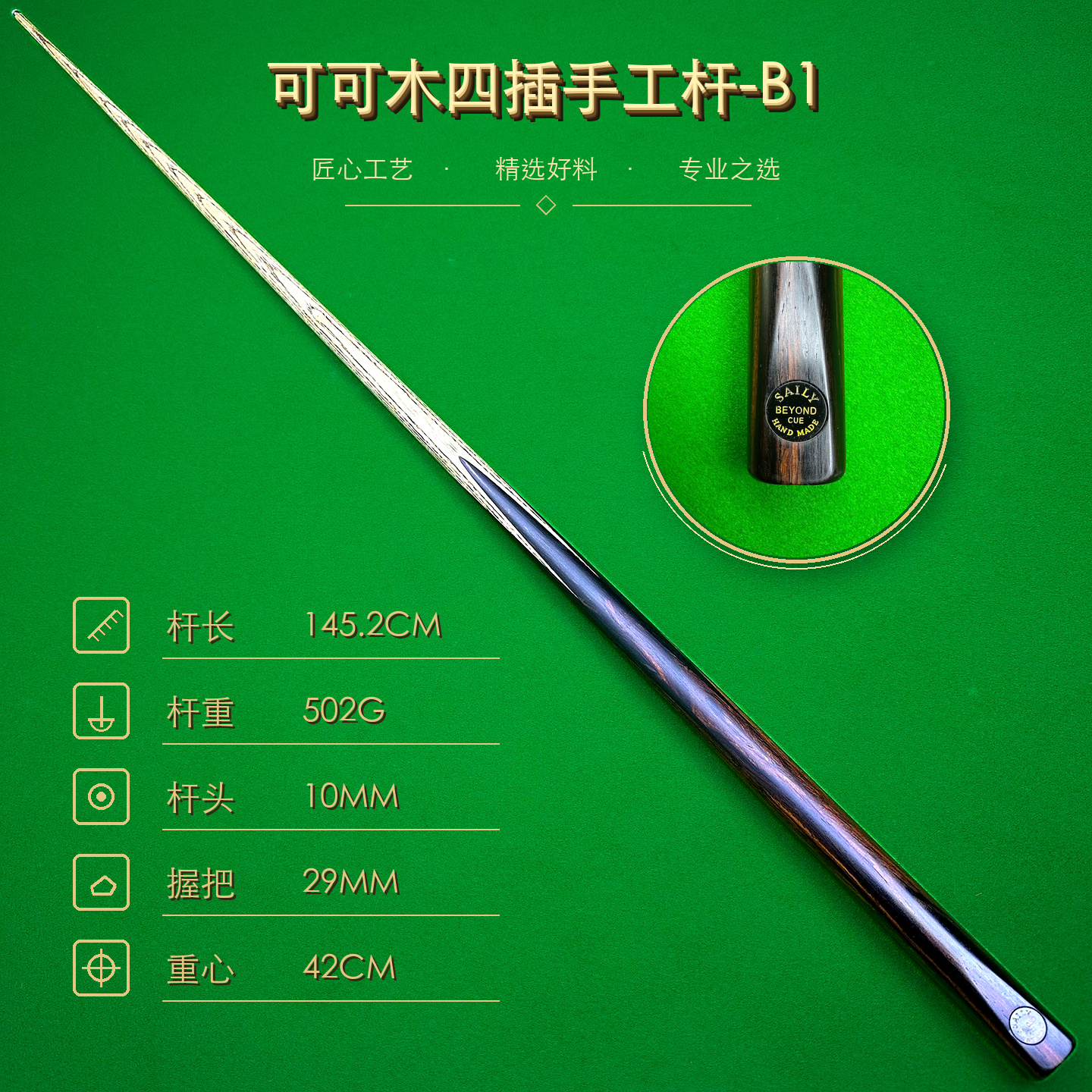
Write a small table with one row for the familiar cue and one for the candidate. Include total weight, assembled length, tip diameter, ferrule and shaft notes, joint format, butt diameter, stated balance point and extension status. Add practical observations: bridge-hand room, rear-hand freedom, butt contact, cue clearance and whether the grip wants to move.
This matrix helps separate a low total reading from a narrow grip or a balance impression. A cue that feels “light at the front” may have a different balance location; a cue that feels insubstantial in the hand may simply have a smaller butt. The weight-versus-balance guide explains why weight and balance point should not be collapsed into one label.
Use a short blind check with the order reversed
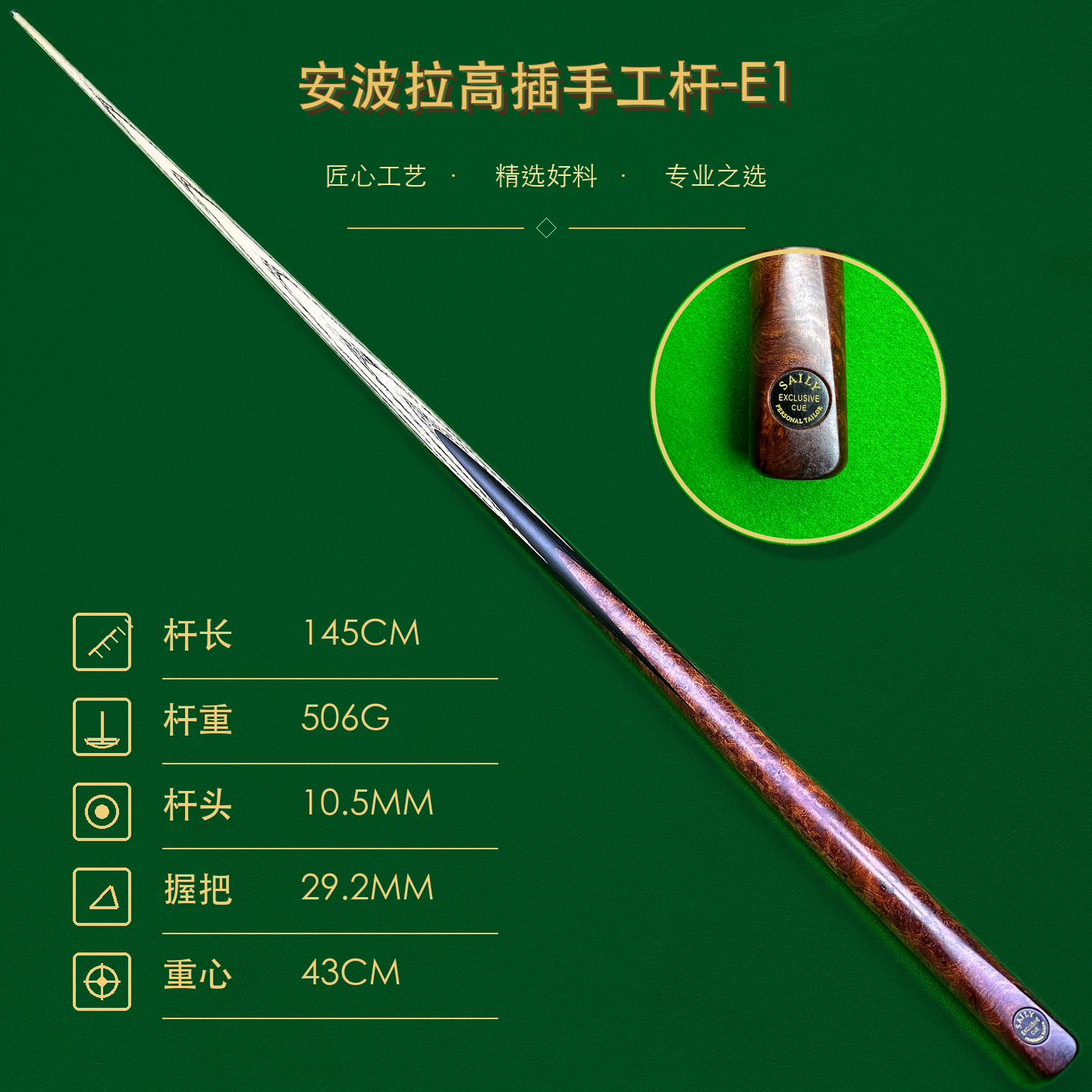
Once the records are complete, ask a trusted partner to hand you the two cues in an unpredictable order, or cover the labels while you handle them. Use a brief, familiar routine: settle into your ordinary stance, make a few quiet address movements and note which cue feels more natural before looking at the specifications.
Repeat the same check with the order reversed on another block. Write the cue letter only after each block, then compare your notes with the matrix. This does not prove that one cue is better. It simply tests whether the “too light” impression survives when expectation and price are removed from the first moment.
The controlled cue comparison guide can help structure matched A–B observations. Keep table, lighting and playing clothes constant so the question stays about the cue setup.
Try reversible checks before adding weight
Do not drill, insert weights or alter the butt to solve an impression created by uncertain records. First try reversible checks: remove a detachable extension, restore the familiar grip position, compare the cue with its normal joint protectors off, or handle it in the exact bridge and room positions where the concern appears. These are configuration comparisons, not instructions to modify the cue.
Change one factor at a time and write down what changed. If a different extension alters the balance, record the extended and unextended setups separately. If a smaller butt changes hand contact, ask whether the issue is grip fit rather than total mass. The snooker cue selection guide helps turn an unclear feeling into questions for the maker or seller.
Keep discomfort outside the experiment
Stop if you feel pain, numbness, unusual strain or persistent discomfort. Seek suitable professional advice rather than trying to adapt through symptoms. This article is a cue-comparison method, not a medical assessment.
Decide without inventing a universal number
After several sessions, classify the candidate as comfortable, unresolved or unsuitable for your current routine. Preserve the exact weight, balance reference, dimensions, condition and accessories with that conclusion. Browse the SAILY CUE collection for individual photographs and documented specifications, and confirm any missing field before ordering.
A low number does not establish the wood, craftsmanship, durability, value, accuracy or playing performance of a cue. Nor does a higher number automatically solve a balance or grip question. If you want a counterpoint, read the guide to a cue that feels too heavy, then return to the evidence for the exact cue in front of you.
Snooker cue weight FAQ
Is there a universal minimum weight for a snooker cue?
No. A scale number describes one cue in one configuration, not a universal minimum for every player. Compare the exact cue with a familiar one and your normal playing conditions.
Should I add an extension when weighing a cue?
Weigh the configuration you actually want to compare and state whether an extension or other detachable part is fitted. Do not compare a cue alone with a cue plus extension as if they were the same setup.
Does a lighter cue automatically have a different balance?
No. Total weight and balance point are separate measurements. Record the balance reference, length, butt dimensions and fitted parts before drawing a handling conclusion.
When should I stop testing a cue that feels too light?
Stop if you feel pain, unusual strain, numbness or persistent discomfort, or if you are forcing your grip or delivery. Rest and seek suitable professional advice rather than pushing through symptoms.
SAILY CUE COLLECTION
Compare exact cue records
Review real photographs and documented specifications before deciding what “light” means in your setup.