
SNOOKER CUE BUYING · WEIGHT AND FIT
Can a Snooker Cue Be Too Heavy? How to Decide Without Guessing
Separate the number on a scale from the question that matters: can you control this complete cue comfortably and repeatedly?
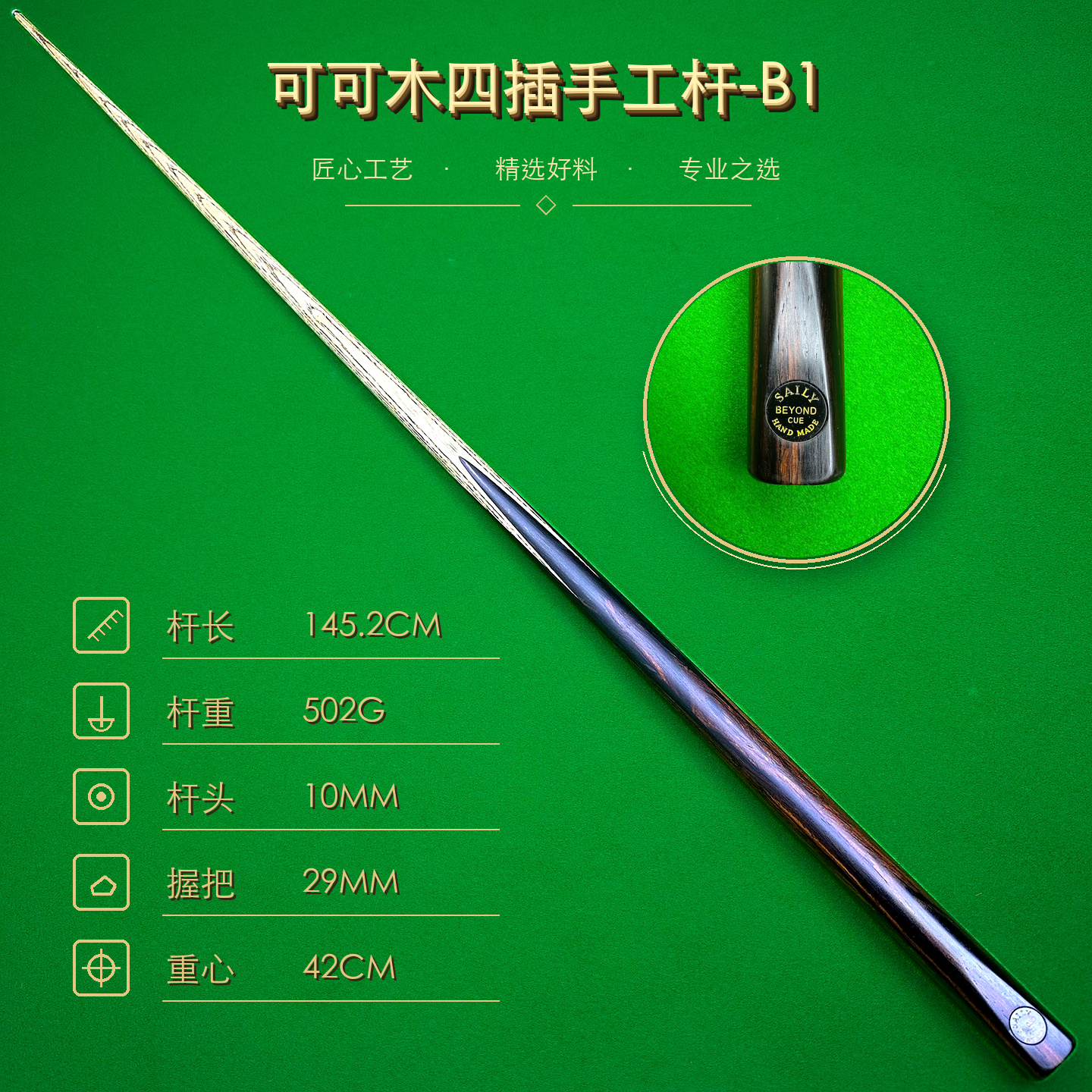
Short answer: a snooker cue can be too heavy for a particular player, configuration or session, but there is no single scale number that answers the question for everyone. First record the complete playing weight. Then compare it with a cue you already understand, the cue’s balance point, your normal bridge and grip freedom, the table positions you actually play and what happens as practice continues.
Start with an honest weight record
“Heavy” is often used for three different things: a high scale reading, a rearward or forward balance impression, or a cue that becomes tiring to control. Keep those ideas separate. Use a stable scale and weigh the cue as it is normally assembled, with its installed tip and usual jointed configuration. State whether an extension or protector is fitted. The at-home snooker cue weighing guide explains how to support a long cue and keep the original unit visible.
Do not compare a complete cue with a shaft-only reading, or a cue plus extension with a cue without one. Record the exact product reference, date and configuration. A scale number is a physical description; it is not a quality score, accuracy promise or recommendation for every player.
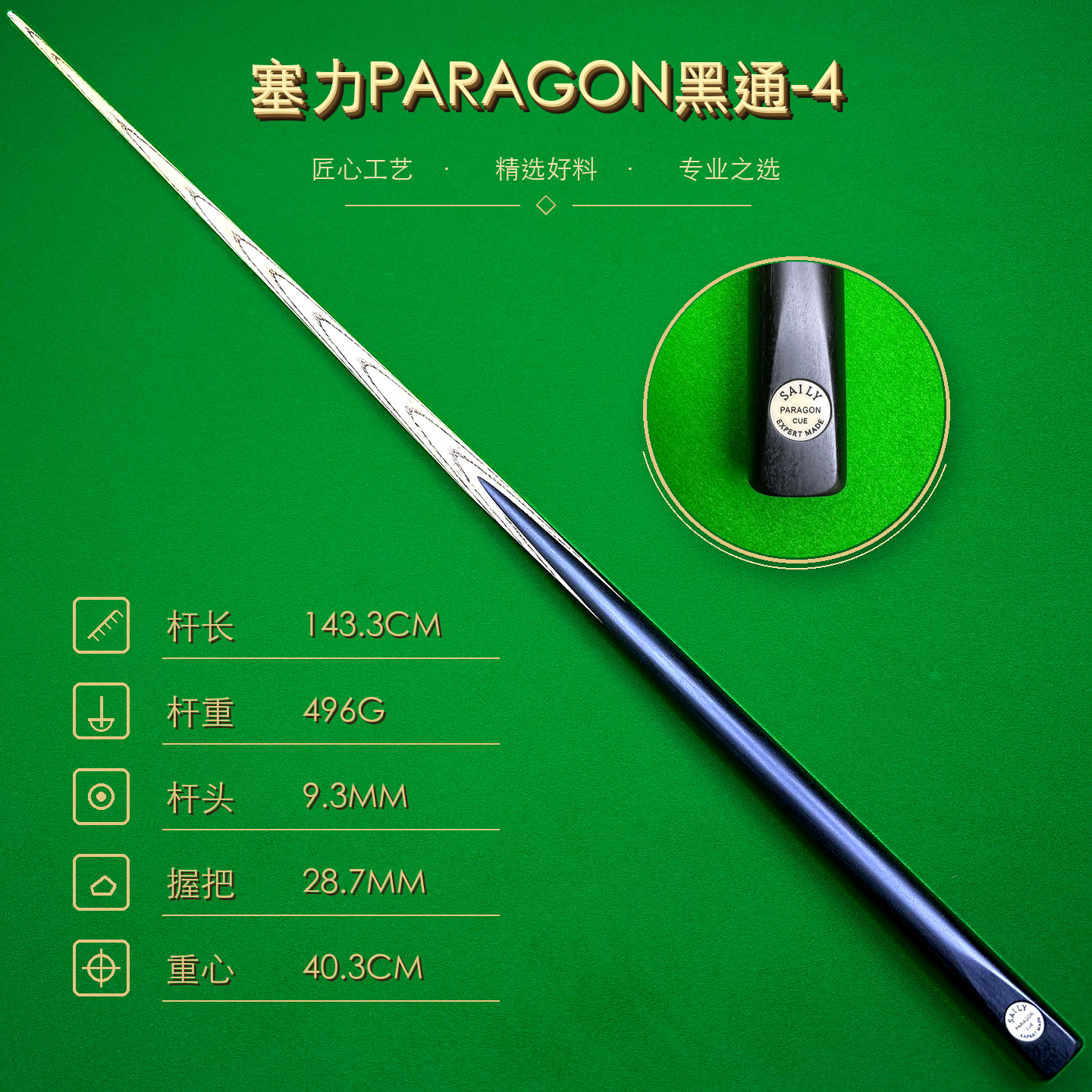
Compare against a cue you already know
Your familiar cue is the most useful reference because you already know how it sits in your stance. Weigh it with the same method, then note your usual rear-hand position, bridge length, cue clearance and the kind of shots used in normal practice. A small difference on the scale may feel irrelevant to one player and noticeable to another; the baseline shows what changed for you.
When handling a candidate, let the cue settle naturally. Do not squeeze harder or move the grip to force a familiar posture. Check whether the bridge hand stays relaxed, whether the cue passes freely beside your chest and clothing, and whether the rear hand can move without crowding. If the candidate only works when you alter all three, record that as a configuration difference rather than proof that the cue is universally too heavy.
The controlled cue comparison guide suggests short matched blocks rather than one dramatic shot. Familiarity matters, so repeat the sequence another day if the purchase is important.
Read weight together with balance point
Total mass does not tell you where the cue’s mass is distributed. Two cues with similar readings can feel different because their balance points, lengths, butt diameters and grip positions differ. Measure or request the balance point from a named end, then read the weight versus balance-point guide before interpreting the first impression.
Balance is context, not a ranking. A cue that feels more substantial behind the grip may suit one stance and feel crowded in another. Keep tip size, joint format, extension status and visible condition in the same note. If a listing leaves a field unclear, mark it unconfirmed rather than guessing from a model name or photograph.
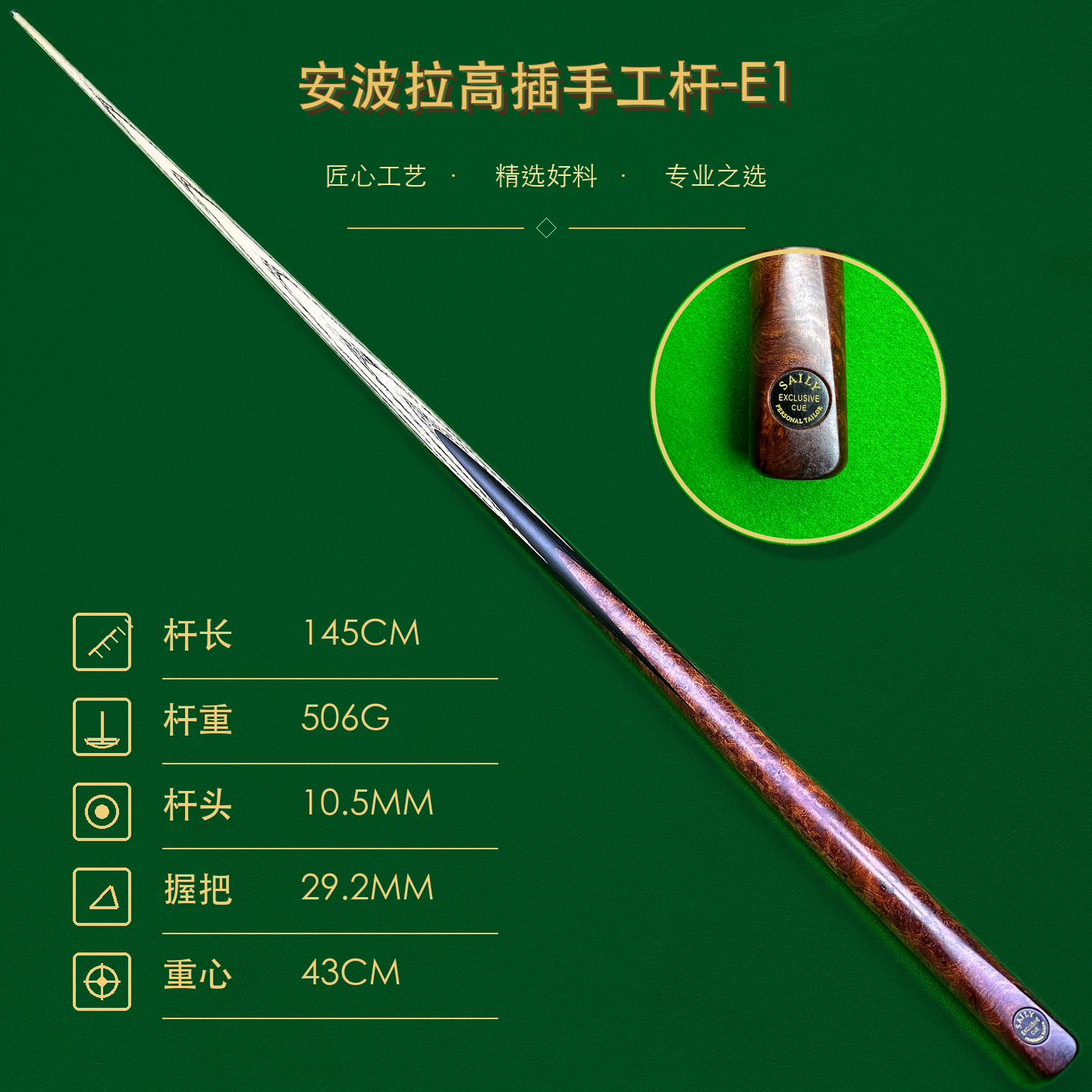
Run a practical comfort test
Warm up with your familiar cue. On the same table, alternate the candidate and familiar cue through a few repeatable tasks: an easy straight delivery, a longer controlled delivery and a modest cut or safety you already understand. Keep the shot positions, cloth, lighting and pace similar. Note setup comfort, intended contact, cue freedom and speed control separately from pots and misses.
Test the positions that expose a mismatch
Include a rail bridge, a ball near a cushion and a position with limited space behind you. A cue can feel fine in open space but require a different routine at the cushion. Also test a normal-length practice block, not only the first five minutes. The question is whether the cue remains manageable in the conditions you actually use—not whether you can complete one successful shot.
Stop between blocks and reverse the order on another session. This reduces the chance that fatigue, concentration or familiarity gets mistaken for a weight conclusion.
Watch for fatigue and stop signals
Pay attention to grip pressure, a shortened or forced backswing, repeated shoulder or forearm tension, loss of a relaxed bridge and the need to change your delivery late. These observations do not diagnose an injury and do not prove that weight alone caused them. They are practical reasons to stop the test, rest and reassess the complete setup.
If you feel pain, unusual strain, numbness or persistent discomfort, stop playing and seek appropriate professional advice. Do not try to “adapt” by pushing through symptoms. A cue choice is not a medical decision.
Make the buying decision from evidence
Write a short conclusion after repeated comparisons: comfortable in the complete configuration, needs more evidence, or not suitable for your current setup. Keep the exact measured weight, balance reference, length, tip, condition and accessories beside your observations. The snooker cue selection guide can help turn missing listing details into questions for the seller.
There is no universal “best” or “maximum” snooker cue weight. Choose the exact cue that lets you set up, deliver and practise without forced grip or fatigue in your normal conditions. Confirm current availability, price and the individual item record with SAILY CUE before ordering.
Snooker cue weight FAQ
Is there a universal maximum weight for a snooker cue?
No. A scale reading describes one cue configuration, not a universal comfort limit. Compare the exact cue with a familiar baseline and your normal bridge, grip and playing conditions.
Should I weigh a snooker cue with an extension fitted?
For a complete playing-weight record, weigh the cue in its normal playing configuration and state whether a detachable extension or other accessory is fitted. Do not compare unlike configurations.
Can a heavy cue change its balance point?
Adding or removing mass can change the balance context, but total weight and balance point are separate measurements. Record both from clearly stated references before drawing a handling conclusion.
When should I stop testing a heavier cue?
Stop when you feel pain, unusual strain, loss of control, forced grip pressure or fatigue that changes your normal delivery. A heavier cue is not a problem to solve by pushing through discomfort.
SAILY CUE COLLECTION
Compare complete cue records
Review real photographs and documented measurements before deciding whether a cue fits your setup.