
SNOOKER CUE BUYING · PLAYER FIT
Do Left-Handed Players Need a Different Snooker Cue?
Use the exact cue, the player’s normal setup and a short comparison—not a handedness assumption—to make a better choice.
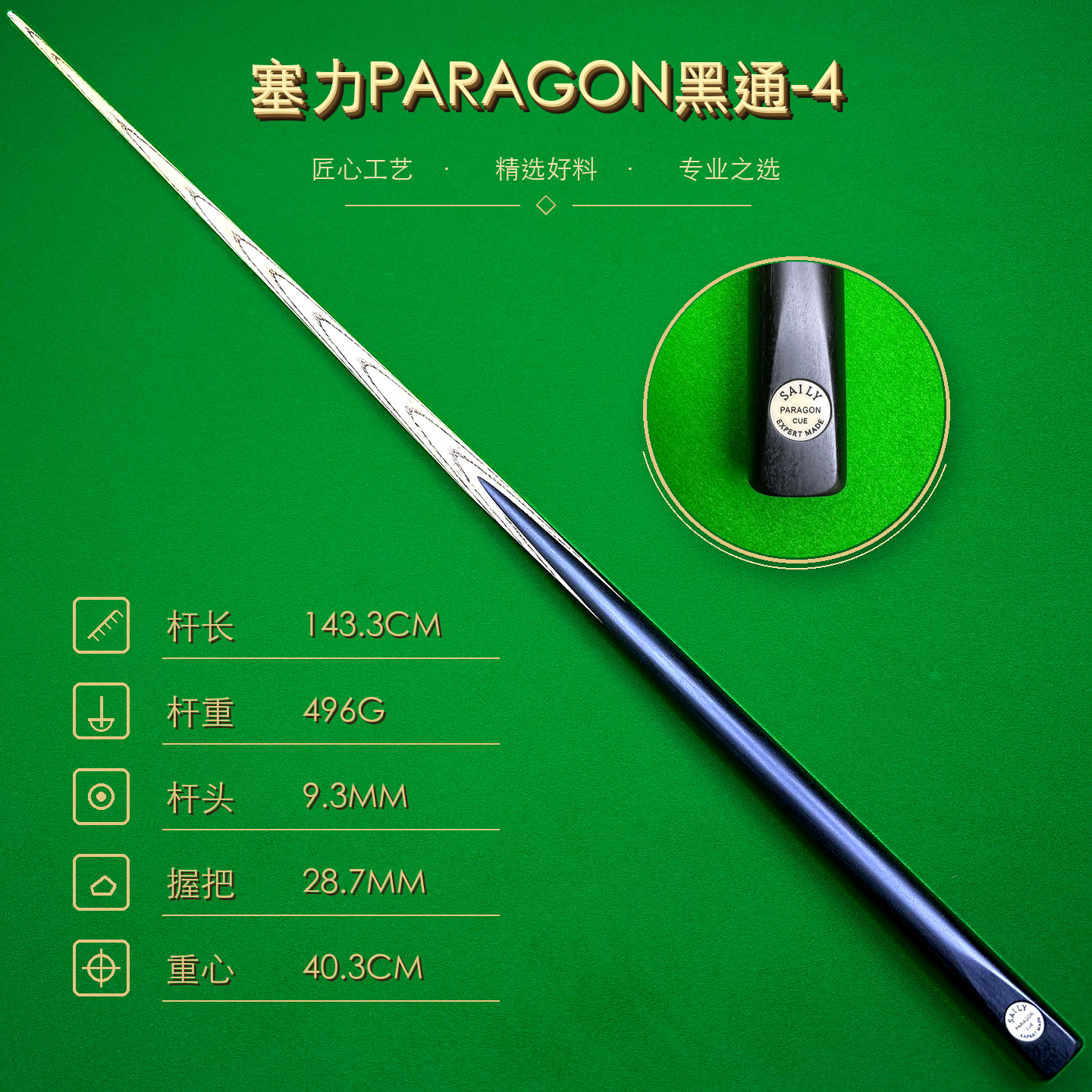
Short answer: a left-handed player does not automatically need a special snooker cue. The better decision is based on the exact cue’s complete playing length and configuration, a comfortable bridge and grip position, weight and balance observed together, component condition, butt and taper, and compatible accessories. Check the seller’s photos and specifications, then compare the cue with one the player already knows.
Handedness is a starting question, not a cue specification
“Snooker cue for left handed player” is a useful search phrase, but it does not describe a single product format. A cue does not become suitable simply because a listing mentions left-handed use, and it is not sensible to reject a cue solely because the listing does not use that label. The relevant evidence is how the complete cue meets the player’s normal address position and routine.
Left- and right-handed players can have different bridge lengths, grip locations, chin clearance, stance widths and ways of walking into a shot. Those are personal setup observations, not universal rules. Start with the snooker cue selection guide, then apply the checklist below to the actual cue and the actual player.
Start with the complete playing setup
Measure and consider the cue as it will actually be used, not only as a shaft or butt in a product photograph. Confirm the assembled playing length and whether the configuration is one-piece, centre-jointed or three-quarter. A joint may help with transport, but the player still needs to evaluate the assembled cue at the table. Use the snooker cue specifications guide to separate stated dimensions from personal fit.
At address, place the bridge hand where the player normally supports the shaft and the grip hand where the player normally holds the butt. The cue should allow a relaxed, repeatable movement without forcing either hand into an unusual location. If the player changes bridge or grip position just to make the cue feel workable, record that as a comparison point rather than calling it a left-handed requirement.
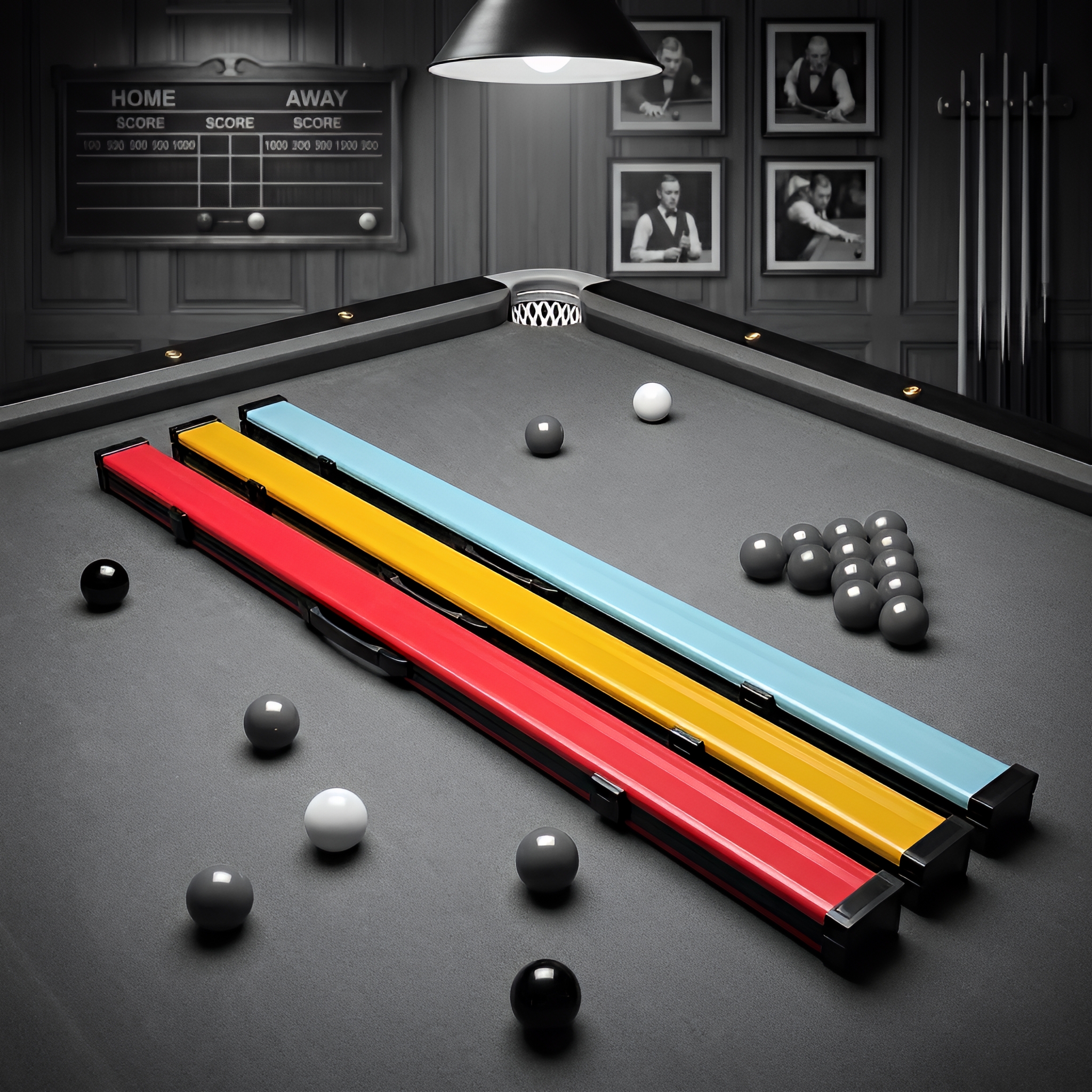
Exact-cue checklist for a left-handed buyer
- Confirm length and configuration.Check the assembled playing length, section layout and joint position. Do not infer length from a cropped image or from a case size.
- Check bridge and grip comfort.Use the player’s ordinary bridge and grip positions. Note clearance, freedom of movement and whether the stance remains natural.
- Observe weight and balance together.Read the stated weight, then note where the cue balances in the playing setup. Do not assume a left-handed player needs a particular weight or balance point.
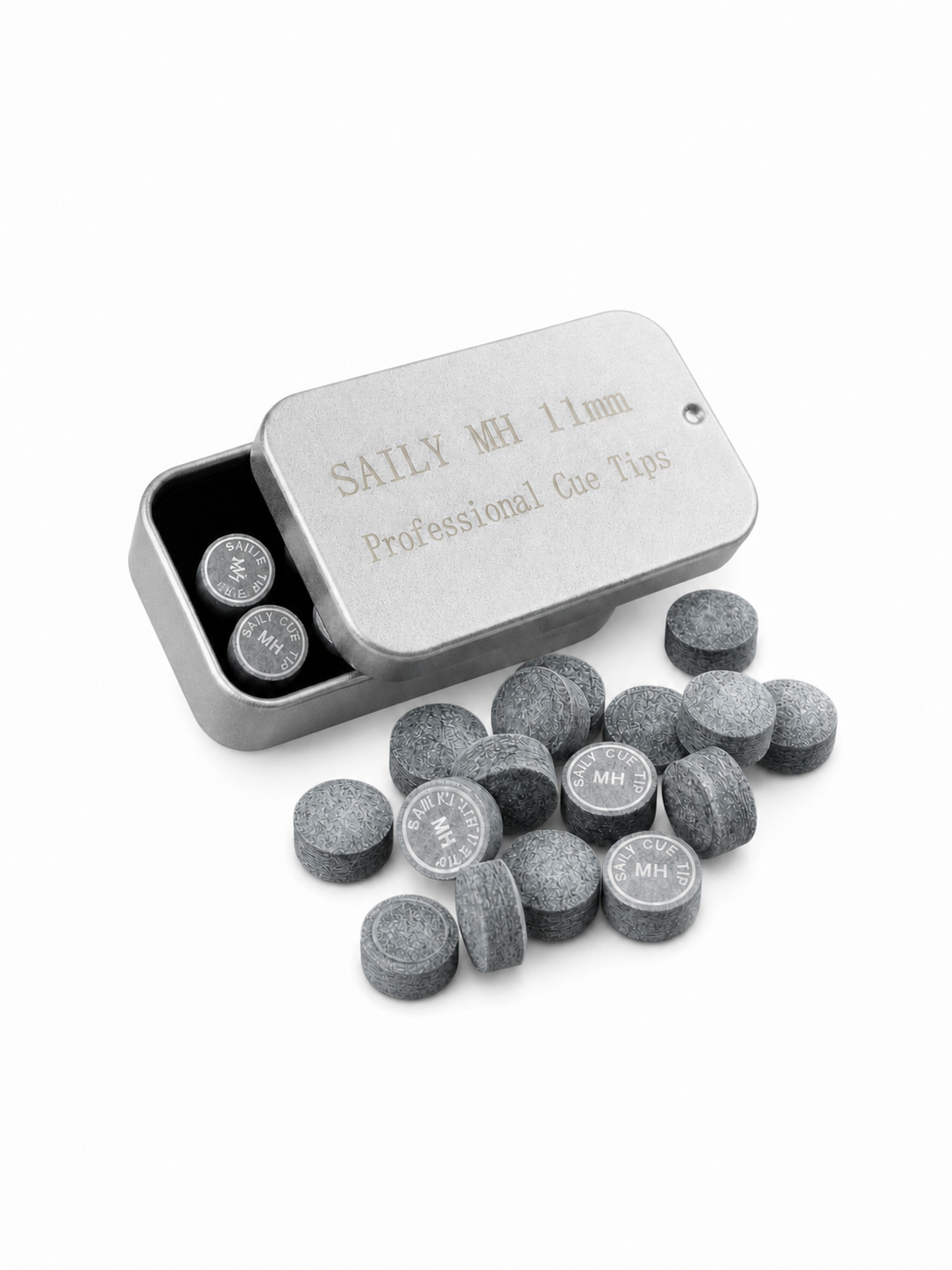
- Inspect tip, ferrule, shaft and joint.Look for a secure-looking tip and ferrule, a shaft without obvious new damage, and a joint that starts and seats normally. Ask for clarification where photographs cannot show condition.
- Review butt size and taper.Check the butt diameter and taper against the player’s grip. The butt-size and grip guide helps turn a general comfort comment into a more precise observation.
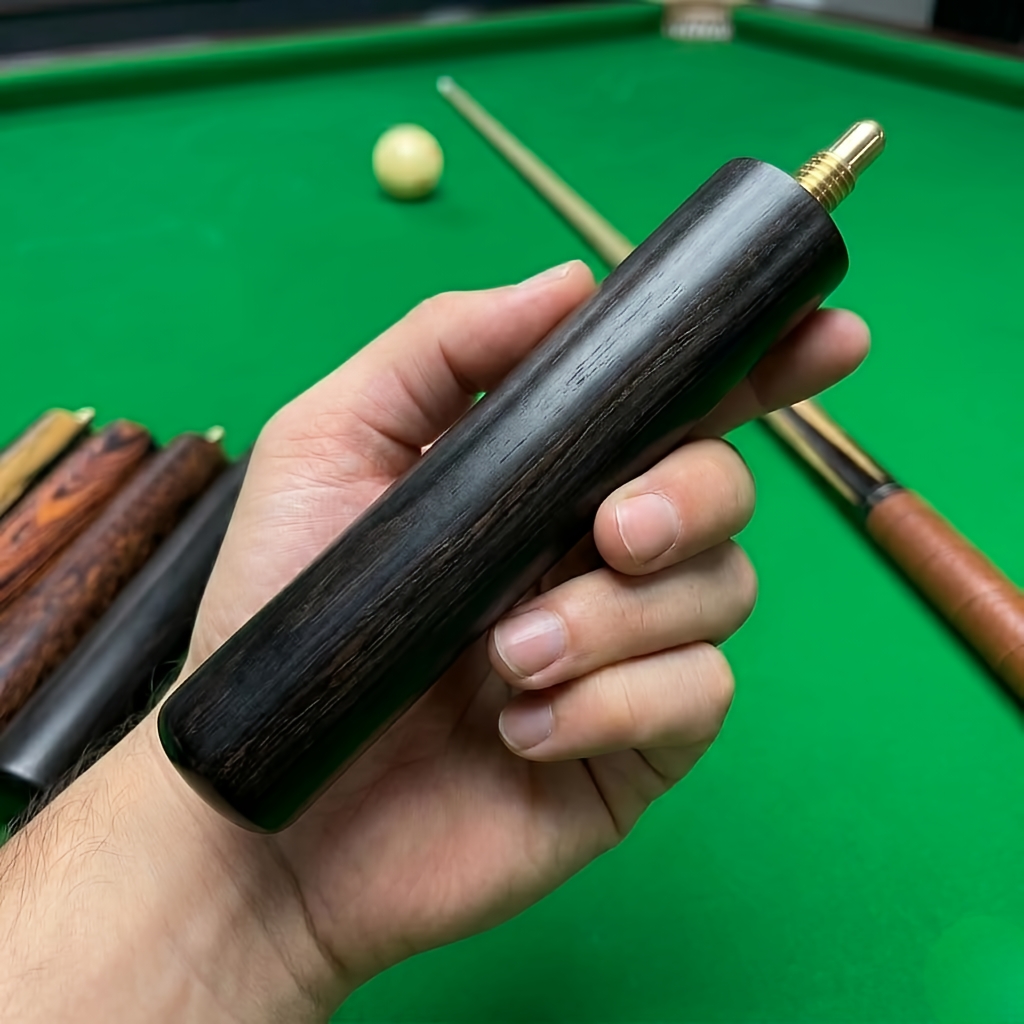
- Confirm extension and case compatibility.Check that the intended extension fits the cue’s connection and that the case accommodates the complete configuration. See the extension guide for that separate decision.
- Read the seller’s evidence.Compare the exact product photos, measurements and written specifications. Do not fill gaps with assumptions about hidden materials, construction or performance.
Use a short familiar-cue comparison
If the player already has a cue, make a simple side-by-side record. Write down the known cue’s assembled length, stated weight if available, balance observation, bridge position, grip position, butt feel, joint configuration and case or extension arrangement. Repeat the same observations with the prospective cue. This is not a promise that matching numbers will produce the same feel; it is a way to identify a clear change.
Keep the comparison short and repeatable: a few address positions and slow practice movements are enough to identify an obvious mismatch. Do not judge a cue from a single difficult shot, and do not treat a different feel as proof of better or worse performance. The cue comparison guide offers a structured way to record differences before a purchase.
If there is no familiar cue, ask the seller for exact photos and specifications and make a written list of what is confirmed, what is unknown and what must be checked on arrival. SAILY CUE’s English cue catalogue provides product listings to review; it does not make a universal left-handed compatibility promise.
Where SIGHTRIGHT fits into left-handed practice
SIGHTRIGHT can be used as a visual setup reference during left-handed practice, but it is not a cue-fitting device and it does not select a cue for the player. The trainer is positioned from the chosen shot direction. The player can use a comfortable walk-in and record their own repeated setup. Read the SIGHTRIGHT guide for left-handed players for that practice context, keeping cue choice and alignment practice as separate questions.
Left-handed snooker cue FAQ
Do left-handed players need a special snooker cue?
Not necessarily. The useful question is whether the exact cue suits the player’s complete playing setup, bridge and grip positions, balance, condition and accessories. Compare those observations rather than assuming handedness alone requires a different cue.
Should a left-handed player choose a different cue weight?
There is no universal left-handed weight. Compare the cue’s stated weight with how it feels through the player’s normal bridge and grip positions, then record balance and weight together. A comfortable observation is more useful than a handedness rule.
Can a left-handed player use a centre-jointed or three-quarter cue?
Joint configuration is a product and transport choice, not a left-handed setting. Check the complete assembled length, joint condition, case and extension compatibility, then choose the configuration that suits the player’s routine and storage.
Does SIGHTRIGHT require a left-handed cue setting?
No. SIGHTRIGHT practice is set from the selected shot direction rather than a cueing-hand label. Use its left-handed practice guide for setup observations, but do not treat the trainer as a cue-fitting or medical device.
SAILY CUE CATALOGUE
Review the exact cue details
Compare documented photos and specifications, then apply the fit checklist to the player’s normal setup.