
SNOOKER CUE · HAND FIT
How to Choose a Snooker Cue Butt Size for Your Grip
Use your real hand space, rear-hand position and cue movement to choose a comfortable butt size, then keep the exact measurement with the rest of the cue record.
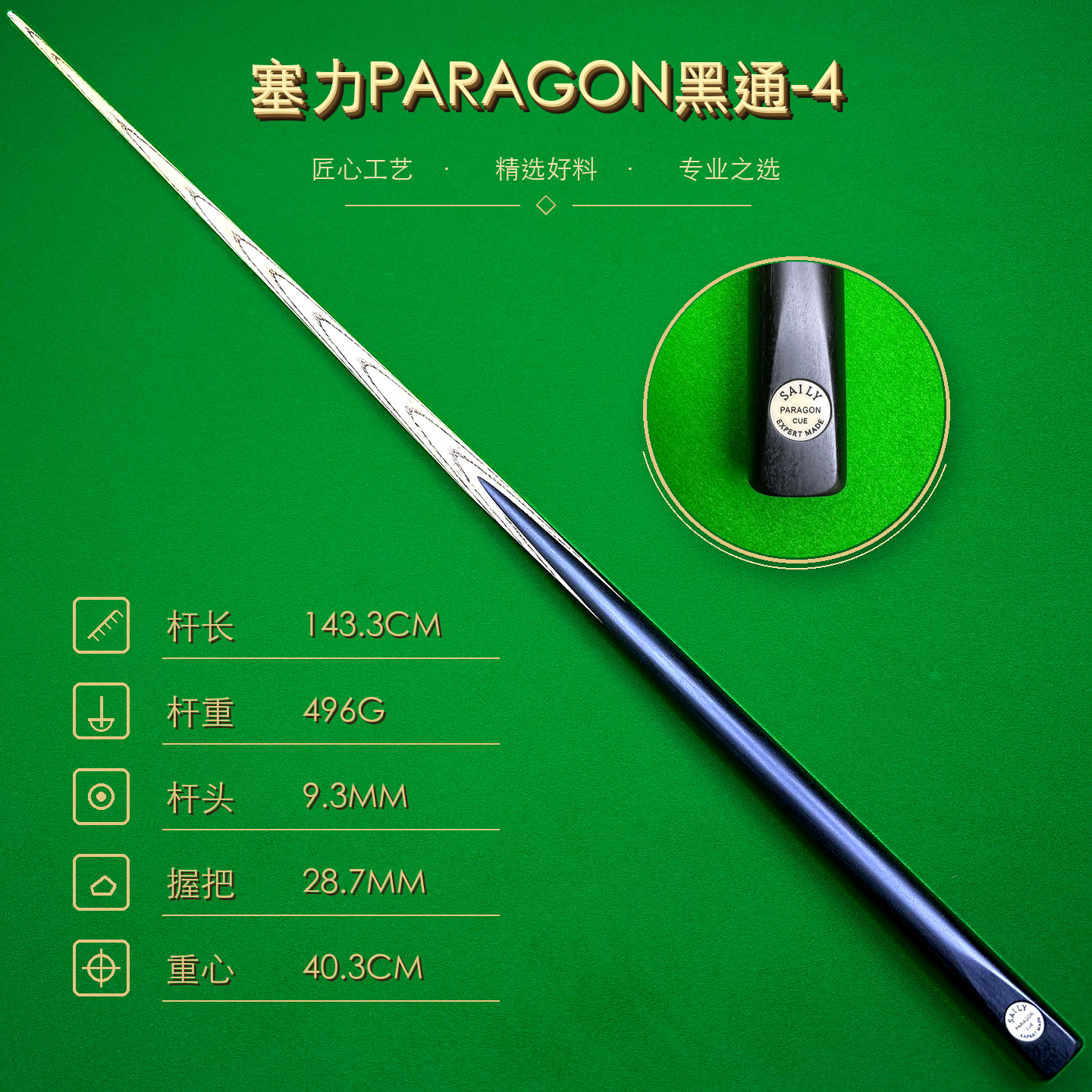
Short answer: there is no universal best snooker cue grip size. Start with a cue you already understand, note where your rear hand rests and how freely the cue passes through it, then compare the same measurement on the exact cue you are considering. Choose the size that supports a relaxed, repeatable setup—not the largest, smallest or most impressive number.
What a snooker cue butt size actually changes
The butt is the thicker end of the cue, and its diameter is one part of how the rear hand meets the cue. A little more or less space can alter how your fingers close, where your palm sits and whether the cue can travel freely during the pause and delivery. It may also change how much sleeve or clothing clearance you feel.
Those are fit observations, not performance promises. Butt diameter does not certify accuracy, build quality or suitability for every player. Length, weight, balance, taper, tip, joint and condition all remain part of the complete cue. Read the snooker cue butt diameter guide alongside the measurement rather than treating a single figure as a buying verdict.
Manufacturers and sellers may measure at different points, and a tapered butt can change diameter along its length. “Grip size” is therefore incomplete unless the location and method are stated. Ask whether the figure is taken at the normal rear-hand position, a fixed distance from the butt end or another named reference.
Start with a cue you already know
Your own playing cue is the most useful baseline. Assemble it in the configuration you normally use, including the joint and any standard accessories that stay on the cue. Put your rear hand in its natural position and notice where the cue sits without forcing the fingers open or squeezing the handle.
- Mark your normal hand position.Use a removable note or measure from the stated butt reference; do not guess from a product photograph.
- Describe the space.Record whether the fingers close comfortably, whether the palm contacts the cue and whether the grip tightens during the final delivery.
- Check cue freedom.Make slow practice movements and note any rubbing against the hand, sleeve or clothing.
- Keep the full record.Write down length, weight, tip, balance and the measurement method with the butt-size observation.
This baseline is personal evidence, not a target that every new cue must match exactly. A different size can be suitable if it still lets you set up naturally and move the cue without a compensating squeeze.
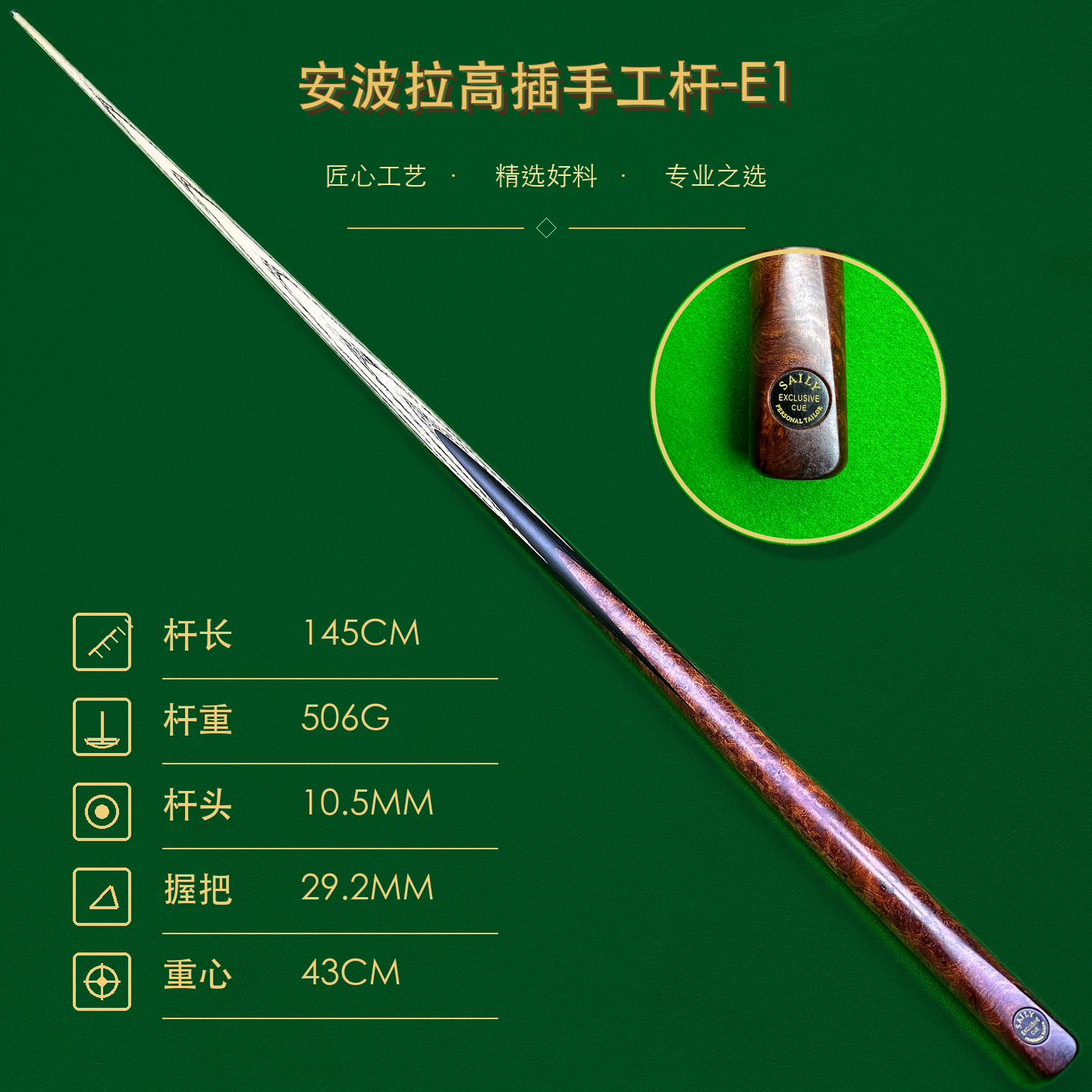
Check hand space, rear-hand position and freedom
Look for a relaxed hold
With the cue level and your normal stance, let the rear hand close around the butt as lightly as practical. The fingers should not need to clamp down to stop the cue moving, and they should not be spread so far that the hand loses a familiar shape. Compare the feeling after several gentle feathers, not only when the cue is held still.
Check where the hand actually lands
A thicker or slimmer butt can tempt you to move the rear hand. That is not automatically a problem, but record the change. If the new position alters your bridge-to-grip relationship, chest clearance or cue delivery, it is a setup difference worth testing. Do not infer that moving the hand forward or back will improve accuracy.
Test clothing and ordinary practice
Wear the clothing you commonly use and try a short, repeatable practice block. Notice whether the butt catches a sleeve, whether your fingers slide into a new position and whether you begin squeezing as the cue accelerates. These observations explain fit better than a bare-hands comparison made for one minute.
When the choice matters, use the same table and short shot list with both cues. The controlled snooker cue comparison guide shows how to separate setup, intended contact, speed and result instead of letting one successful or missed pot decide the question.
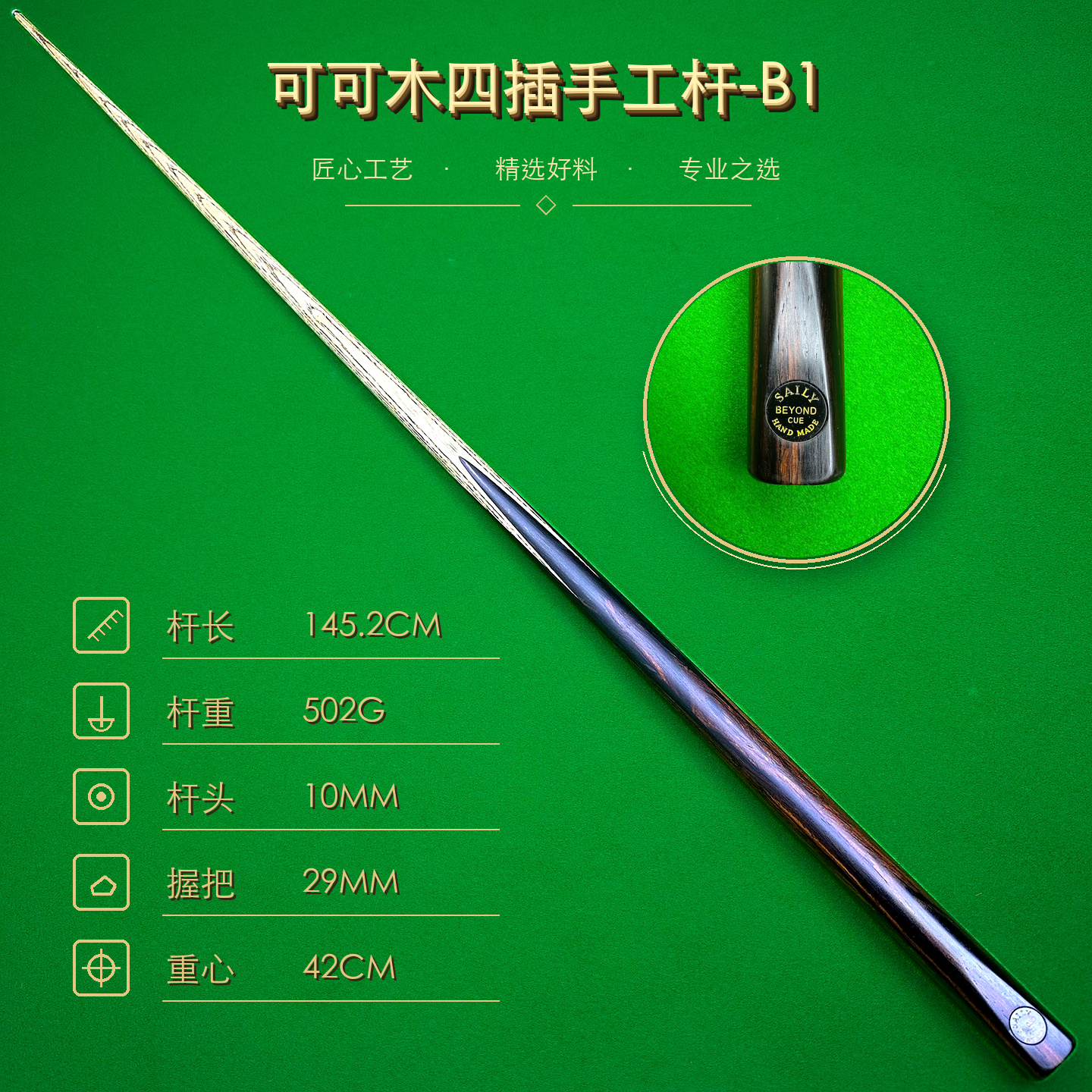
How to read an online butt or grip measurement
Before ordering, ask for the exact cue reference and the point where the butt was measured. Confirm the units, whether the cue was assembled and whether the measurement describes the pictured item. A family name or stock photograph cannot prove that the offered cue has the same dimensions.
Put the result beside your own baseline: “my cue, measured at this point,” and “candidate cue, measured at the same or clearly different point.” Include length, total playing weight, tip size, balance point and condition. The guide to reading snooker cue specifications explains why an unlabelled number is difficult to compare.
Use the SAILY CUE product collection to begin with real photographs and item-level details. If the measurement is unavailable, treat that as missing evidence and ask before assuming the cue will fit. A careful note protects you from comparing a catalog average with an exact cue.
Common snooker cue grip-size mistakes
Choosing by diameter alone
A number cannot describe your hand position, stroke routine or sleeve clearance. Combine it with a physical fit check whenever possible.
Assuming bigger means more stable
A thicker butt may feel fuller to one player and crowded to another. Stability is not guaranteed by diameter.
Changing several variables at once
When length, weight, tip and butt size all change, you cannot fairly attribute a new sensation to one dimension. Keep an exact-cue record and compare deliberately.
The best choice is the documented cue that lets your ordinary setup remain comfortable and repeatable. It is not a promise of higher accuracy or a substitute for practice.
Snooker cue grip-size FAQ
Is there one best snooker cue grip size?
No. A useful butt diameter depends on your hand, preferred rear-hand position, grip pressure, sleeve clearance and the exact cue configuration. Treat a published measurement as a comparison point, not a universal target.
How should a snooker cue feel in the rear hand?
It should leave enough space for a relaxed hold while allowing the cue to move freely through the hand. If you must squeeze, spread your fingers unnaturally or change your stroke to clear clothing, record that as a fit concern.
Can butt diameter make a cue more accurate?
Butt diameter alone cannot guarantee accuracy, quality or performance. It can change how the cue fits your hand and moves through your grip, but aim, delivery, practice and the complete cue setup remain individual factors.
What should I ask about an online cue grip measurement?
Ask for the exact cue reference, the measurement location, units and whether the cue is assembled. Keep the measurement with length, weight, tip, balance and current photographs so you can compare like with like.
SAILY CUE COLLECTION
Compare exact cue records
Review real photographs and documented specifications before deciding which butt and grip fit your setup.