
SNOOKER CUE · FIRST PLAY
How to Prepare a New Snooker Cue Before First Play
Confirm what arrived, preserve its starting condition and build a calm first-session baseline before making any irreversible change.
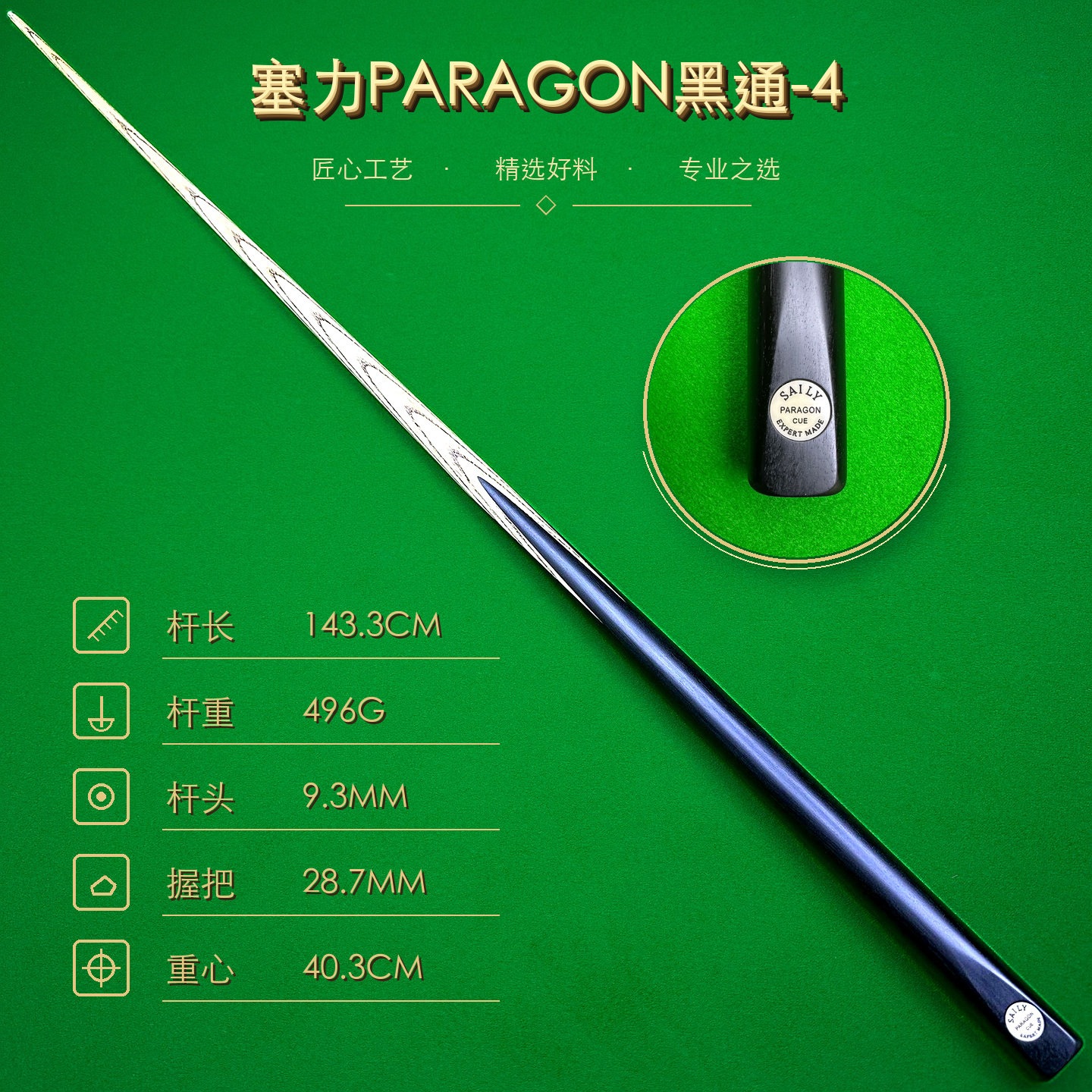
Short answer: confirm that the exact cue, sections and accessories match the order; photograph and inspect the tip, ferrule, shaft, joint and butt; record the supplied measurements; assemble a jointed cue with normal hand pressure only; remove loose dust with a clean dry cloth; and chalk the sound fitted tip lightly. Start with ordinary warm-up shots. Stop for cracks, loose parts, unusual gaps or joint resistance, and do not sand, cut, glue or oil the cue as a routine first step.
Complete the arrival check before preparation
If the cue arrived by post, keep the packaging and photograph the parcel, supports, cue and included items before changing anything. Match the product reference, visible details, one-piece or jointed format, extension and case against the order. Preparation should not erase evidence of a delivery problem.
Inspect in bright diffuse light. Look for impact marks, cracks, loose components, a lifted tip edge, ferrule gaps or damaged joint faces. If anything is missing, mismatched or difficult to assemble, stop before chalking or playing and contact the seller. The after-delivery inspection checklist covers parcel evidence and condition reporting in detail.
Record the new cue’s starting baseline
Save the exact seller photographs and written specification beside your own arrival images. Record the normal playing configuration: overall length, weight, tip diameter, butt diameter and balance point if those measurements are available. State the units and reference points rather than copying an unexplained number.
This record helps you identify the cue later, compare a future service or repair and avoid attributing every unfamiliar feeling to one specification. It also separates measured facts from expectations about quality or performance. Use the snooker cue specifications guide when fields or measurement references are unclear.
Assemble a jointed cue without force
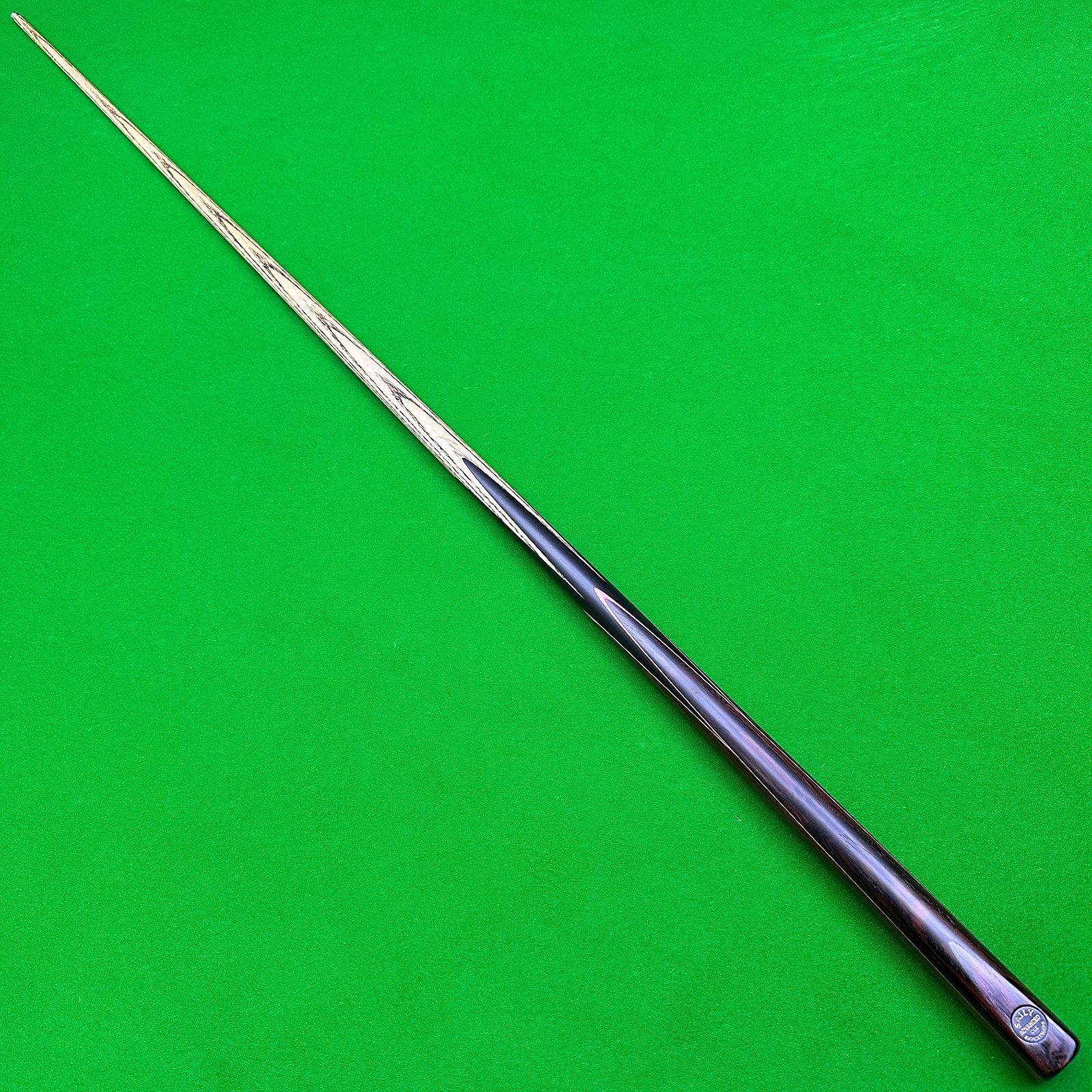
Support both sections close to the joint. Check that the mating faces and threads are clean, align the sections in one line and turn them together with normal hand pressure. Stop if resistance rises unexpectedly, the threads appear crossed, the faces do not meet, or the assembled cue has an unusual gap or movement.
Do not use pliers, lubricant or an improvised tightening tool. A cue that will not assemble gently needs seller or cue-technician advice, not greater force. Follow the jointed cue assembly guide for the full support, alignment and separation sequence. For a one-piece cue, skip assembly and confirm that the case supports the complete length.
Keep first-use cleaning minimal and reversible
Remove only loose packing dust or normal handling marks with a clean, dry, lint-free cloth. Wipe gently along the cue while supporting it. Do not start with household polish, oil, solvent, water, abrasive pads or sandpaper. The exact finish and previous treatment may be unknown, and an irreversible cleaning method can alter the surface or measurements.
A new cue does not automatically require the shaft to be sanded or burnished. If the surface feels unusual, compare it with the seller’s description and ask what finish and care method apply. “New” describes the sale condition; it does not create one universal maintenance procedure.
Inspect the fitted tip before applying chalk
Look at the playing surface, edge and connection to the ferrule. Stop if the tip is loose, deeply cracked, badly chipped or separated from the ferrule. Do not reshape or replace it only because this is the first session. A fitted tip may already have a usable surface, and unnecessary cutting or sanding removes material.
If the visible condition is sound, apply a light, even layer of suitable cue chalk across the playing surface. Avoid grinding the chalk over the ferrule or building a thick ring around the edge. The clean snooker cue chalking routine explains how to cover the tip while limiting loose powder.
Tip shaping, shaft refinishing and joint adjustment are cue-specific jobs. Ask the seller or a qualified cue technician when the exact cue requires work.
Build a conservative first playing session
Begin with several comfortable warm-up strokes and short straight shots at ordinary pace. Then add a simple speed-control task and a few gentle cuts. Avoid using the first hit as a maximum-power test. Listen and feel for a stable joint, secure tip and normal cue movement, but do not turn unfamiliar feedback into a diagnosis.
- Keep the configuration fixed.Use the same cue sections and no optional extension unless it is required for the shot.
- Use familiar shots.A known layout makes it easier to separate the cue record from a difficult playing problem.
- Record neutral observations.Note grip comfort, balance impression, cue freedom and any sound or movement without declaring quality from one shot.
- Stop for a physical concern.Pause if a tip, ferrule or joint loosens, a crack appears, or a gap changes during the session.
There is no universal break-in period and no required number of shots that proves a cue is ready. Familiarity can develop through normal practice, but first-session pot count does not establish quality, value or future accuracy.
Check and store the cue after first play
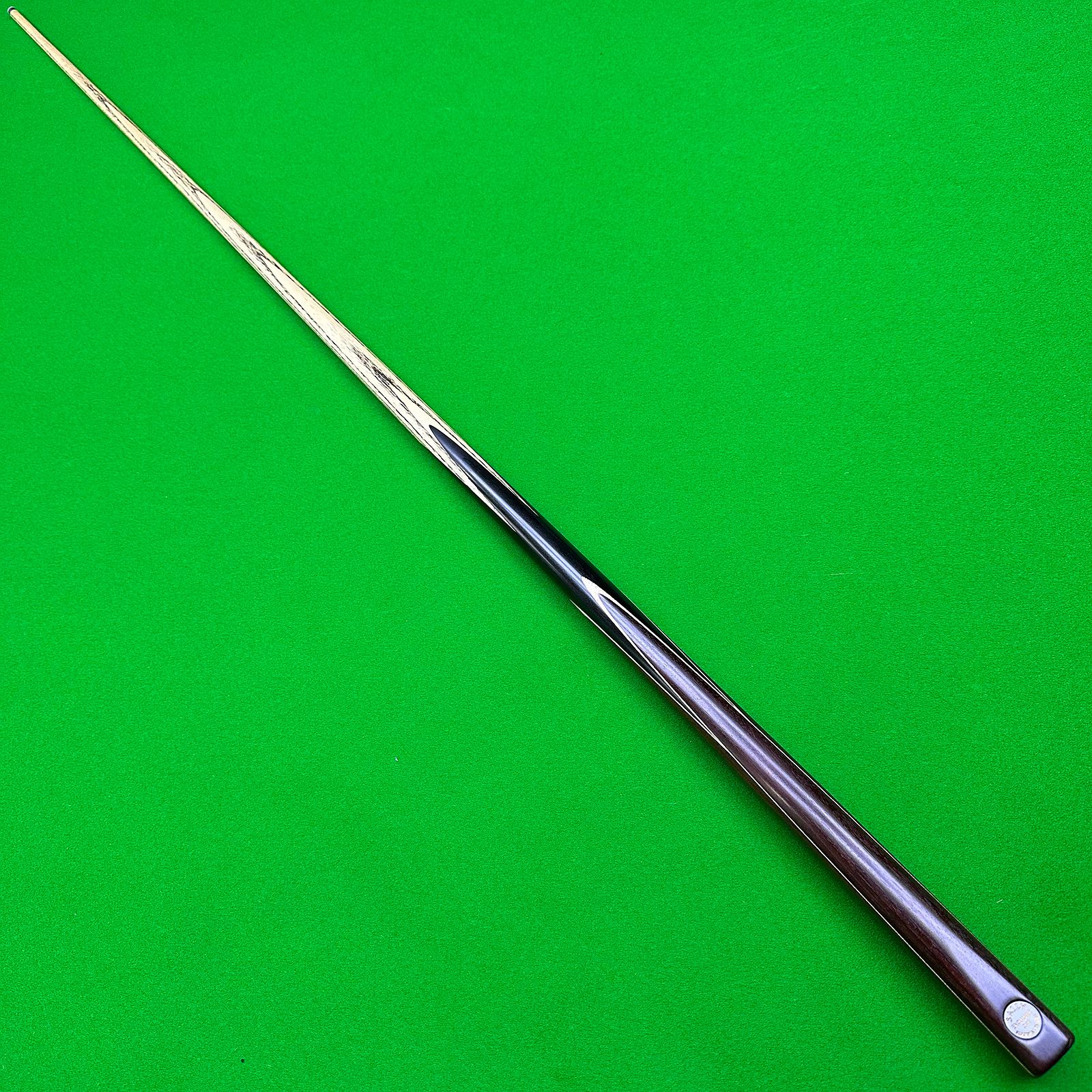
After the session, inspect the tip edge, ferrule boundary and joint again. Wipe loose chalk dust with a clean dry cloth, separate a jointed cue with both sections supported, and place it in a correctly fitting case. Store the case indoors, supported and away from obvious moisture, heat sources and direct sun.
Keep the first-session note with the cue reference. If a physical concern appeared, stop using the cue and send the seller or technician a clear overview and close photograph before attempting repair. For routine storage and transport, follow the snooker cue care checklist.
When comparing available cues, use the SAILY CUE collection to review real photographs and individual measurements. Preparation protects the evidence and gives the player a calm baseline; it cannot guarantee how any cue will feel or perform.
New snooker cue preparation FAQ
Should I sand a new snooker cue shaft before using it?
Not as a default first step. Sanding is irreversible and may change the finish or dimensions. Start with a clean dry cloth only, follow the maker or seller guidance, and ask a cue technician before abrasive work.
Does a new cue tip need to be reshaped immediately?
Not automatically. Inspect the existing surface, edge and attachment first. Avoid cutting, sanding or burnishing merely because the cue is new; ask the seller or a qualified cue technician if the fitted tip appears damaged or unsuitable.
How should I start playing with a new cue?
Begin with comfortable warm-up strokes, short straight shots and gentle speed-control tasks. Record the exact cue configuration and observations without treating the first few pots or misses as a verdict on quality.
Is there a guaranteed break-in period for a snooker cue?
No universal break-in period can be promised. Familiarity may change with normal practice, but materials, construction, condition and player preferences differ. Use a documented baseline instead of inventing a fixed number of hours.
SAILY CUE COLLECTION
Start from the exact cue record
Review real product photographs, individual references and complete measured fields before first play.