
CUE COMPATIBILITY · SNOOKER AND POOL
Can You Use a Snooker Cue for Pool? A Practical Compatibility Checklist
You can often play ordinary pool with a snooker cue, but the useful answer depends on the specific pool code, cue condition, rules and shot demands.
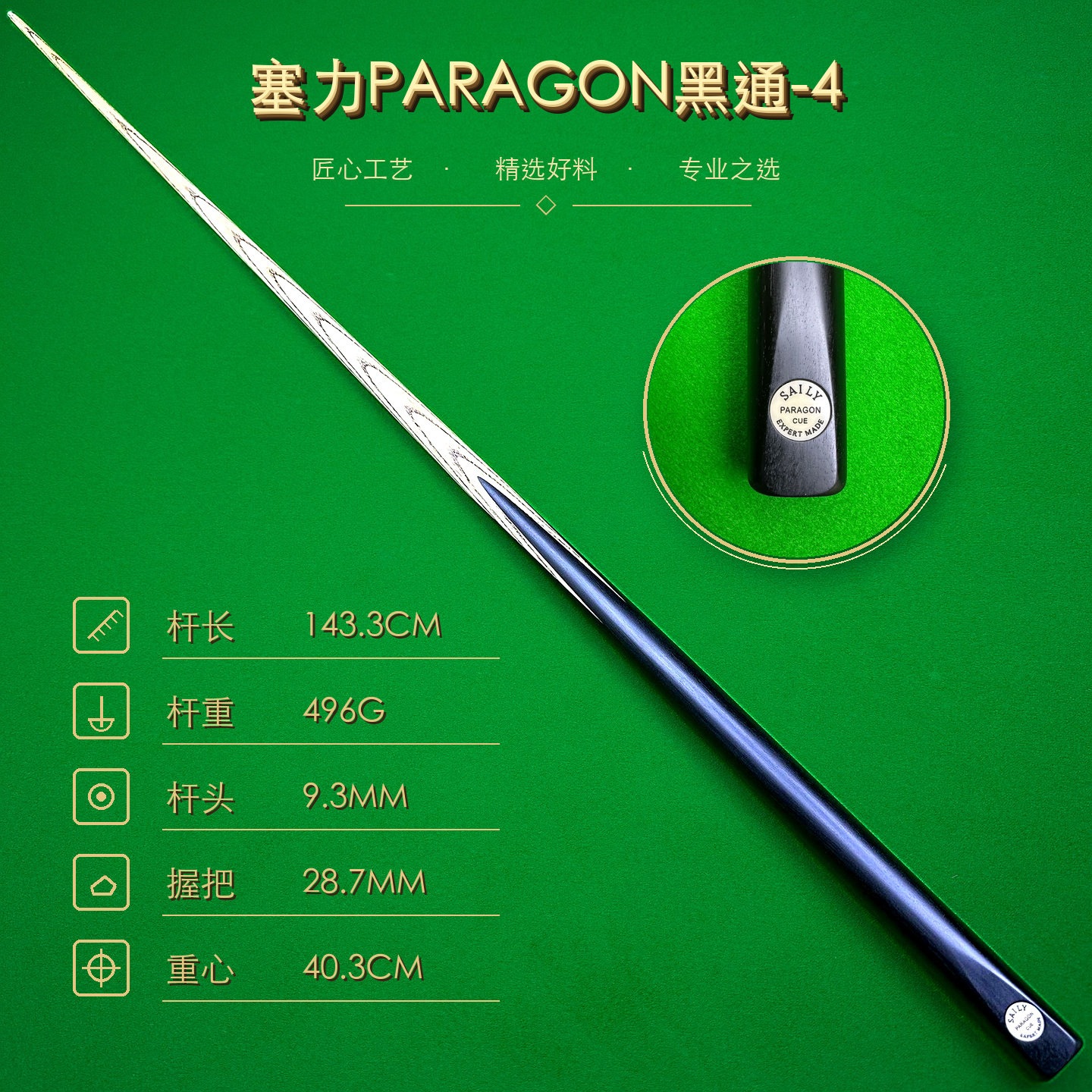
Short answer: a snooker cue can often be used for English pool, American pool or Chinese eight-ball during ordinary play, provided the rules allow it and the individual cue is suitable for the shots being attempted. Do not assume that “snooker cue” guarantees better precision—or that one cue configuration is ideal for every pool discipline.
The practical answer is “yes, with checks”
A cue delivers a controlled strike to the cue ball, so there is no automatic barrier that prevents a snooker cue from being used on a pool table. Many recreational players also prefer using one familiar personal cue instead of changing between house cues. That preference is useful information, but it is not proof of a performance advantage.
The right question is not simply whether the cue is called a snooker cue. Ask whether this specific cue is in sound condition, permitted by the venue or event, comfortable for the player's normal bridge and stance, and appropriate for the planned shot. A normal playing cue should not automatically be treated as a break or jump cue.
A smaller or familiar tip may change what the player sees and feels, but no cue label guarantees accuracy. Aim selection, delivery, contact, speed and table conditions remain separate parts of the shot.
First identify which kind of pool you mean
“Pool” may refer to English pool, American pool, Chinese eight-ball or another local ruleset. Those games do not use identical tables, balls or equipment conventions. A cue that feels familiar in one setting may feel different in another, especially when the shot pace or cue-ball response changes.
Ask the venue or tournament organiser what equipment is allowed before a match. For casual play, begin conservatively and decide from the actual table experience. Do not copy an online tip-size or weight recommendation without checking which pool discipline the writer means.
The SAILY CUE catalogue records individual length, weight, tip diameter, butt diameter and balance point. These measurements help identify the cue being discussed; they do not certify that it is the best choice for every pool table.
Inspect the snooker cue before pool use
- Check the tip.Look for lifting edges, cracks, an uneven surface or obvious damage. Confirm the measured diameter rather than guessing from a photograph.
- Inspect the ferrule and shaft.Pause if you see a split, loose part or new movement. Sight along the shaft and compare several straightness checks instead of trusting one fast roll.
- Check the joint.For a jointed cue, make sure the faces are clean and the connection seats normally by hand. Do not force a tight or damaged joint.
- Record the complete setup.Note the assembled length and weight without a detachable extension unless you intend to use that extension for the same comparison.
- Confirm the shot type.Ordinary controlled shots are a different demand from a forceful break, jump or masse. Check maker guidance and local rules before using a playing cue for specialist shots.
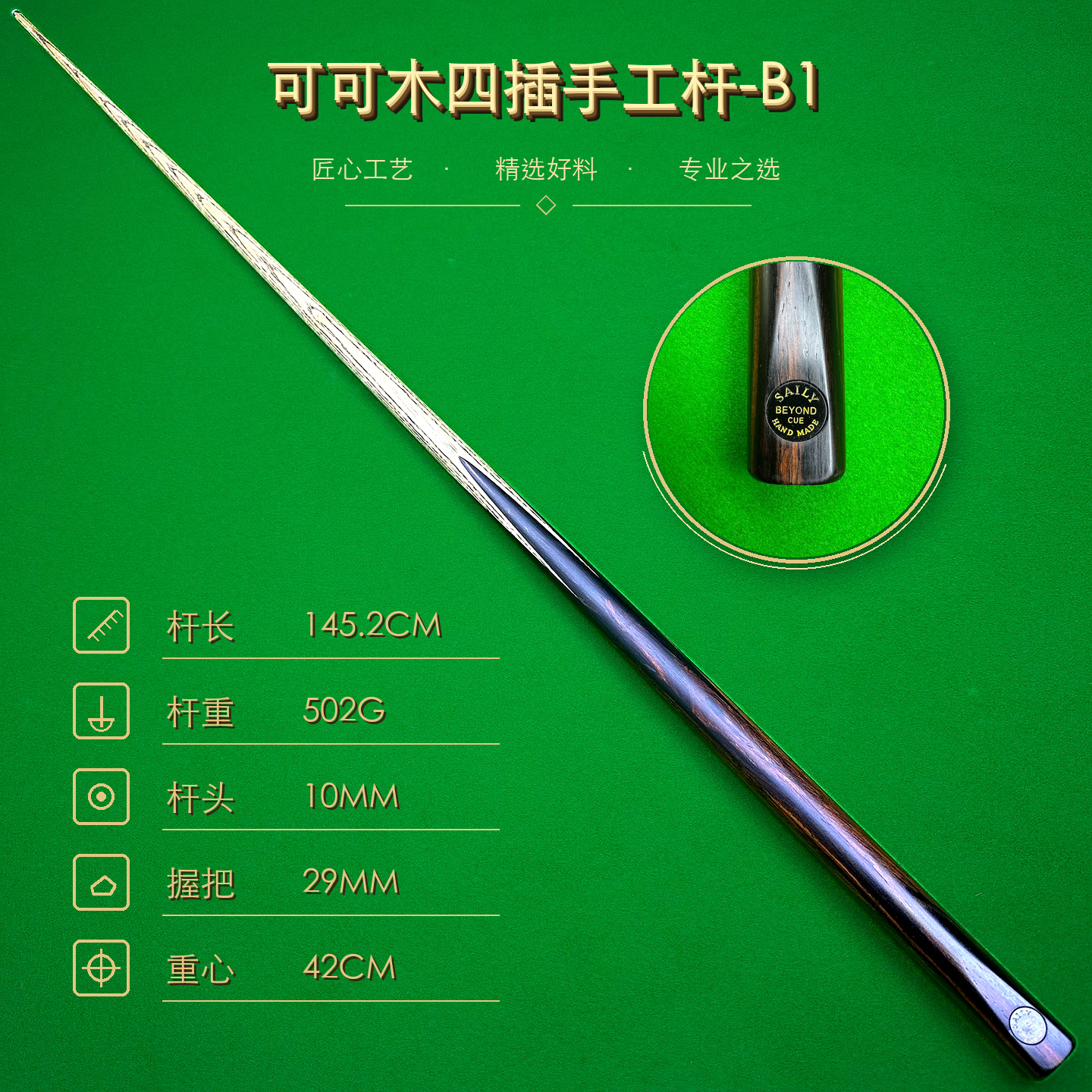
Use the snooker cue tip-size guide when comparing a listed diameter, and the cue-weight guide when you need a repeatable complete playing-weight record.
Run a controlled first table test
Start with ordinary centre-ball shots at a comfortable pace. This gives you time to check bridge clearance, cue length around the table, tip contact and the general feel of the cue without adding break speed or extreme spin. Use the venue's legal equipment and follow its table rules.
Keep the first comparison simple. Use the same cue, same table and same type of shot for a short block, then note comfort and visible cue condition. A good result on one shot does not prove universal compatibility; an unfamiliar result may simply mean the table, balls or cue response needs more adjustment time.
Stop if the tip, ferrule, shaft or joint shows damage or unexpected movement. Clean chalk dust conservatively after the session and return the cue to supported storage. The snooker cue care checklist covers storage, transport and gentle routine inspection.
When keeping your snooker cue may make sense
Keeping the same cue can be practical when you already know its condition and measurements, it fits your pool routine, the rules allow it and you are making ordinary controlled shots. Consistent familiarity may be more useful than changing equipment solely because a label says “pool cue.”
When a separate pool cue deserves consideration
Consider purpose-specific equipment when you regularly play one pool discipline, frequently need a different case or joint format, want a cue specifically supported for breaking or jumping, or cannot get comfortable clearance and contact with the snooker cue. This is a use-case decision, not a claim that either cue type is inherently better.
If you compare another cue, change one documented factor at a time. The snooker cue selection guide explains how to read length, weight, tip size and balance without treating any single number as a quality score.
Questions to ask before buying one cue for both games
Which pool discipline will you play most?
Name the actual game and venue conditions. “Pool” is too broad to support a precise equipment decision.
What are the cue's measured specifications?
Ask for the complete length, playing weight, tip diameter, butt diameter and balance point, together with clear photographs of the actual cue.
What condition evidence is available?
Request straightness views, close photographs of the tip and ferrule, joint images when relevant, repair history and the seller's return terms.
Are specialist shots part of your routine?
Do not assume a normal snooker playing cue is intended for breaks or jumps. Confirm the product's supported use before purchase.
Browse the SAILY CUE collection to compare real product photographs and individual measurements, then contact the seller about any use or construction detail not stated in the listing.
Using a snooker cue for pool FAQ
Can you use a snooker cue for pool?
Often, yes, for ordinary pool play if the venue or competition rules allow it and the cue is in suitable condition. Pool disciplines differ, so check the specific game, balls, table and shot demands rather than assuming one cue is ideal everywhere.
Will a snooker cue improve my pool accuracy?
There is no guarantee. Familiarity with one personal cue may feel more consistent than changing house cues, but aim, delivery, tip contact, speed and table conditions still determine the result.
Should I break with my snooker cue?
Do not assume a normal playing cue is designed for forceful breaks or jump shots. Check the cue maker or seller guidance and the venue rules; use purpose-suitable equipment when those shots are part of the game.
What should I check before using a snooker cue on a pool table?
Inspect the tip, ferrule, shaft, joint and butt; confirm the complete length and weight; make sure the cue is allowed; and begin with controlled centre-ball shots before deciding whether the setup feels suitable.
SAILY CUE COLLECTION
Compare the actual cue, not a generic category
Review real photographs and documented measurements, then confirm suitability for your pool discipline and shot routine.