
SNOOKER CUE CARE · TIP-SIZE CHANGE
Can You Change the Tip Size on a Snooker Cue? What to Check First
A new diameter is an alteration question. Preserve the current cue record before anyone decides whether the requested size is suitable.
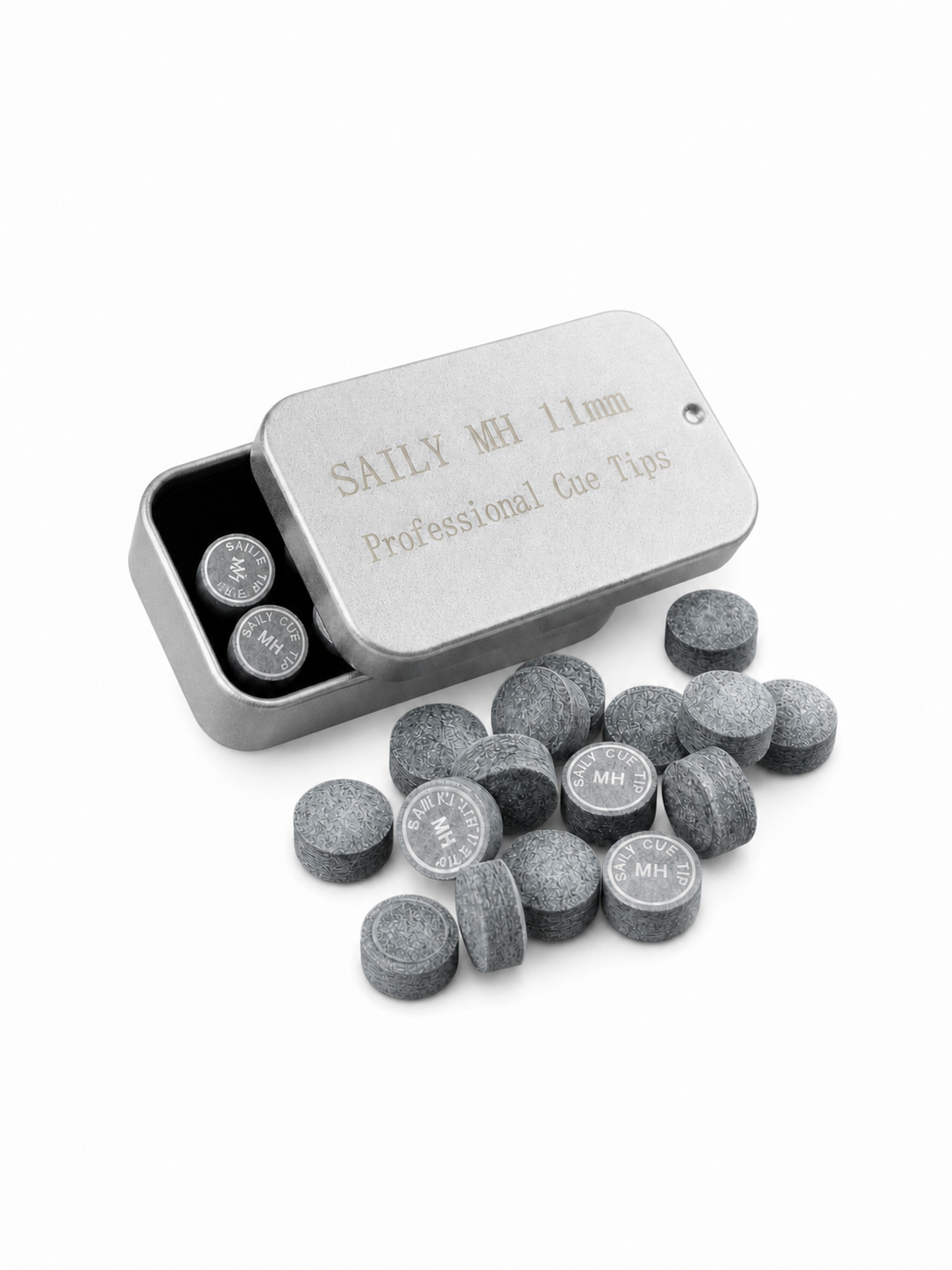
Short answer: a snooker cue can sometimes be fitted with a different tip diameter, but the number alone does not establish compatibility. Record the exact cue, current installed tip, ferrule, shaft end, taper, condition and service history. State the requested new size and why you want it. Then ask the maker or an experienced cue technician to assess the physical cue. Do not treat a tip-size change as a guaranteed route to more spin, a different feel or better accuracy.
Start with an evidence record, not a loose tip
Before changing anything, identify the cue and preserve its current state. Write down the product name or individual reference, whether the cue is one piece or jointed, the shaft being discussed and the date of the record. Photograph the whole cue, the tip from the playing face, the side profile and the tip-to-ferrule boundary.
- Measure the installed tip.Use one consistent widest-point reference and record the unit, condition and date. The snooker cue tip-size guide explains the measurement language.
- Describe the condition.Note a secure edge, wear, compression, glazing, a gap, a crack or any movement without guessing the cause.
- Keep the history.Record known brand, hardness or previous fitting only when documented; mark unknown fields as unknown.
- Protect the original evidence.Do not chalk over a concern, pull the edge or remove material simply to make the proposed size fit.
Check the ferrule, shaft end and surrounding fit
Tip diameter sits at the end of a larger physical system. The ferrule diameter, shaft end, collar, taper and current seating all affect the assessment. A listed “10 mm tip” might describe an installed playing surface, a seller’s rounded label or a loose tip blank. Ask which reference the number uses.
Changing from a smaller to a larger diameter is not the same as placing a new sticker on a fixed surface. The work may involve fitting and shaping decisions that should be made by someone who can inspect the cue. A smaller requested size may also leave a different edge relationship or require more material to be removed. Do not infer the result from a photograph or from the tip number alone.
Use the 9 mm versus 10 mm comparison for buyer-side terminology, but keep its purchase question separate from this alteration decision. Here the question is whether this exact cue can be assessed safely and documented before work begins.
Define what problem the new size is meant to solve
Write one plain-language reason: matching a familiar cue, replacing a damaged tip with a documented size, preserving a current playing setup or responding to a maker’s recommendation. Avoid a vague goal such as “more control.” That phrase mixes tip diameter with hardness, profile, cue delivery and personal preference.
If the current tip is loose, lifting, deeply cracked or missing material, this is first a condition question. Follow the cue-tip inspection guide and the replacement decision guide; do not use a diameter change to hide damage. If the tip is secure but the profile is unfamiliar, record the existing shape and ask whether a conservative maintenance adjustment is possible before requesting a different size.
Compare reversible options before an irreversible change
Ask whether the underlying need can be tested without altering the cue. You may be able to compare a familiar cue, document a different tip product on a separate shaft or discuss a replacement at the same recorded diameter. The point is not to promise an equivalent feel; it is to avoid making one irreversible change carry several unanswered questions.
Keep the complete setup visible in your notes: cue identity, length, weight, balance context, shaft and ferrule details, tip diameter, hardness if known, profile, case and any extension. If several fields change together, a later playing difference cannot be attributed to diameter alone. Do not use one pot, miss or short session as proof of a material or performance verdict.
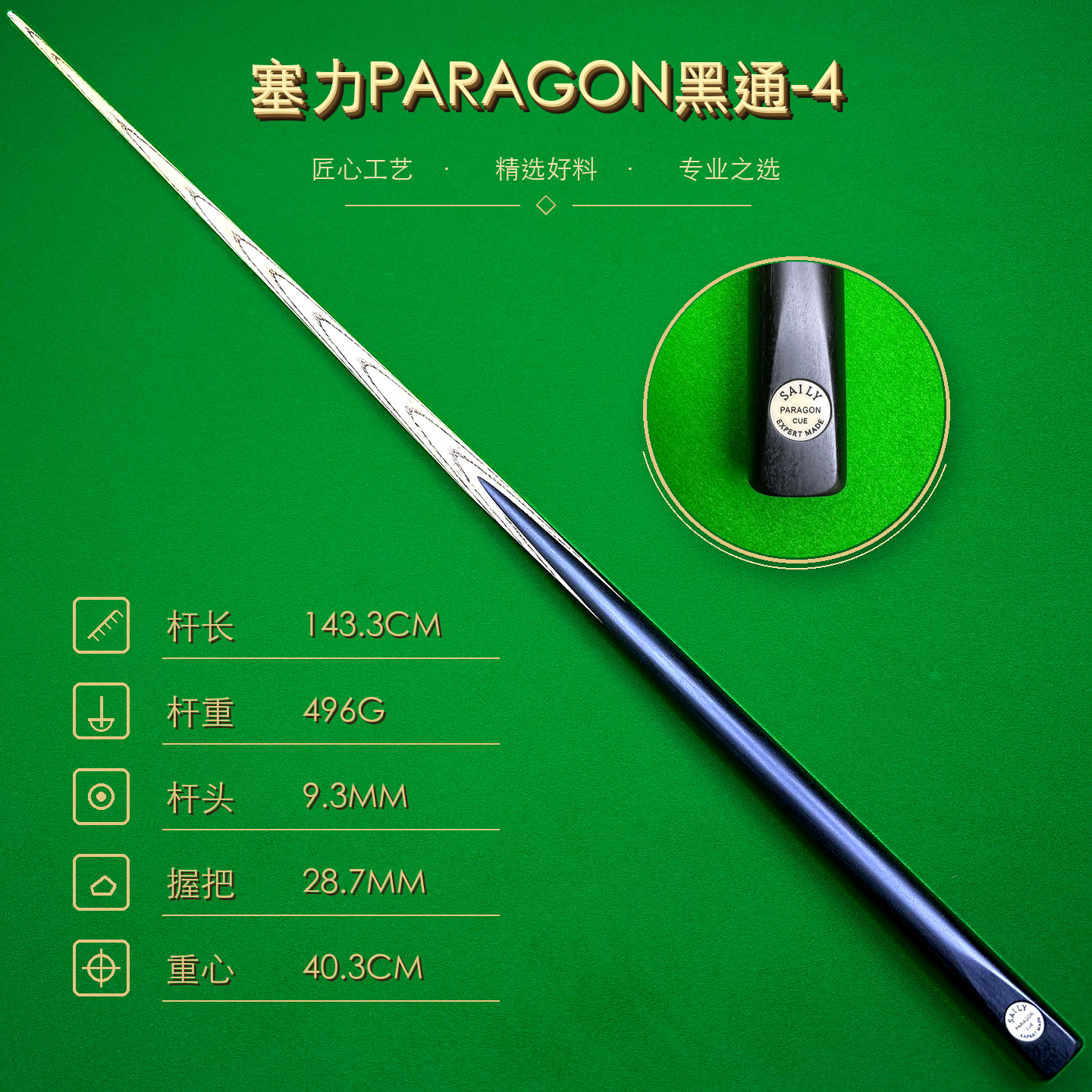
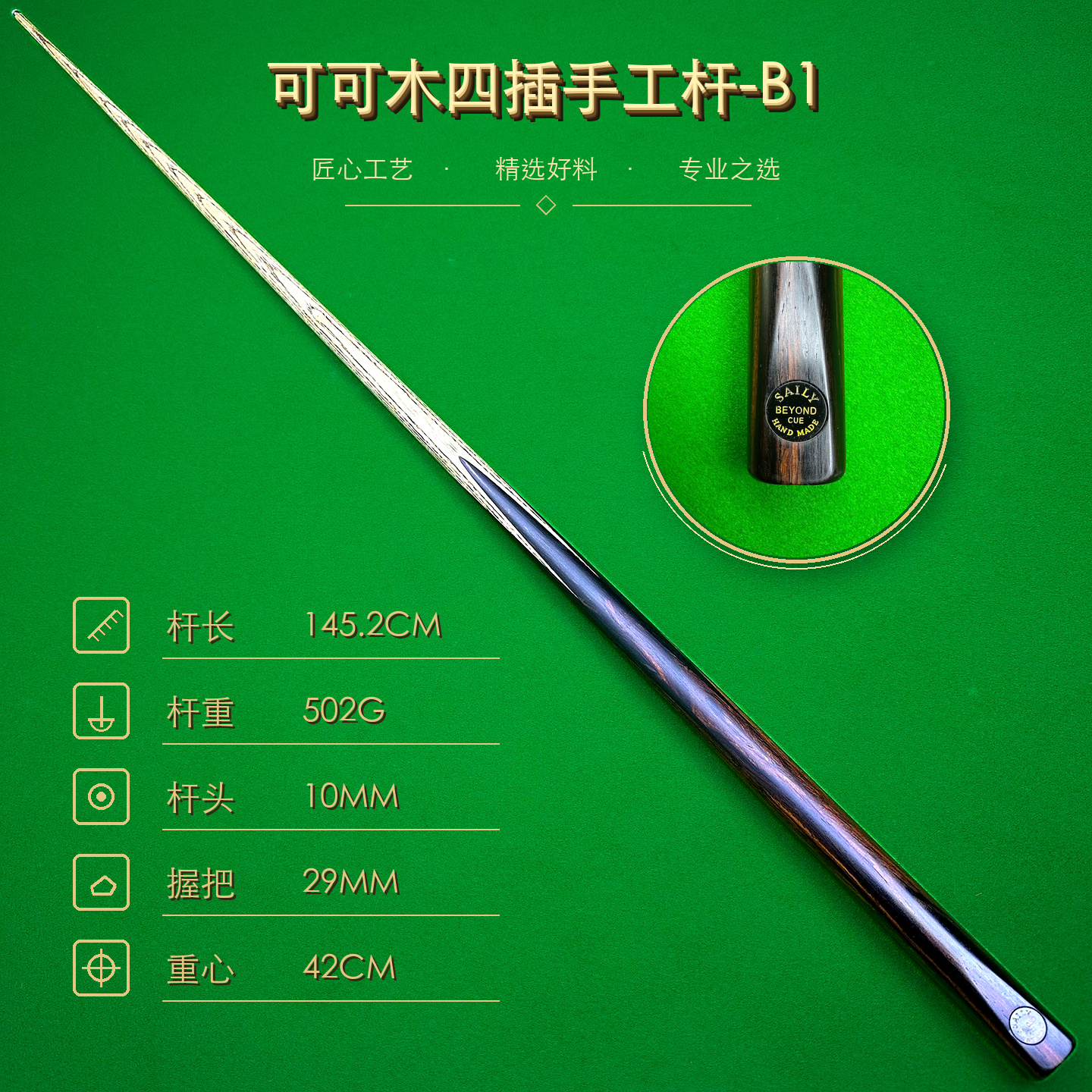
Browse the cue-tip supplies category for real product references and the SAILY CUE catalogue for complete cue photographs. A category image helps you identify an option; it cannot confirm that the option fits your installed ferrule.
Let the maker or technician assess the exact cue
Send the evidence record with the cue reference, current measurements, clear photographs, requested new size and reason for the request. Ask what is known, what still needs inspection and which consequences are possible for the ferrule, shaft end, edge and future records. Keep the wording conditional until the physical cue has been assessed.
Do not cut, sand, drill, heat, pry or glue the tip or ferrule as an experiment. Those actions remove evidence and can turn a question about fit into a repair problem. If the maker or an experienced cue technician says the change is appropriate, keep the before-and-after measurements and installation date with the cue record.
A careful record does not guarantee a playing result. It simply lets you compare the exact cue and the exact work honestly, while preserving a clear stop point when the condition or compatibility is uncertain.
Changing snooker cue tip size FAQ
Can any snooker cue take a larger or smaller tip?
Not automatically. The installed tip works with a particular ferrule, shaft end and existing fit. Ask the cue maker or an experienced cue technician to assess the exact cue before any irreversible work.
Is changing from 9 mm to 10 mm just a replacement?
No. It changes the requested diameter and may require a different fitting assessment. Record the current tip, ferrule and shaft context, then compare the proposed size with the exact cue rather than treating the numbers as interchangeable.
Will a different tip size improve spin or accuracy?
A diameter change cannot guarantee spin, feel, control or accuracy. Those outcomes depend on the complete cue, tip condition, delivery and playing conditions, so keep any comparison evidence separate from performance claims.
Should I remove the old tip before asking for advice?
Usually preserve the current condition first. Photograph the tip, ferrule and shaft, note the measurements and service history, and let the maker or technician decide what inspection or work is appropriate.
SNOOKER CUE SUPPLIES
Document the tip before changing it
Compare real cue-tip references, preserve the exact cue record and ask for cue-specific assessment before alteration.