
SNOOKER CUE CARE · CASE FIT
How to Measure a Snooker Cue for a Cue Case
Record the exact cue and its stored sections before comparing a case’s usable internal length, width and dividers.
Short answer: measure the assembled cue from tip to butt, measure every separated section, and note the joint, protectors and extensions. Compare the longest stored piece and its width with the case’s usable internal dimensions, dividers and end padding. Do not infer fit from an outside case length.
1. Record the exact cue and its normal configuration
A case has to fit a specific cue in a specific stored arrangement. Write down whether yours is one-piece, three-quarter-jointed, centre-jointed or another format. Note the joint position and whether a bumper, joint protector or permanently fitted part changes either end.
First measure the assembled cue in a straight line from the top of the installed tip to the furthest fixed butt end. This gives you a useful reference, but it does not describe how a jointed cue occupies separate compartments. The snooker cue length guide explains the endpoint method and unit conversion.
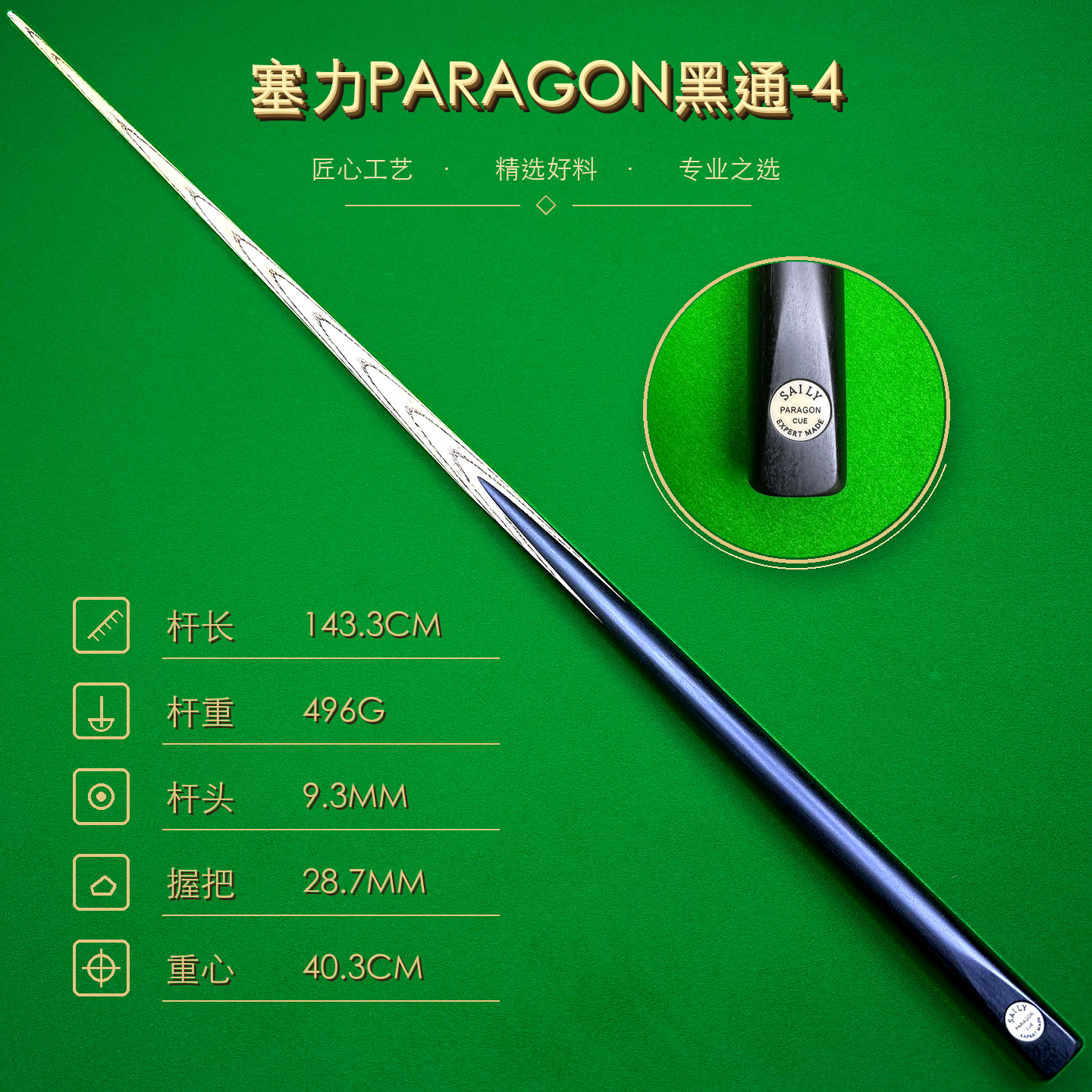
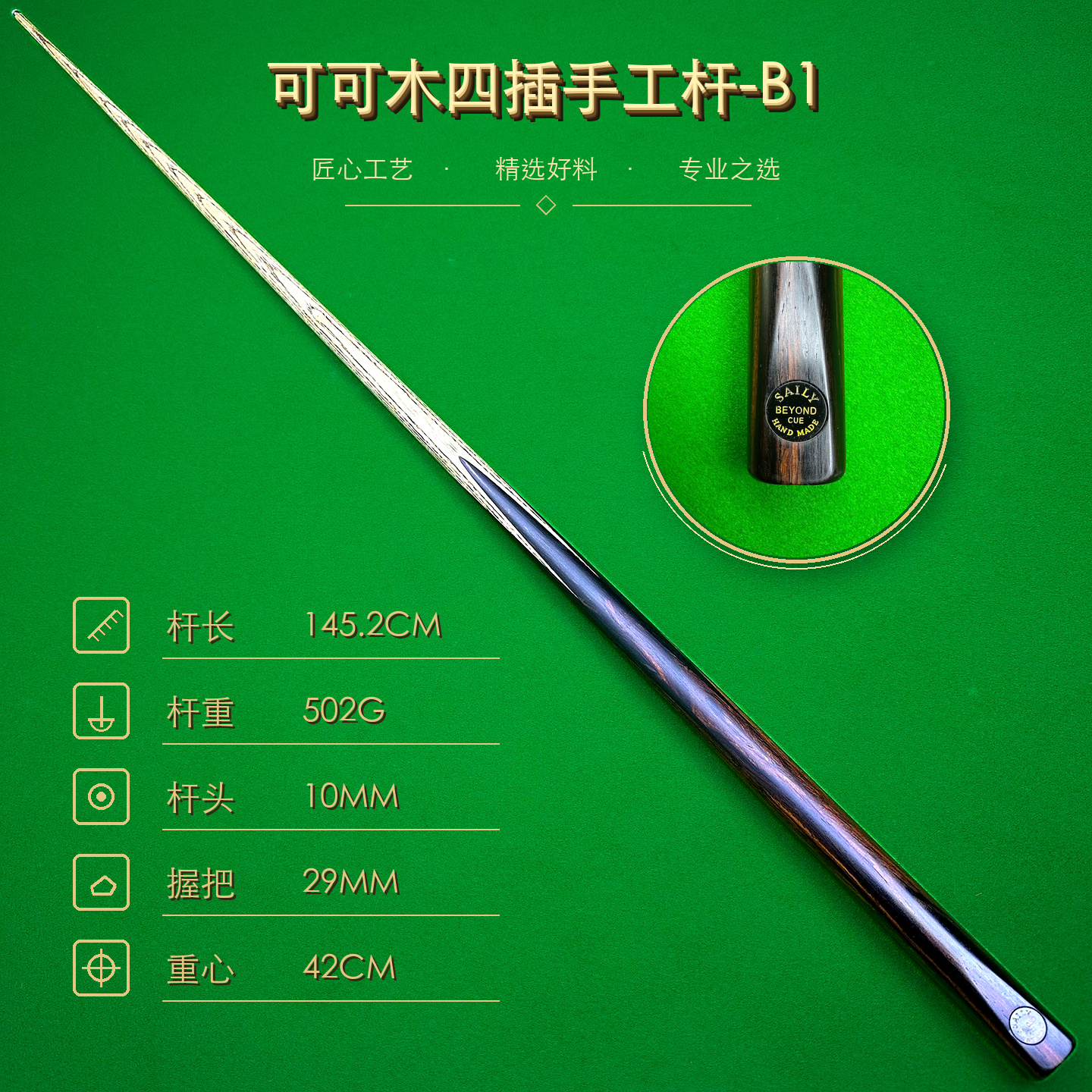
For a reality check, SAILY CUE’s product records list the Paragon Ebony No. 4 at 143.3 cm and the Cocobolo Four-Splice Handmade Cue B1 at 145.2 cm. Those are documented assembled lengths for those individual cues, not a promise that one case fits every cue of the same type.
2. Measure each section that will go inside the case
Separate a jointed cue as you would before storage. Measure the shaft and butt from their furthest fixed ends, and measure any middle or extension piece separately. Keep the measuring points consistent: include a fitted protector only if it stays on that piece in the case, and record it as an accessory when it has its own pocket.
- Support the piece straight.Use a clean, flat surface and a rigid rule or straight tape; do not measure around a curve.
- Write the endpoints.For example, “shaft: ferrule end to joint end” or “butt: joint end to extreme bumper.”
- Record length and widest point.Width matters for channels, sleeves and dividers, especially around the butt and joint.
- Repeat the reading.Take a second reading and keep the original unit instead of adding false precision.
Do not add loose shaft and butt readings to estimate the assembled length: joint components can overlap. Conversely, do not use only the assembled length when shopping for a case. The longest separated section is the first fit check.
3. Compare usable internal dimensions, not the outside
Ask the case seller for the usable internal length of each relevant compartment and how that number is measured. External length includes shell walls, end caps, handles and construction that may not be available to the cue. A printed “57-inch case” label is not enough evidence of fit.
Check internal width at the narrowest point, not just the widest opening. Ask whether the stated width applies to the shaft channel, butt channel and joint area. If the case uses sleeves, foam, clips or shaped dividers, request an open-case photograph and the dimensions with those supports in place.
There is no universal extra allowance that can be safely invented. The cue should insert and remove without scraping, and the closure should operate without pressing the tip, bumper or joint against a hard end. At the same time, too much empty space allows repeated movement during transport.
4. Check dividers, protection and accessories
Map each cue section to a compartment before ordering. Confirm that the shaft, butt and any extension have support at both ends, and that the joint is not forced against a divider or latch. Keep chalk, keys and metal tools in a separate pocket so they cannot rub against the finish.
Match the layout to the way you travel. A local club trip, car journey and checked baggage can expose the case to different handling. Use the snooker cue shipping checklist when a cue will be packed for delivery, and review the full snooker cue case selection guide for protection and capacity decisions.
SAILY CUE’s Cue Cases & Bags category is the place to compare available case and bag options. Confirm the exact model, current availability and stated internal measurements before buying; do not infer compatibility from a product photo alone. The SAILY CUE catalogue can help you return to the relevant cue record.
Case-fit checklist before you order
- Have you recorded the assembled tip-to-butt length and the exact cue format?
- Have you measured every separated section, including the longest piece?
- Have you listed the joint protector, extension and accessories that need space?
- Did the seller provide usable internal length and narrowest internal width?
- Do dividers, end padding and closure support the cue without force or free sliding?
- Have you checked the packed arrangement against the journey and carrier rules?
If one answer is missing, pause the purchase and request the measurement or interior photograph. Exact cue measurements and exact case dimensions are more reliable than assumed tolerances or a generic size name.
Snooker cue case measurement FAQ
Should I measure the assembled cue or the separate pieces?
Do both. Record the assembled tip-to-butt length for reference, then measure every section separately in the way it will sit in the case. The longest stored section controls the minimum usable internal length.
Do I include a joint protector or extension in the measurement?
Record the cue section first, then record the protector or detachable extension as a separate item. Include it only when it remains fitted or needs its own compartment; do not turn an extended configuration into the standard cue length.
How much extra room should a cue case have?
There is no universal clearance number. Ask for the case’s usable internal length and width, how the ends are padded, and where the cue is supported. It should insert and close without force while being held securely rather than sliding freely.
Can I use the outside length printed on a case listing?
Not as a fit guarantee. External length includes the shell, end caps, handles and other construction. Compare your longest stored section with the seller’s stated usable internal dimensions and confirm the exact layout before ordering.
CUE PROTECTION
Compare cases with your measurements ready
Review the available case options, then confirm the exact internal layout and dimensions for your cue.