
SNOOKER CUE BUYING · BACKUP EQUIPMENT
Do You Need a Spare Snooker Cue? A Practical Buying Checklist
Define the backup job, document your main cue and compare exact records before adding another cue to the case.
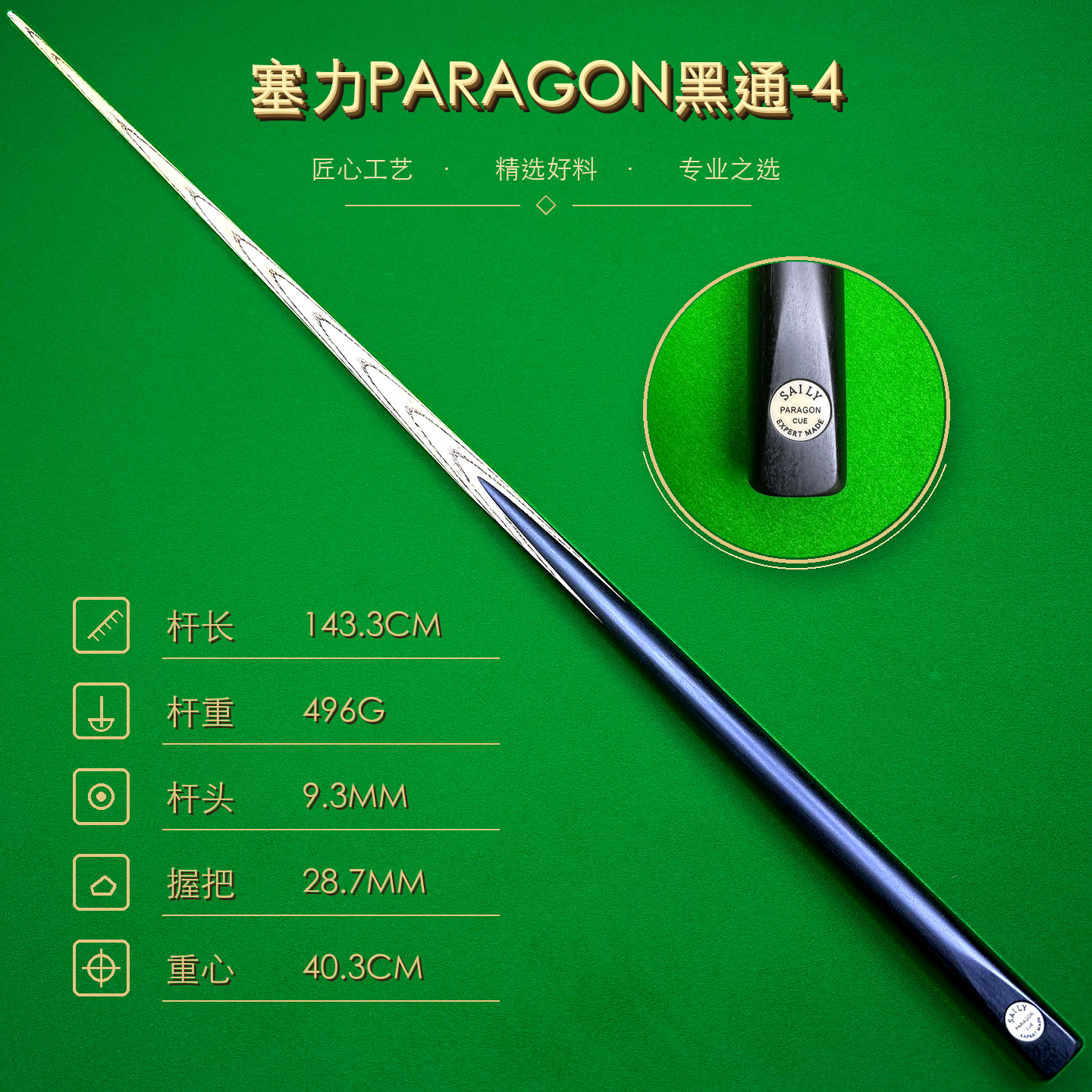
Short answer: not every player needs a spare snooker cue. First define the interruption it should cover—travel, a competition day, repair downtime or shared access. Record your main cue’s exact identity, complete playing configuration, measurements, condition and case arrangement. Compare the proposed spare with equivalent evidence, inspect or request current photographs and test matched short blocks when possible. Buy only if the second cue solves a real problem without creating unacceptable cost, storage or transport compromises.
Start with the reason for a spare cue
A backup can sound reassuring, but “just in case” is not yet a useful specification. Write down the event that would make you reach for it. A player who travels may want a fallback if the main cue cannot be used after transit. A regular competitor may want continuity while a tip, ferrule or joint is being professionally assessed. A club player with reliable access to another suitable cue may decide that a second purchase is unnecessary.
Keep the decision proportional. A spare adds another item to inspect, store, transport and protect. It may require a larger case and a second set of records. It can also remain unfamiliar if it is never used. None of those points proves that a spare is good or bad; they define the ownership cost that belongs beside the purchase price.
Do not buy a second cue to keep playing through suspected damage in the first. Preserve the evidence, stop using a cue with a loose part, crack, abnormal gap or changed joint fit, and ask the maker, seller or an experienced cue technician for cue-specific advice.
Build a complete record of your main cue
The current cue is the only useful baseline if the proposed spare is meant to feel familiar. Record its individual reference or a clear identifying description. Photograph the complete cue and each section. Note whether the playing configuration is one-piece, centre-jointed, three-quarter jointed or another documented format.
- Length.Record the assembled playing length and the length of every separated section.
- Weight.Measure the complete playing configuration and state whether an extension or protector is included.
- Tip and shaft.Record the tip diameter, current tip condition and any stated shaft measurement point.
- Butt and balance.Record the butt reference and balance point with a named end and repeatable method.
- Joint and accessories.Identify the connection, extension interface and the items actually included.
The snooker cue specification guide explains why units, reference points and configuration matter. An unlabelled weight or balance distance cannot support a fair comparison.
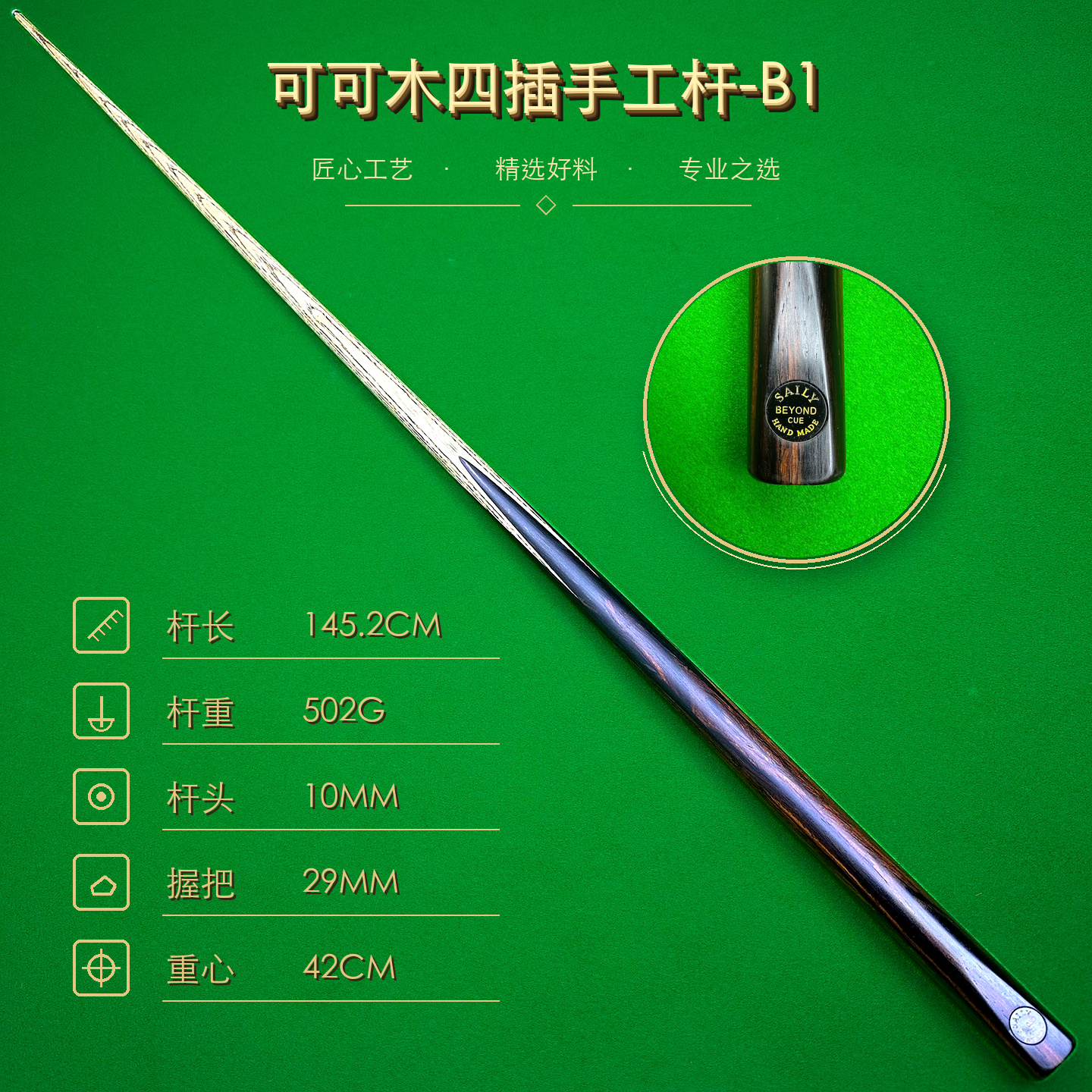
Decide what the spare should match—and what may differ
A spare does not have to be a visual twin. Decide which features protect the role you identified. A competition fallback might prioritise familiar length, complete weight range, butt fit and tip setup. A travel alternative might place more emphasis on joint format, packed section length and case compatibility. These are priorities, not universal rules.
Do not assume that equal total weight means equal handling. Balance point, length, butt diameter, taper, tip and grip position all contribute to the player’s impression. Two cues with similar measurements can still feel different; different numbers do not automatically make one unsuitable.
Write required, preferred and flexible fields. For example, the packed length may be required by the case, while decoration is flexible. This keeps a practical constraint from being confused with a claim about quality or accuracy.
Check the exact cue rather than the listing category
Ask whether current photographs show the exact cue being offered. Confirm the individual reference, current status, price and currency, included sections and accessories, shipping scope and return terms. A series name, timber label or “handmade” description does not prove dimensions, straightness, condition, fit or performance.
Inspect the tip edge, ferrule, shaft, joint faces, butt and finish. Look for cracks, lifted material, new gaps, movement, dents, catches, unexpected colour transfer or signs of earlier repair. When buying remotely, ask for full-length, diffuse-light and close photographs. Use the cue straightness check as one part of the evidence rather than relying on a single roll test.
Do not sand, oil, polish, shape, tighten or otherwise alter either cue just to make the records look closer. Document condition first. If a structural question remains, let an experienced cue technician assess the physical item.
Compare the main and spare in controlled blocks
When both cues can be tested safely, use the controlled A–B cue comparison. Choose a few familiar shots and keep the ball positions, table, lighting, approximate pace, chalk and rest periods consistent. Use short blocks with Cue A followed by Cue B, then reverse the order on another comparable session.
Record setup comfort, bridge and rear-hand room, cue freedom, intended contact, speed response and result separately. One pot does not prove that a cue is suitable, and one miss does not disqualify it. Familiarity will usually favour the established cue at first, so label first impressions honestly.
If remote buying makes a playing test impossible, compare the proposed cue’s current evidence with the measured baseline. State likely differences as questions, not guaranteed feel. No list of measurements can promise accuracy, adaptation time or future results.
Plan the case, storage and travel arrangement
A second cue needs supported space. Measure every section of both cues and the accessories you actually carry, then compare them with the usable internal dimensions and compartment layout of the case. The cue-for-case measurement guide separates assembled length from packed section length.
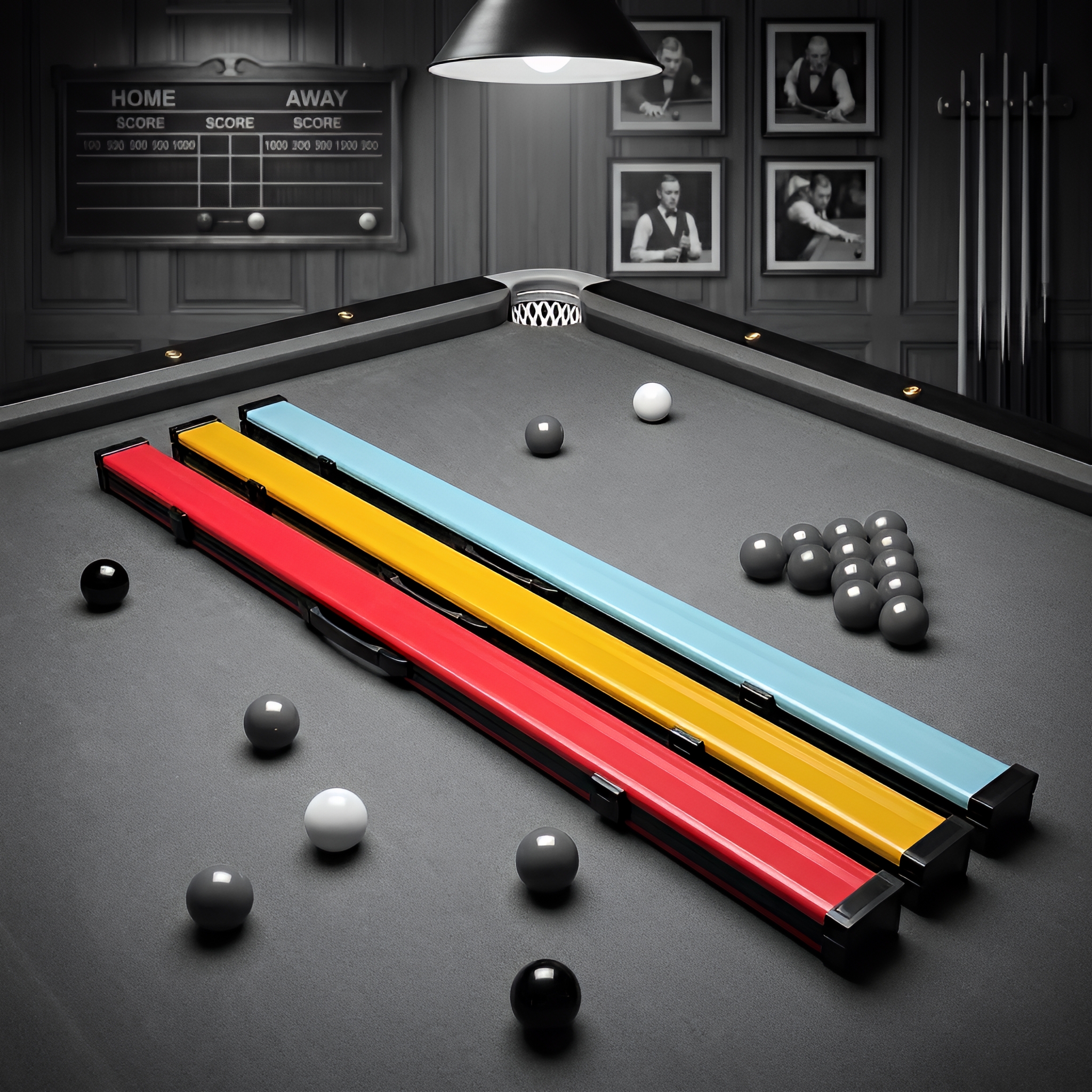
Do not force two sections into one channel or let chalk, tools, keys or extensions move against a shaft. Confirm that latches or zips close without pressure on the cues. Store the case indoors in a dry, stable place away from impact, direct sun, heaters, damp items and vehicle storage. Follow any documented care instructions for the exact cue and case.
Browse cue cases and bags when comparing formats, but verify dimensions and support rather than assuming a “two-cue” label fits every joint arrangement.
Buy a spare only when the record answers the need
Review the original role, exact-cue evidence, comparison notes, case fit, total cost and expected use. A sensible outcome can be “buy this cue,” “keep looking,” “borrow or rent when needed,” or “the current arrangement is enough.” There is no requirement to manufacture a purchase.
If a second cue is justified, keep its photographs, measurements, included items, seller terms and condition notes as a separate record. Practise with it occasionally under ordinary conditions so it is not completely unfamiliar when needed. Inspect both cues before travel and after unusual impact or environmental exposure.
The SAILY CUE catalogue presents real cue photographs, individual references and recorded measurements for comparison. Those facts describe the listed item; they do not guarantee that it will match another cue or improve a player’s results.
Spare snooker cue FAQ
Does every snooker player need a spare cue?
No. A spare may be useful for a player who needs a documented fallback for travel, competition or repair downtime, but it also adds cost, storage and transport. Define the real use before buying.
Should a spare snooker cue match my main cue exactly?
Only if matching is genuinely your priority and the measurements can be verified. Record both exact cues and compare length, complete weight, tip, butt, balance reference, joint format and condition. Similar numbers cannot guarantee identical feel.
Can I buy a cheaper cue as a backup?
Price alone does not show fit, condition, construction or suitability. Confirm the exact item, current photographs, comparable measurements, included parts, seller terms and the role you expect it to perform.
Will two cues fit in the same case?
Do not assume so. Measure each section and accessory, then check the case’s usable internal dimensions, support and compartment layout. A second slot should protect the cues rather than press parts together.
SAILY CUE COLLECTION
Compare exact cue records
Review real photographs and measured details before deciding whether a second cue solves a genuine backup need.