
CUE COMPATIBILITY · POOL AND SNOOKER
Can You Use a Pool Cue for Snooker? A Practical Compatibility Checklist
A pool cue may be usable for ordinary snooker play, but the useful answer depends on the exact cue, local rules, condition and shot demands.
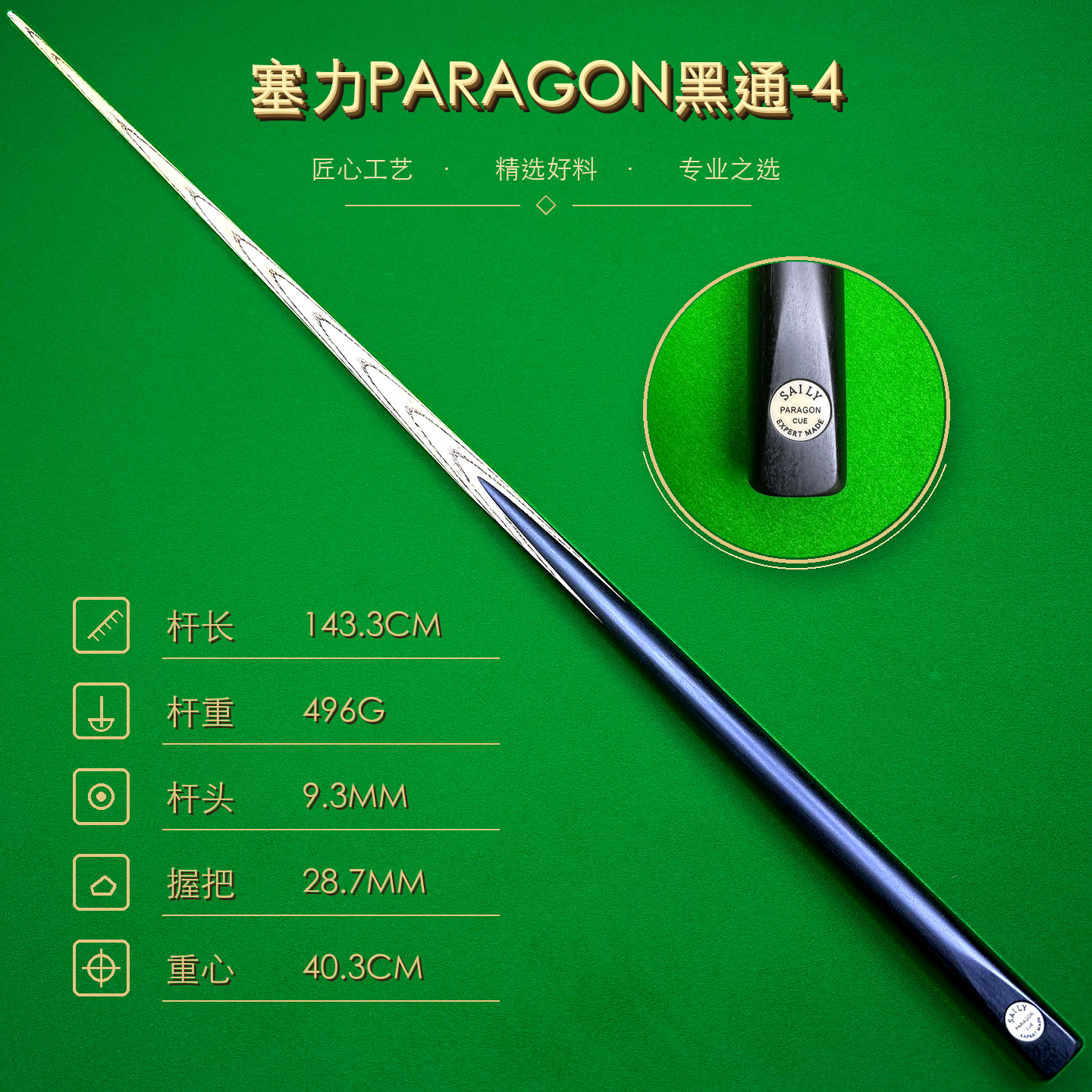
Short answer: you can sometimes use a pool cue for ordinary snooker if the venue allows it and the individual cue is sound, comfortable and appropriate for the shots. Do not assume pool and snooker cues are interchangeable in every match, or that one cue will guarantee better accuracy.
When a pool cue may work for snooker
A cue makes a controlled contact with the cue ball, so its sport label alone does not create an automatic barrier. A player may also prefer a familiar personal cue to an unfamiliar house cue. That preference is useful when choosing equipment, but it is not proof that a pool cue is superior for snooker.
The better question is whether this specific cue is permitted, in good condition and comfortable with your normal snooker stance and bridge. The answer can change with tip condition, shaft shape, joint fit, the table and the type of shot you plan to play.
Start with the snooker rules and venue
Before a league match or tournament, ask the organiser what cues are permitted. “Snooker” may mean a particular competition format, a club session or casual practice, and equipment expectations can differ. Do not arrive assuming that a cue described as a pool cue is accepted everywhere.
For casual play, confirm the house policy and then evaluate the actual table. A snooker table, balls, cloth and pockets create a different playing context from pool. A cue that feels natural on one table may need an adjustment period on another.
Also ask what “ordinary play” means for the session. A friendly frame with controlled pots is a different request from a formal event with equipment checks, or from a practice session involving powerful cue-ball control. The more specific the format and shot demand, the more important it is to confirm the rule and the cue's condition in advance.
If you are borrowing the cue, ask who has maintained the tip and when the shaft, ferrule and joint were last checked. A borrowed cue may have a familiar sport label but an unfamiliar setup. Record any extension or replacement tip before comparing its feel with your usual cue.
The reverse question is also useful: our guide to using a snooker cue for pool explains why the game, rules and shot type matter more than a simple cue label.
Inspect the exact pool cue before use
- Examine the playing end.View the tip from above and from the side. Stop for a lifted edge, cracking, missing material or a shape you cannot identify, and use a stated measurement rather than guessing from scale.
- Follow the shaft to the ferrule.Look for dents, splits, gaps, looseness or movement. A polished surface by itself says nothing about the structure underneath.
- Assemble without force.If the cue has a joint, inspect both mating surfaces first and connect the sections only with the usual light hand pressure. Unexpected resistance or a remaining gap needs attention.
- Identify the tested configuration.Write down the cue reference, assembled sections and any extension so later notes still belong to the same setup.
- Keep specialist use separate.Do not infer that an ordinary pool playing cue is designed for breaking, jumping or masse shots; follow the maker's confirmed use.
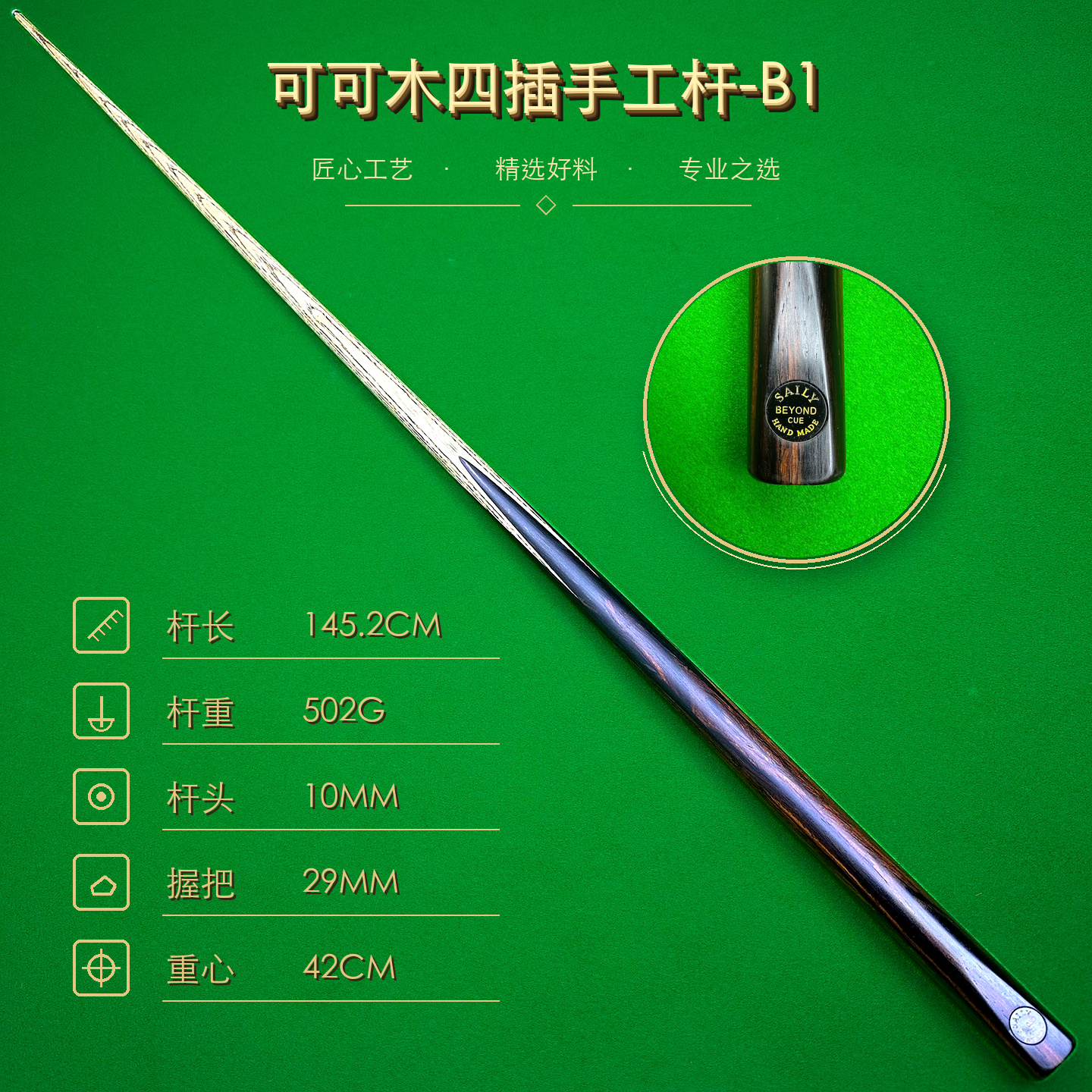
When a listing uses a measurement, read its wording carefully. The snooker cue specification guide helps separate tip diameter, length, weight and other recorded details from assumptions about performance.
Compare tip, shaft feel and comfort
Pool cues can present a different visual and physical setup from the cue a snooker player normally uses. The tip diameter, crown shape, ferrule, shaft taper, butt size and balance all affect what your bridge hand and cueing eye experience. None of these details alone decides whether the cue is suitable.
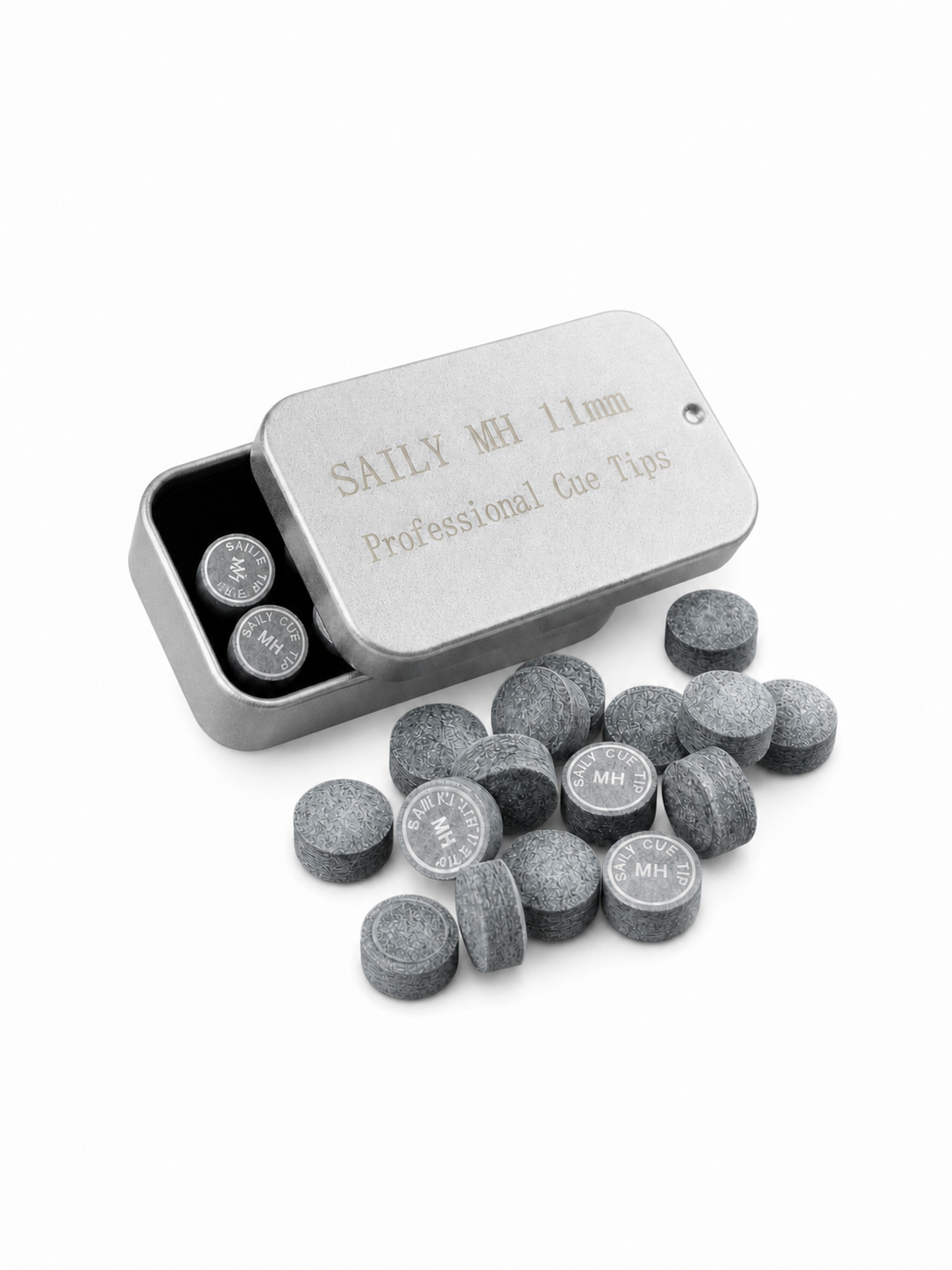
Check the installed tip rather than trusting a generic pool specification. Our snooker cue tip-size guide explains how to read a millimetre measurement and why tip size is not an accuracy promise. If the tip is damaged, stop and seek cue-specific help instead of reshaping it to copy another cue.
Make a few slow practice feathers with dry hands and a stable bridge. Note whether the shaft clears your bridge comfortably, whether the butt feels secure and whether the complete cue encourages a repeatable stance. If the cue catches, rattles or shifts, stop before hitting hard shots.
Comfort is a practical compatibility test, not a cosmetic preference. A cue that changes your bridge clearance or forces an unfamiliar grip can distract you even when every component appears intact. Compare the pool cue with your normal snooker cue using the same relaxed setup, and write down what you notice rather than relying on memory after several frames.
Make the first snooker trial deliberately simple
Choose a short, familiar centre-ball pot and play it gently enough to notice the equipment rather than chase power. Keep the pool cue, table and layout unchanged for a small block. Watch bridge clearance, contact and available cueing room before introducing strong pace or side spin.
Do not turn one successful pot into a universal claim. Table conditions, balls, cloth and the player's delivery all affect the result. If the cue feels unfamiliar, give yourself time to adjust; if the equipment is uncomfortable or damaged, choose a suitable cue instead.
After play, remove loose chalk with a clean dry cloth and store the cue safely. Browse the SAILY CUE catalogue when you need real product photographs and individual specifications for a documented cue comparison.
Pool cue for snooker FAQ
Can you use a pool cue for snooker?
Sometimes, for ordinary casual play, if the venue or competition rules allow it and the individual cue is in suitable condition. Pool and snooker use different tables, balls and shot conventions, so a pool cue is not automatically the right choice for every snooker setting.
Will a pool cue make snooker shots more accurate?
There is no universal accuracy guarantee. A familiar cue may feel more consistent than a house cue, but aim, delivery, contact, speed, table conditions and practice still determine the result.
What should I inspect before using a pool cue on a snooker table?
Check the tip, ferrule, shaft, joint and butt, then confirm the complete assembled setup feels secure. Check the venue rules and begin with controlled centre-ball shots rather than a forceful or unusual shot.
Can I use a pool cue for a snooker match?
Only if the relevant rules and organiser permit that cue. Ask before the match, because equipment requirements can vary by snooker format, venue and event.
SAILY CUE COLLECTION
Compare documented cue configurations
Use real photographs and individual specifications as a starting point, then confirm rules and evaluate the exact cue in your playing context.