
SNOOKER CUE SHAFT · MATERIAL COMPARISON
Ash vs Maple Snooker Cue Shafts: What Should You Compare?
Treat ash and maple as verified material labels, then compare the complete physical cues instead of assigning performance from a wood name.

Short answer: neither “ash” nor “maple” makes a snooker cue universally better. First confirm that the seller’s material wording applies to the shaft of the exact cue. Then compare real photographs, shaft diameter and taper references, complete length, weight, balance point, tip, joint or construction, current condition and playing configuration. If you can try both cues, use the same simple shot block and record comfort, cue freedom, contact and outcome separately. A wood name or one successful shot cannot guarantee feel, quality, durability or accuracy.
Verify what “ash” or “maple” describes
A cue listing can mention more than one material. The title may refer to a shaft, butt, splice, decorative section or a catalogue series, and a familiar word should not be silently reassigned to another part. Ask the seller to connect the material statement to the exact product code, current photographs and physical section of the cue.
SAILY CUE’s record for SAILY Maple Bozi Cue 1 lists Maple as the material and keeps that label beside the individual code, real gallery and measured specifications. That is evidence for this product record; it is not proof about a different cue that merely looks similar.
The snooker cue wood-types guide explains how material, construction and series labels answer different questions. Preserve the seller’s original wording, especially when a translated title combines several terms. If the scope of the label is unclear, keep the uncertainty visible instead of guessing.
Use photographs for identity, not species certification
Clear photographs can help match the offered cue across a full-length view, shaft close-up, joint, butt and parameter image. They can also show visible surface pattern, colour, finish reflections and local condition under the lighting used. Those observations are valuable when they remain descriptive.
A photograph cannot certify wood species by appearance alone. White balance, exposure, glare, screen settings and surface treatment can change how the shaft looks. A visible line also does not prove straightness, grain quality or internal structure. The snooker cue grain guide gives a photo checklist and explains why material identity and straightness require separate evidence.
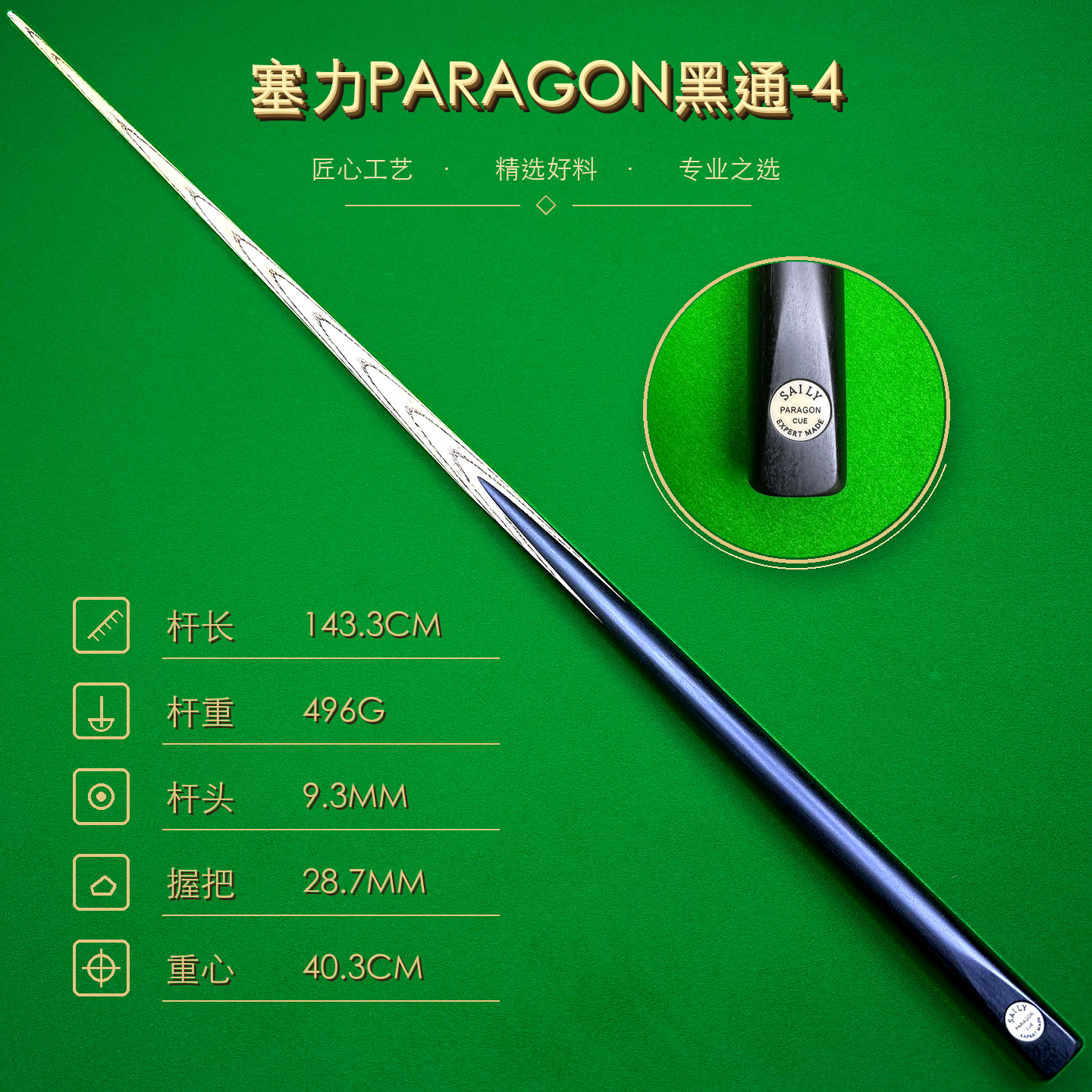
Ask for current images of the exact cue rather than a family photograph. Match small visible details across views and request a second angle when glare covers the surface. Do not convert “straighter-looking grain,” “cleaner colour” or “fewer visible lines” into a claim that one material plays better.
Normalize the specifications before comparing shafts
An ash-versus-maple comparison is not controlled when the cues also differ substantially in tip, shaft diameter, taper, assembled length, weight, balance, butt size, joint format or extension configuration. Record the full playing setup for each cue, including every fitted section that contributes to the measured result.
Use the cue specification guide to keep units and measurement references consistent. A figure such as shaft diameter is meaningful only when both listings explain where and how it was measured. Likewise, a balance point must stay attached to the complete configuration used for that measurement.

Separate material choice from condition and care
A clean, stable cue and a cue with residue, a raised fibre, dent, finish change or previous repair are not equivalent comparison samples, regardless of their material labels. Inspect each shaft in diffuse light, note whether a clean dry cloth catches and preserve photographs of any concern before cleaning, oiling, sanding or other alteration.
Ask what products or work have already been applied and whether the cue has a repair history. Do not assume that a different colour or shine is a natural material feature. If there is a crack, splinter, movement, rough area or unexplained change, pause the playing comparison and ask the maker, seller or an experienced cue technician to assess the exact cue.
Condition can also affect how the bridge hand experiences a shaft. That does not justify a universal claim about ash or maple. Keep the observation attached to the individual cue: “this recorded shaft felt clean and free in this session” is useful; “maple is always smoother” is not supported by one example.
Run a controlled A–B playing comparison
If both cues are available and safe to use, begin with a familiar cue and one short, comfortable block. Record the table, balls, shot positions and complete cue configuration. Use centre-ball shots at an ordinary pace before adding any modest variation.
- Inspect both cues.Confirm identity, assembly, tip and condition before chalking.
- Keep the layout fixed.Use the same table, direction, distance and broad pace intention.
- Change the cue only.Do not also change bridge length, tip contact, chalk or shot difficulty.
- Record separate observations.Note grip and bridge freedom, cue travel, intended contact and result in different fields.
- Repeat on another day.A second short block is more useful than a long, fatiguing verdict session.
The controlled cue comparison guide provides a complete A–B sequence. Do not declare a material winner from one pot, one miss or a first impression. Player preference can be genuine without becoming a universal performance fact.
Use an evidence-first overseas buying checklist
When you cannot try the cue, request the exact product reference, current full-cue and shaft photographs, seller-confirmed material scope, measurements, condition, included items and final order terms. Ask whether the photographed cue is the one that will ship. Save the answers with the listing rather than relying on a copied description.
Compare price only after the evidence is normalized. A case, extension, joint protectors, delivery charge, currency conversion and return conditions can change the order context without changing the shaft material. The online snooker cue buying checklist covers these practical questions.
Browse the SAILY CUE cue collection for real-product photographs and individual cue records. Use those records to compare exact items, not to infer that every ash or maple shaft shares the same feel, construction, durability or playing result.
Ash vs maple snooker cue shaft FAQ
Is ash or maple better for a snooker cue shaft?
A material label alone cannot establish that one shaft is better. Compare the exact cues, verified material wording, dimensions, taper, weight, balance, tip, condition and your own controlled playing notes.
Can I identify an ash or maple shaft from a photograph?
A photograph can show visible surface pattern and help match the exact cue, but it cannot certify wood species by appearance alone. Use the seller’s recorded material wording and ask what part of the cue it describes.
Does a smoother-looking shaft photo mean the cue will feel smoother?
No. Lighting, angle, finish and image processing affect appearance. Current condition, cleanliness, surface treatment and the player’s bridge hand also matter, so inspect the physical cue or request clear condition evidence.
How should I compare an ash cue with a maple cue?
Record both complete cue configurations, use the same table and short shot block, change cues only, and write comfort, cue freedom, contact and result separately. Do not use one pot or miss as a material verdict.
SAILY CUE COLLECTION
Compare exact cue records
Review real photographs, documented material wording and complete specifications before choosing by a shaft label.