
SNOOKER CUE · BUYER'S GUIDE
Are Handmade Snooker Cues Better? What to Compare Before You Buy
The handmade label can start a conversation, but an exact cue record and checkable evidence should finish the decision.
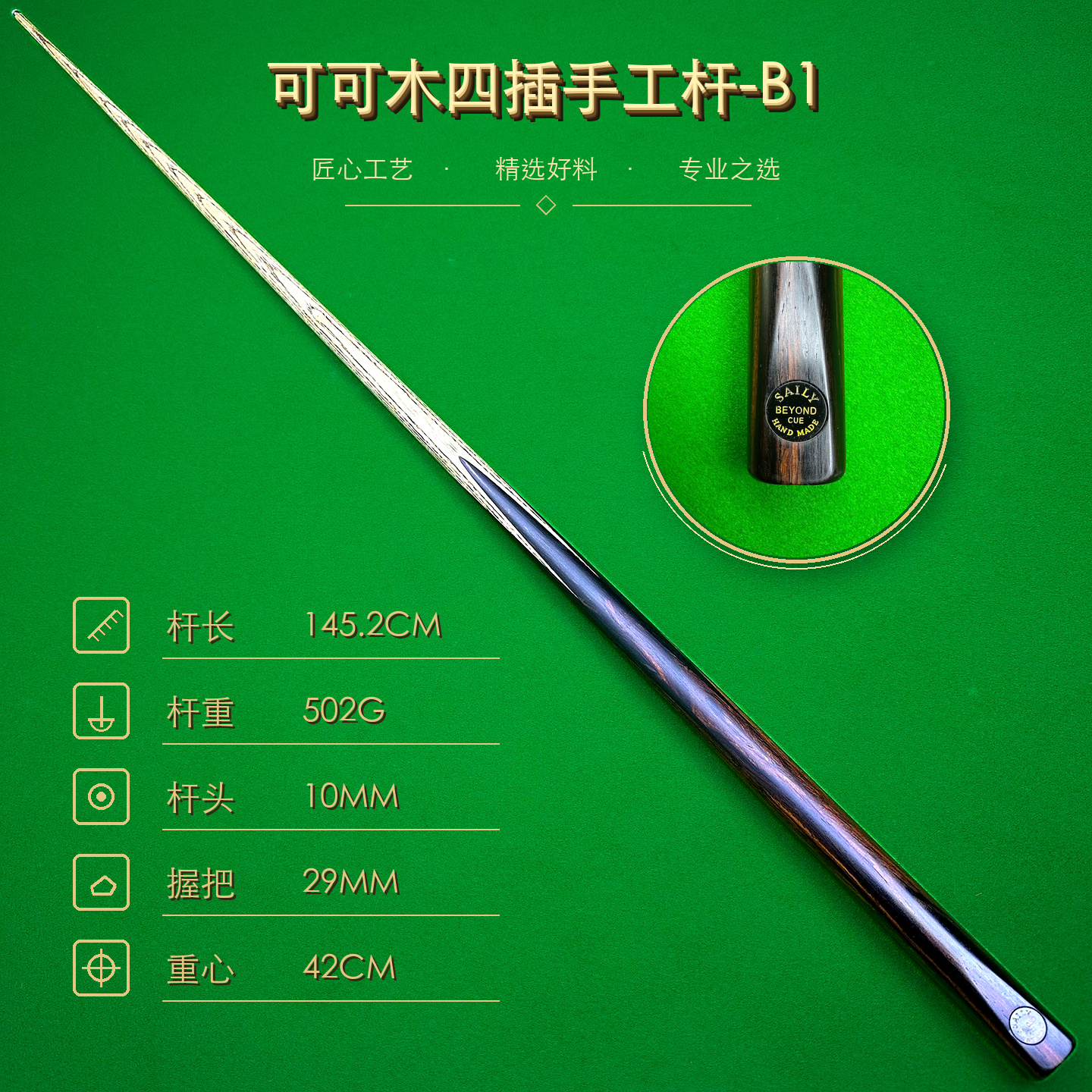
Short answer: not automatically. “Handmade” may describe how a seller presents a cue, but the word alone does not establish better construction, accuracy, feel, durability, rarity or resale value. A useful comparison starts with the exact cue, its current real photographs, documented specifications, component condition, configuration, fit and seller terms.
1. Start with the exact cue, not the label
Before asking whether handmade snooker cues are better, confirm what item is actually for sale. Record the product name, individual reference or code, current availability and the photographs attached to that record. Ask whether the pictured cue is the exact cue that would be dispatched. A family name or a decorative style cannot identify every physical cue in that family.
SAILY CUE's English catalogue shows why this matters. The cue catalogue connects individual records with real photographs and listed fields. A Cocobolo Four-Splice Handmade Cue B1 and a SAILY Paragon Ebony Cue No. 4 are separate records; a name, series or appearance should not be used to transfer one cue's facts to another.
The series-label guide explains the difference between a catalogue family and an individual reference. Treat “handmade,” “limited” or a series name as wording to verify, not as a quality score.
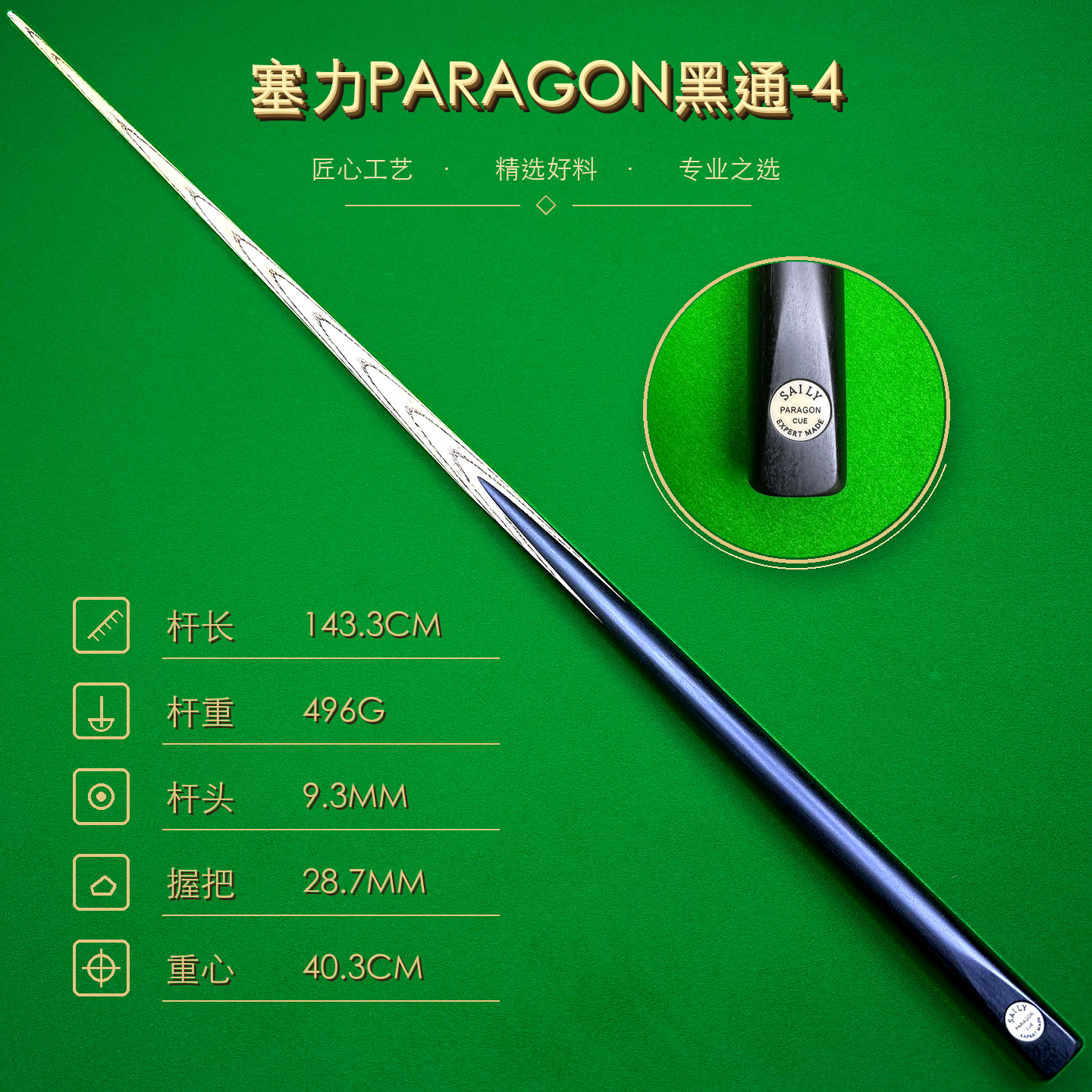
2. Ask what the seller can document
Good evidence is specific enough for another buyer to check. Request the assembled length, complete playing weight, installed tip size, stated butt-diameter reference and balance point with its measuring end and unit. Confirm whether the cue is one-piece, centre-jointed, three-quarter-jointed or another configuration, and whether any extension or protector was included in a measurement.
Use the snooker cue specification guide to compare methods before comparing numbers. A rounded estimate and a measured value are not the same record. A balance point without a reference end is incomplete. A photograph can help identify an item, but it cannot supply an exact hidden measurement or prove straightness.
Ask for current close views of the shaft, tip, ferrule, joint, butt and finish when those areas affect your decision. A claim about careful craftsmanship is less useful than an honest description of the actual components and their present condition.
3. Compare configuration and personal fit
A cue can be attractive and well documented yet still be a poor fit for one player. Compare length, weight, balance point, butt reference, tip size, joint format and the way you normally hold and deliver a cue. The right question is not “Which label is superior?” but “Does this exact configuration suit my current setup and intended use?”
Use the controlled cue comparison guide when you can test two cues. Keep the table, shot sequence and observation language stable. Record setup comfort, cue freedom, intended contact and speed separately from pots and misses. A short result cannot guarantee future accuracy or prove that a cue is better made.
The wood-types guide is also useful when a listing highlights timber. A material name is a recorded label for an individual product, not proof of a performance ranking. Do not infer the wood, construction or feel of an unshown cue from colour, grain or another listing.
4. Inspect condition and the complete order
“Handmade” does not cancel ordinary condition checks. Look for a clear tip and ferrule, a stable joint, a shaft surface you understand and a finish that matches the current photographs. Ask about repairs, replaced components or changes since the photographs were taken. If straightness or a structural issue is uncertain, treat it as an open question rather than filling the gap with optimism.
Confirm what is included: cue sections, joint protectors, extension, case or other accessories. Check the final price, currency, shipping scope, taxes where applicable, availability, payment process and return or inspection terms. The online cue buying checklist brings these questions together so a craftsmanship description does not distract from the practical order record.
5. Put price, rarity and craftsmanship claims in context
A higher price may reflect materials, labour, design, seller positioning, included items or other terms, but the price itself does not prove any of those explanations. Likewise, “rare,” “collectible” or “master-made” should be supported by specific evidence if they matter to your decision. Do not assume scarcity, resale value, sales history or superior performance without documentation.
Compare like with like: the exact cue, complete configuration, current condition, included items and order terms. If two records are not equivalent, state what is missing. It is reasonable to decide that a cue is appealing, unsuitable, or not sufficiently documented without declaring a universal winner.
A practical handmade-cue checklist
- Identity.Match the individual reference, current photographs and availability.
- Specifications.Check length, complete weight, tip, butt and balance methods.
- Configuration.Confirm one-piece or jointed format and included components.
- Condition.Review tip, ferrule, shaft, joint, butt, finish and any repairs.
- Fit.Compare the record with your hand position, cue freedom and intended use.
- Terms.Confirm price, delivery, taxes, availability and returns in writing.
Once these checks are complete, the handmade label can be one part of your preference, alongside appearance and ownership value. It should not replace evidence about the exact cue.
Handmade snooker cue FAQ
Are handmade snooker cues automatically better?
No. Handmade describes a claimed making approach, but the label alone does not prove quality, straightness, playability, rarity, durability or value. Compare the exact cue, current photographs, specifications, condition and seller evidence.
What evidence should I request for a handmade cue?
Ask which exact cue is available, whether the photographs show that cue, and how its length, weight, tip, butt and balance were recorded. Also confirm condition, configuration, included items, availability, price, delivery and return terms.
Does a handmade cue feel better than a production cue?
There is no universal answer. Feel depends on the individual cue, its configuration and condition, and the player. A label or series name cannot guarantee a particular response or playing result.
Should I pay more for a handmade snooker cue?
Only when the individual cue and the order terms justify the price for you. Compare documented specifications, current condition, fit, included items and seller information; do not treat an unsupported craftsmanship or rarity claim as proof of value.
SAILY CUE COLLECTION
Start with an exact cue record
Review real photographs, listed specifications and product terms before deciding what the handmade label means for you.