
SNOOKER CUE · PRODUCT IDENTIFICATION
How to Read a Snooker Cue Product Code Before You Buy
Use the code to find the exact catalogue record, then verify the evidence behind the listing before you make a buying decision.
Short answer: a snooker cue product code is a catalogue reference. Use it to connect a listing with one named cue, its photographs and its documented fields. A code can help prevent mix-ups, but it does not prove quality, straightness, playing performance, rarity, manufacturing method or value. Read the record and ask about anything it does not document.
What a snooker cue product code is for
When several cues look similar, a short reference makes a conversation precise. Instead of saying “the black cue in the second photograph,” you can refer to the record’s code and ask whether the same item is still available. That is the practical meaning of the search intent snooker cue product code: identify the exact catalogue entry before comparing or ordering.
A code may combine a series name with a number or letter. The format belongs to the seller’s catalogue, so do not invent a universal decoding system. Read the code alongside the product name, series, material, image set and measurements shown on that specific record.
The series-label guide explains why a family name and an individual reference answer different questions. The family helps you navigate related cues; the product code points you back to one catalogue record.
Read three real SAILY CUE examples
These examples show how to use a code as an identity check, using only the fields currently documented in the catalogue.
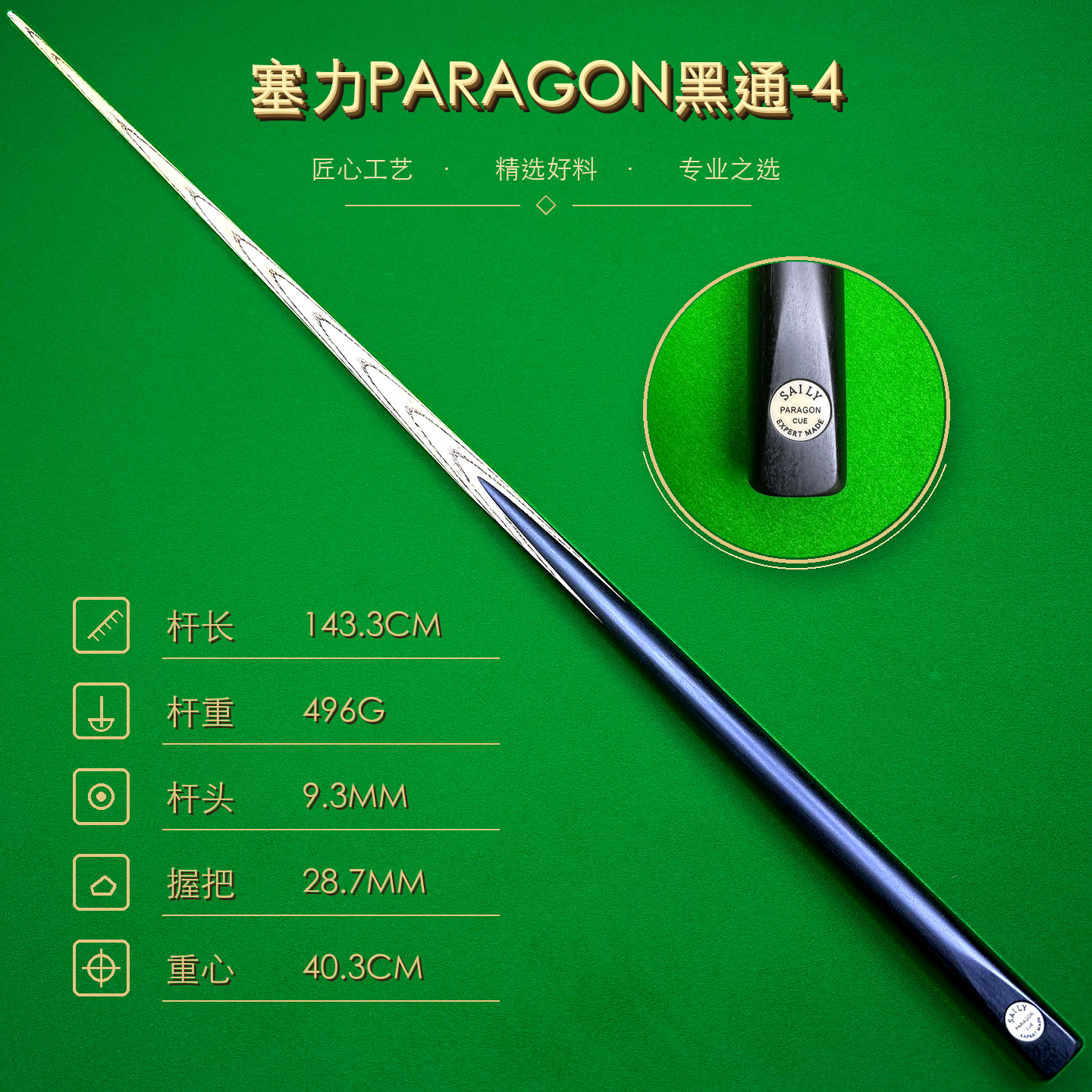
PARAGON-4
The record named Saily Paragon Ebony Cue No. 4 uses code PARAGON-4. Its catalogue fields identify the PARAGON Series and Ebony material, with a listed length of 143.3 cm, weight of 496 g, tip of 9.3 mm, butt of 28.7 mm and balance of 40.3 cm. Those are documented fields for that record; the code itself does not generate or guarantee them.
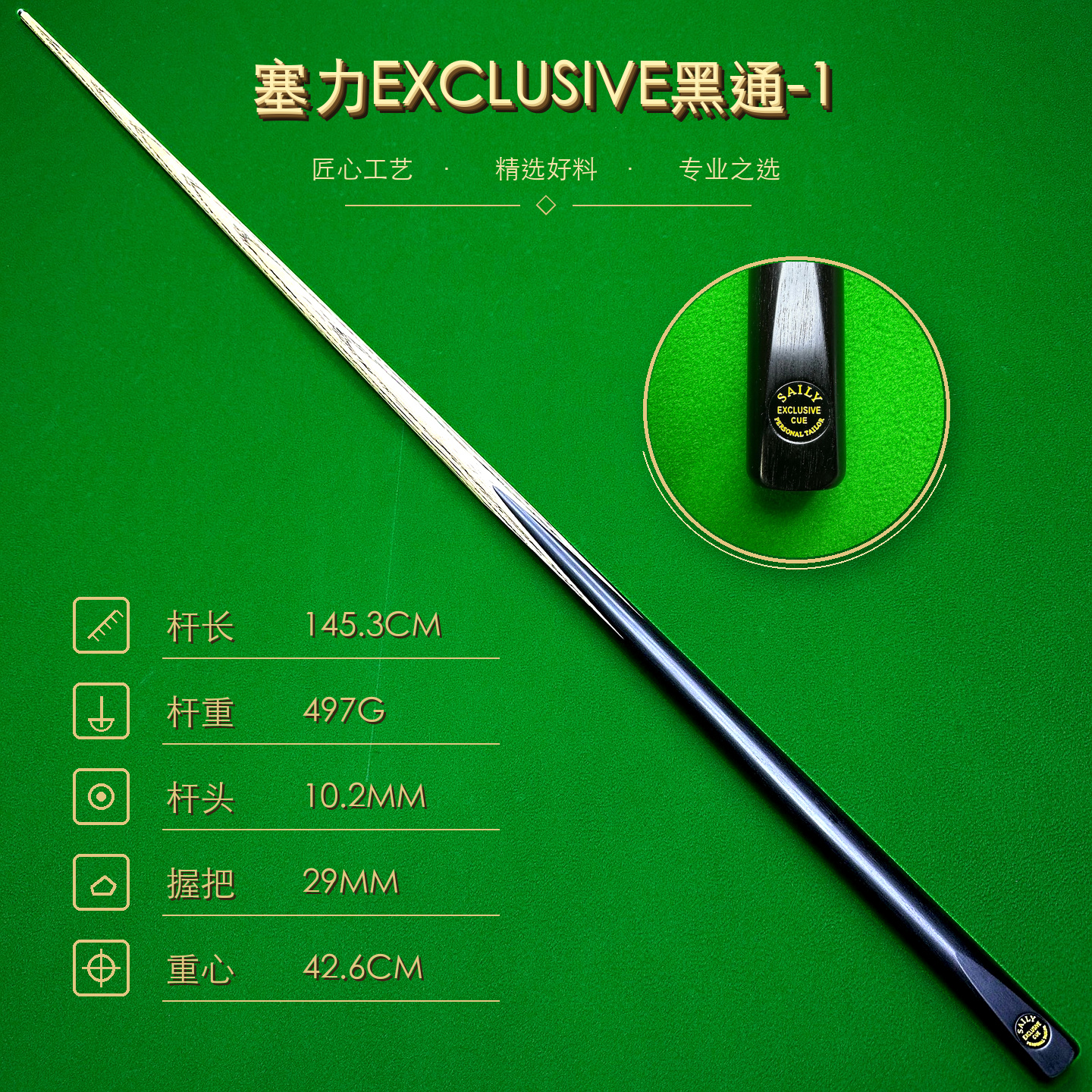
EXCLUSIVE-E1
The Saily Exclusive Ebony Cue E1 record uses EXCLUSIVE-E1. It is listed in the EXCLUSIVE Series with Ebony material, 145.3 cm length, 497 g weight, 10.2 mm tip, 29 mm butt and 42.6 cm balance. Match the code to the page and photographs rather than assuming that “E1” means a universal grade.
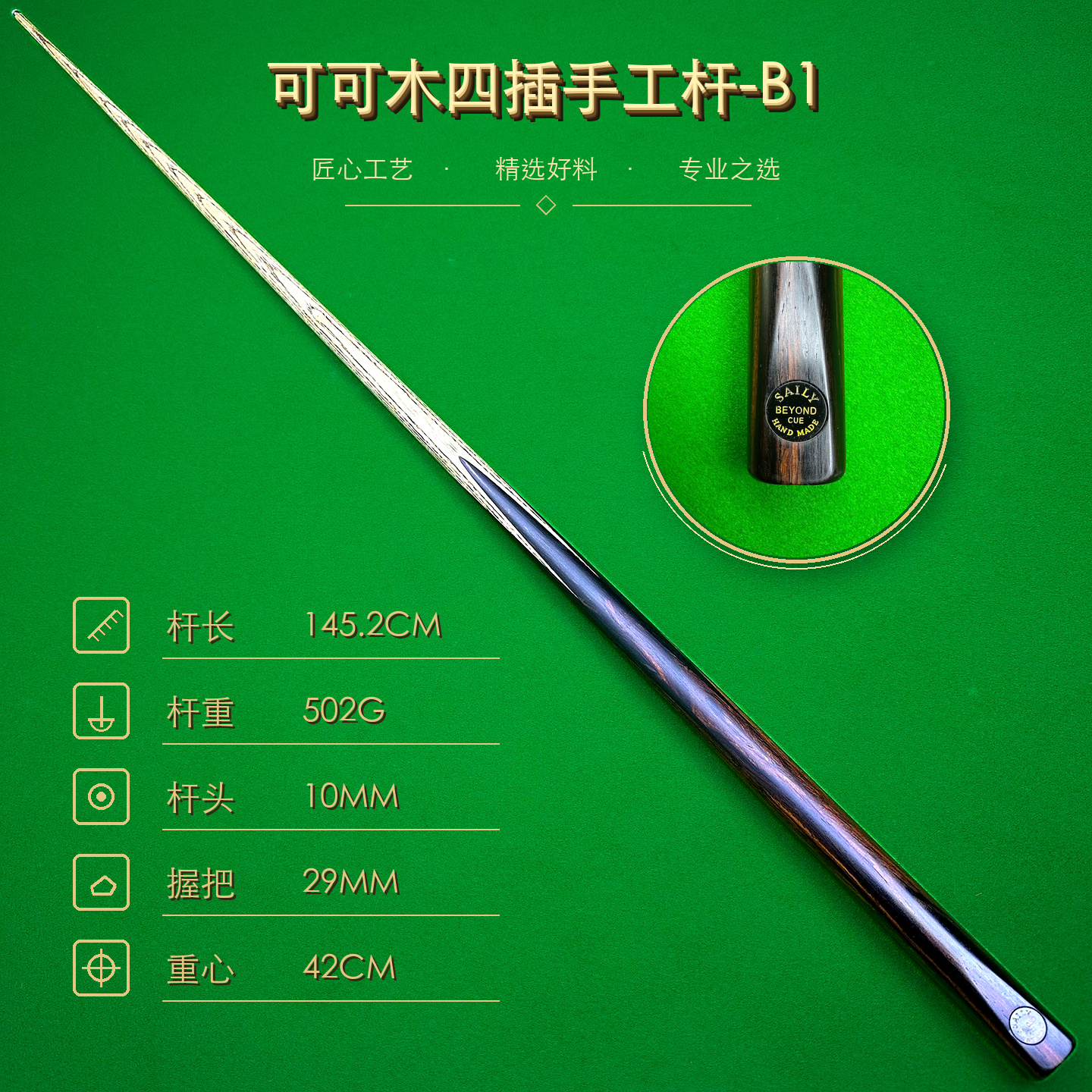
B1
The Cocobolo Four-Splice Handmade Cue B1 record uses the shorter code B1. Its record lists the B Series, Cocobolo material, 145.2 cm length, 502 g weight, 10 mm tip, 29 mm butt and 42 cm balance. “B1” is enough to identify this catalogue entry within its context, not evidence that every B1 cue anywhere has the same construction.
Check the record behind the code
Open the matching English cue catalogue and confirm that the code, name and images refer to the same item. Then check whether the status, price and listed specifications match the page you intend to buy. Save the URL and current details if you need to discuss the cue with the seller.
Read units and reference points carefully. A length, weight, tip size, butt measurement and balance point are useful only when you know what configuration and method they describe. The snooker cue specifications guide explains how to compare those fields without treating one number as a complete description.
Photographs add identity evidence but do not answer every condition question. Ask about damage, repairs, included parts, joint format, availability and any difference between the current image and the written record. A code reduces ambiguity; it does not remove the need for a clear conversation.
What a product code cannot prove
A product code is not a quality score, a straightness certificate or a promise of cue-ball control. It cannot prove how a cue feels, how it performs for a particular player, how rare it is or how it was manufactured. Even words near a code—such as “Limited,” “Handmade” or a series label—need to be read as catalogue language unless the seller supplies specific evidence.
Do not infer wood quality, splice geometry, finish condition, production quantity or resale value from letters and numbers alone. Do not compare codes as if PARAGON-4, EXCLUSIVE-E1 and B1 were positions on one universal scale. They belong to different catalogue records with different documented fields.
If a code appears in a message but not on the current catalogue page, pause and ask for confirmation. A typo, an old listing or a similar-looking cue can create an expensive mismatch.
A product-code checklist before you buy
- Copy the exact code, product name and catalogue URL.
- Confirm the photographs show that same cue, not a series sample.
- Check series, material, length, weight, tip, butt and balance fields.
- Ask about condition, repairs, configuration, included items and current availability.
- Record the final price, shipping and order terms before paying.
Use the online cue-buying checklist for the wider order questions. The safest habit is simple: use the code to identify the record, then use the record and the seller’s answers to decide whether the exact cue suits your needs.
Snooker cue product code FAQ
What is a snooker cue product code?
It is an identifier used to distinguish one catalogue record from another. On SAILY CUE, examples include PARAGON-4, EXCLUSIVE-E1 and B1. The code helps you match the listing, photographs and specifications to the intended cue.
Does a higher-looking product code mean a better cue?
No. A code is an identity field, not a quality or performance score. The number or letter may reflect a series convention or individual record, but the code alone does not prove workmanship, playing feel, rarity or value.
Can two cues share a product code?
Do not assume that they can or cannot. Treat each code as the seller’s catalogue reference and ask the seller to confirm the exact cue, current status, photographs and measurements before ordering.
What should I verify after finding a product code?
Open the matching product record, confirm the name, series, material, photographs, measurements, price and availability, then save the exact URL and ask about any missing condition or configuration detail before paying.
SAILY CUE CATALOGUE
Match the code to the exact cue
Review current product records, photographs and documented measurements before asking your final buying questions.